EN
EN

UFL to SMA Connectors: What to Verify Before Integration
2026/09/21
2025/07/23
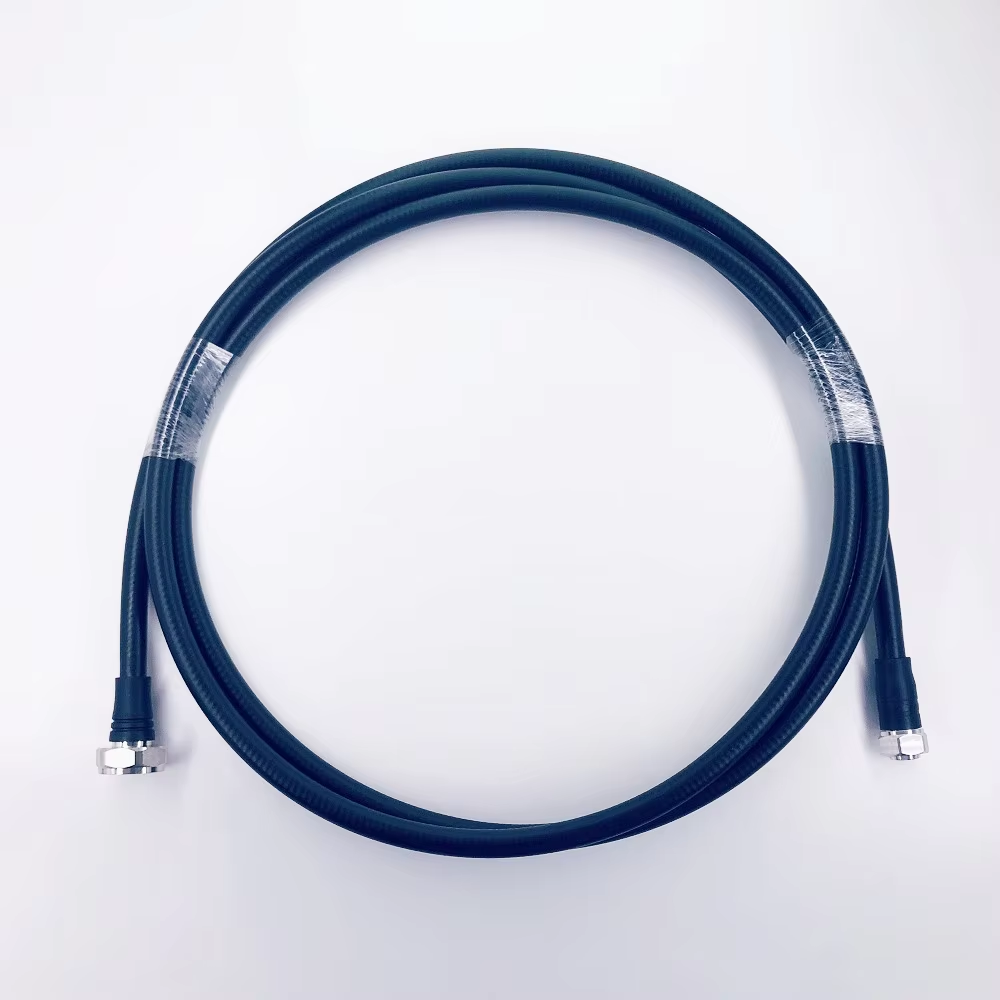
The structure of air dielectric coaxial cables involves three core components: conductor, dielectric, and shielding, each playing a crucial role in maintaining signal integrity and quality. The conductor, usually made from copper or aluminum, is responsible for transferring electrical signals. Its cross-sectional area directly impacts the resistance and power handling capabilities, making it a significant factor for application-specific requirements. The dielectric is essential for insulation and signal propagation. Air, as a dielectric medium, offers lower dielectric constant and minimal loss compared to traditional solid dielectrics, which enhances overall performance. Shielding prevents external interferences, ensuring cleaner signal transmission. Understanding the different types of shielding, such as foil or braid, can inform installation and application choices effectively.
Air is notable for its low loss characteristics when used as a dielectric medium, making it critical for high-frequency applications due to its efficiency in signal transmission. Compared to solid dielectrics, air offers significant benefits such as reduced capacitance and lower permittivity, enhancing frequency response. Experts often highlight that using air helps minimize dielectric heating, resulting in improved thermal management and performance stability under high power conditions. However, environmental conditions affecting air quality can still influence performance, making it crucial to consider exposure risks in design to ensure optimal functioning.
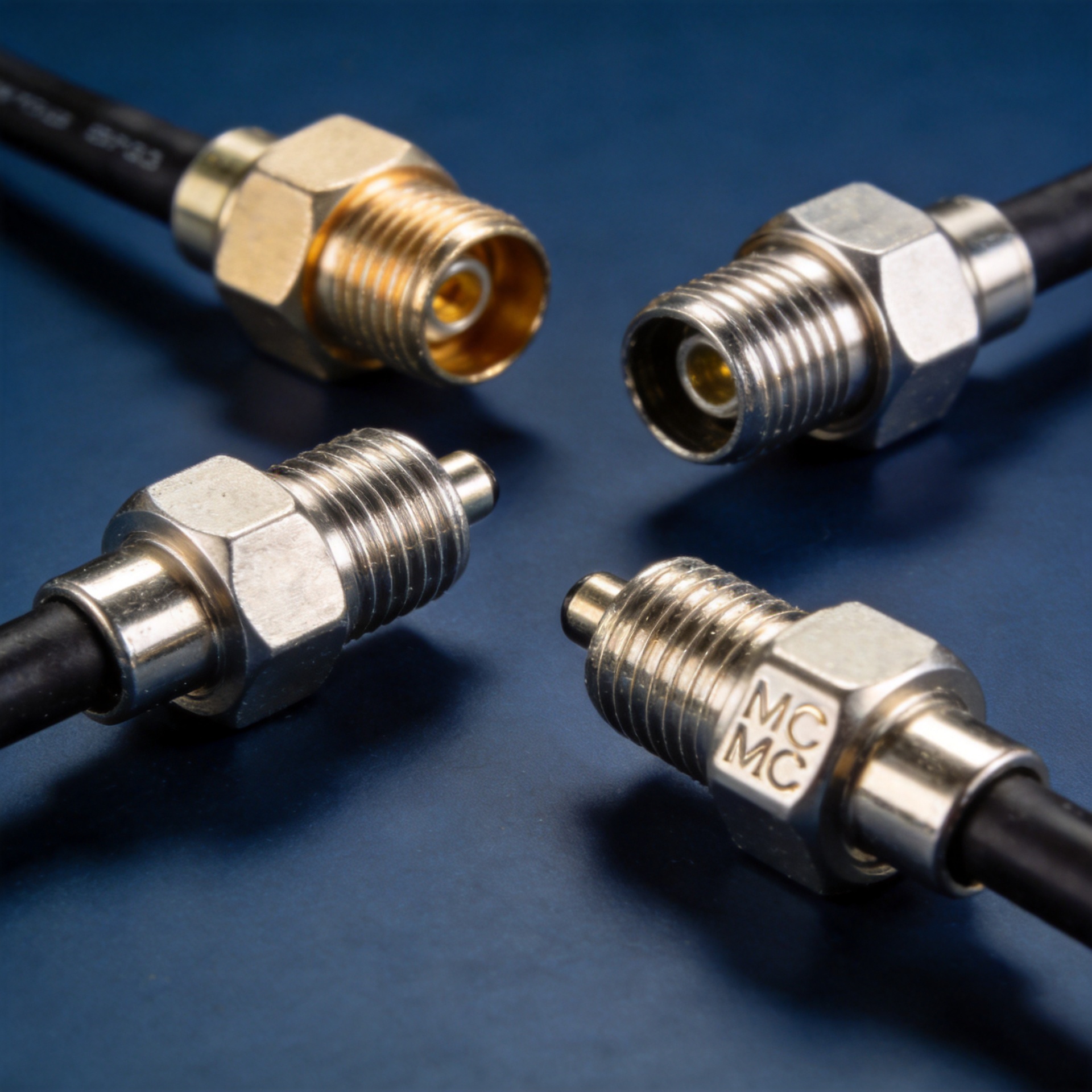
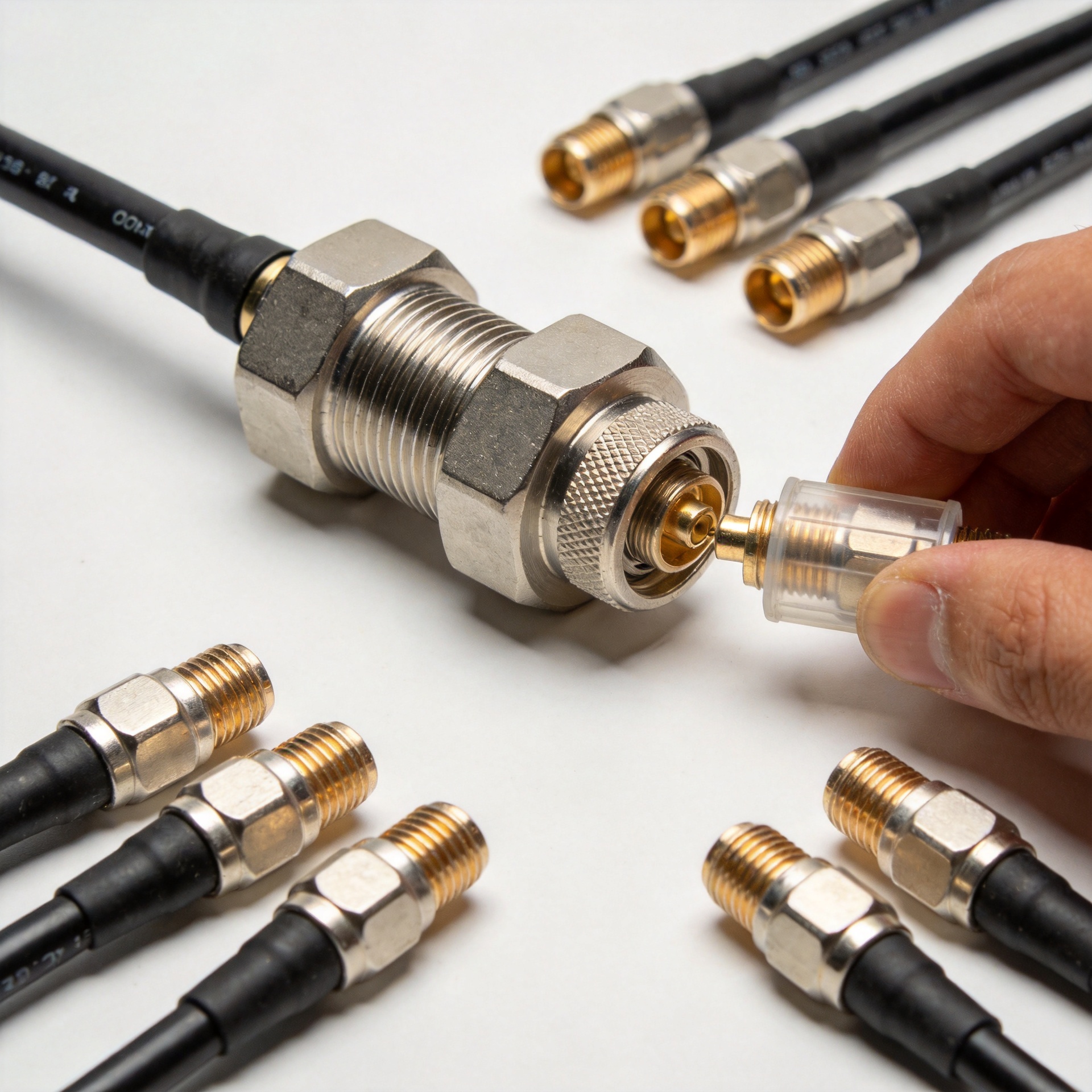
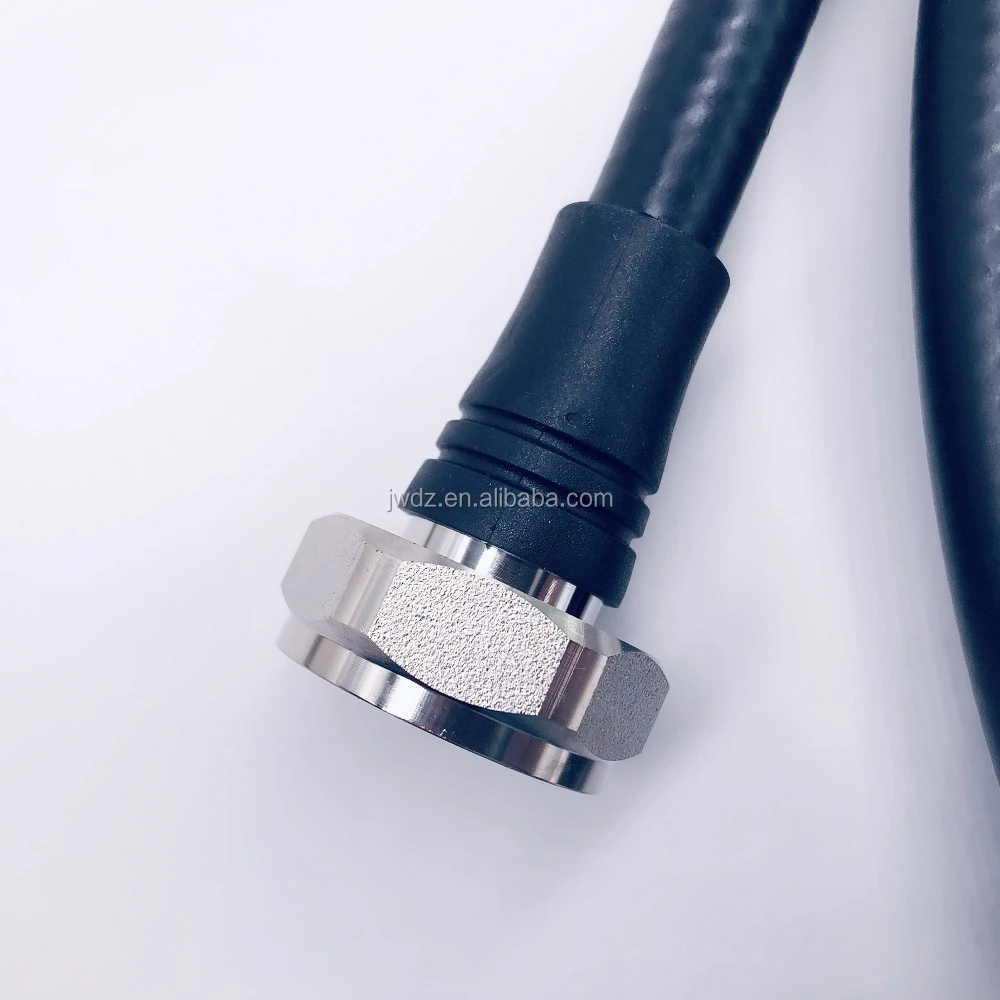
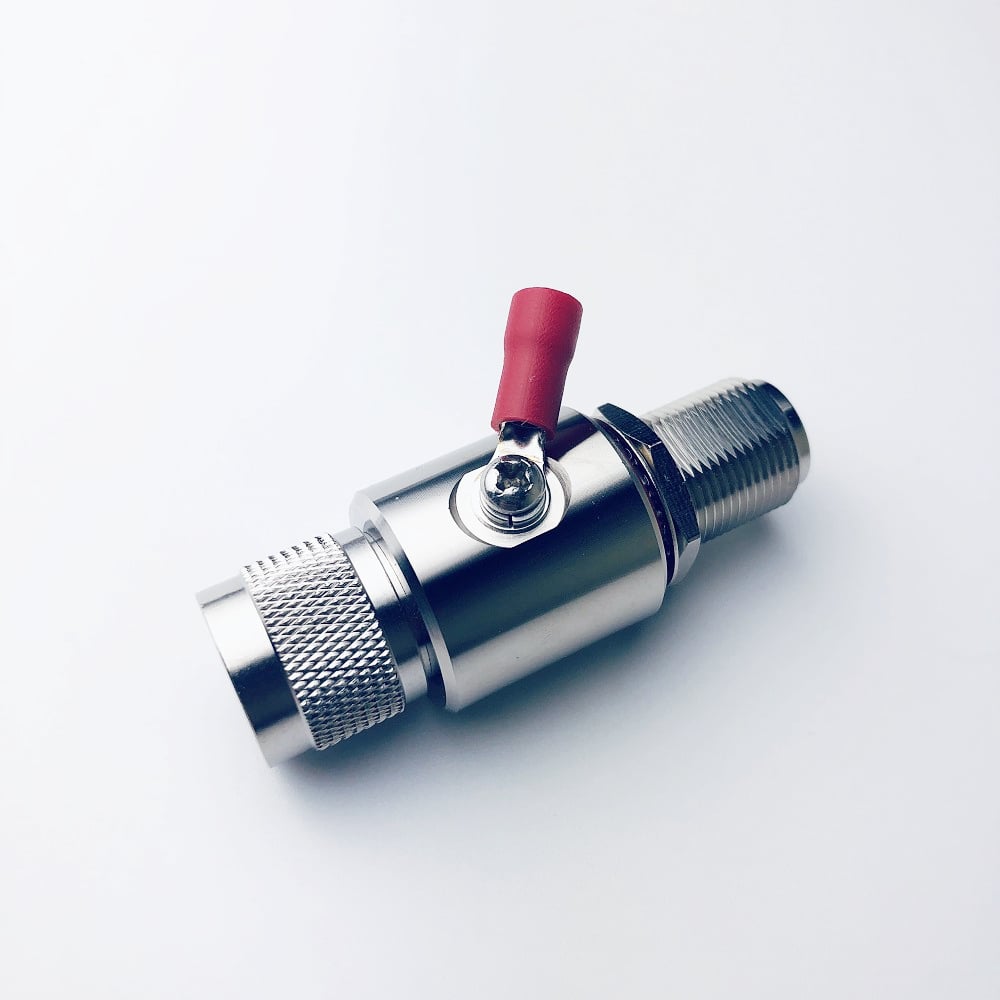
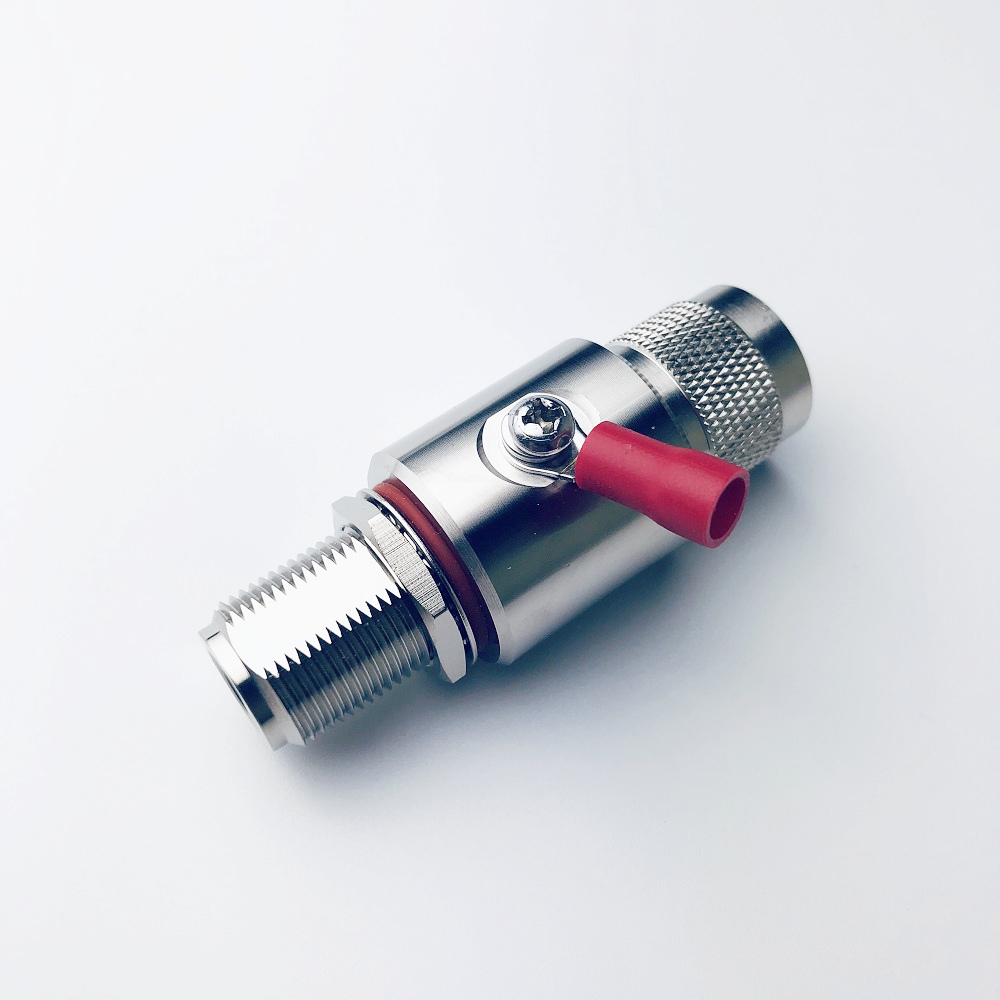
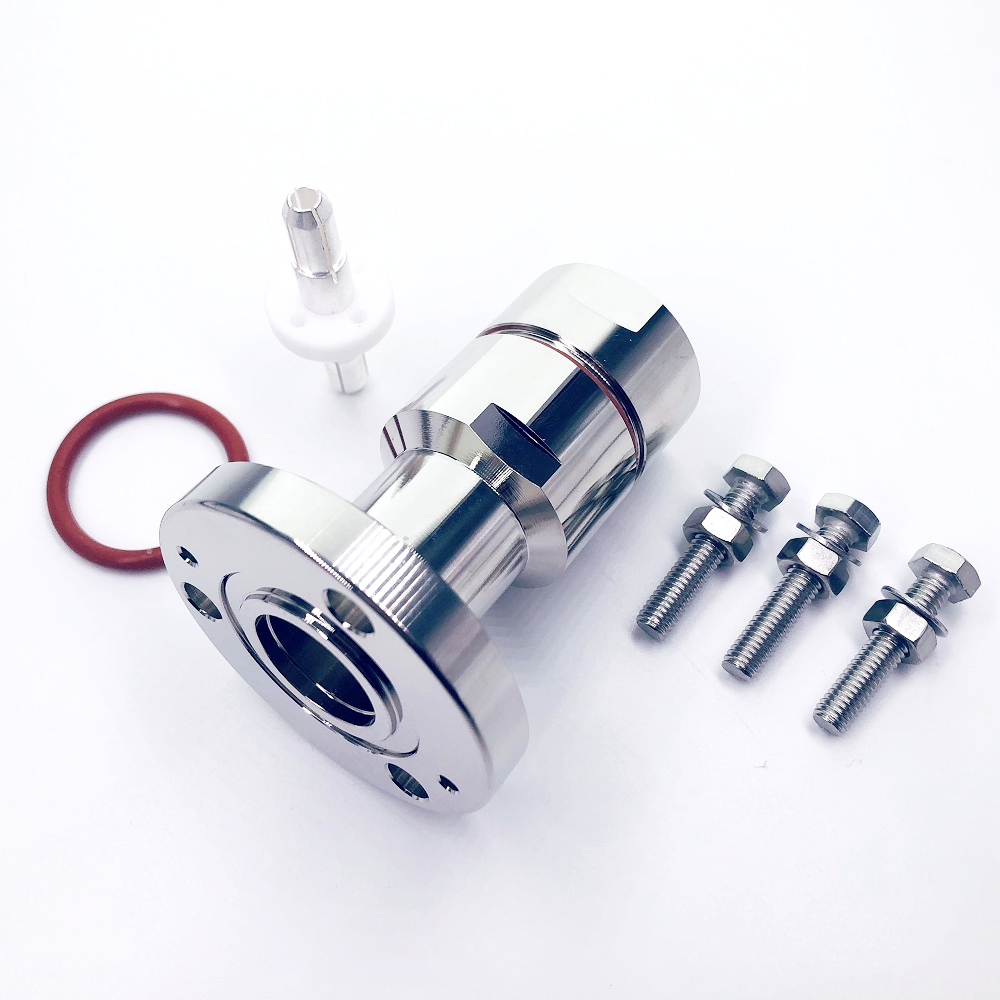
N-Type connectors are popular in air dielectric coaxial cables due to their robustness and high-frequency capabilities, making them suitable for demanding applications. Understanding connector specifications is essential to ensure compatibility with various systems, which includes making informed choices based on frequency range, power requirements, and physical dimensions. Adaptations or custom connectors can accommodate different equipment, ensuring broad applicability across telecommunications and broadcasting industries. Properly connecting a coaxial cable is essential to prevent signal loss, emphasizing the importance of understanding the available connection methods and options to enhance system effectiveness.
Air dielectric cables are known for significantly minimizing signal loss, especially in high-frequency applications. Compared to traditional solid dielectric cables, air dielectric ones exhibit lower attenuation rates, often less than half, enhancing transmission efficiency. This characteristic is crucial in telecommunications where maintaining signal integrity over long distances is vital. By reducing signal degradation, these cables not only improve call quality in RF applications but also support higher data rates in digital systems, making them indispensable for modern high-frequency transmission.
Air dielectric cables offer impressive bandwidth capabilities, facilitating higher data transfer rates needed for contemporary applications. Industry reports have shown that these cables can support bandwidths extending up to several gigahertz, surpassing solid dielectric cables. Additionally, they demonstrate higher power handling capabilities which are essential for powerful transmitters in RF and microwave applications. This ensures the cables function effectively without overheating, crucial for devices like 5G transmitters. Understanding and optimizing bandwidth allocation can help system designers cater to emerging technologies efficiently.
The lightweight design of air dielectric coaxial cables is advantageous for installations, particularly in environments where weight is a limiting factor. This feature proves beneficial for aerial installations and satellite applications where structural supports demand careful evaluation. The ease of handling during installation directly impacts project efficiency and labor costs, a critical aspect for project managers. Moreover, lighter cables place less stress on mounting hardware, which enhances the longevity of the installation. This makes air dielectric cables ideal for complex and precision-oriented environments, supporting efficient project execution.
When comparing attenuation characteristics, air dielectric cables consistently outperform solid dielectric cables, especially in long-distance transmission. Studies reveal that air dielectric cables have the advantage of maintaining superior signal integrity over significant distances, thereby reducing the need for additional amplifiers. This is particularly beneficial for applications such as national broadcasting or satellite communications, where maintaining signal quality over vast expanses is crucial. Professionals in RF engineering often advocate for air dielectric cables in projects demanding extensive cable runs due to their resilience against signal deterioration and reduced attenuation.
Air dielectric cables exhibit exceptional thermal stability, making them ideal for high-power RF applications. Their design allows them to handle elevated temperatures without performance degradation, a trait emphasized by recent studies. Unlike solid dielectric cables, air dielectric cables maintain lower operational temperatures, thereby increasing reliability. In environments where high-power applications are prevalent, like radar and broadcasting, minimizing overheating is key to extending cable lifespan. The thermal stability of air dielectric cables thus fosters confidence in their utilization for applications where failure due to heat could be catastrophic, ensuring consistent performance in demanding conditions.
Air dielectric cables are essential for enhancing performance in RF couplers by ensuring efficient energy distribution while preserving signal quality. Their compatibility with various RF components highlights their versatility, making them highly adaptable within load management systems. Users often report a noticeable improvement in controlling RF power, leading to more effective system functionality and dynamic energy management. The applications of these cables extend across multiple sectors, including telecommunications, broadcasting, and military setups, leveraging their unique properties for diverse industrial needs.
Effective cable clamp solutions are crucial for maintaining stable signal transmission by reducing disruptions caused by movement. Advanced clamping systems designed specifically for air dielectric cables can significantly mitigate signal jitter, thus enhancing overall system performance. Proper installation of these clamps not only prolongs the cable lifespan but also proves vital for maintenance and operational reliability. Industry professionals recommend tailored clamp solutions based on specific applications to optimize the routing and support of cables, ensuring consistent performance.
The integration of air dielectric coaxial cables is rapidly advancing within 5G infrastructures, where they serve as critical components to accommodate increasing data speed and bandwidth needs. Their unique properties are perfectly aligned with the high-frequency demands and design considerations of 5G setups. In satellite communications, these cables offer the reliability and efficiency needed for long-distance data transmission without adding unnecessary weight. Ongoing collaborations between cable manufacturers and telecommunication companies are driving innovations in cable technology to better support next-generation networks, ensuring more robust and efficient communication pathways.