Coupler: Versatile Signal Coupling Device

application/cable-coupler, application/cable-coupler, 
Inquiry
Inquiry
Coupler: Signal Coupling Device

Coupler: Signal Coupling Device

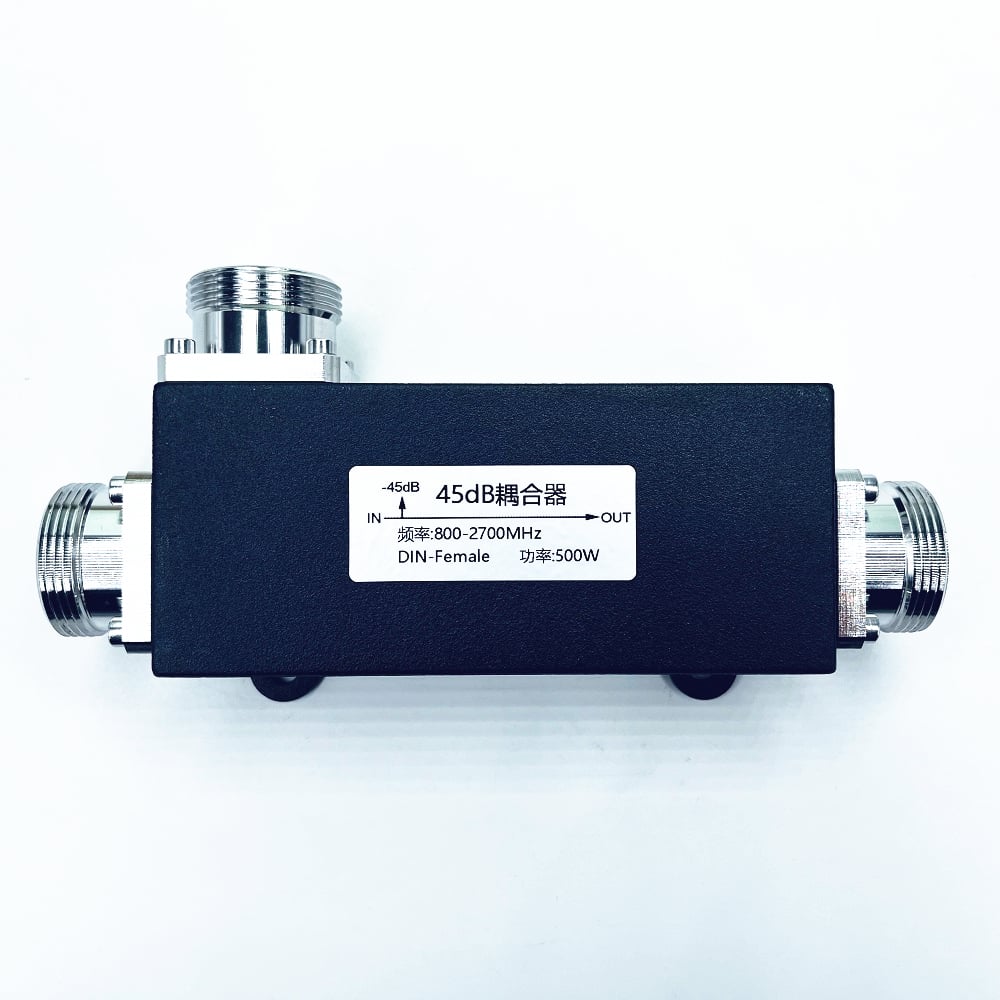
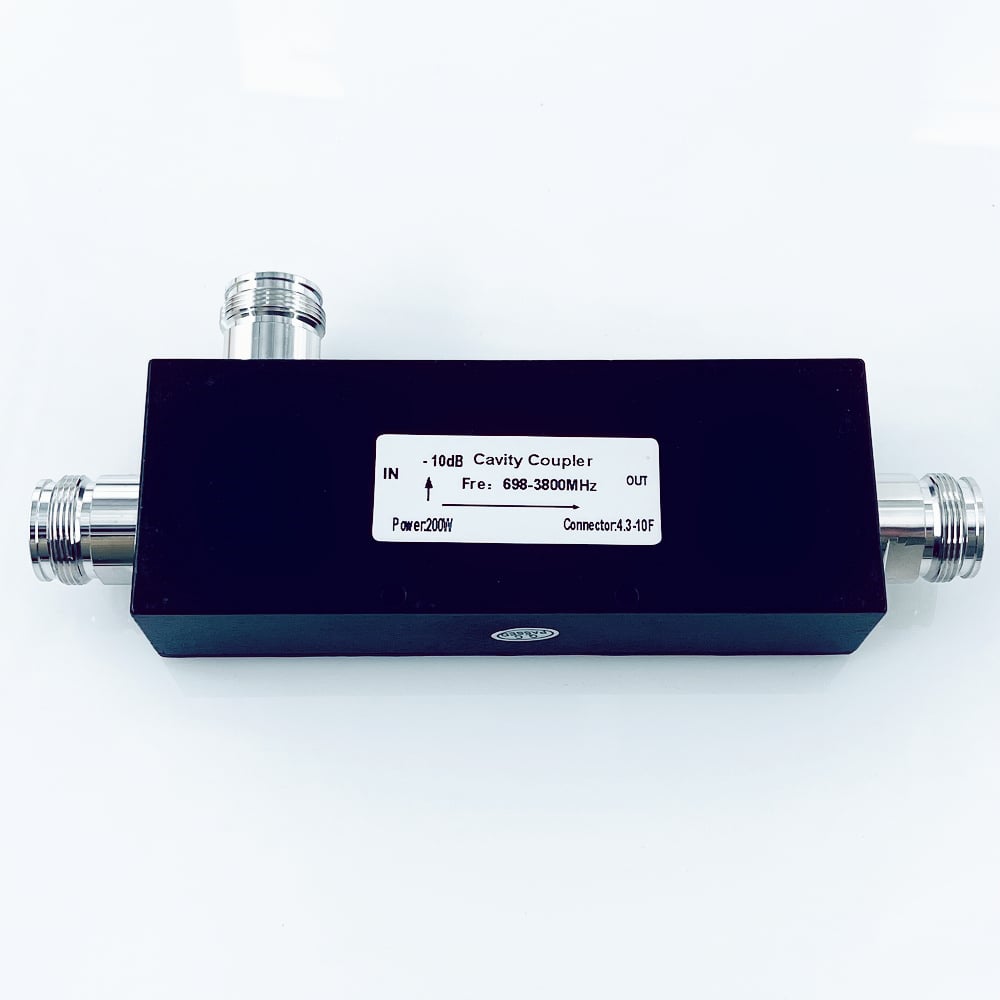
A coupler is a device used to couple signals from one circuit or transmission line to another. It can achieve functions such as signal distribution, synthesis, and isolation. It’s commonly used in communication systems, RF circuits, and power systems.
Get A Quote

Advantages of the product

High - performance Signal Coupling

Ensures efficient signal coupling between different circuits or transmission lines, minimizing signal loss.

Precise Signal Manipulation

Allows for precise manipulation of signals, optimizing system performance.
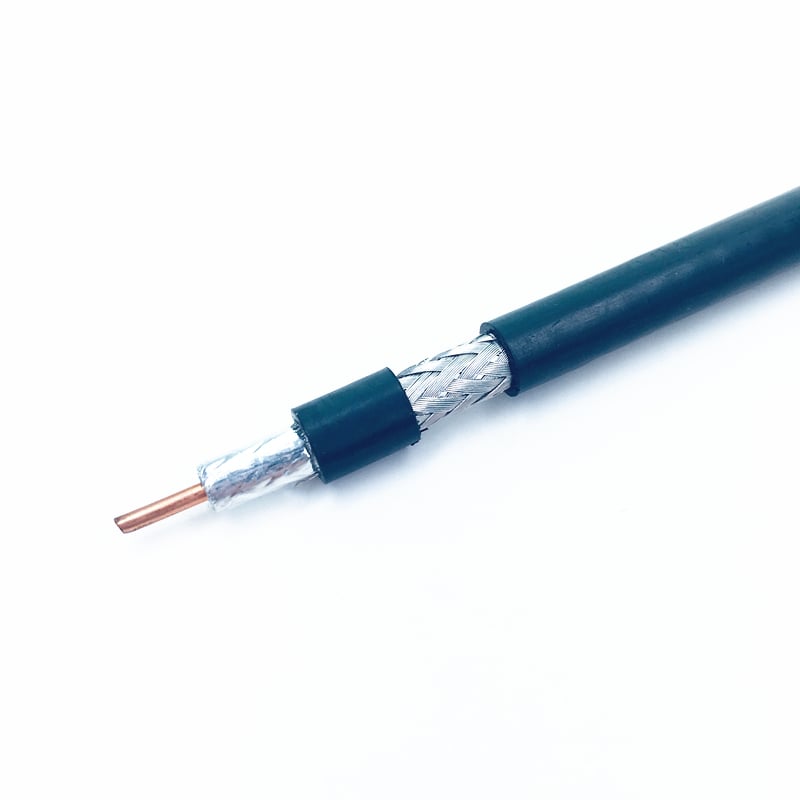
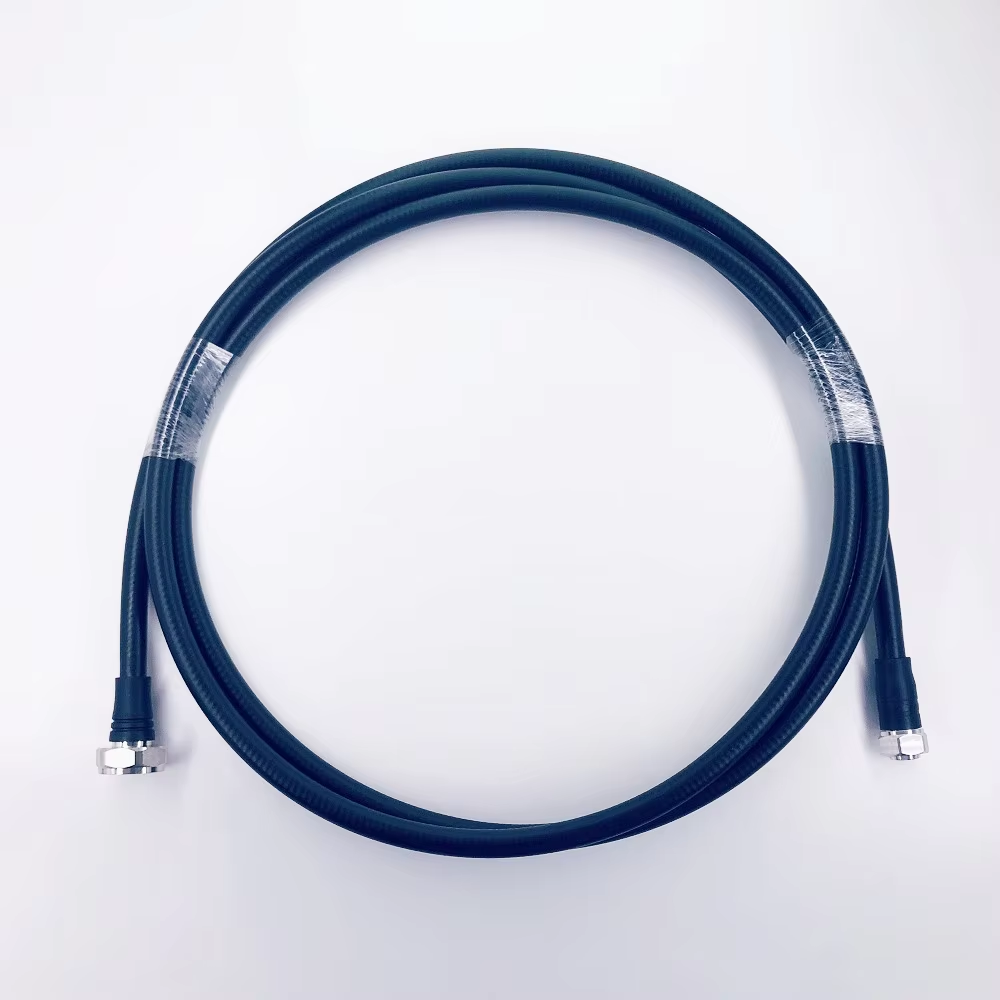
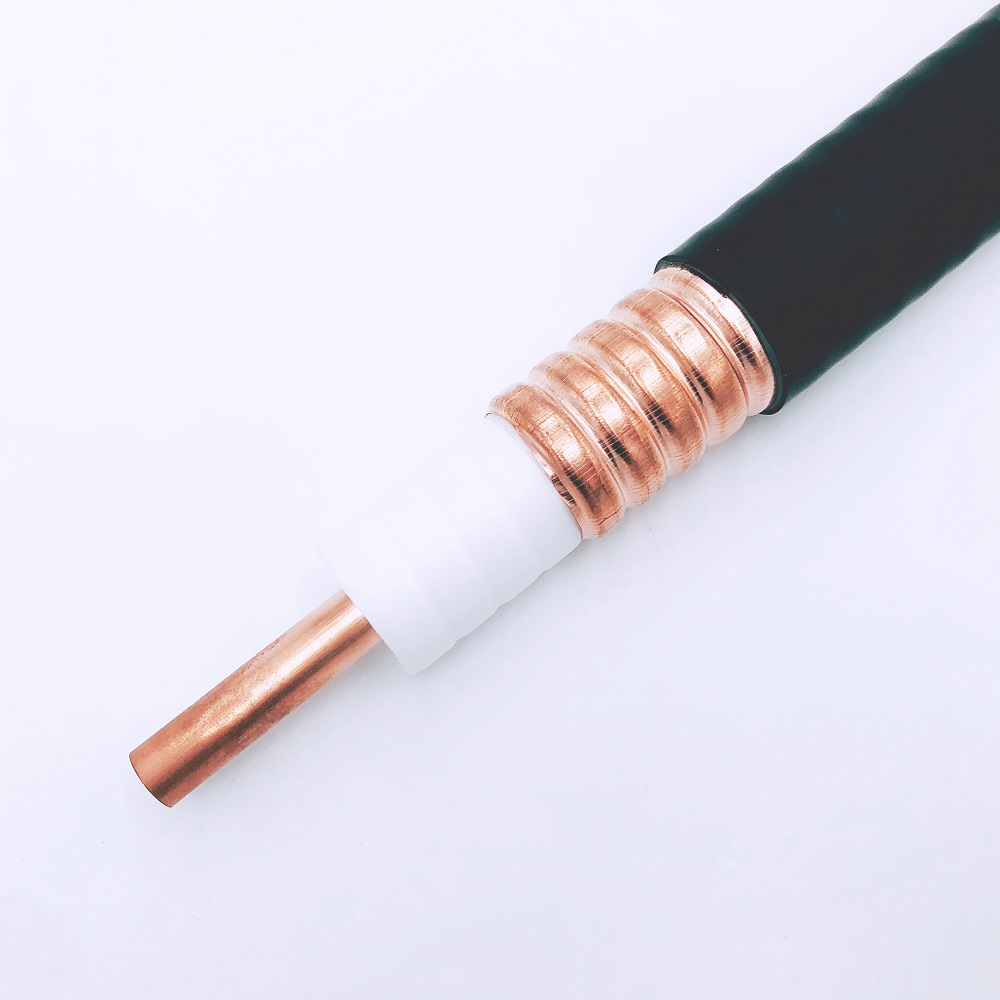
A cable coupler is a particular tool that is meant for bringing together two cables. It may either come as a mechanical and simple connector or as an electrical one. Cables couplers find application in different fields such as powering distribution, communication, data transmission and are used for increasing the length of a cable or diffent types of cable connectors.

common problem

How does a coupler distribute signals?

A coupler uses internal electrical components to split an input signal into multiple output signals according to a specific ratio, enabling signal distribution to different parts of a system.
Yes. Some couplers are designed to isolate signals, preventing unwanted signal feedback or interference between different circuits or transmission lines.
In communication systems, couplers are commonly used in antenna arrays to distribute signals to multiple antennas and in RF signal processing units for signal combination and separation.
Yes. There are various types, such as power couplers, directional couplers, and hybrid couplers, each with different characteristics and applications.

Related article

Why Are Loads Essential in RF System Testing?

24

Mar

Why Are Loads Essential in RF System Testing?

The Critical Role of Loads in RF System Testing Defining RF Loads and Their Purpose RF loads are essential components in RF circuits as they are designed to absorb power, thus preventing unwanted reflections that can cause signal distortion. By doing...
View More
How to Choose Between LMR600 and LDF4-50C Coaxial Cables?

24

Mar

How to Choose Between LMR600 and LDF4-50C Coaxial Cables?

Key Differences Between LMR600 and LDF4-50C Coaxial CablesConstruction and Material CompositionThe construction of the LMR600 coaxial cable is designed to optimize signal transmission while maintaining durability. This cable typically includes a soli...
View More
RF Cables What Parameters Should Be Focused on in Selection?

07

Apr

RF Cables What Parameters Should Be Focused on in Selection?

Impedance and Frequency Fundamentals 50Ω vs 75Ω Systems The primary distinction between 50Ω and 75Ω systems lies in their impedance values, which significantly affect their applications and performance characteristics. 50&Ome...
View More
Feeder Cables How to Select the Right Specifications

03

Apr

Feeder Cables How to Select the Right Specifications

Understanding Feeder Cable Specifications and Applications Defining Feeder Cables in Power Distribution Systems Feeder cables are fundamental components in power distribution networks, acting as conduits to efficiently transmit electrical energy fro...
View More

User evaluation of the product

John Smith

The coupler functions well in signal distribution. It helps me achieve signal isolation and combination in my RF circuit.

Nathan

Easy to install, this coupler is reliable for transferring signals between different circuits.

Get a Free Quote

Our representative will contact you soon.
0/1000
Reliable Signal Transfer

Reliable Signal Transfer

Provides reliable signal transfer, maintaining signal quality during coupling processes.