 EN
EN

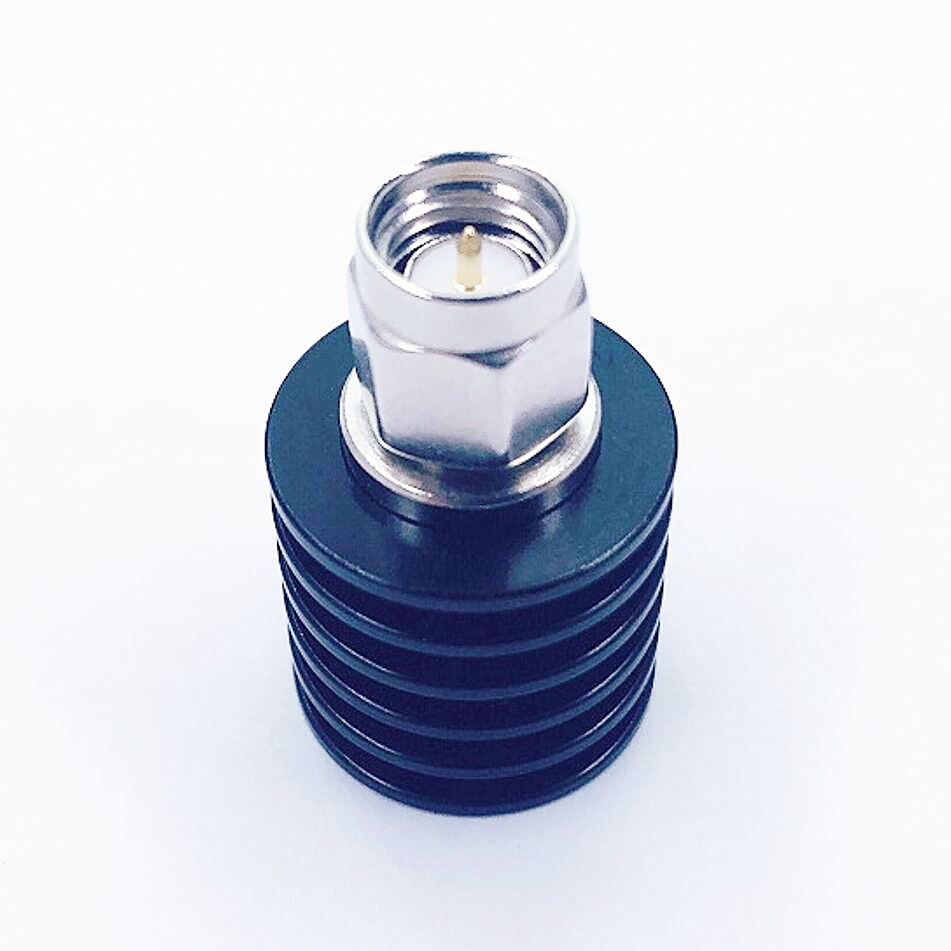
Why Are Loads Essential in RF System Testing?
The Critical Role of Loads in RF System Testing
Defining RF Loads and Their Purpose
RF loads are essential components in RF circuits as they are designed to absorb power, thus preventing unwanted reflections that can cause signal distortion. By doing so, they ensure that the RF system operates efficiently without interference. Typically, RF loads come in two main types: resistive and reactive loads. Each type serves a distinct function in RF system testing by handling different aspects of signal absorption. For practitioners, understanding the specifications of these loads, including impedance levels and frequency ranges, is crucial. These specifications dictate the load's compatibility with various RF systems and are vital for achieving optimal performance during testing procedures.
Preventing Signal Interference with Dummy Loads
Dummy loads play a critical role in terminating RF transmission lines to prevent interference, which can significantly disturb signal integrity. They provide an approximation of an actual load without transmitting radio waves, thus simulating the appropriate load conditions. This feature is essential for analyzing system behavior within a controlled environment, reducing the risk of damage to sensitive components. Studies in industry standards demonstrate that using dummy loads can lead to enhanced accuracy in signal measurements within testing environments. These loads help technicians ensure that all equipment performs correctly without compromising safety.
Applications in Transmitter Testing and Maintenance
RF loads are fundamental to both transmitter testing and maintenance processes. They assure that amplifiers are operating within safe limits, offering protection and longevity to the equipment. During testing phases, RF loads provide a stable condition, which assists in troubleshooting and carrying out accurate diagnostics. According to various industry reports, using RF loads consistently during maintenance not only helps in identifying potential issues readily but also extends the lifespan of transmitters. This consistent application ensures that the equipment remains in optimal working condition, reducing the potential for costly repairs and downtime.
Essential Components for Effective RF Load Testing
Coaxial and Jumper Cables in Signal Transmission
Coaxial cables are vital in RF load testing as they provide a reliable medium for signal transmission, minimizing losses and maintaining signal integrity. The design of coaxial cables reduces electromagnetic interference, making them suitable for high-frequency applications where precision is crucial. On the other hand, jumper cables play an equally significant role by facilitating connections between various components, thereby ensuring minimal reflective losses. They are designed to handle repeated flexing and movement while maintaining consistent performance. Statistical data from telecommunications studies indicate that the quality of these cables directly influences overall RF testing results, underscoring the importance of their selection and maintenance in RF setups.
Couplers and Cable Clamps for Secure Connections
Couplers are indispensable for RF load testing as they allow for the connection and separation of signal paths, which is critical in testing and measurement setups. They enable precise signal direction and splitting, aiding in complex testing scenarios that require meticulous control. Alongside, cable clamps ensure that these connections remain secure, preventing disconnections or signal losses that could compromise testing results. They are designed to hold cables firmly without damaging them, maintaining the reliability and stability of the connections. Industry standards advocate for the use of high-quality couplers and clamps, as these components contribute significantly to the effectiveness and dependability of RF systems. Their proper use ensures better testing accuracy and operational efficiency in RF applications.
Conducted RF Immunity Testing Techniques
Coupling-Decoupling Networks (CDNs)
Coupling-Decoupling Networks (CDNs) play a crucial role in RF immunity testing by injecting RF signals into systems while effectively decoupling unwanted signals. This capability is essential for comprehensive immunity testing, as it allows for the simulation of various interference scenarios, enabling thorough system evaluations. Research consistently supports the efficacy of CDNs in enhancing the reliability of immunity testing in RF devices, ensuring that they can withstand potential disruptions in various environments.
Electromagnetic (EM) Clamp Methodology
The Electromagnetic (EM) clamp methodology is a sophisticated technique used to measure the RF susceptibility of electronic devices, providing critical feedback for design improvements. This method enables real-time measurements, which highlight areas that require enhancements to mitigate interference effectively. Expertise in electromagnetic testing has been shown to significantly bolster device performance in real-world applications, making it an invaluable tool in the development of robust electronic systems.
Bulk Current Injection (BCI) Testing
Bulk Current Injection (BCI) testing provides a standardized approach to assess the susceptibility of equipment to conducted RF disturbances. By directly injecting RF currents into cables, this method evaluates how well devices withstand external interferences. Numerous case studies have demonstrated the effectiveness of BCI in identifying vulnerabilities in wireless systems, thereby allowing for targeted improvements that enhance the overall resilience and functionality of these devices.
Ensuring Accuracy and Compliance in RF Systems
Calibration Processes for Reliable Results
Calibration is fundamental for ensuring the reliability of RF testing equipment, involving periodic adjustments to maintain accuracy. A systematic calibration process includes using reference loads and standards to verify equipment performance against established norms. These processes ensure that the measurements are accurate and consistent, which is crucial for maintaining performance standards in RF systems. Research indicates that properly calibrated systems yield results with lower tolerances and higher repeatability, thus validating the effectiveness of calibration in enhancing testing precision. Proper implementation of calibration processes helps in avoiding errors that could lead to compliance failures and reduced system integrity.
Impact on System Longevity and Performance
Regular testing and calibration significantly enhance the longevity and overall performance of RF systems. Data shows that systems with consistent maintenance exhibit fewer failures and require less frequent replacements, demonstrating that regular upkeep is vital for sustained operation. Additionally, industry guidelines highlight the importance of adherence to compliance standards for sustaining product reliability over time. By following these standards, businesses can ensure that their RF systems meet expected performance levels and reduce the risk of costly downtime due to non-compliance or unexpected system breakdowns. Hence, investing in regular testing and calibration is a prudent approach to prolonging system life and maintaining optimal functionality.
