 EN
EN

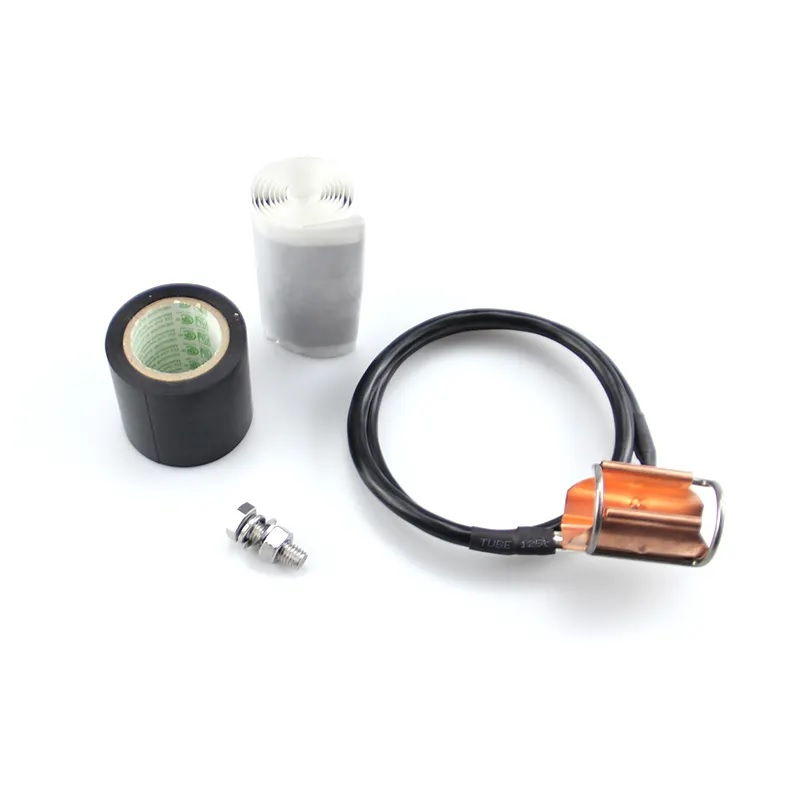
What Role Do Grounding Kits Play in Lightning Protection?
The Fundamentals of Grounding in Lightning Protection
How Grounding Diverts Lightning Current
Grounding systems play a crucial role in diverting lightning current safely to the ground, thus minimizing the risk of power surges. By providing a direct path, grounding ensures that high-voltage spikes caused by lightning strikes are channeled away from sensitive systems and structures, reducing potential damage. Research indicates that properly designed grounding can significantly diminish peak currents during lightning strikes. This energy dissipation through a well-defined pathway is essential to understanding the primary functions of grounding. Such systems not only protect equipment and buildings but also enhance safety by preventing electrical arcing that could lead to fires or injuries.
Voltage Stabilization and Equipment Protection
Grounding is integral in stabilizing voltage levels, offering protection against over-voltage conditions, whether from lightning or other electrical surges. Studies show that businesses with efficient grounding systems experience fewer incidences of equipment damage due to voltage spikes. This reduction in damage ensures operational continuity and lower repair costs. Grounding systems act as a safeguard for your equipment, maintaining voltage regulation and ensuring equipment safety. By keeping voltage levels stable, grounding protects valuable equipment like computers and manufacturing tools, ensuring that they continue to function correctly even in adverse weather conditions. Protecting your investments starts with effective grounding strategies, critical for maintaining system reliability and safety.
Key Components of Effective Grounding Kits
Coaxial Cable Shields and Surge Protection
Coaxial cable shields are crucial for reducing electromagnetic interference and ensuring surge protection, serving as the backbone of grounding systems. High-quality coaxial cables offer significant benefits, as studies demonstrate their role in minimizing signal loss and maintaining system integrity. By incorporating efficient electromagnetic shielding, these cables protect against disruptive surges that could damage sensitive equipment. In the context of grounding kits, it is essential to prioritize surge protection through the use of superior coaxial cables.
Cable Clamps for Secure Connections
Cable clamps play an indispensable role in maintaining secure connections within grounding systems, essential for minimizing impedance. Industry standards emphasize the importance of using robust materials in cable clamps to endure environmental stressors like corrosion and extreme temperatures. This durability ensures that connections remain reliable over time, preventing interruptions that can arise from weakened or faulty links. Employing high-quality cable clamps thus enhances the overall stability and effectiveness of grounding infrastructures.
The Role of Bonding in Lightning Protection Systems
Couplers and Jumper Cables in System Integration
Couplers and jumper cables play a pivotal role in enhancing the bonding effectiveness within lightning protection systems. These components ensure continuous electrical connections, which are crucial for the overall system's integrity. Proper integration of coupling and jumping mechanisms can assist in effective electrical load distribution, thus mitigating the strain on individual components. Additionally, incorporating terms like "electrical continuity" and "load management" provides clarity on the importance of bonding in maintaining a robust lightning protection system. Without the use of durable couplers, the risk of system failure during a lightning strike increases significantly.
Managing Electrical Load Through Proper Bonding
Proper bonding techniques are essential in evenly distributing electrical load across a grounding system, thereby enhancing its overall resilience. Research indicates that incorrect bonding procedures can result in hot spots within the system, increasing the likelihood of equipment failure and potential safety hazards. Using concepts such as "load management" and "system resilience" highlights the importance of effective bonding techniques. Ensuring that these techniques are adhered to can significantly reduce the risk of lightning strikes causing dangerous spikes in the grounding system, safeguarding both infrastructure and equipment from potential damage.
Installation Best Practices for Grounding Kits
Ensuring Low-Impedance Pathways
Establishing low-impedance pathways is essential for effectively directing lightning current to the ground. By minimizing impedance, electrical systems can prevent dangerous voltage spikes that might otherwise lead to arcing or equipment damage. This involves following detailed manufacturer guidelines or industry best practices to ensure every component, from the grounding electrodes to the bonding connections, is optimized for resistance minimization. Emphasizing concepts like 'resistance minimization' reinforces the importance of these practices in maintaining system integrity and safety.
Compliance with Safety Standards
Adhering to stringent safety standards is a critical aspect of grounding installations, ensuring both reliability and effectiveness. Regulatory frameworks such as IEEE and NEC offer pivotal guidelines that professionals can follow to conduct safe installation and ongoing maintenance. Emphasizing 'safety compliance' within this context adds relevance and urgency, as adhering to these standards not only guarantees the operational functionality of the systems but also mitigates potential safety hazards associated with improper grounding.
Maintaining Grounding System Integrity Over Time
Regular Inspections and Component Testing
Regular inspections and component testing are key to maintaining the integrity of any grounding system. These inspections allow you to identify issues like wear, tear, or corrosion that may undermine effectiveness. Proactive testing of components such as grounding rods and cable clamps is essential, as it can reveal underperformance or outright deficiencies before they escalate into system failures. By emphasizing preventive maintenance practices, businesses can ensure the functionality and safety of their grounding systems over time. Regular check-ups not only improve performance but also extend the lifespan of the system.
Upgrading Aging Grounding Infrastructure
Upgrading outdated grounding infrastructure is crucial for ensuring the safety and performance of electrical systems. Outdated systems increase vulnerability to damage during electrical surges, posing significant risks to safety. Statistical evidence shows that timely upgrades in infrastructure can greatly mitigate these risks. For instance, updating load management systems can enhance the overall safety of an installation. By adopting the principles of infrastructure modernization, organizations can significantly improve their grounding system integrity, paving the way for safer and more reliable operations. These updates are not just a necessity for ensuring current functionality but also an investment in future-proofing the systems.
