Coaxial Cable: Reliable Signal Transmission Cable

+86 18652828640 +86 18652828640
All Categories
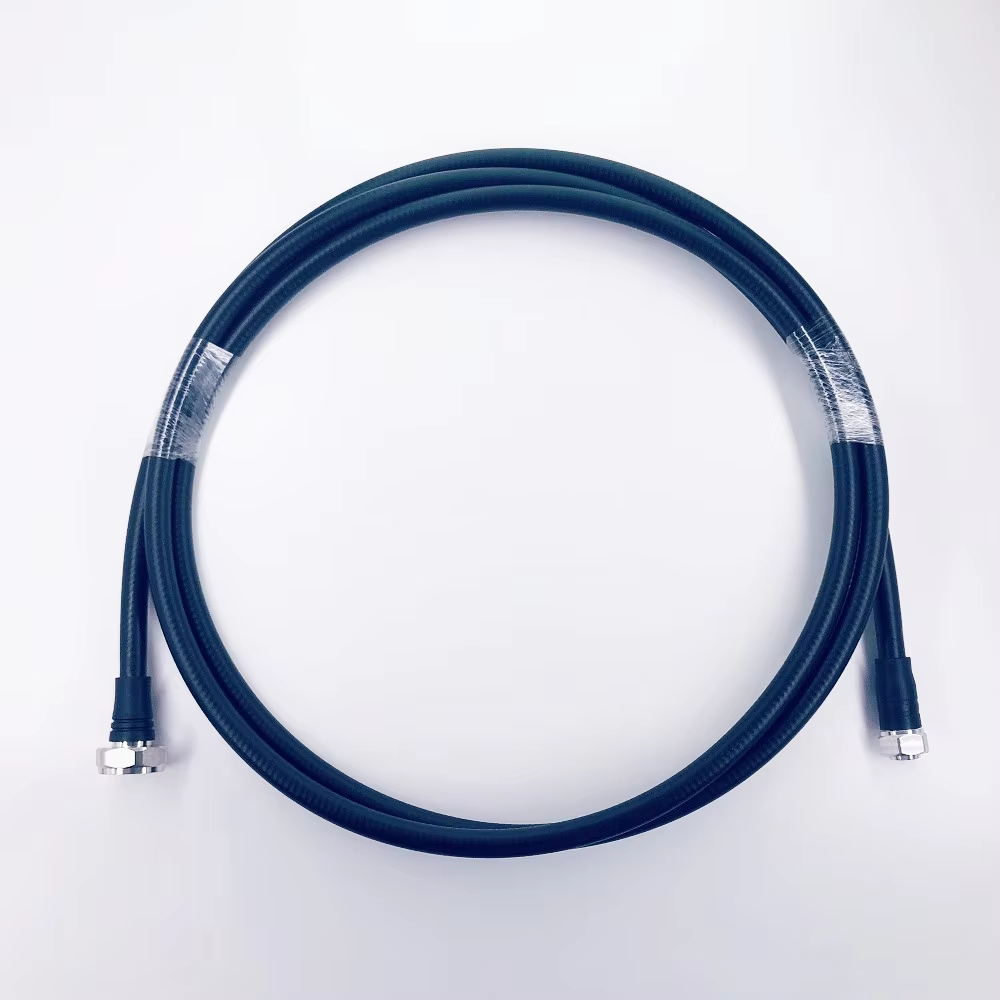
Coaxial Cable: Widely - Used Signal Transmission Cable

Coaxial Cable: Widely - Used Signal Transmission Cable

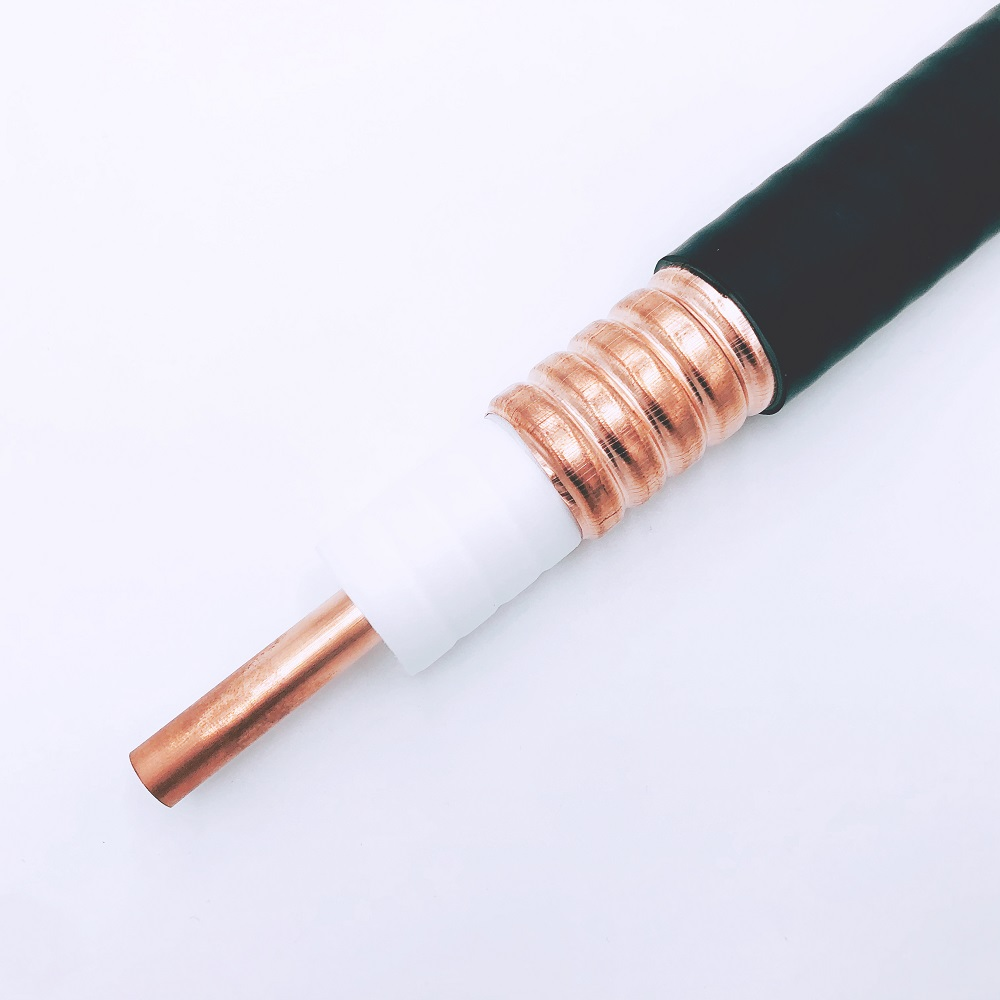
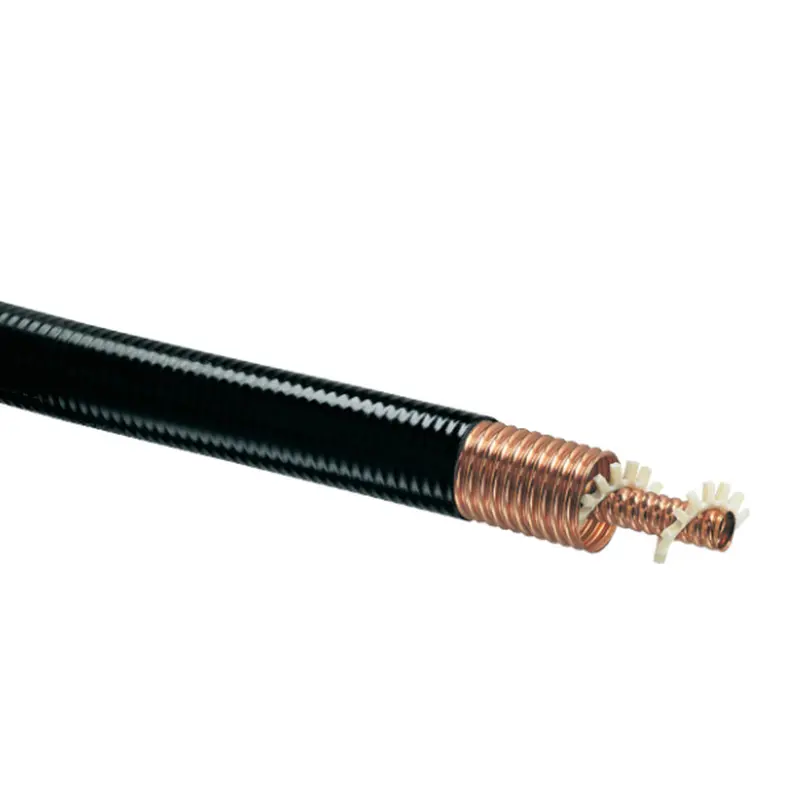
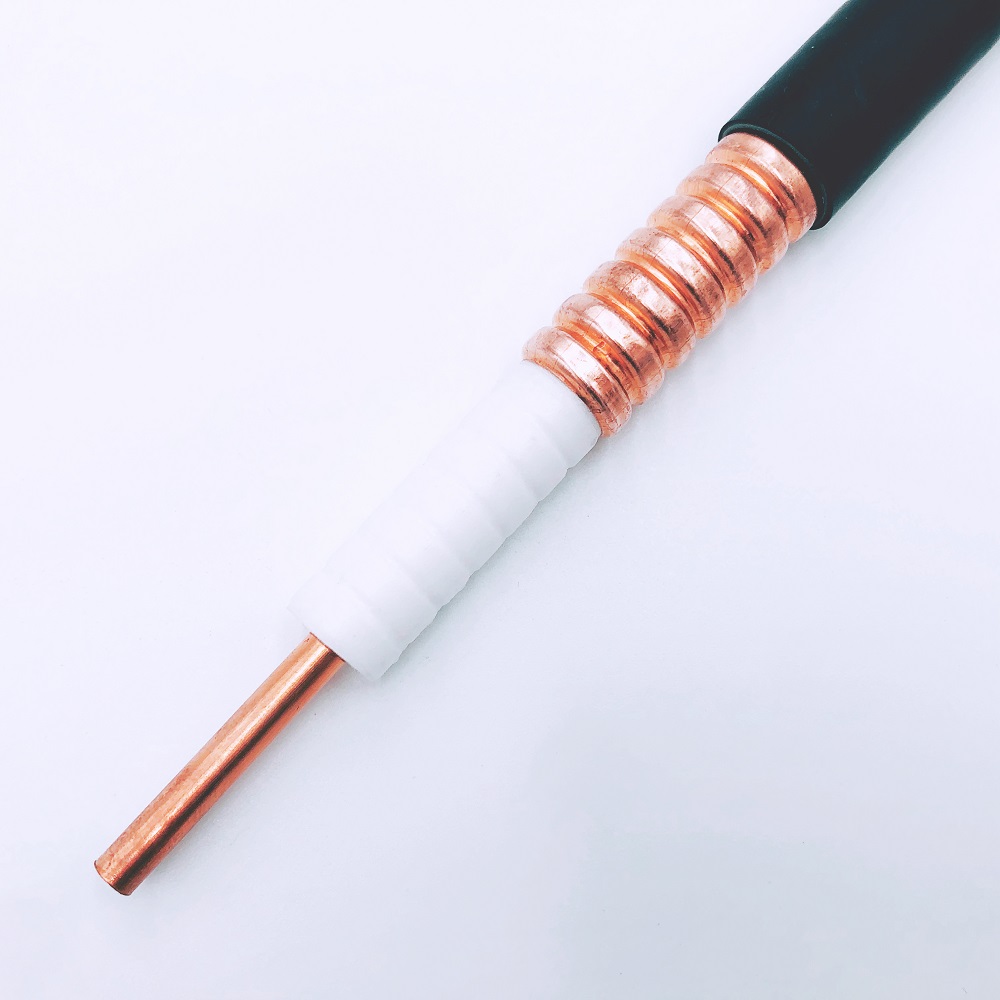
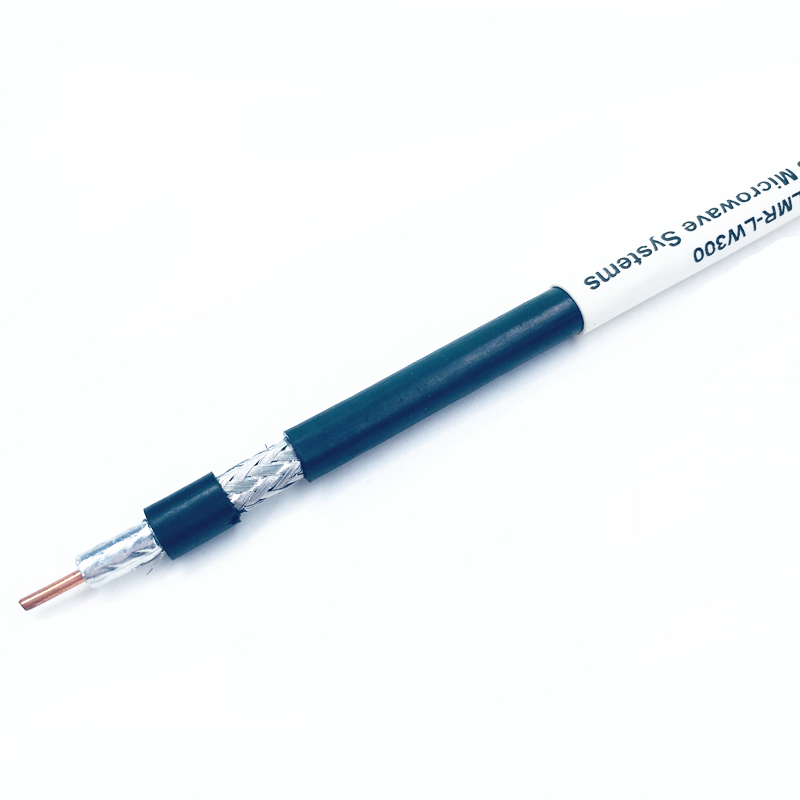
Coaxial cable consists of an inner conductor, an insulating layer, an outer conductor, and a sheath. The inner and outer conductors are coaxially arranged, with the insulating layer in - between to prevent signal leakage and interference. It has good shielding performance and signal transmission capabilities and is widely applied in cable TV, network communication, and RF transmission fields.
Get A Quote

Advantages of the product

Good Shielding Performance

Effectively shields against signal leakage and interference, ensuring high - quality signal transmission.

Wide Application Range

Widely used in cable TV, network communication, and RF transmission fields due to its excellent properties.

Related products

The LMR240 coaxial cable possesses good RF performance and flexibility. The cable has better signal transmission due to having a larger diameter compared to the LMR200, resulting in higher attenuation. LMR240 is usually used in mobile communication systems and internal RF installations where the balance of cable size, flexibility and performance is needed
common problem

What are the components of a coaxial cable?

A coaxial cable consists of an inner conductor, an insulating layer, an outer conductor, and a sheath. The inner and outer conductors are coaxially arranged, with the insulating layer separating them to prevent signal leakage and interference.
It’s widely used in cable TV, network communication, and RF transmission fields. Its good shielding and signal transmission capabilities make it suitable for these applications.
The outer conductor of the coaxial cable acts as a shield. It blocks external electromagnetic interference from reaching the inner conductor and also prevents the inner conductor’s signals from leaking out.

Related article

How Do Air Dielectric Coaxial Cables Improve Signal Integrity?

24

Mar

How Do Air Dielectric Coaxial Cables Improve Signal Integrity?

Fundamentals of Coaxial Cable Signal Transmission Key Components: Conductor, Dielectric, and Shielding Coaxial cables are engineered with specific structural designs that optimize their ability to transmit electrical signals efficiently. At the core ...
View More
RF Cables What Parameters Should Be Focused on in Selection?

07

Apr

RF Cables What Parameters Should Be Focused on in Selection?

Impedance and Frequency Fundamentals 50Ω vs 75Ω Systems The primary distinction between 50Ω and 75Ω systems lies in their impedance values, which significantly affect their applications and performance characteristics. 50&Ome...
View More
Custom Cable Assemblies Meeting Diverse Cabling Needs

07

Apr

Custom Cable Assemblies Meeting Diverse Cabling Needs

Understanding Custom Cable Assemblies for Specialized Applications Defining Custom Cable Assemblies: Beyond Off-the-Shelf Solutions Custom cable assemblies offer tailored solutions designed to meet specific needs, setting them apart from standard, o...
View More
Air Dielectric Coaxial Cables Ideal Choice for High - Frequency Transmission

07

Apr

Air Dielectric Coaxial Cables Ideal Choice for High - Frequency Transmission

Understanding Air Dielectric Coaxial Cable Construction Core Components: Center Conductor and Outer Shield The center conductor serves as the primary pathway for RF signals in coaxial cables, typically crafted from copper or aluminum due to their ex...
View More

User evaluation of the product

IsabellaJames

The coaxial cable's structure is well - built, making it durable for long - term use.

Chloe

It performs well in different communication systems, making the coaxial cable a go - to option for signal transmission.

Get a Free Quote

Our representative will contact you soon.
Email
Name
Company Name
Message
0/1000
Cost - effective Solution

Cost - effective Solution

An affordable option for signal transmission, offering good performance at a reasonable price.