 EN
EN

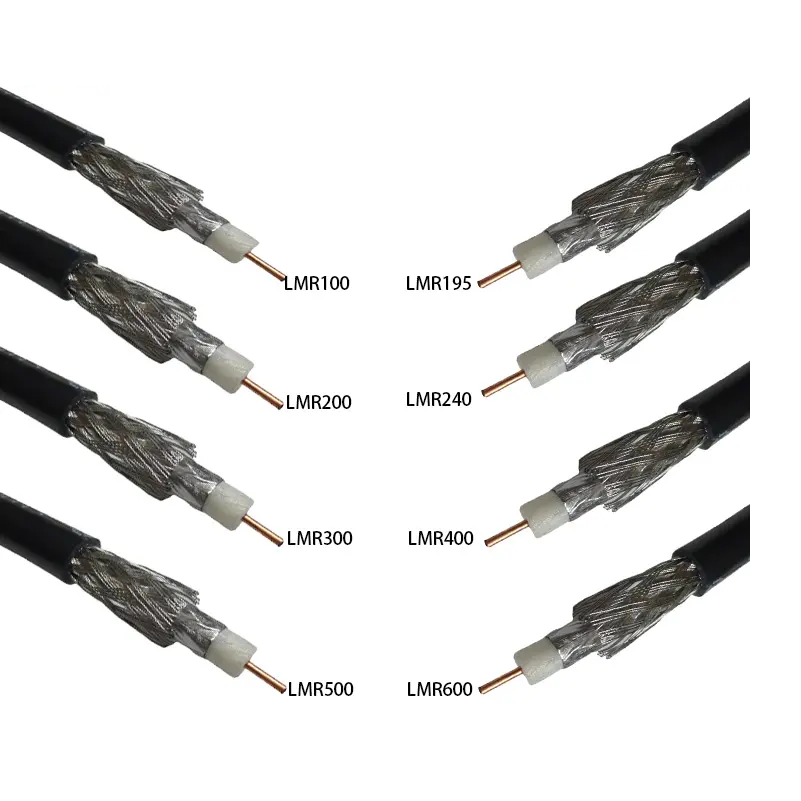
Why Are LMR400 Cables Popular in Cellular Infrastructure?
Key Advantages of LMR400 Cables in Cellular Infrastructure
Low Signal Attenuation at High Frequencies
LMR400 cables are renowned for their remarkably low signal attenuation, making them particularly suitable for high-frequency applications such as cellular networks. Signal integrity is a critical factor in these networks, and the ability of LMR400 cables to maintain robust signals over long distances due to their low attenuation rates is a significant advantage. For example, these cables exhibit an attenuation as low as 0.2 dB per 100 feet at 700 MHz. This low attenuation ensures enhanced overall system performance even in urban environments where obstacles and distance could otherwise exacerbate signal loss. With this capability, cellular network operators can rely on LMR400 to support ongoing communication needs without compromising signal quality.
Enhanced Power Handling for Long-Distance Transmission
The design of LMR400 cables is particularly adept at handling high power levels, which is essential for long-distance transmission. These cables can accommodate higher wattages, reaching up to 100 watts for short bursts, thus providing reliability for applications like mobile base stations and repeaters that demand consistent power. This enhanced power handling reduces the requirement for additional signal amplifiers, which in turn lowers both the complexity and cost of installations. By streamlining the setup process, LMR400 cables offer a cost-effective solution while ensuring robust performance even in extended transmission scenarios.
Superior Shielding Against Electromagnetic Interference
LMR400 cables feature advanced shielding design that offers superior protection against electromagnetic interference (EMI). This capability is critical in densely populated areas where multiple signal sources could otherwise lead to noise and signal degradation. The cables achieve this through a combination of foil, braid, and dielectric materials that effectively mitigate EMI, ensuring strong and clear signal transmission. Additionally, this level of shielding prolongs the lifespan of the cable while enhancing the overall reliability of the cellular system. As such, LMR400 cables are a preferred choice for installations in urban areas where EMI can be a significant concern, safeguarding against disruptions in cellular network performance.
Critical Role of Coaxial Cable Connectors in LMR400 Systems
N-Type Connectors: Ensuring Secure RF Connections
N-Type connectors are integral to LMR400 systems, providing secure and robust RF connections that are crucial for maintaining signal strength. These connectors are designed with a threaded coupling mechanism, ensuring a stable connection that minimizes any potential signal loss during transmission. The threaded design is not only easy to assemble but also helps in avoiding accidental disconnects that could compromise signal integrity. Furthermore, their durability makes N-Type connectors suitable for outdoor installations where exposure to weather elements is a concern, ensuring that systems remain reliable and efficient even in challenging environments.
Couplers and RF Adapters for Flexible Network Expansion
Couplers and RF adapters are essential components for enabling network expansion and flexibility in LMR400 systems. They facilitate seamless integration of additional equipment or multiple systems, addressing evolving network requirements without extensive reconfiguring. Couplers and RF adapters allow for the connection of various antenna types, ensuring operational efficiency and adaptability as technology progresses. This flexibility is particularly valuable in dynamic environments where network demands can change rapidly, requiring quick responses to maintain optimal performance.
Cable Clamps for Vibration Resistance in Tower Installations
Cable clamps are indispensable in LMR400 installations, especially within tower setups, due to their ability to provide significant vibration resistance. Proper use of cable clamps prevents excessive movement and strain on cables, which could lead to wear or signal degradation over time. This is especially critical in installations exposed to high winds or urban areas where vibrations and environmental factors can negatively affect cable longevity and performance. By securing cables firmly, cable clamps help maintain the integrity of the system and ensure consistent signal quality, reducing maintenance costs and downtime.
LMR400 vs RG213: Performance Comparison in Cellular Networks
Attenuation Differences Across Frequency Bands
LMR400 and RG213 cables exhibit notable differences in attenuation across frequency bands, impacting signal reliability in cellular networks. Typically, LMR400 cables demonstrate lower attenuation rates, making them the preferred choice for high-frequency applications. For instance, at 1 GHz, LMR400 shows about 4.1 dB of loss, whereas RG213 can show as high as 8.2 dB of loss. This characteristic is crucial for network planners seeking efficient cellular infrastructure, where reduced attenuation directly contributes to maintaining robust signal transmission.
Durability in Harsh Outdoor Environments
When considering durability in outdoor environments, LMR400 cables stand out compared to RG213 due to their robust construction. LMR400 is designed with superior outer jackets and materials, such as polyethylene, to withstand harsh conditions, reducing the likelihood of damage. This feature not only minimizes maintenance efforts but also enhances the lifespan of installations, making LMR400 a reliable choice for environments exposed to weather-related challenges. In contrast, RG213's PVC jacket offers less protection, necessitating more frequent maintenance.
Total Cost of Ownership Over 10+ Year Lifespan
Analyzing the total cost of ownership (TCO) reveals that despite higher initial costs, LMR400 cables are economically advantageous over a 10+ year lifespan. Factors contributing to this include lower maintenance needs and enhanced durability, resulting in long-term savings. For businesses aiming to optimize network investments, understanding these TCO dynamics is essential. Even though RG213 may appear more economical upfront, its susceptibility to signal loss and environmental deterioration may lead to higher lifetime costs compared to LMR400.
Installation Best Practices for LMR400 Cellular Deployments
Optimizing Bend Radius Without Signal Degradation
Maintaining an appropriate bend radius is crucial during the installation of LMR400 cables to prevent signal degradation. Best practices suggest that the bend radius should be no tighter than 10 times the cable diameter to preserve signal integrity. By adhering to this guideline, installers can minimize potential issues such as increased attenuation and interference. Furthermore, maintaining proper bend radius ensures efficient signal transmission across the entire cable length, thus supporting the high-frequency demands of today’s cellular networks.
Weatherproofing Techniques for Coastal/Rural Sites
Implementing weatherproofing techniques is essential for LMR400 installations, particularly in coastal or rural environments where moisture is a pressing concern. Utilizing specialized weatherproof connectors and sealants plays a pivotal role in shielding the cables from corrosion and moisture intrusion. This practice not only enhances the reliability of the cable installations but also extends their lifespan, especially when dealing with extreme weather conditions. Proper weather protection ensures consistent performance and reduces maintenance needs over time.
Grounding Strategies for Lightning Protection
Effective grounding strategies are indispensable for protecting LMR400 cable systems from the severe impacts of lightning strikes. Establishing a robust grounding system can efficiently divert electrical surges away from sensitive equipment and cables. Incorporating surge protectors into the installation further bolsters these safety measures, thereby ensuring operational consistency and extending the life of the network components. This approach is fundamental in mitigating the risk of damage and preserving the functionality of cellular infrastructure during adverse weather conditions.
