 EN
EN

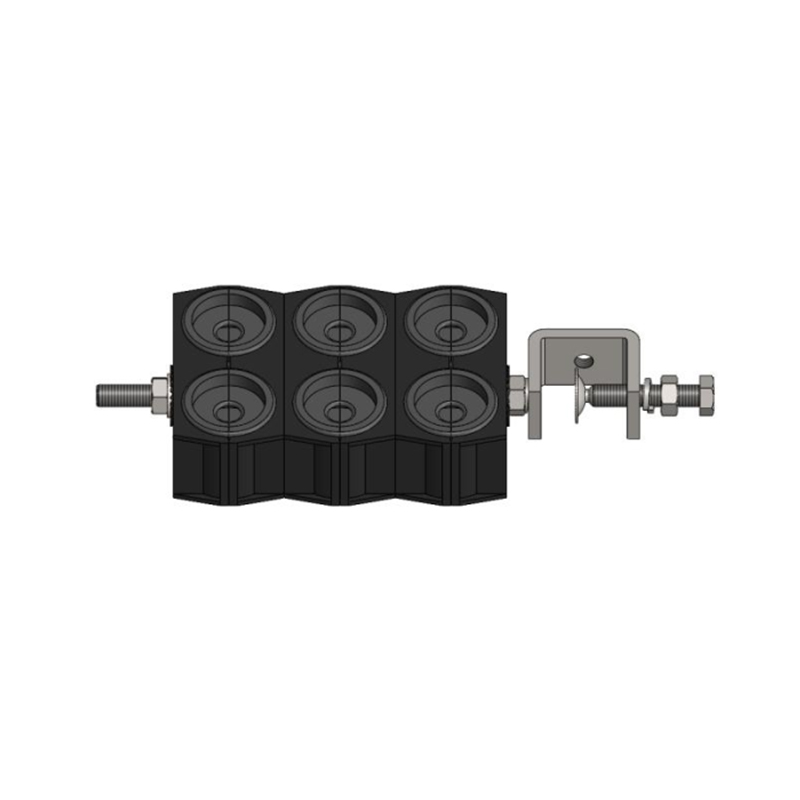
The Critical Role of Cable Clamps in Modern Installations
Ensuring Signal Integrity Through Secure Fastening
Secure fastening plays a pivotal role in maintaining stable signal transmission across various cable types. By using cable clamps, we can significantly minimize movement and vibrations; these are often the culprits behind noise and signal loss issues. For instance, a study published in the Journal of Electrical Engineering emphasized that installations employing consistent cable fastening techniques exhibit notably higher performance metrics. Secure connections are vital for ensuring signal integrity, especially in environments prone to physical disturbances. Best practices for aligning cable clamps involve ensuring they are uniformly distributed and tightly secured to prevent even minor shifts, which can adversely affect signal quality.
Preventing Cable Damage and Wear Over Time
Cable clamps are indispensable for shielding cables from abrasion and bending, effectively reducing wear over time. Improper securing methods can lead to common cable failure modes such as fraying or excessive bending, which compromise cable longevity. Cables that are not correctly fastened are subjected to increased wear and tear, resulting in elevated maintenance costs. For example, inadequately secured cables can lead to a 30% increase in maintenance expenses over a five-year period. Implementing regular maintenance protocols, including the inspection and, if necessary, replacement of cable clamps, can ensure prolonged cable life and reduced repair costs. Establishing a routine check every six months to assess cable integrity and proper clamp functionality is a recommended practice for optimal cable damage prevention.
Cable Clamp Applications in Network Infrastructure
Integration with SMA Adapters and N-Type Connectors
Cable clamps play a pivotal role in integrating SMA adapters and N-Type connectors, especially in telecom applications. By ensuring a stable fit, these clamps guarantee reliable joint performance, crucial for maintaining signal integrity in high-frequency networks. For instance, when appropriate cable clamps are utilized, they help prevent disconnections and mitigate signal loss. Industry standards, such as those set by TIA/EIA, recommend specific clamping techniques for optimal signal transfer. By aligning clamps carefully and choosing the right type for each connector, network stability is significantly enhanced.
Supporting Structured Cabling with Cable Hangers
In structured cabling systems, cable hangers work in tandem with cable clamps to offer organization and support. These components are available in various configurations and sizes to cater to different networking needs, ensuring that cables remain organized and free from entanglements. Compliance with industry standards like ANSI/TIA-568 is crucial, as they dictate the use of specific cable management techniques, including the proper application of cable hangers, to avoid cable stress and maintain system longevity in commercial installations.
Coordinating with Couplers for Seamless Connections
To achieve seamless cabling connections, couplers rely on the proper support provided by clamps. Installing the right type of clamp ensures the necessary tension levels and correct orientation, which are key factors in avoiding connection loss. It's vital to select clamps that suit the coupler's design and intended use. For example, using a clamp with adjustable tension can adapt to various coupler designs, ensuring a more secure and dependable network connection. Proper coordination between these components is critical for maintaining the efficiency and reliability of network infrastructures.
Types of Cable Clamps for Communication Systems
Adjustable Mounting Clamps for Variable Loads
Adjustable mounting clamps serve as versatile solutions for dynamic environments where cable loads vary significantly. These clamps are designed to adapt to different cable sizes and weights, making them ideal for communication systems that experience fluctuating loads. Their functionality is enhanced by mechanisms that allow easy adjustments, ensuring secure cable fastening regardless of the size or type of cable. An anecdotal case study from a telecommunications project demonstrated the effectiveness of these clamps, as they provided robust support, preventing cable sagging or tension loss. Adjustable clamps are crucial in maintaining organized and efficient networks, especially in cases where cable configurations change frequently.
Heat-Resistant Clamps for High-Density Environments
In high-density environments such as data centers and industrial plants, heat-resistant clamps are essential for effective thermal management. These clamps are typically constructed from materials like stainless steel and advanced polymers, known for their high temperature tolerances. They ensure that cables remain securely fastened even in elevated temperatures, preventing any risk of overheating or cable insulation damage. Industries that rely on continuous data transmission demand these clamps to safeguard their systems, as they offer reliability and durability. Heat-resistant clamps thus play a vital role in maintaining system integrity and preventing operational interruptions.
EMI-Shielded Clamps for Sensitive Data Lines
EMI-shielded clamps are critical in safeguarding sensitive data lines from electromagnetic interference, enhancing data transmission integrity by minimizing external disruptions. These clamps are particularly important in industries such as healthcare, aerospace, and telecommunications, where data accuracy is paramount. By implementing EMI-shielded clamps, communication systems can avoid signal degradation and maintain the quality of data transfer, even in environments with high electromagnetic activity. The use of these clamps ensures that sensitive equipment remains protected, reducing the risk of interference-induced errors or data loss, and thus supports the reliability of critical operations within these sectors.
Selection Criteria for Optimal Cable Management
Material Compatibility with Network Components
Selecting cable clamps made from compatible materials is crucial to prevent degradation and corrosion, which can impair the integrity of communications systems. Certain materials offer enhanced corrosion resistance and durability, ensuring longer lifespans for network components. Expert recommendations often suggest choosing materials like stainless steel or UV-resistant polymers, especially in environments exposed to harsh conditions. These combinations have proven successful across various sectors, where they contribute to enhanced performance and resilience against environmental stressors. For instance, stainless steel clamps are widely used in marine applications due to their superb resistance to saltwater corrosion.
Load Capacity vs. Cable Bundle Sizes
Understanding the required load capacity for different cable bundle sizes is essential for effective cable management. Determining the appropriate load capacity involves evaluating cable specifications and ensuring that clamps can adequately support them. Guidelines for checking load ratings are another key consideration, as mismatches can lead to critical failures. Exceeding load capacities can cause significant damage, with incident reports highlighting scenarios where insufficient support led to system outages. According to a study in telecommunication networks, excessive load pressure has been linked to deformed connectors and compromised signal quality.
Environmental Factors: Moisture and Temperature
Environmental factors like moisture and temperature extremes significantly impact the performance of cable clamps. It's vital to assess these conditions carefully when selecting clamps, ensuring they possess suitable ratings for environmental resistance. Clamps with high resistance to moisture and temperature fluctuations are particularly beneficial in challenging operational settings. Industry-standard practices recommend using clamps with IP ratings that confirm their resilience in moist environments or temperature extremes. This approach helps maintain system integrity and prevent failures caused by adverse conditions. Data from industrial installations reveal that selecting the right clamps can reduce maintenance costs and prolong operational efficiency.
Installation Techniques for Maximum Reliability
Proper Spacing for Heat Dissipation
Spacing cable clamps properly is crucial for effective heat dissipation and preventing potential overheating of cables during operation. Proper spacing techniques help ensure that the cables do not retain excess heat, which can lead to failures. Research from electrical engineering sources highlights that incorrect spacing often leads to overheating, causing degradation in cable integrity and performance. One study conducted by the IEEE emphasized the importance of maintaining adequate space between cables to facilitate airflow and prevent heat buildup, which is essential for reliable network function.
Routing Cables Through Walls and Conduits
Efficient routing of cables through walls and conduits is essential to maximize space usage and ensure safety during installation. Recommended tools such as punch-down tools and crimping tools can aid in securely fastening cable clamps, minimizing the risk of loose connections. The installation process must adhere to code requirements specific to cable routing in commercial buildings. Ensuring compliance with these standards not only enhances safety but also ensures that the cables can accommodate future technological upgrades without requiring structural changes.
Stress Relief Methods at Connection Points
Implementing stress relief at connection points is vital to prevent cable strain and damage during operation. Different stress relief devices, such as cable hangers, clamp couplers, and SMA adapters, can be employed effectively to maintain cable integrity. Industry best practices advocate for incorporating these devices at strategic points to reinforce connections and mitigate strain. For instance, using n-type connectors and cable clamps with adequate load capacity can significantly reduce the likelihood of cable failure due to excessive tension. Adhering to these practices ensures reliable and robust connectivity in environments where cable movement or expansion is unavoidable.
Table of Contents
-
The Critical Role of Cable Clamps in Modern Installations
- Ensuring Signal Integrity Through Secure Fastening
- Preventing Cable Damage and Wear Over Time
- Cable Clamp Applications in Network Infrastructure
- Integration with SMA Adapters and N-Type Connectors
- Supporting Structured Cabling with Cable Hangers
- Coordinating with Couplers for Seamless Connections
- Types of Cable Clamps for Communication Systems
- Adjustable Mounting Clamps for Variable Loads
- Heat-Resistant Clamps for High-Density Environments
- EMI-Shielded Clamps for Sensitive Data Lines
- Selection Criteria for Optimal Cable Management
- Material Compatibility with Network Components
- Load Capacity vs. Cable Bundle Sizes
- Environmental Factors: Moisture and Temperature
- Installation Techniques for Maximum Reliability
- Proper Spacing for Heat Dissipation
- Routing Cables Through Walls and Conduits
- Stress Relief Methods at Connection Points
