 EN
EN

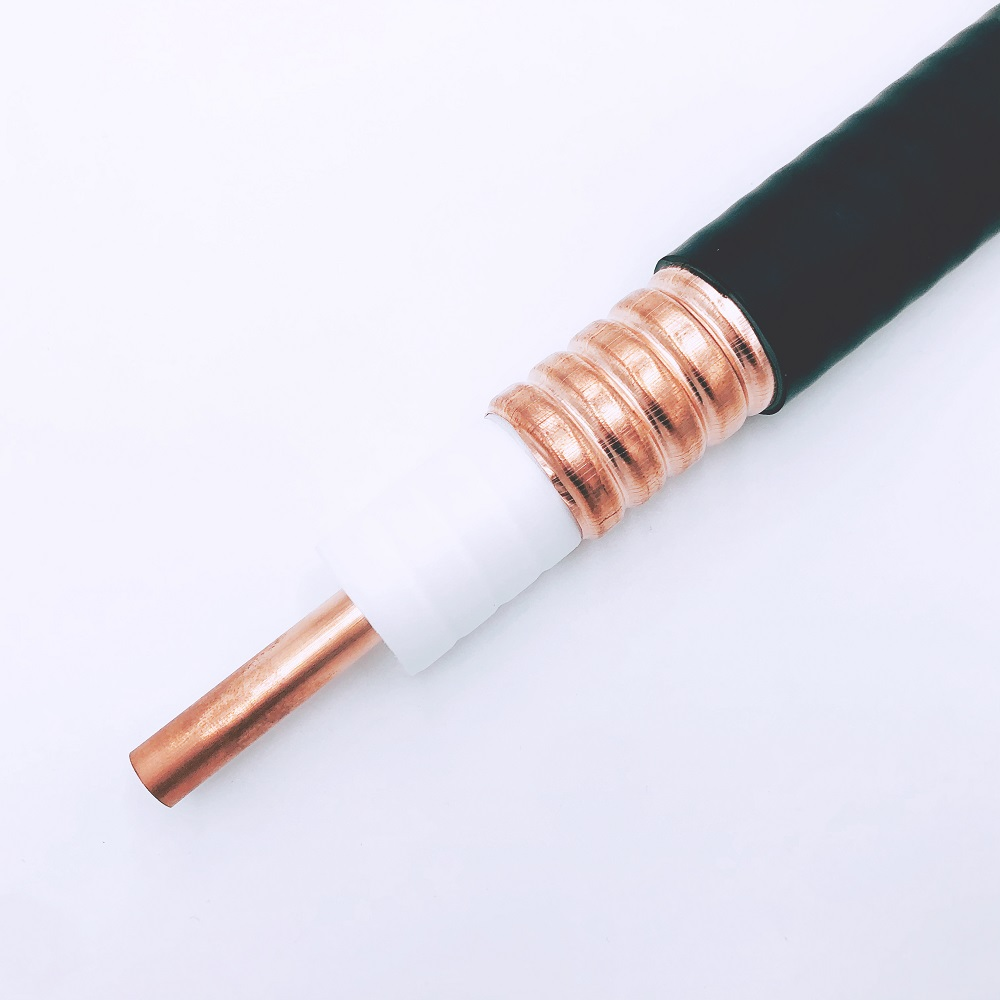
Core Components and Structural Design of Coaxial Cables
Inner Conductor Materials
The inner conductor is pivotal in determining the efficiency of signal transmission in coaxial cables, with common materials being copper and aluminum. Copper is celebrated for its excellent conductivity, often preferred in high-performance applications due to its superior ability to transmit signals with minimal loss. Aluminum, while less conductive than copper, offers a lightweight alternative, reducing overall load and cost, which is advantageous for large-scale operations. According to industry standards, copper remains the gold standard due to its proven durability and conductivity [Journal of Electrical Engineering]. Research emphasizes the choice of material as crucial for ensuring reliable performance, especially in demanding environments.
Dielectric Insulator Properties
The dielectric insulator in coaxial cables serves to maintain the integrity of signal transmission by influencing the cable's capacitance. Dielectric materials are instrumental in determining performance characteristics such as the loss tangent and dielectric constant, essential for evaluating a cable's capacity to retain signal quality. Foam-based dielectrics offer lower loss tangents, making them ideal for high-frequency applications, while solid plastics ensure robust performance in more challenging environments. Comparative studies reveal varying performance levels of dielectric materials under different conditions, underscoring the importance of selecting appropriate materials to enhance reliability and efficiency in signal transmission.
Shielding Layers and EMI Protection
Shielding layers in coaxial cables are crucial for safeguarding against electromagnetic interference (EMI), employing techniques such as foil and braided shielding. Foil shields provide a continuous barrier against external signals, while braided shields offer enhanced flexibility and protection. Effective shielding is imperative in high-frequency applications where signal integrity and a high signal-to-noise ratio are paramount. Statistics from real-world scenarios reveal that poor shielding can result in significant performance shortcomings, thus necessitating stringent shielding measures to ensure optimal functionality and minimal noise interference.
Outer Jacket Durability Considerations
The outer jacket of a coaxial cable is vital for protection against environmental stressors and physical damage. Materials such as PVC (polyvinyl chloride) and PE (polyethylene) are commonly used, each offering unique advantages. PVC jackets are known for their resistance to UV exposure, making them ideal for outdoor applications, while PE provides superior flexibility and resilience in various conditions. Data from industry tests highlight the longevity and consistent performance of these materials, underscoring their importance in safeguarding internal components and extending the cable's service life. Robust outer jackets are essential for maintaining the integrity of the cable, especially in harsh environments.
Coaxial Cable Types and Their Specialized Applications
RG Series for Consumer Electronics
The RG series is a popular choice for consumer electronics, especially for television and audio systems. These cables are designed for standard applications, providing reliable signal transmission for everyday use. Within the RG series, types like RG6 and RG59 have specific use cases tailored to different needs—RG6 is optimal for satellite and cable television due to its low attenuation and broad bandwidth, whereas RG59 is suitable for shorter distances or older TV setups. The performance specifications of these cables, including attenuation and bandwidth, are optimized for consumer electronics, ensuring efficient signal delivery.
LMR Cables in Telecom Infrastructure
LMR cables are essential in telecom infrastructure due to their construction and beneficial properties like flexibility and low attenuation. These cables are commonly used in telecom applications such as base stations and data centers, where reliable signal transmission is crucial. Their flexible nature allows for easy installation in complex environments, making them a preferred choice for varied telecom setups. The improved telecommunications networks, thanks to the implementation of LMR cables, showcase the practical advantages they offer, such as enhanced performance and reduced signal loss.
Military-Grade Coaxial Solutions
Military-grade coaxial cables are designed to meet stringent durability and reliability standards required in defense operations. Specific applications include communication systems in combat areas, where reliable connectivity is vital. These cables adhere to strict military standards and certifications, demonstrating their ability to perform under extreme conditions. This ensures that they provide dependable service in scenarios where robustness is not just an expectation but a critical necessity. Such standards guarantee that the highest level of performance is maintained, supporting secure and uninterrupted communications.
Impedance Matching for Optimal Signal Integrity
50 Ohm vs 75 Ohm Standards
The distinction between 50 Ohm and 75 Ohm coaxial cables is crucial in determining their suitability for different applications. 50 Ohm cables are typically used in RF communications where power delivery is essential, whereas 75 Ohm cables are commonly employed in consumer devices like televisions and audio systems due to their ability to minimize signal reflection. Using the wrong impedance can result in significant signal loss, leading to degraded performance and even system failure. Studies show that optimal impedance matching enhances signal transmission and minimizes energy loss across various scenarios. Such matching is vital for maintaining signal quality, especially in high-frequency applications where mismatches are particularly detrimental.
Impedance Mismatch Consequences
Impedance mismatch in coaxial systems can lead to several adverse effects, such as reflections and standing waves that distort signal transmission. For instance, a television using a 50 Ohm cable instead of a 75 Ohm may experience reduced video quality due to signal reflections. Reflections can significantly impair the strength and quality of transmitted signals, resulting in noise interference and loss of transmission power. According to signal processing experts, ensuring matched impedance across systems can mitigate these problems, maintaining system efficiency and reliability. Real-world examples, such as impedance analyzers used in broadcast setups, highlight the importance of precision in maintaining optimal performance.
Using Attenuators and Terminators
Attenuators play a critical role in managing signal levels, preventing overload by reducing the amplitude of signals passing through coaxial cables. They are essential in RF applications to manage power levels accurately. Terminators, on the other hand, serve to absorb signals at the end of transmission lines to prevent reflections. They ensure that circuits remain stable and efficient, minimizing signal loss and distortion. For optimal application, guidelines and specifications suggest using terminators rated for the specific transmission line's impedance. Implementing these components correctly can significantly improve signal management and overall performance in coaxial cable systems.
Advanced Shielding Techniques in Modern Coax Cables
Braided vs Foil Shield Designs
When it comes to shielding methods in coaxial cables, both braided and foil shields offer unique benefits tailored to specific environments. Braided shielding, composed of copper wire strands woven into a pattern, provides flexibility, making it ideal for situations requiring cable bending and movement. However, its coverage might be less comprehensive compared to foil shields. On the other hand, foil shields, typically made of aluminum, provide superior coverage against electromagnetic interference (EMI), making them suitable for high-frequency applications. Studies have shown that foil shielding is more effective in reducing noise and preserving signal integrity, particularly in digital communication settings. By choosing the appropriate shielding type, users can significantly enhance the performance of coaxial cables, especially in areas prone to EMI exposure.
Grounding Practices for EMI Reduction
Effective grounding techniques are vital in minimizing electromagnetic interference in coaxial cables. Proper grounding ensures that unwanted electrical noise is dissipated, maintaining clear signal transmission. One common mistake in grounding is the improper connection to the earth, which can inadvertently increase interference. To mitigate these issues, cables should be grounded at multiple points, adhering to expert guidelines from organizations like the Institute of Electrical and Electronics Engineers (IEEE). Recommendations include using high-quality ground connections and maintaining clean contact surfaces to reduce resistance. By implementing these best practices, one can significantly enhance cable performance against EMI, ensuring robust signal transmission across installations.
Cable Clamps and Strain Relief
Employing cable clamps is essential for maintaining an organized cable setup and preventing wear on coaxial cables. These clamps help secure the cables in place, reducing wear and tear and preventing tangling. Moreover, strain relief is crucial for prolonging cable life and maintaining signal integrity; it prevents damage caused by pulling or twisting. Installation best practices involve correctly positioning clamps to reduce stress on cable ends and using protective coverings to shield cables from sharp bends or excessive pressure points. By following these techniques, users can ensure the longevity and performance of their coaxial cable setup, contributing to a streamlined and efficient system.
Installation Best Practices and Connector Selection
Choosing Between F-Type and BNC Connectors
Selecting the appropriate connector is pivotal in ensuring optimal signal transmission, and F-Type and BNC connectors are among the most commonly used options. F-Type connectors are often favored for television antennas due to their ease of use and effectiveness in providing stable connections; they feature screw type mechanisms that simplify secure installations. Conversely, BNC connectors, known for their bayonet mechanism, excel in environments requiring frequent attachment and detachment, such as broadcasting equipment. The choice between these connectors largely depends on the application context, with F-Type offering straightforward installation while BNC guarantees quick and robust connections. Performance data suggests F-Type connectors are well-suited for routine, stable applications, whereas BNC connectors shine in dynamic settings.
Proper Use of Coaxial Couplers
Coaxial couplers play a crucial role in connecting cable segments while maintaining signal integrity. They ensure seamless integration of coaxial cables, especially in setups that require additional cable length or branching. It's essential that these couplers are rated correctly for the frequency range in use to prevent any loss of signal quality. Recommendations for best practices include verifying the compatibility of couplers with the signal frequency and ensuring tight connections to minimize signal degradation. By carefully selecting and using quality couplers, signal loss can be effectively managed, ensuring robust and uninterrupted data transmission.
Managing Signal Loss in Long Cable Runs
Deploying coaxial cables over extended distances necessitates strategies to mitigate signal loss. Utilizing high-quality connectors can significantly reduce loss, while opting for larger cable gauges can preserve signal strength over long distances. Effective installation techniques further minimize degradation, such as avoiding abrupt bends and ensuring connection points are securely fastened. Real-life examples have shown that meticulous installation practices, including choosing cables with appropriate shielding and thickness, can successfully manage signal loss in lengthy cable runs. Solutions that integrate load management and strategic positioning of attenuators can also play a key role in maintaining signal quality.
The best practices outlined here emphasize the importance of careful selection and installation strategies to maximize the performance and longevity of coaxial cable systems. By choosing the right connectors and couplers and managing signal loss effectively, you can ensure a stable and high-quality transmission for any application.
