 EN
EN

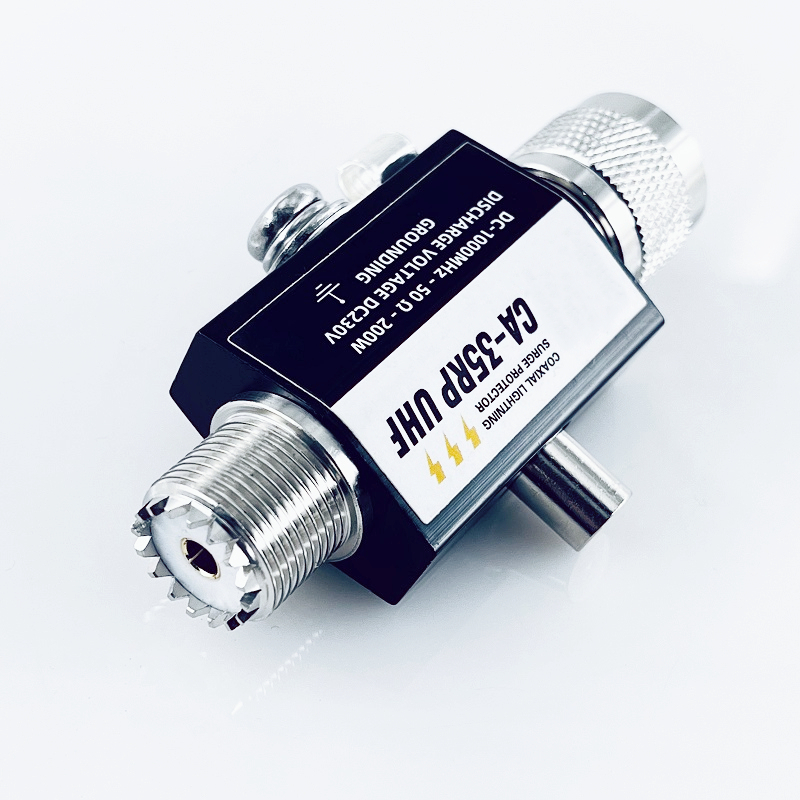
Can Lightning Arresters Protect Communication Equipment?
How Lightning Arresters Work to Safeguard Communication Systems
Understanding Voltage Surges in Communication Networks
Principle of Operation: Diverting High-Voltage Transients to Ground
Lightning arresters work by providing a path of least resistance to earth whenever there's an overvoltage situation. When components like gas discharge tubes detect too much voltage, they start ionizing in about 25 nanoseconds and can actually handle transient currents of around 100 kiloamperes before sending them safely to ground. Surge protection studies have shown this quick reaction keeps normal operating voltages well under what could damage sensitive electronic equipment. Many modern systems use multi stage approaches that mix traditional spark gaps with metal oxide varistors. These combinations tackle both those sudden voltage spikes and longer lasting overvoltage conditions pretty effectively across different industrial applications.
Response Time and Clamping Voltage: Key Performance Metrics for Lightning Arresters
Good surge protection really depends on arresters that can react within less than 100 nanoseconds while keeping their clamping voltages in line with what the equipment can handle. For telecom equipment specifically, top quality units keep those clamping levels under 1.5 kV mark. We've seen UL 1449 certified models hold up through around 15 thousand simulated surges, which gives engineers confidence when specifying these components. Most experts agree that setting the clamping voltage somewhere between 130 to 150 percent of the system's max voltage works best. This range offers solid protection against power spikes without messing too much with the signal quality, something network operators care deeply about for maintaining service reliability.
Key Applications of Lightning Arresters in Telecommunications Infrastructure
Protecting Telecommunication Towers from Direct and Induced Lightning Strikes
Communication towers deal with two main problems when it comes to lightning: actual strikes hitting them directly, and those pesky induced surges from lightning flashes nearby. When properly placed at the top of these towers, arresters manage to catch about 90% of those direct hits, channeling massive electrical currents above 50 kiloamperes down into the grounding system as per research published by IEEE last year. Induced surges are another story entirely though. These account for roughly 37 percent of all equipment damage seen on towers, but good quality arresters work wonders here too, keeping those sudden voltage spikes under control at around 500 volts or less which protects sensitive electronic gear at the base stations. Looking at data from the Federal Communications Commission in their latest 2023 findings, we find that towers with proper arrester protection saw nearly 78% reduction in failure incidents caused by surges compared to ones without any protection at all. That makes a pretty strong case for investing in this kind of safety equipment.
Surge Protection for Outdoor Antennas and Coaxial Feed Lines
Outdoor antennas and coaxial cables serve as primary entry points for surges, with 80% of signal line damage occurring within 100 meters of these components. Modern lightning arresters for communication ports are engineered with:
- <6 ns response time to clamp surges before equipment damage
- Frequency compatibility up to 6 GHz to prevent signal loss
- Minimum surge current capacity of 20 kA
These specifications ensure uninterrupted operation during storms while maintaining less than 0.5 dB insertion loss at 5G frequencies.
Integrated Protection Strategies: Combining Structural Rods with Electronic Arresters
Top-tier telecom operators implement layered defense systems:
| Protection Layer | Function | Performance Metric |
|---|---|---|
| Structural rods | Intercept direct strikes | 95% strike capture rate |
| Perimeter arresters | Divert bulk energy | 100 kA surge capacity |
| Equipment-level SPDs | Fine voltage clamping | <1,500V let-through |
This multi-stage strategy reduced surge-related downtime by 63% across a 12-month study of 150 cellular sites (CTIA 2024). Critical success factors include low grounding resistance (<5 Ω) and maintaining at least 30 meters of conductor spacing between protection layers.
Evaluating Lightning Arrester Specifications for Reliable Surge Protection
Surge Current Capacity and Energy Absorption Ratings
Surge arresters need to manage current surges over 100 kiloamperes as per IEC standards from 2023, all while maintaining their structural integrity. When it comes to energy handling capacity, we measure this in joules which tells us basically how much electrical shock a device can take before starting to break down. Take those coastal telecom stations for instance where lightning strikes are common. Field tests show that when installers went with arresters rated at least 40 kilojoules instead of cheaper options, they saw around 72 percent fewer problems caused by voltage spikes. Makes sense really since these areas face constant threats from weather related electrical disturbances.
Matching Operating Frequency to Prevent Signal Degradation
Getting the right arresters for the system frequency matters a lot in practice. When working with RF gear running at 900 MHz, we need arresters that show less than 0.5 ohms impedance at that specific frequency to keep those pesky signal reflections at bay. A recent field test back in 2022 showed just how bad things can get when mismatch happens - folks saw around 18% signal loss across several 5G small cell installations. Most seasoned engineers will tell you that sticking to frequency selective clamping techniques makes all the difference for maintaining clean, reliable high speed data transmissions without compromising performance.
Marketing Claims vs. Real-World Performance: What Data Says
Some companies tout their products as having complete protection against lightning strikes, but real world tests tell another story. About one in four arresters don't actually hit the voltage specs they promise when subjected to those repeated power surges we see in actual storms (UL found this in 2023). Looking at what happens in practice helps clarify things. At 47 different telecom locations across the country, equipment that carries proper certification marks like IEC 61643-11 stayed functional for around 89% of the time during five years of operation. The non-certified gear? Not so good. Those installations saw their reliability drop down to just 54%. This gap between certified and uncertified products makes it pretty clear why smart businesses should always check for actual lab results before making big purchasing decisions.
Proven Effectiveness and Best Practices in Lightning Arrester Deployment
Case Study: Preventing Surge Damage in a Rural Telecom Station
At a small telecom facility out in rural Nebraska, they used to deal with around 12 equipment failures each year caused by power surges before putting in place a proper protection system. Once they installed lightning arresters along the coaxial cables and at the base of their towers - specifically Class I models capable of handling 100 kA surge currents and made sure everything was properly grounded - things changed dramatically. For three consecutive storm seasons, there weren't any surge incidents at all according to their maintenance logs. The voltage spikes stayed under 6 kV during this time, which is way below what would damage most networking gear like routers and switches. This kind of protection makes a real difference in keeping operations running smoothly through those unpredictable summer storms.
Data Insight: 78% Reduction in Equipment Failures Post-Arrester Installation (FCC Report)
According to a study done by the FCC back in 2022 looking at around 450 different tower locations, when they installed those IEEE 1410 compliant arresters, there was actually a pretty impressive drop in equipment failures caused by lightning strikes. The numbers showed about a 78% decrease overall. What made these new arresters work so well? Mainly because they respond almost instantly within fractions of a microsecond and keep voltage spikes under control with ratios staying below 2 to 1. That beats the old gas discharge protectors hands down, giving them about 40% better protection. And get this - when technicians added shielded cables along with these modern arresters, the failure rate went way down too. We're talking only about half an incident happening at each site every single year on average.
Strategy: Layered Surge Protection Using Primary and Secondary Defense Stages
Leading operators deploy a two-stage protection model:
- Primary Protection: Lightning rods positioned every 50 meters intercept direct strikes, while shield wires divert induced surges before they reach critical infrastructure
- Secondary Protection: Multistage surge protective devices (SPDs) clamp residual transients to below 1.5 kV
In a 5G backhaul network case study, this approach reduced surge energy exposure by 94%, with primary systems handling 90% of the energy and secondary arresters managing the remainder. Annual verification of ground resistanceâconsistently maintained below 5 Ωâwas key to long-term effectiveness.
FAQ Section
What are lightning arresters used for?
Lightning arresters are used to protect communication systems from high-voltage transients caused by lightning strikes.
How fast can lightning arresters react?
Lightning arresters can react within less than 100 nanoseconds to keep equipment safe from voltage surges.
Why is grounding important in lightning arrester systems?
Proper grounding ensures that the massive electrical currents are safely diverted to the earth, minimizing the risk of damage to sensitive equipment.
Are all lightning arresters equally effective?
No, the effectiveness of lightning arresters can vary. Those with proper certifications tend to perform significantly better in real-world tests.
Table of Contents
- How Lightning Arresters Work to Safeguard Communication Systems
- Key Applications of Lightning Arresters in Telecommunications Infrastructure
- Evaluating Lightning Arrester Specifications for Reliable Surge Protection
- Proven Effectiveness and Best Practices in Lightning Arrester Deployment
- FAQ Section
