 EN
EN

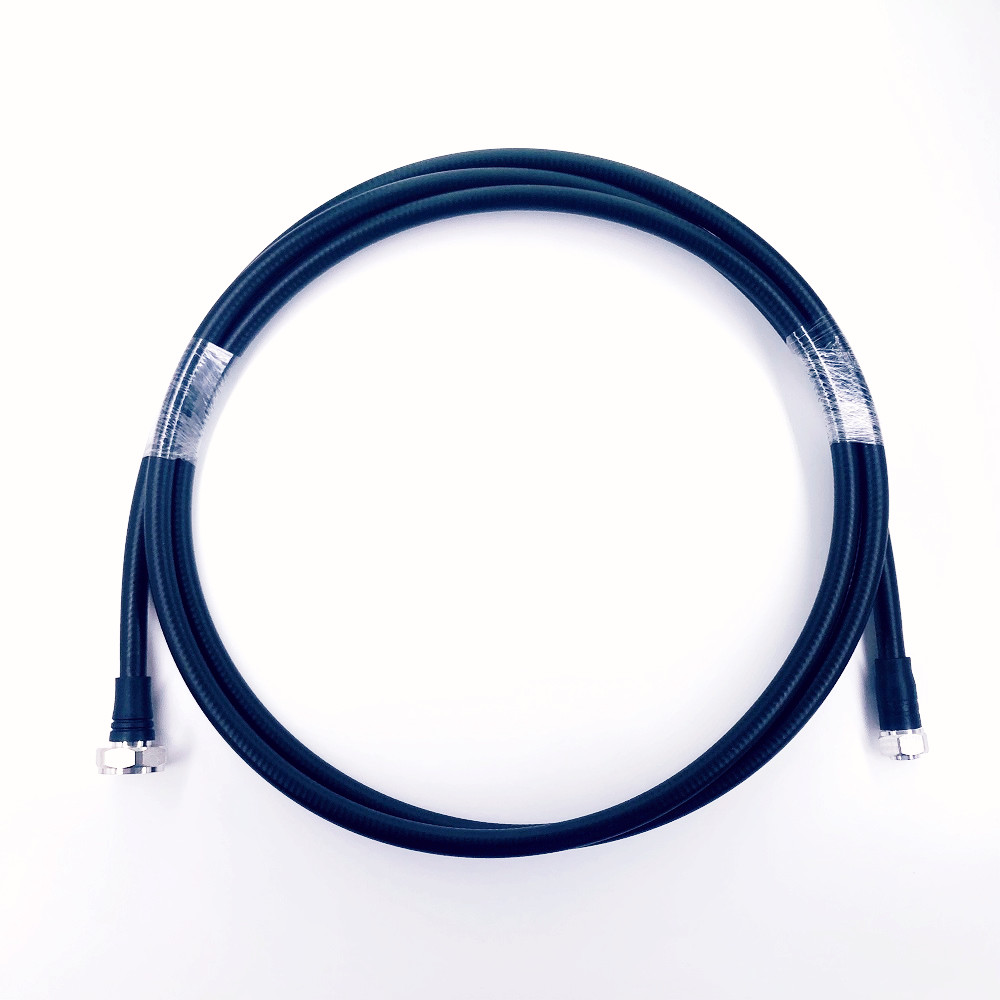
Understanding Custom Cable Assemblies for Specialized Applications
Defining Custom Cable Assemblies: Beyond Off-the-Shelf Solutions
Custom cable assemblies offer tailored solutions designed to meet specific needs, setting them apart from standard, off-the-shelf products. These assemblies are crucial for applications where standard cables fall short, such as in harsh environments or specialized industries. Unlike mass-produced cables, custom assemblies are engineered with precise considerations for electrical specifications, mechanical requirements, and environmental factors. This bespoke approach ensures that each custom cable assembly performs optimally, delivering improved durability and functionality.
Custom cable assemblies play a critical role in unique scenarios, such as military installations, medical devices, and industrial automation, where precise performance and reliability are non-negotiable. By accounting for nuanced requirements like exact length, specific insulation materials, or unique connector types, these assemblies provide solutions that standard cables simply cannot match. This meticulous design process results in enhanced longevity and effectiveness, catering precisely to the demanding conditions of specialized applications.
Key Components: Coaxial Cables, Jumper Cables, and Couplers
Coaxial cables are vital components for high-frequency signal transmissions, especially within telecommunications and broadcasting. These cables offer superior protection against interference and signal loss, thereby ensuring crisp and reliable communication. Essential in applications ranging from broadband internet to cable television, the robust design of coaxial cables is indispensable for maintaining connection quality over long distances.
Jumper cables serve an equally critical function within systems by connecting various components, ensuring seamless power or signal transfer. These cables are particularly crucial in automotive and electronic systems where connection reliability is a must. Similarly, couplers are integral in these environments, designed to connect two cables without compromising signal integrity. They reduce signal loss, thereby enhancing the overall reliability and efficiency of the system, making them indispensable in both technical and everyday applications.
Telecommunications: High-Frequency Coaxial Cable Systems
High-frequency coaxial cable systems are crucial for telecommunications, serving as the backbone for fast data transmission. These systems must adhere to rigorous standards for performance and reliability, often dictated by industry specifications. For instance, the rise of 5G networks has underscored the demand for advanced coaxial solutions, as they are essential for supporting the rapid, high-bandwidth data exchange required by modern telecommunications infrastructure. The global transition to 5G highlights the indispensable role of high-frequency coaxial cables in facilitating robust and efficient communication networks.
Automotive: Load-Resistant Harnesses and Clamp Integration
In the automotive industry, load-resistant cable harnesses are essential to guarantee durability and dependability under fluctuating load conditions. The incorporation of cable clamps within vehicles plays a pivotal role in reducing cable movement, thereby minimizing wear and tear and enhancing both longevity and safety. These custom assemblies adhere to stringent automotive standards that ensure they can withstand extreme temperatures and vibrations. As vehicles become more technologically advanced, the importance of meticulously designed cable harnesses and clamps grows, directly impacting vehicle performance and safety.
Industrial Automation: Ruggedized Jumper Cables for Heavy Machinery
Ruggedized jumper cables are specifically engineered to withstand the harsh environments encountered in industrial automation. These cables must exhibit exceptional resilience against corrosion, mechanical stress, and wear while maintaining operational effectiveness. Rigorous testing protocols are implemented to ensure that these jumper cables can meet and exceed the required durability and performance specifications for use in heavy machinery. As industrial automation progresses, the demand for reliable and robust cable solutions that can endure challenging conditions continues to increase, underscoring their critical role in maintaining seamless operations.
Design Considerations for Optimal Performance
Material Selection for Extreme Environments
Selecting appropriate materials is vital for cable assemblies operating in extreme environments. This is especially true for conditions characterized by high temperatures, moisture, or chemical exposure, where durability becomes paramount. Materials such as Teflon and nylon are preferred for their superior insulating properties and resistance to harsh conditions. For instance, Teflon's non-reactive nature protects against chemical exposure, while nylon's resilience ensures durability. Making informed material choices can significantly enhance the longevity and lifecycle of cable assemblies, ensuring they perform reliably under adverse conditions.
Cable Clamp Integration in Vibration-Prone Settings
In settings prone to vibrations, integrating cable clamps effectively is crucial to prevent fatigue and potential cable failure. Properly designed clamps secure the cable in place, minimizing unnecessary movement while allowing flexibility in routing. A robust clamp design not only enhances the stability of the assembly but also ensures its longevity by reducing the risk of damage from constant vibrations. By mitigating such risks, the overall durability and effectiveness of the cable assembly are considerably improved, safeguarding the system from frequent breakdowns and maintenance issues.
Balancing Electrical Load and Signal Integrity
Balancing electrical load and maintaining signal integrity is crucial for the dependable operation of cable assemblies. This process involves careful consideration to avoid overspecification, which can be costly, and underspecification, which poses risks of system malfunctions. Utilizing simulation software can play a pivotal role in optimizing the designs to enhance electrical performance without incurring unnecessary expenses. This strategic approach not only ensures efficiency but also enhances the reliability of the assembly in various applications, preventing potential failures and ensuring seamless operation.
The Manufacturing Process: Precision Meets Flexibility
IPC/WHMA-A-620 Compliance in Assembly
Adhering to the IPC/WHMA-A-620 standards is pivotal in ensuring the high-quality assembly of cable products. These standards focus on aspects like consistency, reliability, and uniformity across manufactured cable assemblies. Industries such as defense and aerospace often require compliance as a marker of quality assurance due to the critical nature of their operations, where any failure could have significant consequences. Regular audits and continuous training are essential practices for maintaining compliance with these standards and ensuring that manufacturing practices are current and effective. By following these standards, manufacturers can assure customers that their products meet the highest quality benchmarks needed for coaxial cable assemblies and other complex wiring systems.
Testing Protocols for Coupler Reliability
Rigorous testing protocols are crucial in ensuring the reliability of couplers, which play a critical role in maintaining connections within cable assemblies. These protocols must simulate real-world conditions to effectively evaluate the performance of the couplers under various scenarios, such as temperature fluctuations or mechanical stress. Documenting these testing outcomes not only provides essential data for continuous improvement but also upholds stringent quality control measures. This documentation is instrumental in making informed decisions for product enhancements, thus ensuring that cable assemblies are both resilient and reliable, especially where they are expected to endure harsh environments or frequent use. Couplers tested under rigorous conditions guarantee better durability and performance.
Choosing the Right Custom Cable Assembly Partner
Evaluating Expertise in Coaxial and Jumper Cable Solutions
When selecting a custom cable assembly partner, it's essential to evaluate their expertise in coaxial and jumper cable solutions. The right partner should have a proven track record of handling complex projects and a robust portfolio that demonstrates past successes. This experience is especially crucial as coaxial and jumper cables often require precise engineering to ensure optimal performance in demanding applications. Client testimonials and referrals can also provide valuable insight into the partner's capabilities and reliability, offering a glimpse into their ability to meet customer expectations and deliver high-quality results.
Scalability for Evolving Load Requirements
A critical factor in choosing a custom cable assembly partner is their ability to scale solutions based on evolving load requirements. Industries today demand versatile and adaptive cabling solutions to keep pace with changing technological needs and market conditions. Therefore, it's vital to assess a partner's capacity for handling custom orders with quick turnaround times effectively. This scalability ensures that as your business expands or as new needs arise, your cable solutions can adapt without compromising on performance or reliability. A responsive partner with scalable capabilities can significantly enhance the continuity and efficiency of your operations.
Table of Contents
-
Understanding Custom Cable Assemblies for Specialized Applications
- Defining Custom Cable Assemblies: Beyond Off-the-Shelf Solutions
- Key Components: Coaxial Cables, Jumper Cables, and Couplers
- Telecommunications: High-Frequency Coaxial Cable Systems
- Automotive: Load-Resistant Harnesses and Clamp Integration
- Industrial Automation: Ruggedized Jumper Cables for Heavy Machinery
- Design Considerations for Optimal Performance
- Material Selection for Extreme Environments
- Cable Clamp Integration in Vibration-Prone Settings
- Balancing Electrical Load and Signal Integrity
- The Manufacturing Process: Precision Meets Flexibility
- IPC/WHMA-A-620 Compliance in Assembly
- Testing Protocols for Coupler Reliability
- Choosing the Right Custom Cable Assembly Partner
- Evaluating Expertise in Coaxial and Jumper Cable Solutions
- Scalability for Evolving Load Requirements
