 EN
EN


Understanding RF Cable Vulnerability to Electromagnetic Interference (EMI)
The Role of Electromagnetic Interference (EMI) in Coaxial Cables
RF signals get messed up when electromagnetic interference (EMI) causes unwanted currents to flow through coaxial cable conductors. These problems happen because outside electromagnetic fields from things like switching power supplies or nearby wireless transmitters actually interact with the inner conductor material. The result? Noise gets introduced into the system which messes with how information travels along the line. We've seen this issue especially bad in factories where people aren't using properly shielded RF cables. Data transfer speeds can drop by as much as forty percent in these situations because of all those pesky packet collisions caused by EMI. A recent study published in the Electromagnetic Compatibility Journal backs this up, showing exactly why shielding matters so much for reliable communication in tough environments.
Common Sources of EMI Affecting RF Signal Transmission
The main sources of EMI are power lines running at frequencies over 50 Hz which we often see in factories around town. Then there's all sorts of wireless stuff too like those Wi-Fi routers everywhere now and cell tower antennas. Don't forget about industrial gear either such as arc welders and those variable frequency drives used for motor control. All these things give off electromagnetic waves spanning from kilohertz right up to gigahertz ranges. When RF cables aren't properly shielded against this kind of interference, they get swamped pretty quickly. Take cities where radio frequency equipment is packed together tightly, signal quality drops significantly there. Measurements show signal to noise ratios fall somewhere between 15 and maybe 25 decibels worse than what we'd expect from properly protected setups.
How Unshielded or Single-Shielded RF Cables Fail Under High-Noise Conditions
Standard single-shielded RF cables with basic braided shielding usually manage around 60 to 70 percent coverage, which leaves tiny gaps where high frequency EMI can sneak right in. When we look at places like data centers or anywhere there's lots of electrical noise, these gaps cause real problems. Signal strength drops significantly, sometimes losing about 3 dB every meter when working at 2.4 GHz frequencies. That's where double shielding comes into play. These cables have multiple layers including both foil and braid shields that basically eliminate those gaps. The result? Much better protection against interference and consistently good performance no matter what frequency range is being used.
How Double Shielding Enhances RF Cable Anti-Interference Performance
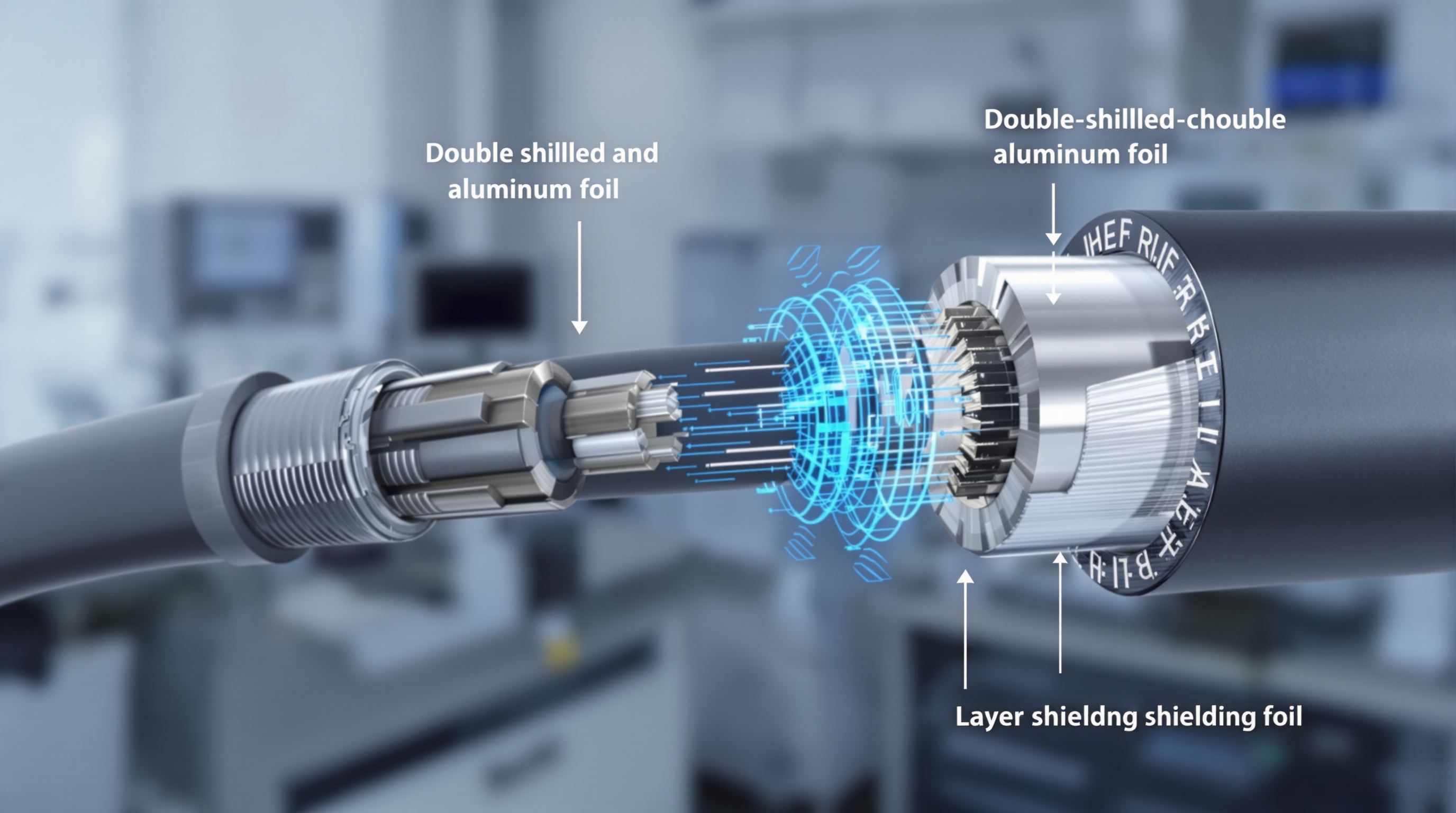
Braided and Foil Shields: Combined Defense in Double-Shielded RF Cables
RF cables with double shielding feature two layers working together to block interference. The outer layer is made of braided copper while the inner one consists of aluminum foil. Together they form what engineers call a dual defense system against all sorts of electromagnetic interference from both low and high frequencies. Single layer shields just don't cut it anymore because there are always those pesky gaps that let unwanted signals through. When we look at actual test results, double shielding typically provides between 40 to 60 dB better signal protection compared to regular single layer cables throughout the 1 to 10 GHz spectrum. For anyone dealing with RF systems these days, especially in areas packed with electronic devices, this kind of performance difference can make or break their entire setup.
Complementary Roles: Braid for Flexibility and Coverage, Foil for Complete Isolation
Braided shielding offers good mechanical strength while still being flexible enough to handle repeated bending without breaking down. But there's a catch with this woven design - about 5 to maybe 15 percent of the surface remains exposed. That's where the aluminum foil lining comes into play, creating what amounts to a full circle conductive layer around the cable. When these two components work together, they maintain signal quality even in tough environments. Think about cables running alongside powerful electric motors or close to cell towers and radio equipment in factories and communication hubs. These are exactly the kinds of places where electromagnetic interference becomes a real problem for data transmission.
Shielding Effectiveness Metrics: dB Attenuation Across Frequency Bands
Shielding effectiveness (SE) in double-shielded cables is measured in decibel (dB) attenuation, with performance varying by frequency band:
- Low-frequency EMI (1–100 MHz): 90–110 dB attenuation
- High-frequency EMI (1–10 GHz): 70–90 dB attenuation
These values exceed single-layer shields by 30–50%, validated under international EMC standards such as IEC 62153-4. Field deployments in 5G base stations show that double shielding reduces packet loss by 87% compared to foil-only designs during peak interference events.
Shield Integrity and Termination: Ensuring Continuous RF Protection
Why Shield Continuity Is Critical for Maintaining RF Signal Fidelity
Maintaining continuous shielding matters a lot when it comes to keeping good signal quality and stopping unwanted electromagnetic interference. Recent research from 2024 shows even tiny gaps measuring just half a millimeter can really mess up signals, causing degradation of around 24 decibels at frequencies hitting 6 gigahertz. When shields stay intact, they work kind of like those Faraday cages we all learned about in school, keeping outside noise out while trapping any radio frequency energy inside where it belongs. But when there are breaks in the shielding, these become accidental antennas instead. This leads to problems with cross talk between cables running together and creates serious risks of failing FCC Part 15 standards for emissions, which nobody wants especially not during product certification processes.
Impact of Poor Connector Termination on Double-Shielded RF Cable Performance
When termination isn't done right, those double shields stop working as they should and actually become resonant structures that make EMI problems worse instead of stopping them. Tests show something pretty shocking too - when there's poor bonding between the foil layer and the connector, ground loop currents jump up around 18 times higher than what we see in properly made RF cables. What happens next is even more concerning. These faulty connections turn into secondary sources of radiation themselves, which basically negates between 65% and maybe even 90% of all the protection that comes from having those two layers of shielding in place. That's a huge loss for anyone relying on these systems to block interference.
Case Study: Field Failure Analysis Due to Shield Discontinuity in Broadcast Systems
One of the big national broadcasters had serious problems with their wireless camera setup during live broadcasts last season, losing around 12% of data packets. After checking things out, engineers found that nearly nine out of ten cables had damaged foil shielding. Turns out these cables were being bent too much at corners and around equipment, way past what the manufacturer recommended for safe handling. When this happened, the damaged shielding let interference from nearby cell towers operating on Band 41 at 2.5 GHz frequencies start messing with the camera signals. The fix? They swapped out all those old cables for new ones with double layer shielding and proper termination points. This brought signal quality back up to acceptable levels, meeting industry standard requirements with about 98.7% protection against electromagnetic interference according to IEC 62153-4 specifications.
Applications and Trends: Where Double-Shielded RF Cables Deliver Maximum Value
Comparative Performance: Foil vs. Braid vs. Double Shielding in Real-World RF Environments
The type of shielding used makes all the difference when dealing with radio frequency applications where interference is a major concern. Foil shielding gives around 85 to 90 percent coverage and comes at a reasonable price point, but it doesn't hold up well when subjected to physical stress over time. Braided shielding stands out for its toughness and delivers better than 95 percent coverage, although there will still be small areas without complete protection. When manufacturers combine both foil and braid in double-shielded cables, they get incredible results with nearly 99.9 percent electromagnetic interference reduction in real world industrial conditions. These combined shields cut down on signal leakage by about 40 decibels compared to regular single layer options, which matters a lot in places like busy manufacturing plants or dense urban areas where 5G networks are constantly buzzing with activity.
Performance Across Frequency Ranges: From MHz to GHz in Modern RF Systems
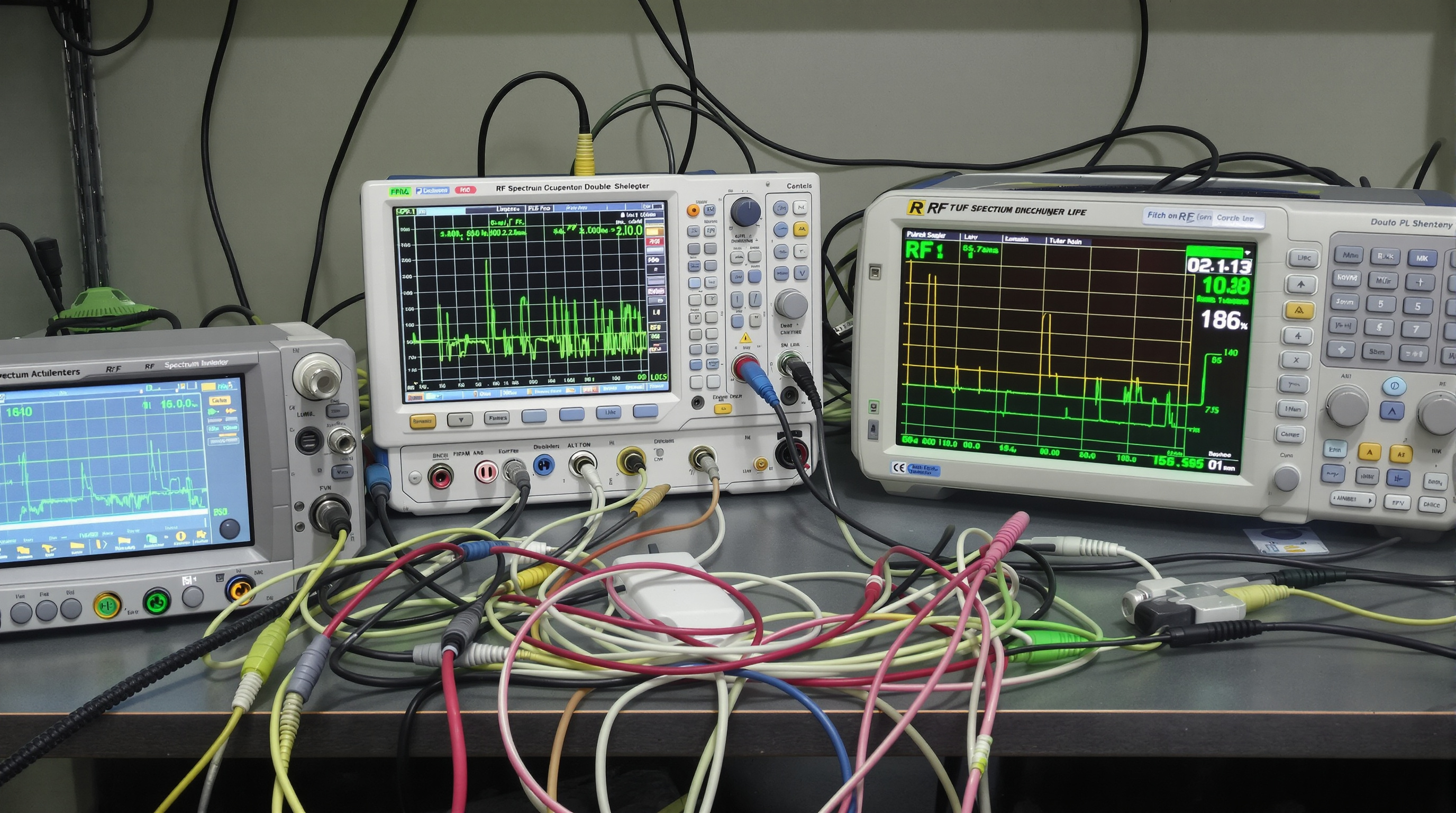
Double shielding maintains robust performance from 50 MHz to 40 GHz, meeting demands of multi-band 5G radios and military communication systems. Test data highlights its superiority:
| Frequency Band | Single-Shield Attenuation | Double-Shield Attenuation |
|---|---|---|
| 900 MHz | 65 dB | 85 dB |
| 2.4 GHz | 55 dB | 78 dB |
| 28 GHz | 32 dB | 63 dB |
The layered architecture mitigates skin effect limitations at high frequencies, a critical factor for millimeter-wave systems where even 0.1 dB loss can impair phased array antenna operation.
Growing Adoption in 5G, IoT, and High-Density RF Infrastructure
The number of 5G base stations is expected to go up three times by 2025, and already about two thirds of new small cells in cities are using these double shielded RF cables. What makes them so good? Well, they block interference coming from power lines as well as signals bouncing off nearby antennas, which matters a lot when dealing with IoT sensors that need really stable readings down at the microvolt level. Major cable manufacturers have noticed something interesting too. Cities that installed these better shielded systems saw around 22 percent fewer problems needing fixes compared to older braided cables. The difference shows up most clearly in areas packed with industrial IoT equipment or close to those electric car charging spots where electromagnetic noise tends to be worst.
Frequently Asked Questions
What causes electromagnetic interference in RF cables?
Electromagnetic interference is often caused by signal emissions from nearby electronic devices such as Wi-Fi routers, power lines, and industrial equipment, which interact with RF cables, introducing noise into the system.
What is the advantage of double-shielded RF cables?
Double-shielded RF cables provide significantly better protection against electromagnetic interference. They feature both braid and foil shields, delivering up to 99.9% EMI reduction compared to single-layer shields.
How can improper termination affect RF cable performance?
Poor connector termination can result in gaps that act as resonant structures, worsening EMI issues. It may even lead to increased ground loop currents, negating the shielding effectiveness of double-layer cables.
Why is regular maintenance of RF cables important in broadcast systems?
Regular maintenance ensures continued integrity of the shielding, preventing breaks which may introduce interference. This is crucial for maintaining high-quality signal transmission in dense electronic environments.
Table of Contents
- Understanding RF Cable Vulnerability to Electromagnetic Interference (EMI)
- How Double Shielding Enhances RF Cable Anti-Interference Performance
- Shield Integrity and Termination: Ensuring Continuous RF Protection
- Applications and Trends: Where Double-Shielded RF Cables Deliver Maximum Value
- Frequently Asked Questions
