 EN
EN

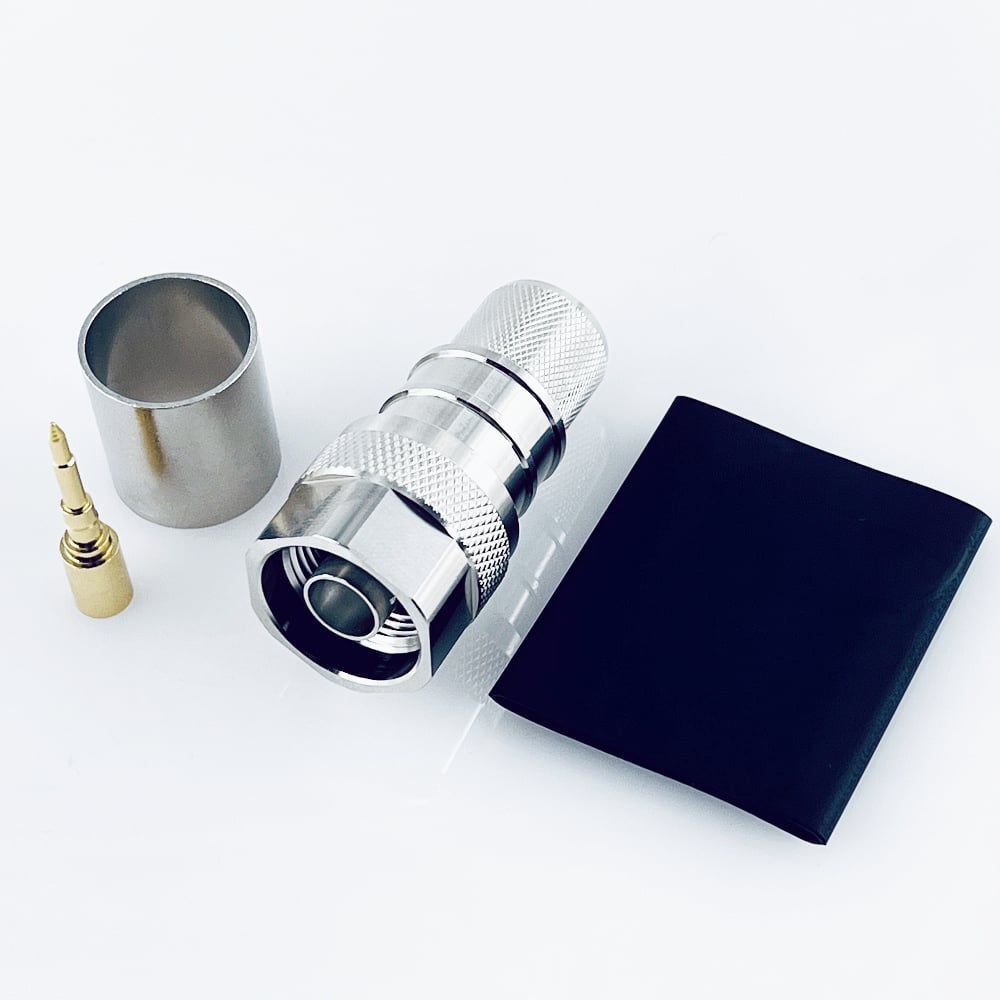
Why N Connectors Excel in RF Applications
Fundamental Design and RF Performance of N Connectors
Understanding N Connectors and Their Role in RF Systems
The N connector has become pretty much essential for dependable RF systems thanks to those threaded couplings and their ability to stand up against harsh weather conditions. Back in the 1940s when they first came on the scene, these connectors were built to handle frequencies all the way up to 18 GHz. Today's 50 ohm versions show up everywhere from cell tower installations to satellite dishes and various other applications where performance matters most. What makes them so good at what they do? Well, the air dielectric design plays a big role here by reducing those pesky impedance mismatches that can really mess with signal quality no matter what kind of environment they're operating in.
Key RF Performance Metrics: Insertion Loss, Bandwidth, and PIM Reduction
The effectiveness of N connectors is defined by three core metrics:
- Insertion loss: 0.15 dB at 3 GHz, meeting industry standards for low-loss performance
- Bandwidth: Up to 18 GHz with proper installation and torque control
- Passive Intermodulation (PIM): <-160 dBc in premium models, making them ideal for sensitive 5G infrastructure
| Connector Type | Typical Frequency Range | Insertion Loss @6 GHz | PIM Performance |
|---|---|---|---|
| N-Type | DC–18 GHz | 0.3 dB | -155 dBc |
| SMA | DC–18 GHz | 0.4 dB | -140 dBc |
| BNC | DC–4 GHz | 0.2 dB | N/A |
This data highlights the N connector’s superior balance of bandwidth and signal fidelity compared to alternatives like SMA and BNC.
How N Connectors Compare to Other RF Connector Types in Signal Integrity
SMA connectors show up all over small electronic devices, but when it comes to blocking interference, N connectors really shine with about 30% better shielding effectiveness (over 100 dB). This matters a lot in places where there's tons of electromagnetic noise around. The threaded design keeps things steady with a VSWR under 1.3:1 even after connecting and disconnecting 500 times, which is actually double what those bayonet BNC connectors can handle before their performance drops off. When working above 12 GHz frequencies, some folks turn to bigger options like 7/16 DIN connectors for more power handling capability, though these take up way more room on the PCB. That's why many engineers still reach for N connectors when they need to strike that balance between component size and signal integrity in their designs.
Environmental and Thermal Resilience in Harsh Operating Conditions
Performance under extreme temperatures: From -55°C to +165°C
N connectors are built to stay stable even when temperatures swing wildly. They incorporate materials that expand at similar rates when heated, which helps avoid mechanical stress points. The military grade versions really stand out here too, keeping insertion loss under 0.2 dB and VSWR around 1.3:1 ratio through extreme temperature tests ranging from minus 65 degrees Celsius all the way up to 175 degrees. These specs aren't just numbers on paper either. They translate into real world reliability for things like satellites orbiting Earth, radar systems deployed in combat zones, and cellular towers standing against harsh weather conditions where temperatures can jump dramatically within minutes.
Sealing and corrosion resistance in outdoor and industrial environments
The triple seal system includes O rings, hermetic glass metal seals, and nickel plated stainless steel housing to achieve IP68 protection standards. Gold plating on the contacts helps fight off sulfurization issues and prevents galvanic corrosion problems. After sitting through 1000 hours of salt fog testing, these contacts still maintain their resistance below 5 milliohms. What makes this design stand out is how the threaded connection keeps full 360 degree electromagnetic shielding intact, even when subjected to vibrations at 15 G forces. Because of this robust construction, N connectors work exceptionally well in challenging environments like coastal radar stations where salt air attacks equipment, as well as on cellular towers exposed to harsh weather conditions.
Case study: N connectors in aerospace and defense radar systems
Airborne radar systems rely on floating contact designs within N connectors to handle the expansion gaps between composite radome materials and metal feed structures. The nitrogen purging in these connections stops dangerous arcing when flying at altitude, keeping those pesky passive intermodulation signals well below the critical threshold of -155 dBc. Real world testing shows just how effective this approach is for fighter jets operating off aircraft carriers. These planes face brutal temperature swings every day, going from frigid -55 degrees Celsius up to scorching 125 degrees Celsius, yet maintain near perfect signal integrity with over 99.998% availability throughout their missions.
Mechanical Durability and Vibration Resistance for Mission-Critical Use
Testing vibration and shock resistance per MIL-STD-202 Method 214
N connectors need to pass strict testing standards before they can be used in aerospace and defense equipment. According to MIL-STD-202 Method 214, manufacturers subject them to intense vibrations ranging from 20 to 2000 Hz plus shock loads reaching as high as 50G. These grueling tests essentially fast forward through decades worth of potential field wear and tear in just six hours, making sure the connectors will hold up when things get really rough out there. Looking at industry numbers, connectors that meet these specs typically fail less than half a percent of the time even when exposed to continuous 15G vibrations over extended periods. That kind of reliability is critical where failures aren't an option.
The importance of mechanical stability and secure locking mechanisms
Threaded coupling prevents accidental disconnection in high-vibration settings—a key advantage over bayonet-style connectors. Critical features include:
- Spring-loaded contacts that sustain electrical continuity during ±2mm axial movement
- Three-stage engagement feedback (audible click, rotation resistance, torque limiter)
- Nickel-plated stainless steel shells capable of withstanding 40 lb·in torque without deformation
These elements ensure long-term mechanical and electrical stability in mission-critical systems.
Long-term reliability under repeated mating cycles and physical stress
Most N connectors can handle well over 500 mating cycles before showing any real signs of wear, keeping insertion loss pretty stable around 1.2 dB or less. According to military spec MIL-DTL-39012, those beryllium copper contacts still hold about 90% of their original springiness even after going through 10,000 thermal cycles from super cold -55 degrees all the way up to scorching hot 165 degrees Celsius. Gold plating on these contacts helps prevent that annoying fretting corrosion problem, and the specially designed tapered dielectrics actually soak up quite a bit of mechanical stress during operation. Field tests and lab studies looking at how materials resist fatigue have shown that these same durability rules work just as well in both aerospace and automotive environments. Especially important for keeping connections solid when systems experience constant vibrations above 15G RMS, which is common in many industrial settings.
Materials and Construction Behind High-Reliability N Connectors
Gold Plating for Superior Conductivity and Corrosion Resistance
Most high reliability N connectors come with gold plated contacts as standard equipment. These provide contact resistance below 5 milliohms and stop oxide buildup from happening. The gold plating typically ranges from 0.8 to 2.5 micrometers thick according to industry standards like IEC 60512-2023. Even after hundreds of mating cycles over time, these connectors keep insertion losses at around 2 decibels or less. Gold works better than alternatives like tin or nickel especially in harsh environments such as marine applications or industrial areas. Sulfur rich air tends to eat away at cheaper plating materials faster than it does gold, which remains stable even when exposed to corrosive conditions for extended periods.
Beryllium Copper vs. Phosphor Bronze: Fatigue Resistance and Spring Properties
Two primary alloys are used for spring components:
| Property | Beryllium Copper | Phosphor Bronze |
|---|---|---|
| Tensile Strength | 1,400 MPa | 600 MPa |
| Fatigue Cycles (MIL-STD-1344) | 25,000+ | 10,000 |
| Ideal Environment | High vibration | Moderate thermal cycling |
Beryllium copper is favored in aerospace due to its 35% higher yield strength, while phosphor bronze offers a cost-effective solution for fixed terrestrial deployments.
Material Selection Strategies Based on Deployment Environment
When dealing with equipment exposed to seawater, N connectors are built with gold contacts, stainless steel bodies, and Viton seals that cut down on corrosion problems. Studies from the Naval Engineering Journal back this up showing around a 60% reduction in failures compared to aluminum options. Moving to desert environments presents different challenges where INVAR alloys come into play. These special materials work well because they expand at similar rates to other components, keeping signal losses stable within about 0.1 dB throughout normal operation temperatures. For anyone working on these systems, checking manufacturer specs and industry standards becomes essential when deciding how thick coatings need to be or which insulating materials will stand up best against whatever conditions exist in their particular installation location.
Compliance, Installation, and Maintenance Best Practices
Meeting military standards: MIL-DTL-39012 and compliance in defense systems
When following the MIL-DTL-39012 specification, N connectors are built to handle strict standards around impedance stability, typically staying within ±0.5 ohms, while maintaining a voltage standing wave ratio below 1.25:1. These components also need to withstand harsh environments without failing. Contractors working on defense projects have found that when they stick to these specs, there's about a 40 percent drop in problems related to signal quality across their radar systems and communications equipment. The actual standard requires connectors to be made with nickel plated stainless steel casings and includes special seals that keep out moisture. This matters a lot for applications at sea or in aircraft where water damage can be catastrophic.
Proper installation techniques to avoid over-torque and misalignment
Correct installation is critical for optimal performance:
- Apply 12 in-lbs torque using a calibrated wrench to prevent dielectric damage
- Align keyways precisely to limit axial misalignment to under 0.005"
- Use silicone-based lubricants on threads to reduce galling and wear
Exceeding 15 in-lbs of torque can increase insertion loss by 0.3 dB at 10 GHz, directly impacting performance in 5G backhaul and satellite links.
Routine maintenance: Inspection, cleaning, and re-greasing for longevity
Regular maintenance extends service life and reduces field failures:
| Activity | Frequency | Tools | Performance Impact |
|---|---|---|---|
| Contact inspection | 6 months | 10X magnifier | Identifies pitting >50µm depth |
| RF pin cleaning | 12 months | Isopropyl alcohol swabs | Reduces PIM by 15 dBc |
| Thread re-greasing | 18 months | Silicone-based compound | Lowers mating force by 40% |
Telecom operators following these protocols reported 70% fewer failures in mmWave base stations over three years. Always use lint-free wipes to avoid contaminating sensitive RF pathways during cleaning.
FAQ
What are N Connectors?
N connectors are RF connectors that feature threaded couplings and are known for their ability to handle up to 18 GHz frequencies.
Why is PIM reduction important in N Connectors?
Passive Intermodulation (PIM) reduction is vital for minimizing signal distortion in sensitive applications, such as 5G infrastructure.
How do N Connectors perform in extreme temperatures?
N connectors maintain operational stability from -55°C to +165°C, ensuring reliable performance under rigorous conditions.
What materials are used in N Connectors for corrosion resistance?
N connectors often use gold plating, stainless steel bodies, and Viton seals for enhanced corrosion resistance.
Table of Contents
- Fundamental Design and RF Performance of N Connectors
- Environmental and Thermal Resilience in Harsh Operating Conditions
- Mechanical Durability and Vibration Resistance for Mission-Critical Use
- Materials and Construction Behind High-Reliability N Connectors
- Compliance, Installation, and Maintenance Best Practices
