EN

How to Choose a 5G Outdoor Antenna for Telecom Deployments
Choosing a 5g antenna outdoor solution is not simply a matter of ordering the highest-gain model on a catalog page. For a telecom deployment, the antenna has to fit the radio bands, the coverage objective, the MIMO architecture, the feeder system, and the physical site. Get one of those relationships wrong and a good-looking antenna specification can still produce uneven coverage, poor uplink performance, or an installation that is difficult to maintain.
This guide is written for equipment buyers, system integrators, and deployment teams evaluating outdoor antennas around DAS-adjacent and telecom coverage projects. The practical starting point is to define what the antenna must do at the site before comparing gain figures.
Start With the Coverage Objective, Not the Gain Number
The first question is simple: are you trying to reach a defined sector, fill a corridor or edge area, or provide broad local coverage? A directional panel antenna concentrates energy into a controlled area and is often useful when the serving direction is known. An omnidirectional antenna distributes energy around the mounting point and can suit more open, surrounding coverage requirements.
Higher gain is not automatically better. Gain is achieved by shaping the radiation pattern. That trade-off can be beneficial when the planned coverage zone matches the beam, but it can leave weak areas when the mounting direction, downtilt, or site geometry is wrong. In procurement reviews, ask for the radiation pattern and the stated polarization—not only the peak dBi figure.
Confirm Frequency Coverage Across the Entire RF Path
A 5g antenna outdoor selection should begin with the actual operating bands in the radio plan. Verify the antenna frequency range against present bands and any confirmed expansion bands, then check the related feeder cable, connector, lightning protection, and radio ports. A wide-band label is helpful only when the published range covers the frequencies the deployment will use.
For example, the matched product record for this 5G 698-3800 MHz RF outdoor panel antenna lists a 698-3800 MHz range and 7-8 dBi gain. Those figures may be relevant for projects operating within that range, but they still need to be compared with the site-specific frequency plan, port configuration, and coverage target. A specification that fits one deployment is not a universal replacement for engineering validation.
It is tempting to treat the antenna as an isolated component. It is not, quite. The installed performance depends on the RF chain as a system: impedance matching, connector quality, cable loss, cable length, and installation workmanship all matter.
Match Directionality, Polarization, and MIMO Requirements
For 5G systems using multiple signal paths, antenna ports and polarization need to align with the radio design. Cross-polarized arrangements, commonly expressed as ±45°, are frequently used to support MIMO implementations, but the required configuration must come from the radio and network design rather than a generic rule of thumb.
Here is a useful buyer question: how many RF ports and independent signal paths must the site support today, and what will change after an equipment upgrade? Document the required connector type, port count, polarization, and any spacing or orientation constraints before requesting quotations. That makes it much easier to compare technically equivalent options.
| Selection factor | What to verify | Why it matters |
|---|---|---|
| Frequency range | Coverage of every planned radio band | Avoids an antenna bottleneck in the intended operating band. |
| Radiation pattern | Beamwidth, direction, and downtilt needs | Determines whether energy is aimed where coverage is needed. |
| Polarization and ports | Radio/MIMO architecture and connector interfaces | Supports the intended signal paths without avoidable mismatch. |
| Gain | Published value together with pattern information | Shows the coverage trade-off rather than a single headline number. |
Evaluate Outdoor Survivability Before the Installation Date
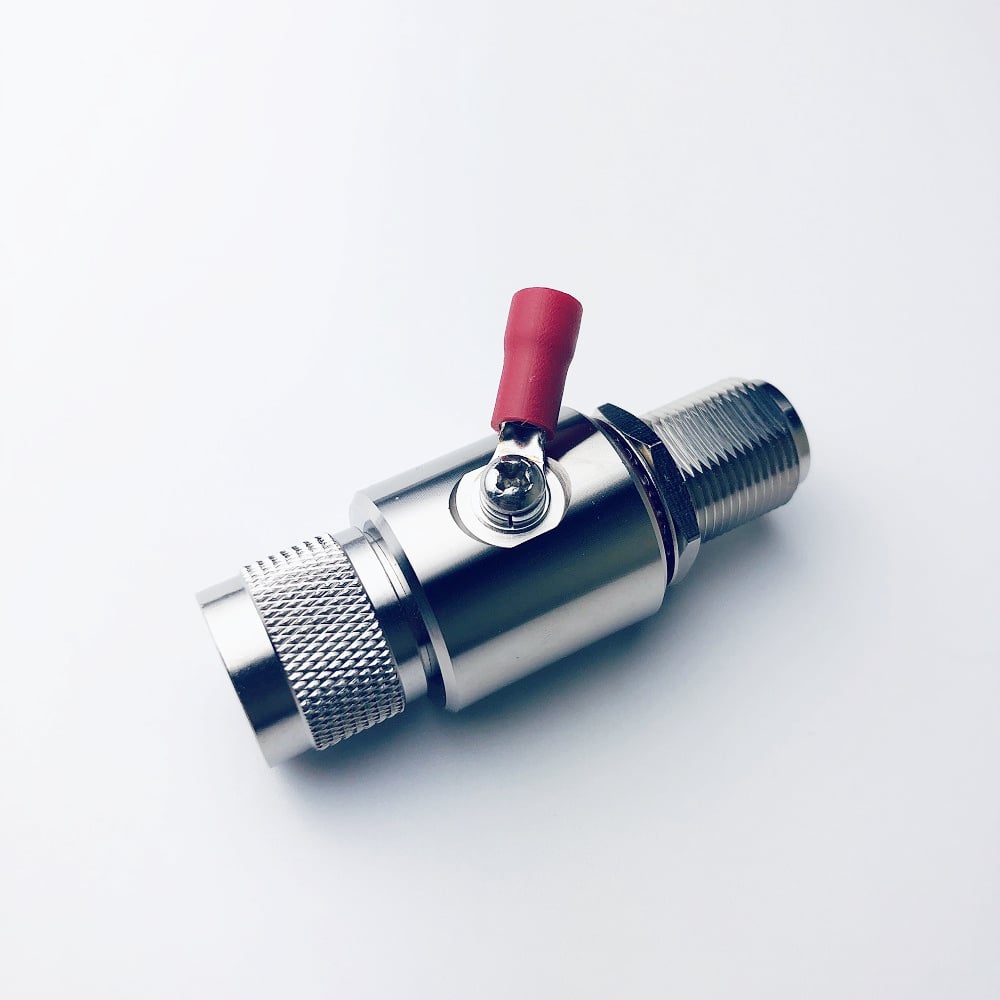
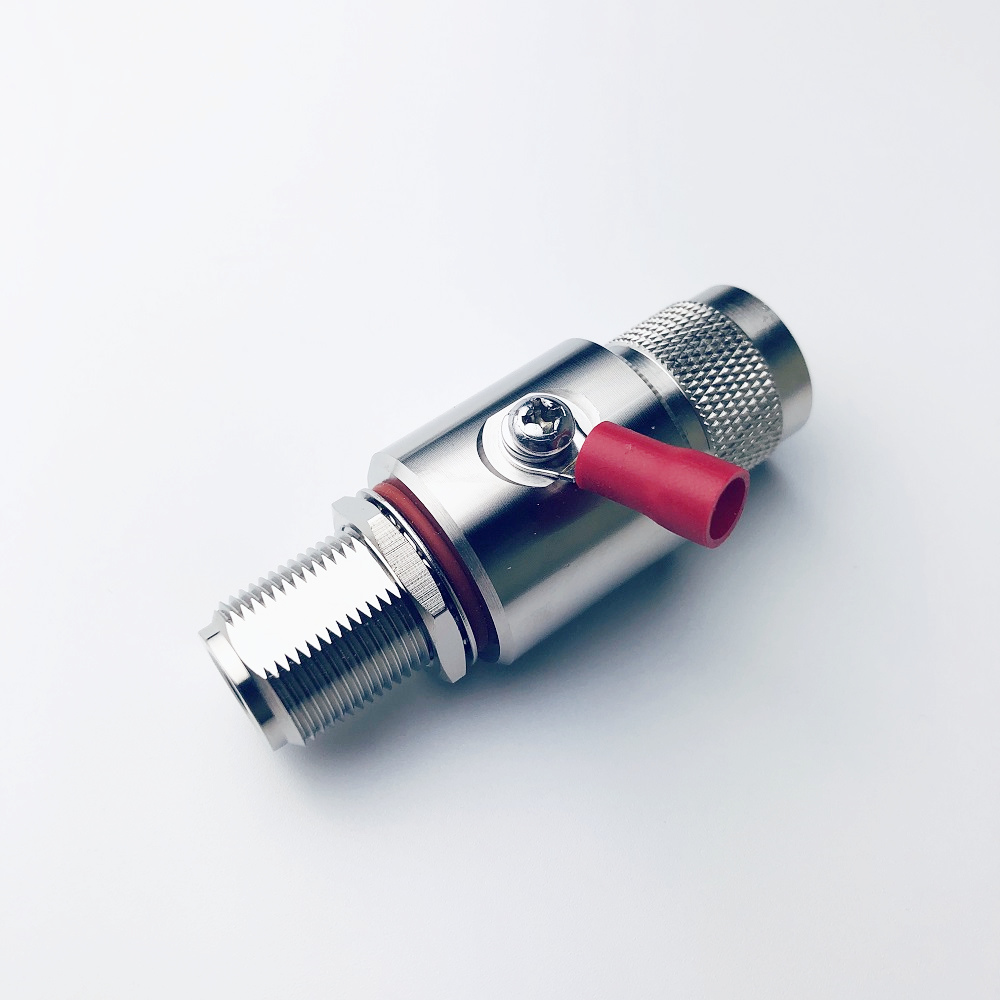
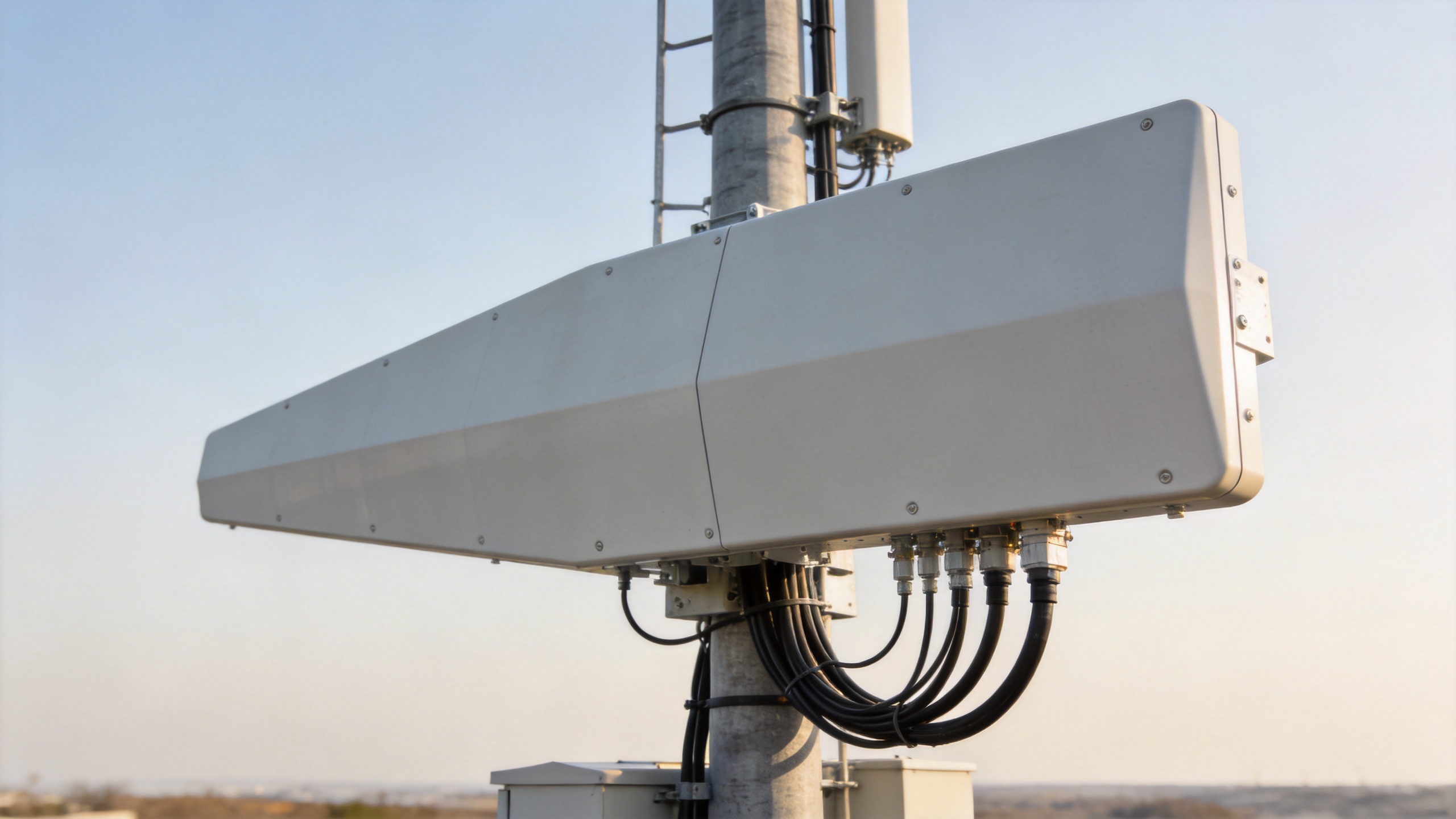
Outdoor exposure changes the decision. A 5g antenna outdoor installation should be assessed for water and dust ingress protection, UV exposure, temperature cycling, wind loading, corrosion conditions, mounting hardware, cable entry sealing, grounding, and lightning-protection practices. The required level depends on the site—rooftop, tower, roadside cabinet, industrial facility, or campus perimeter—not on a generic “outdoor” description.
Installation discipline is part of RF performance. A carefully selected antenna can be undermined by water ingress at a connector, an unsupported feeder run, an incorrect mounting angle, or a bracket that shifts under wind load. Make the mechanical survey and cable-routing plan part of the antenna approval workflow.
Use a Site-Ready Evaluation Checklist
- List the operating bands and radio ports. Include current requirements and confirmed upgrades.
- Define the coverage geometry. Identify the target area, mounting height, obstructions, and whether a directional or omnidirectional pattern is appropriate.
- Review the RF chain. Check connector compatibility, cable type, cable length, and loss budget with the antenna specification.
- Inspect environmental requirements. Set the needed protection, temperature, corrosion, wind, and mounting criteria for the actual location.
- Plan commissioning checks. Confirm orientation, polarization, torque, weather sealing, grounding, and measured site performance after installation.
Make the Final Choice With Deployment Constraints in View
The right 5g antenna outdoor choice is the one that satisfies the band plan, coverage pattern, MIMO requirements, and environmental constraints together. For consideration-stage procurement, the most reliable comparison is an evaluation matrix with those criteria placed side by side—not a shortlist sorted by gain alone.
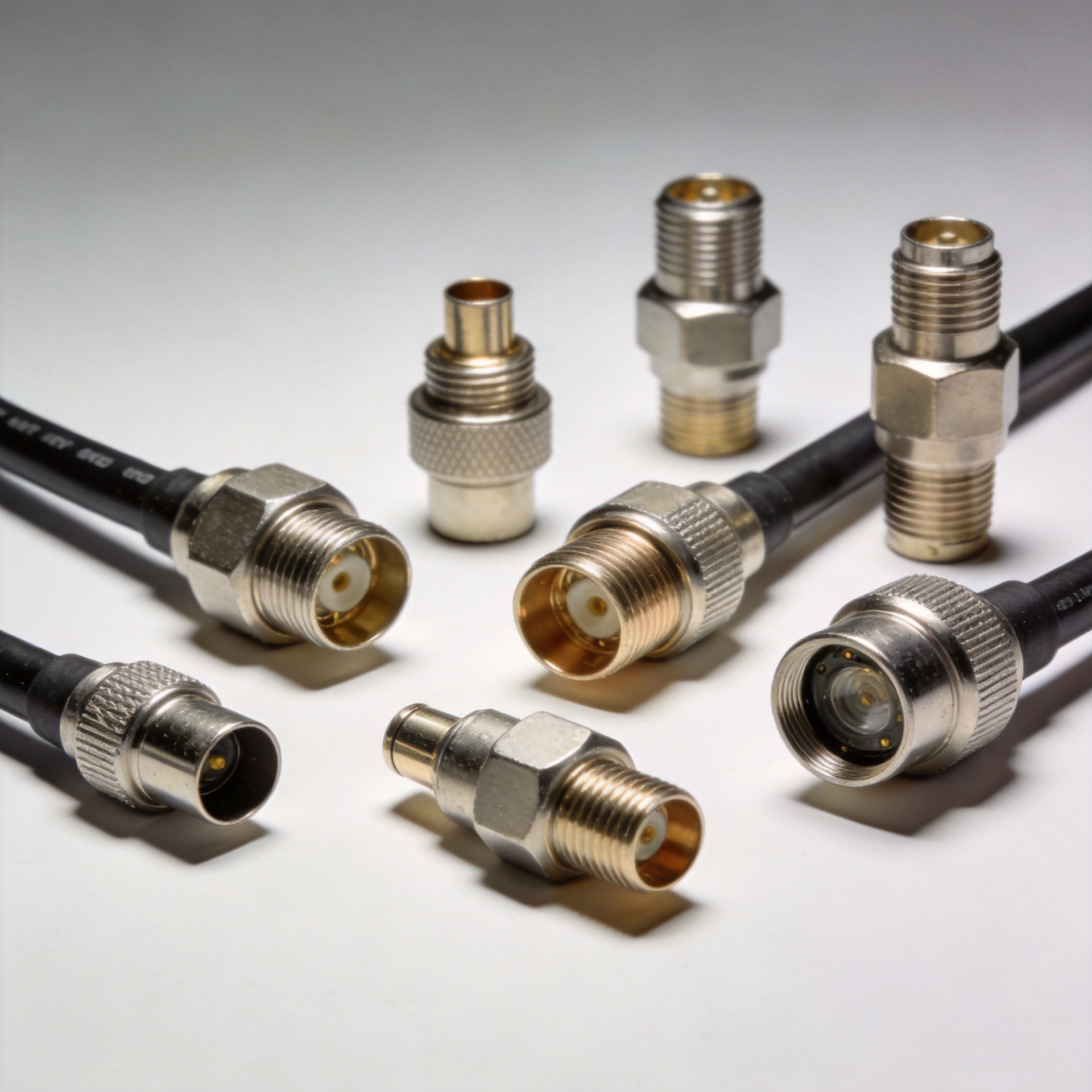
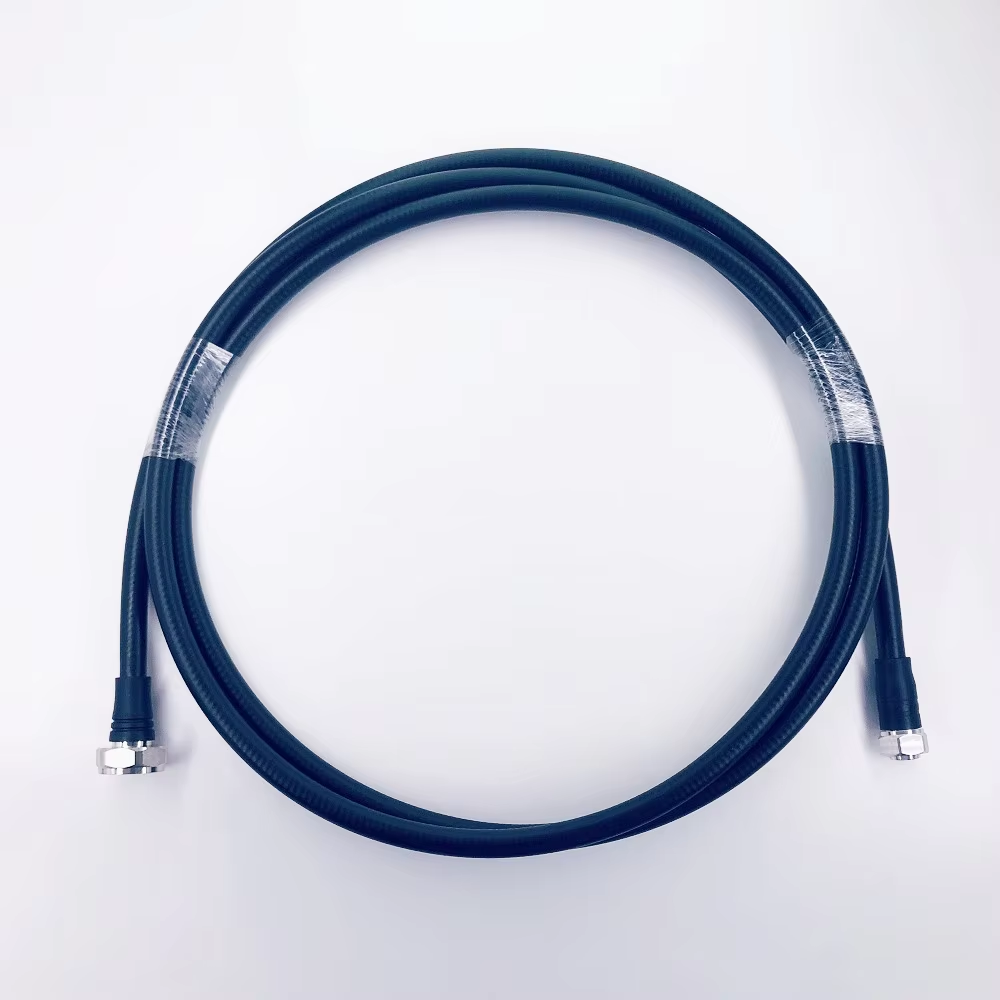
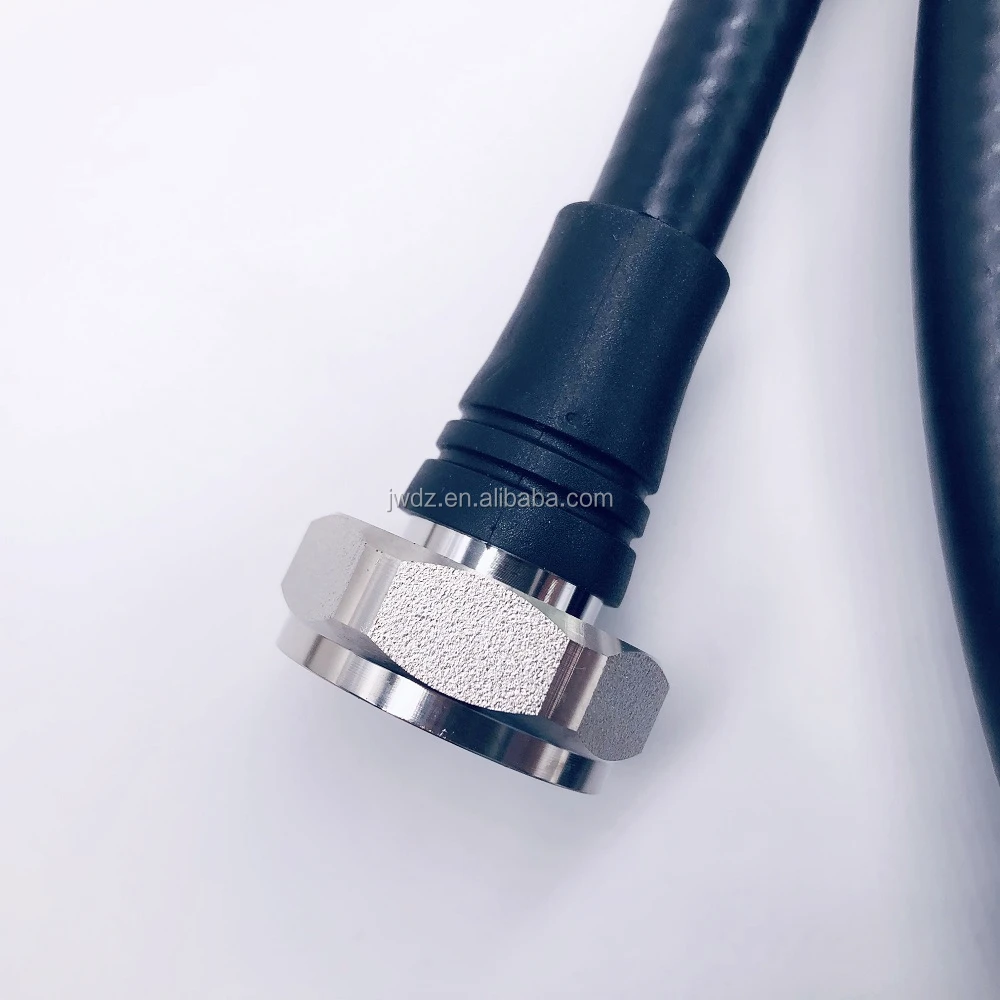
Zhenjiang Jiewei Electronic Technology Co.,Ltd supports telecom interconnect sourcing with RF connectors, feeder cables, cable assemblies, and related RF components. When reviewing an antenna option, involve the installation and RF teams early so the antenna, connectors, and feeder assembly are specified as one deployable system.
Frequently Asked Questions About 5G Outdoor Antenna Selection
Does a higher-gain 5g antenna outdoor model improve coverage in every case?
No. A higher-gain 5g antenna outdoor model narrows or reshapes the radiation pattern, so it helps only when that pattern suits the target coverage area. Before selecting a 5g antenna outdoor unit, compare the beamwidth, mounting height, and target-sector geometry. The most suitable 5g antenna outdoor option is the one that supports the coverage plan without creating neglected edge areas.
How should buyers check whether a 5g antenna outdoor product fits their bands?
Put the planned downlink and uplink bands beside the published range for the 5g antenna outdoor product. Then verify the feeder, jumper, connector, and protection components in the same path. A 5g antenna outdoor specification should be reviewed as one part of an RF system, not as an isolated catalog item. If an expansion band is confirmed, include it in the 5g antenna outdoor comparison before procurement.
When is a directional 5g antenna outdoor design preferable?
A directional 5g antenna outdoor design is generally considered when the coverage zone is known and the installer can aim the antenna accurately. It can be appropriate for sector-focused coverage, a defined perimeter, or a link toward a known service area. A directional 5g antenna outdoor choice still requires an on-site review of obstructions, reflection paths, azimuth, and downtilt.
When is an omnidirectional 5g antenna outdoor design preferable?
An omnidirectional 5g antenna outdoor design may suit a local area that needs coverage around a central mounting point. It is not automatically the more flexible choice: building mass, surrounding metalwork, and terrain can distort the practical result. Compare the expected site geometry before approving an omnidirectional 5g antenna outdoor assembly, and retain a commissioning plan to verify the installed outcome.
What should be documented for MIMO?
For a MIMO deployment, the 5g antenna outdoor evaluation should document port count, polarization, connector interfaces, and radio mapping. Do not assume that two available connectors create the required MIMO implementation. The radio design determines how each 5g antenna outdoor port must be used. Recording that mapping early helps prevent an installation team from making a costly correction after the mast work is complete.
Which environmental checks matter most?
For each 5g antenna outdoor location, define the expected water, dust, UV, temperature, vibration, wind, and corrosion conditions. The required protection level depends on the actual rooftop, tower, roadside, or industrial setting. Include bracket material, cable-entry sealing, and grounding in the 5g antenna outdoor acceptance list; environmental durability is a system responsibility, not a label on one component.
How do feeder cables affect a 5g antenna outdoor decision?
Feeder selection affects loss, connector compatibility, bend radius, weather sealing, and mechanical support. A technically suitable 5g antenna outdoor unit can underperform if the selected feeder run has unsuitable loss or the connectors are poorly installed. Evaluate the 5g antenna outdoor and feeder assembly together, including cable length, routing, grounding, and service access.
What should happen during commissioning?
Commissioning should confirm the 5g antenna outdoor orientation, polarization, connector torque, seals, grounding, cable labels, and measured performance against the site plan. Take installation photos and record the as-built configuration. Those records make later troubleshooting of the 5g antenna outdoor system more efficient and give procurement teams a clearer basis for future site standardization.