EN

5G Directional vs. Omni Antennas: Which One Fits Your Deployment?
Eligens a 5g antenna directiva non est simpliciter quaerere maximam ganantiam in tabula technica. In projectu DAS vel pro coverage intra aedificium, paternus antennae debet convenire geometriae aedificii, loco fontis signali, plano frequentiarum, itineribus cabilorum, et finibus commissionis. Antenna directiva concentrat energiam versus aream servitii planificatam; antenna omnidirectiva distribuit energiam circa punctum suum montis. Uterque potest esse electio recta in eodem projectu.
Pro integratoribus systematis et turmis procurandi, quaestio practica est: ubi energiam RF mittere oportet, et ubi non mittere? Incipe ibi, deinde confirma praestationem electricam, conditiones installationis mechanicae, et rationem ligaturae.
Patrones Directivi et Omnidirectivi: Differentia Principalis
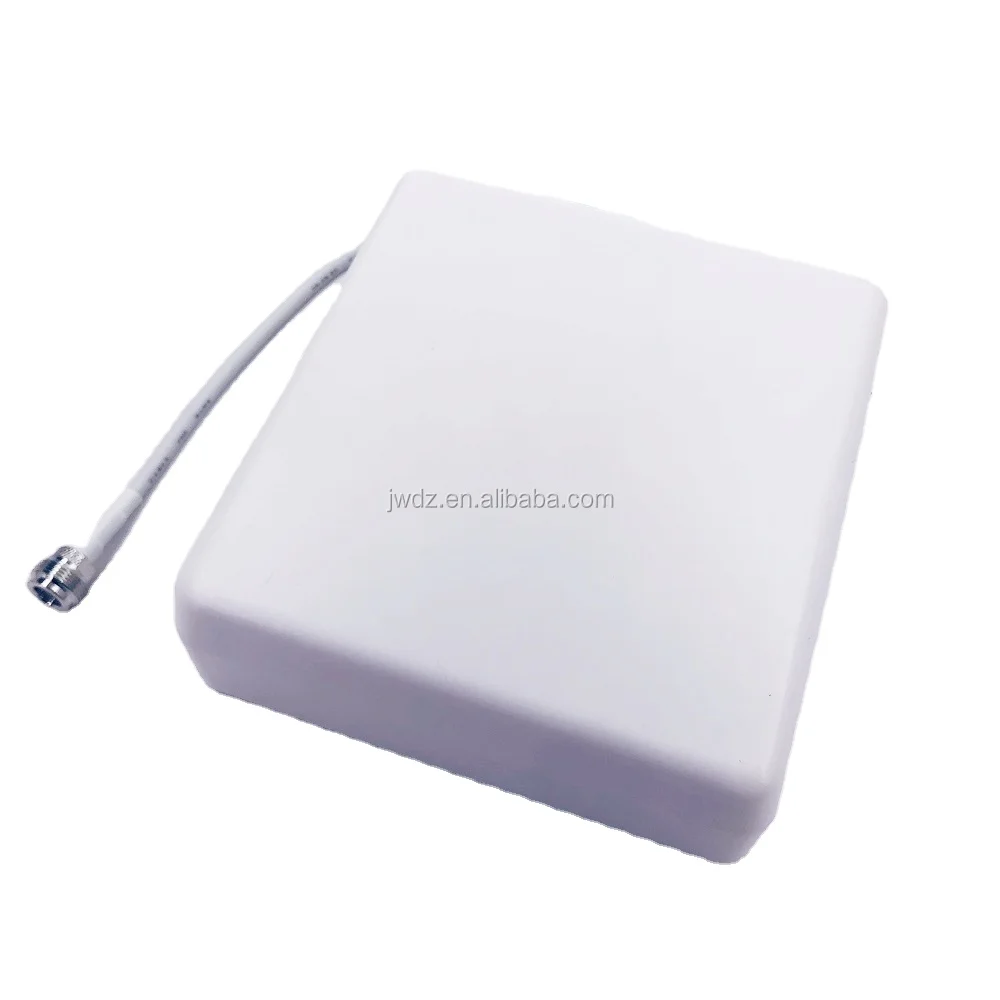
A5g antenna directiva focuses its main lobe in a defined direction. Panel and wall-mount antennas are common examples. By concentrating the pattern, a directional design can improve coverage toward a corridor, seating block, platform, façade, or edge zone. The trade-off is that coverage behind and beside the antenna is reduced.
An omnidirectional antenna radiates around its axis, commonly approximating 360 degrees in the horizontal plane. Ceiling-mount omni antennas are often useful when a space is relatively open and users move in several directions from the antenna location. Their benefit is simpler, broad-area distribution; their limitation is less control over where the RF energy is placed.
As antenna gain increases, the usable coverage pattern generally becomes narrower in at least one plane. That is why gain should be read together with horizontal and vertical beamwidth, not as an isolated “more is better” number.
5G Directional Antenna vs. Omni Antenna: A Deployment Comparison
| Factor Eligendi | 5g antenna directiva | Antenna Omnidirectionis |
|---|---|---|
| Schemata Impletionis | Focused toward a planned sector or path | Broad coverage around the mounting point |
| Suitable geometry | Corridors, long halls, perimeter zones, targeted rooms, outdoor-to-indoor edges | Open offices, lobbies, retail floors, central indoor areas |
| Interference control | More control over spillover beyond the target area | Less pattern control where adjacent zones must be isolated |
| Mounting approach | Typically wall, panel, or aimed ceiling placement | Typice locatio in tecto prope centrum cellulae coverage |
| Risicum designis | Lacunae coverage si directio aut superpositio errata est | Effusio excesiva vel impar performance ad marginem in spatiis longis aut irregularibus |
Quando Antenna Directionalis 5G Optima Eligitur
Elige 5g antenna directiva cum obiectivum coverage est angustus, asymmetricus, aut deliberate continendus. Exempla typica includunt longum corridorium, aisulam magazini, accessum ad tubum, sectionem sedentium in amphitheatro, platformam, aut cameram quae servitium requirit sine inutili activatione arearum adjacentium.
- Spatia longa et linearia: Dirige lobi principalem secundum viam transvectionis potius quam ponens antennam omnidirectionalem ad unum extremum et expectans performance uniformem per distantiam.
- Coverage ad marginem et peripheriam: Use a panel pattern to send energy inward from a wall or to address a boundary zone.
- Signal containment: A focused pattern can help reduce coverage spill into neighboring floors, tenants, or low-priority areas when combined with the right power settings.
- Known user concentration: Target a queue, work cell, seating bank, or equipment area where demand is concentrated.
For a directional run, the installation team should document azimuth, downtilt if applicable, mounting height, cable length, and the intended handoff overlap. A small aiming change can alter edge coverage more than a small gain difference between products.
When an Omni Antenna Is the Better Choice
Use an omni antenna when users and devices are distributed around the antenna and the space is open enough for a broadly symmetric cell. In many indoor DAS designs, ceiling omni antennas are a sensible starting point for lobbies, open-plan offices, retail areas, and general circulation zones.
Tamen, paternus omni non eliminat opus planificandi. Altitudo tecti, obstacula, materia reflectens, divisiones camerarum, et cellulae vicinae adhuc influunt in finalem effectum. In aedificio plurium tabulatuum, fuga verticalis et interactio inter tabulata durante testu ambulatorio examinanda sunt, non autem praesumenda ex plano tabulati.
A5g antenna directiva manet utilis etiam in dispositione praesertim omni. Exempli gratia, vestibulum apertum potest uti antenna omni centrali in tecto dum 5g antenna directiva servit corridori laterali vel peripheriae frontis vitreae. Electio paterni debet sequi formam zonae servitii, non regulam quae unam familiam antennarum totum tabulatum tegere iubet.
Ubi cellula omni marginem debilem producit quia parietes, ascensores, aut armaria densa viam interrumpunt, antenna directionalis recte directa 5g antenna directiva potest zonam affectam tegere sine relocatione omnium dispositivorum in tecto. Vice versa, ne substituas antennum centralem omni cum antenna 5g antenna directiva simpliciter ut valorem maioris guadagni consequaris; novus paternus forsan utentes post tabulam relinquet cum tectura inadeguata.
Use the Floor Plan Before You Use the Gain Number
A reliable antenna decision begins with the coverage map. Mark the intended service areas, low-priority areas, wall materials, corridors, risers, equipment rooms, and likely user-density zones. Then ask four questions:
- Does the target area spread around a central point or extend primarily in one direction?
- Do adjacent areas need lower signal levels or cleaner cell boundaries?
- Where can installers place the antenna without creating cable-loss or access problems?
- Does the selected antenna cover the required 5G and legacy bands in the project band plan?
If the answer to the first two questions is “one direction” and “yes,” a 5g antenna directiva directional antenna deserves close consideration. If the space is open and centrally served, an omni model may reduce the number of aimed devices and simplify the layout.
Do Not Ignore the RF Chain Around the Antenna
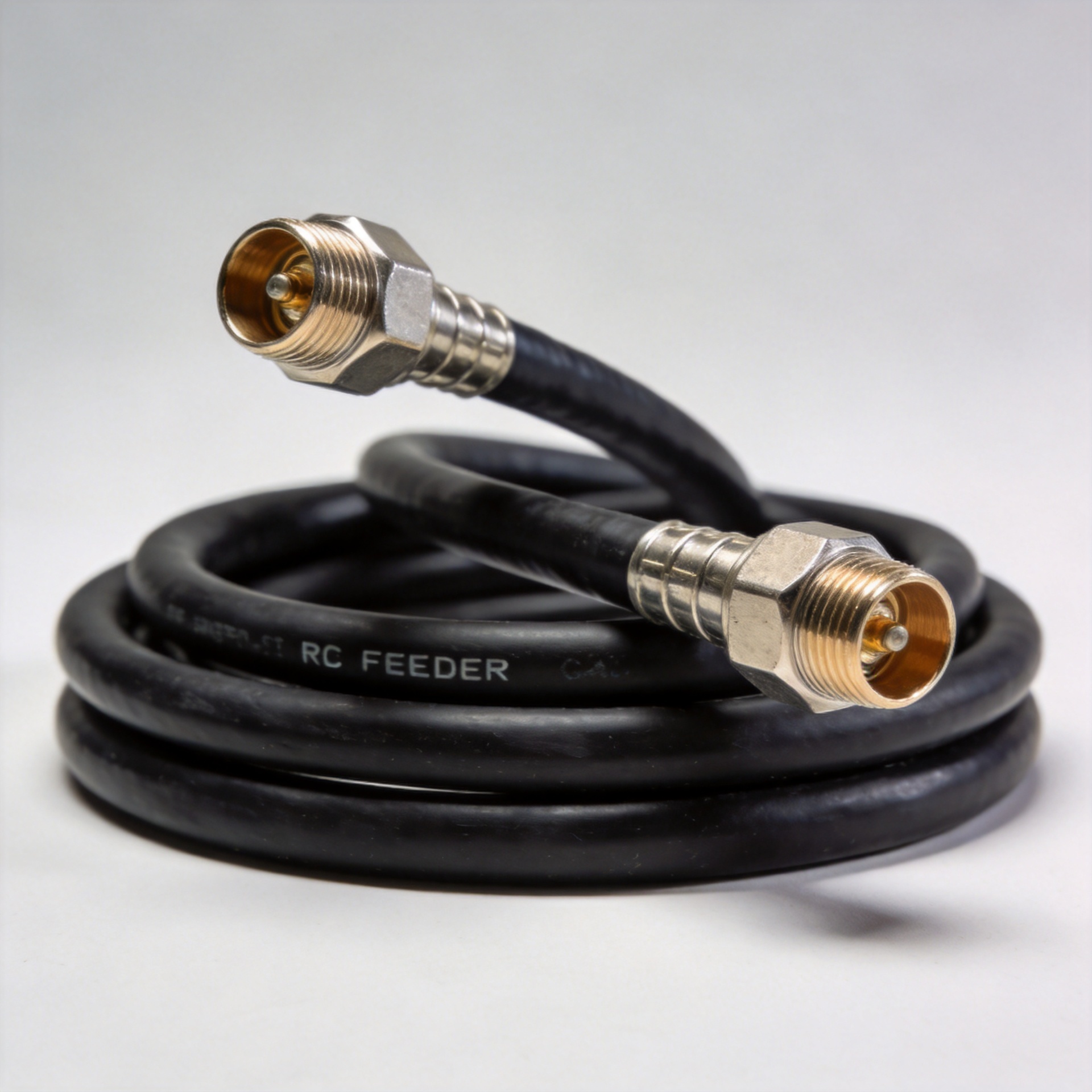
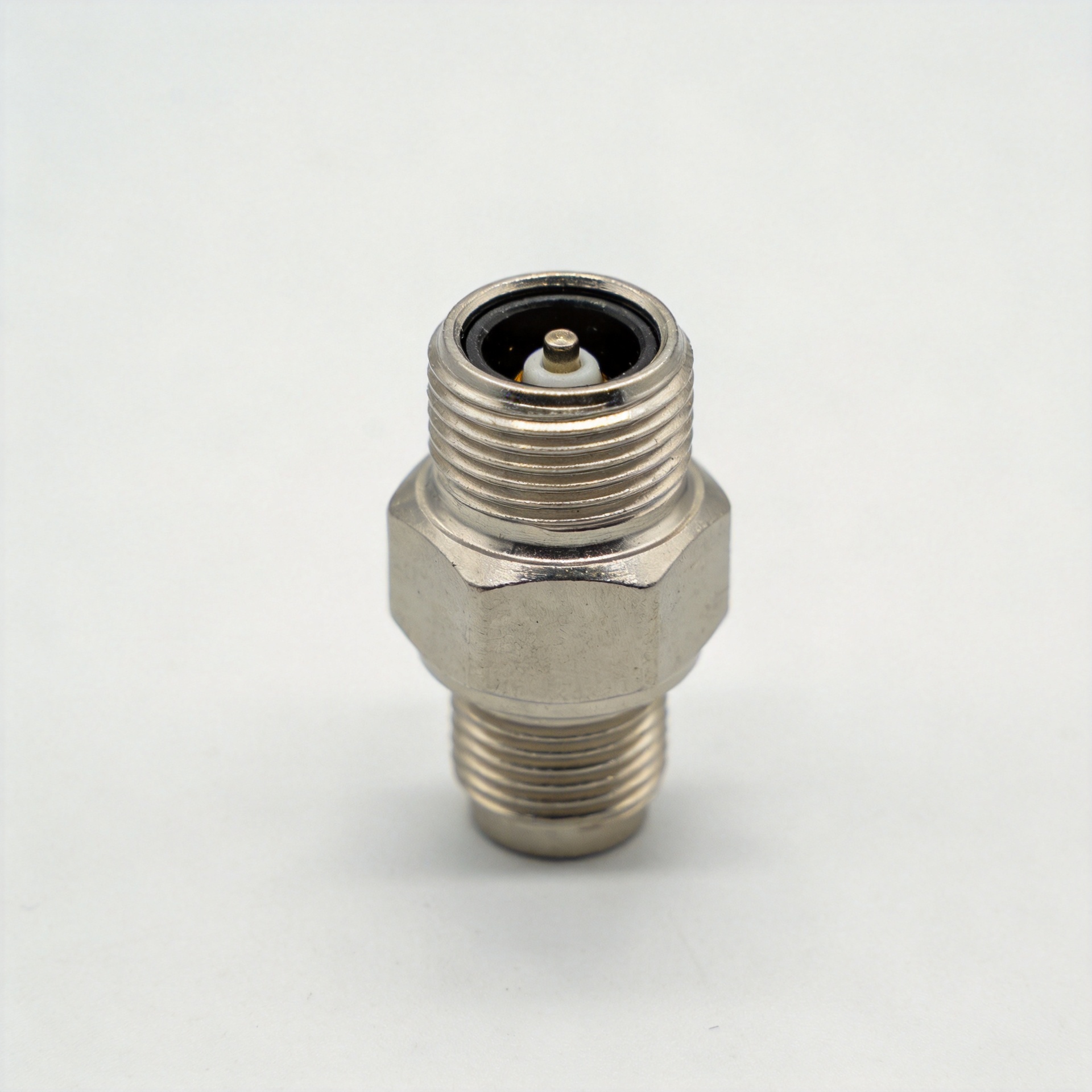
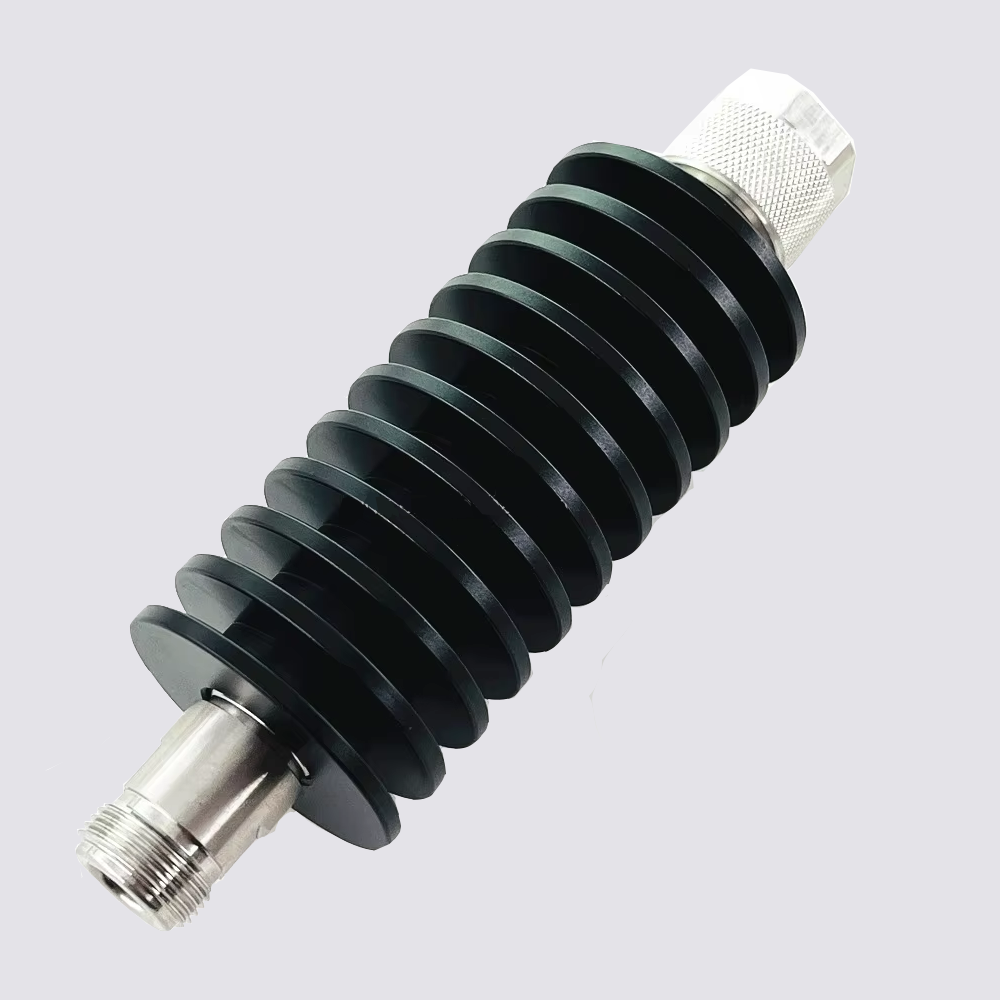
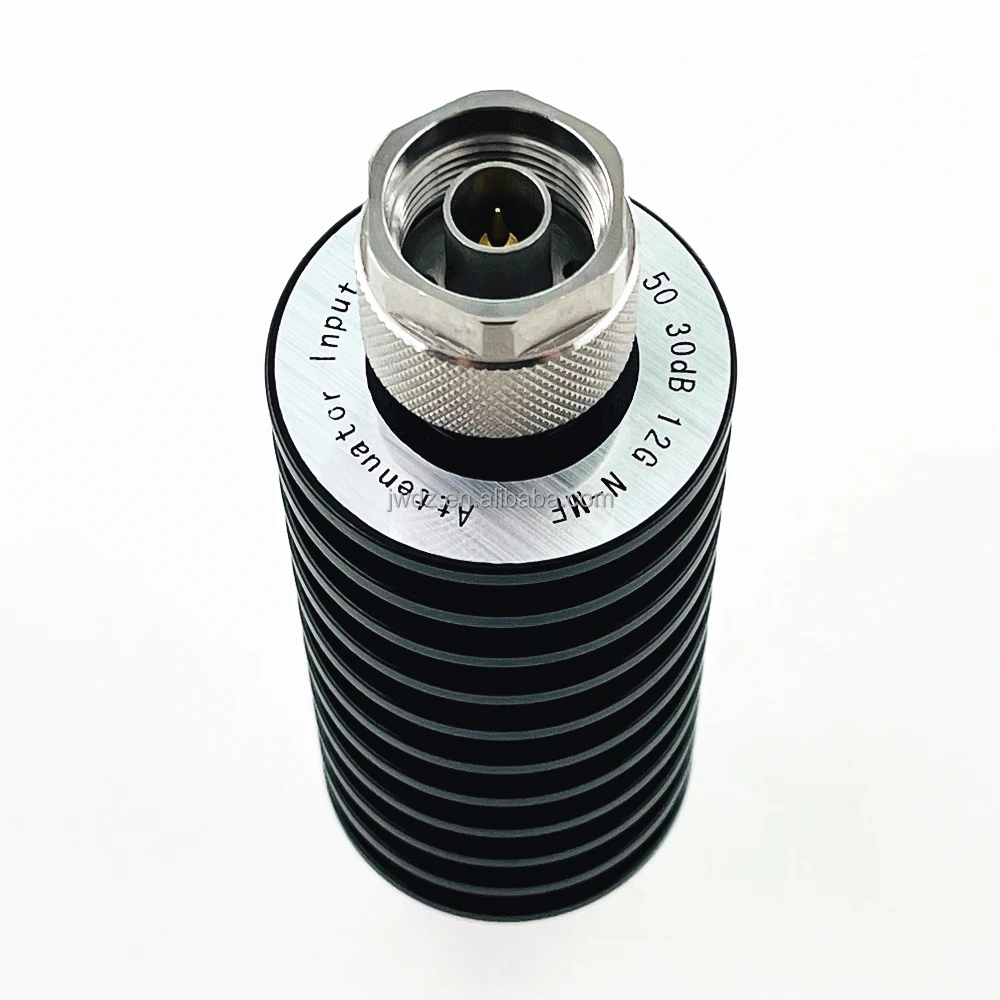
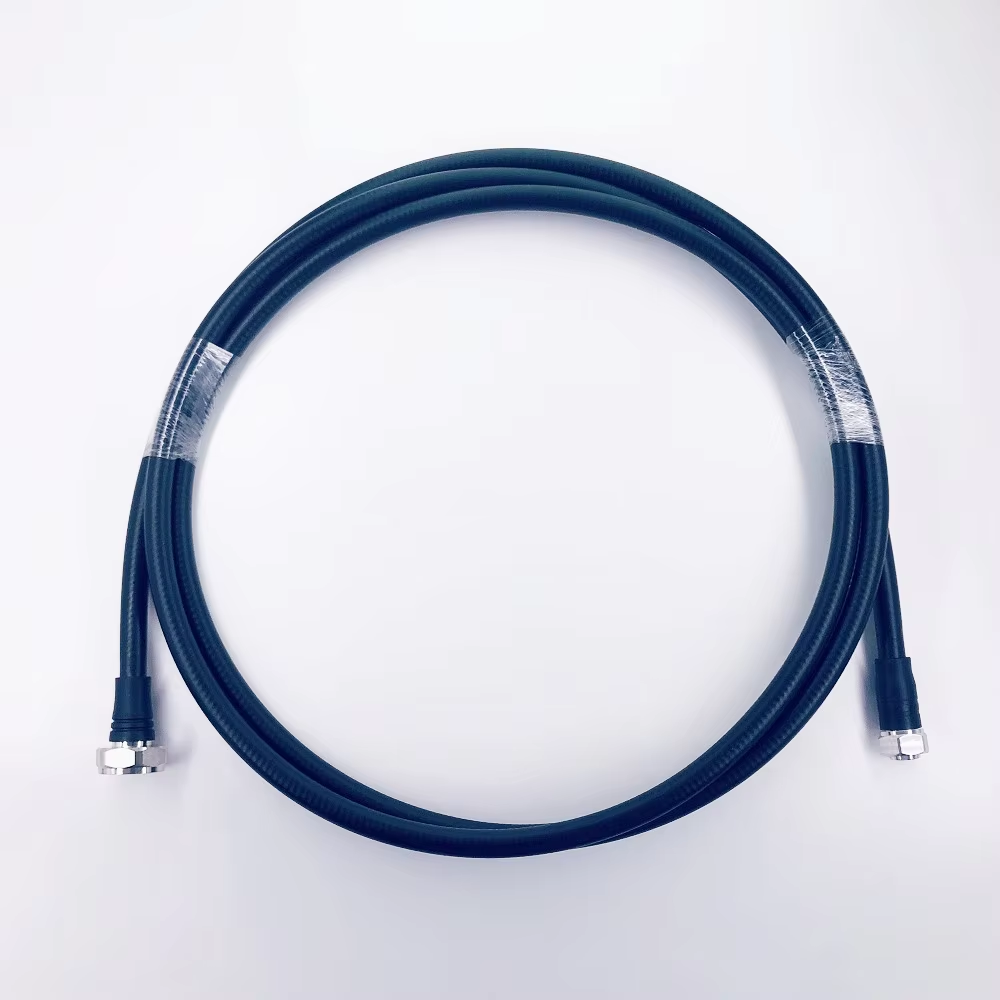
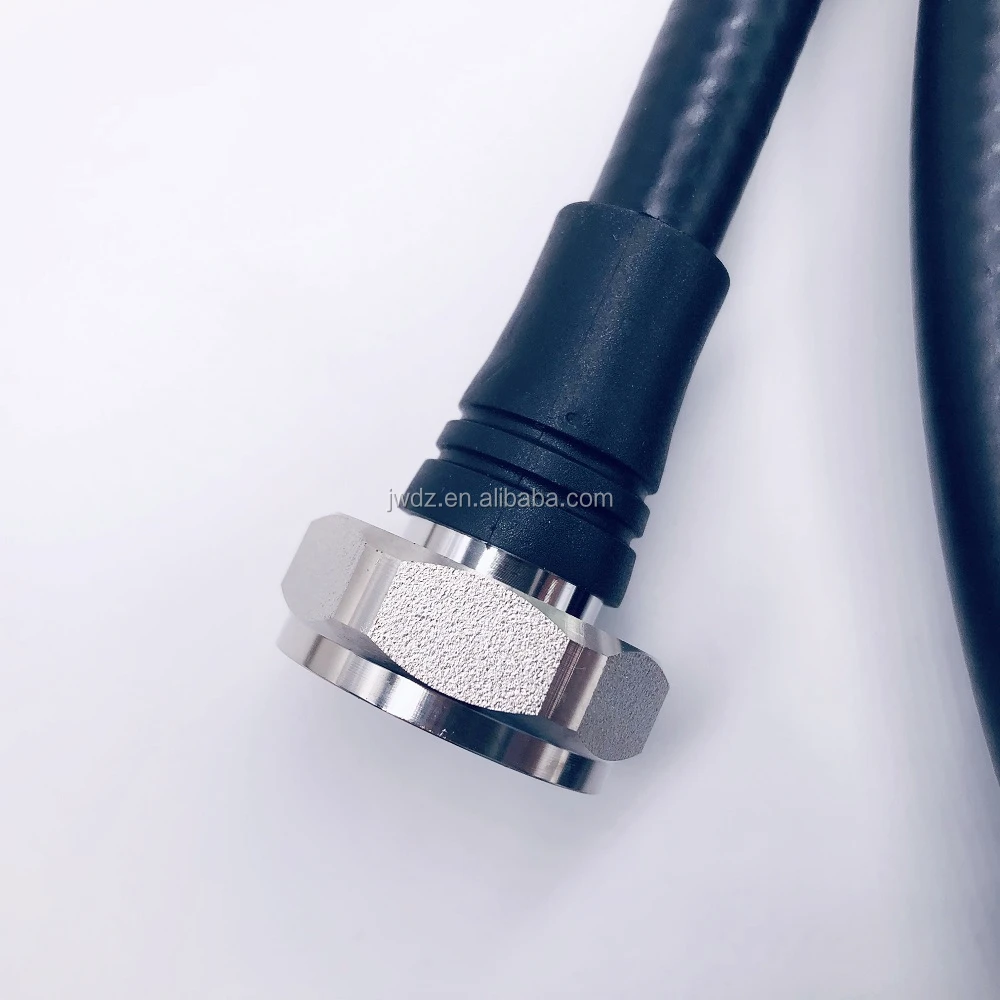
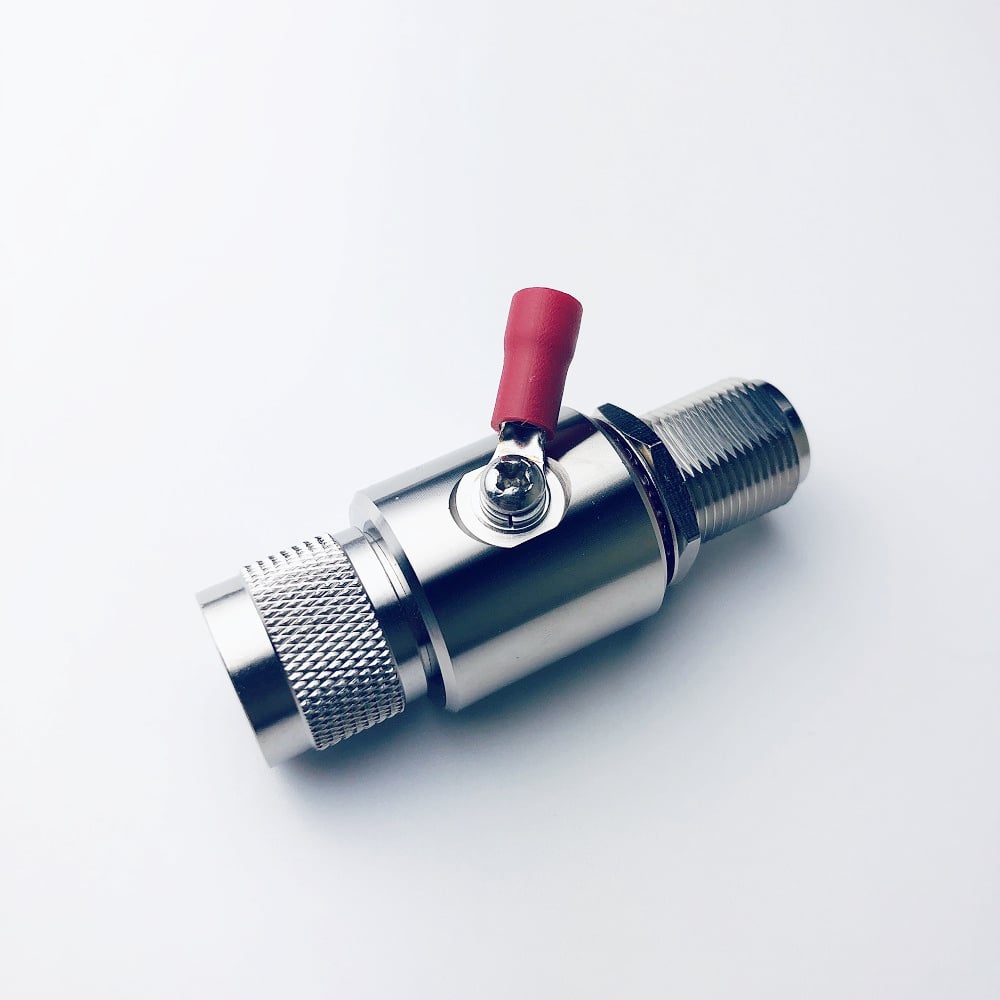
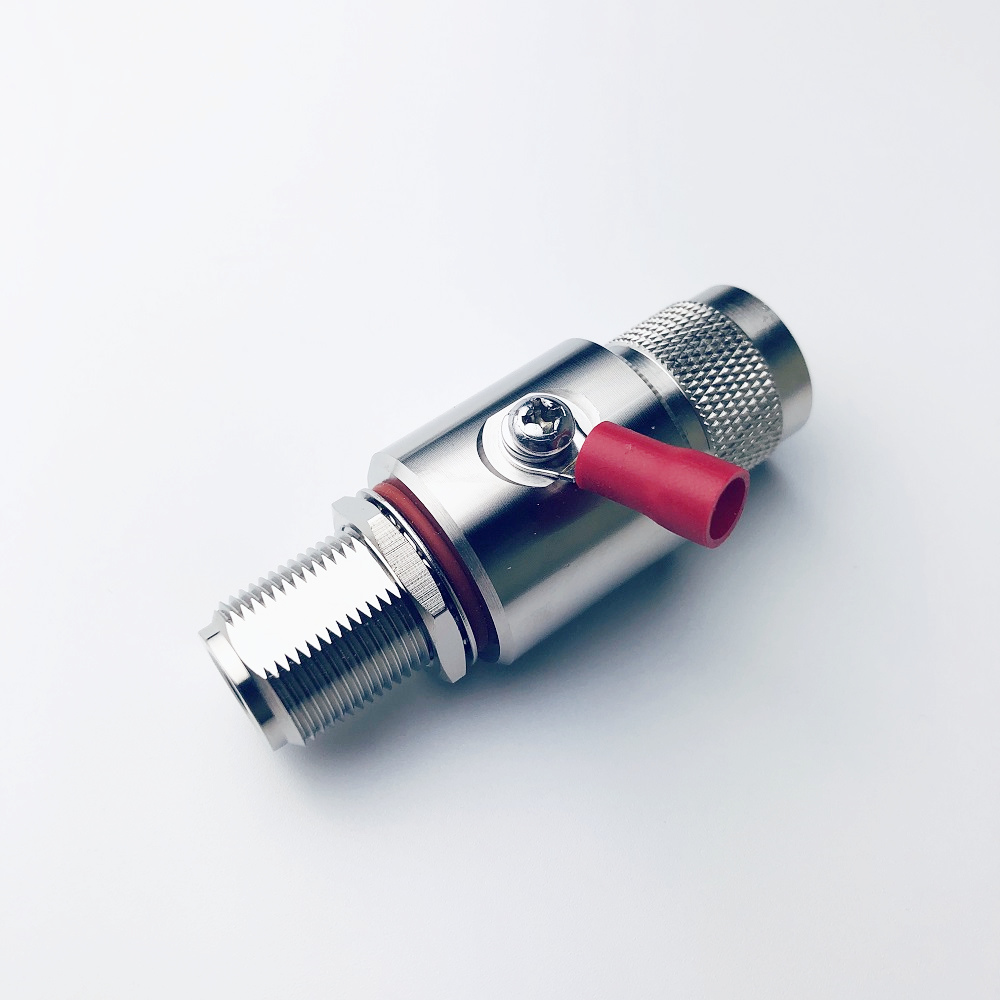
An antenna pattern cannot compensate for losses or defects elsewhere in the DAS. Confirm the full RF path: feeder and jumper loss at the operating bands, connector interfaces, passive-device specifications, return loss, PIM requirements, grounding, and weather protection where applicable. For multi-band 5G projects, verify the entire operating range rather than assuming a label such as “5G” guarantees suitability for every band.
For targeted outdoor or IBS/DAS applications, a 5G 698–3800 MHz high-gain outdoor panel directional antenna for IBS DAS can be evaluated as part of the RF path, provided its published specifications match the project frequency, mounting, and coverage requirements. Product selection should still be validated with the project link budget and site survey.
A Practical Selection and Commissioning Checklist
- Match the antenna pattern to the floor-plan geometry and intended user locations.
- Review gain together with horizontal and vertical beamwidth.
- Verify frequency coverage, impedance, connector type, PIM target, and power handling against the actual design.
- Plan mounting height, orientation, cable routes, bend radius, grounding, and weatherproofing before ordering.
- Use predictive modeling as a starting point, then validate with field measurements, walk tests, and acceptance criteria.
- Record final antenna positions and orientations for maintenance and future expansion.
Final Decision: Choose the Pattern That Controls the Coverage You Need
The right choice is often not directional an omnidirectional across the whole building. A well-designed 5G DAS may use ceiling omnis in open zones and directional panels for corridors, perimeter areas, or coverage cells that need tighter control. Choose a 5g antenna directiva when you need focused reach and controlled spillover. Choose an omni antenna when broad, balanced coverage around a central mounting point is the priority.
Ante procuratio finalis, planum soli, planum bandae, rationem vinculi, limites installationis et planum experimenti simul recensendos esse. Hoc processus electionem antennarum ex comparatione catalogi in decisionem deponendi convertit, quae ad dedicationem verificari potest.