 EN
EN

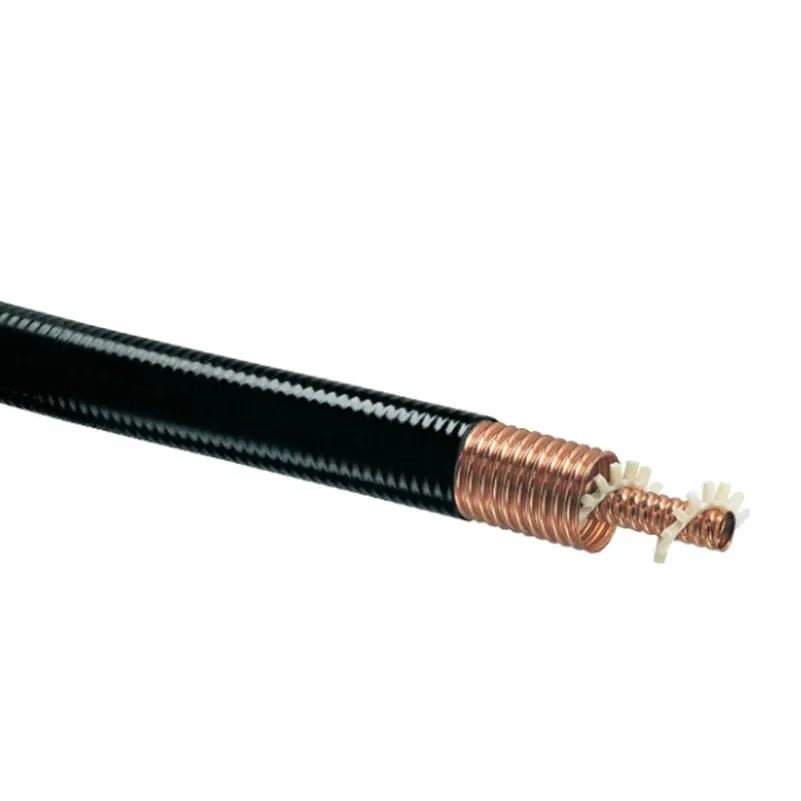
Atenuare mai scăzută a semnalului: Cum maximizează cablul coaxial cu dielectric de aer eficiența RF
De ce aerul minimizează pierderile dielectrice la frecvențele de microunde
Cablu coaxial cu dielectric de aer oferă o calitate superioară a semnalului deoarece utilizează aerul ca material izolator, care are proprietăți electrice aproape perfecte (constantă dielectrică de aproximativ 1,0). Aceasta înseamnă că există pierderi mai mici atunci când semnalele trec prin el, comparativ cu cablurile care folosesc materiale solide sau spumate. La frecvențe de microunde peste 6 GHz, aceste cabluri umplute cu aer pot reduce pierderile de semnal cu aproximativ 40% față de cablurile tradiționale din PTFE. Există două motive principale pentru care acest lucru funcționează atât de bine. În primul rând, factorul de disipare este extrem de scăzut, sub 0,0001, în timp ce materialele polimerice au în mod tipic o valoare de aproximativ 0,001. În al doilea rând, aerul nu conține impurități conductive care ar putea cauza pierderi suplimentare datorate mișcării ionilor. Deoarece cablul nu transformă o mare parte din semnal în căldură, menține semnale mai puternice chiar și pe distanțe mai lungi între punctele de echipament.
Impact în lumea reală: Domeniu extins și necesități reduse de amplificare în 5G și radar
Atunci când vine vorba de implementări 5G mmWave în acele benzi de frecvență FR2, cablurile cu dielectric aerian extind de fapt cu aproximativ 30% mai mult distanța semnalului între antene și stațiile de bază. Acest lucru este foarte important în zonele urbane aglomerate, unde acoperirea rețelei trebuie să fie puternică în orice loc. Beneficiile nu se opresc aici. Sistemele radar militare înregistrează și ele îmbunătățiri — configurațiile lor cu rețea fazată captează semnalele mai bine prin eliminarea amplificatoarelor suplimentare, obținând o sensibilitate cu 2-3 dB mai mare. Radarele meteo beneficiază de ceva similar dar diferit; ele mențin o sincronizare mai bună între toate componentele din rețea. Toate aceste îmbunătățiri înseamnă că sunt necesari mai puțini repetori de semnal, ceea ce economisește energie și reduce zgomotul de fond. Pentru oricine lucrează cu echipamente de înaltă frecvență, acest lucru face o diferență reală, deoarece semnalele clare sunt esențiale pentru funcționarea corectă.
Capacitate mai mare de gestionare a puterii și stabilitate termică în aplicații RF solicitante
Disiparea superioară a căldurii prin aer față de dielectricii solizi/spumați
Atunci când este vorba despre menținerea temperaturii scăzute, cablurile coaxiale cu dielectric de aer se remarcă cu adevărat, deoarece aerul conduce foarte slab căldura (doar aproximativ 0,026 W/mK). Acest lucru înseamnă că conductorul central rămâne mai rece, deoarece aerul permite căldurii să se disipe natural prin convecție. Comparativ cu materiale precum polietilena (care conduce căldura la aproximativ 0,4 W/mK) sau dielectricii spumați, care de fapt rețin căldura în loc să o lase să scape, utilizarea aerului ca dielectric determină o scădere de aproximativ 40 la sută a acelor puncte fierbinți nedorite în aplicațiile cu putere mare. Riscul de rupere termică devine, de asemenea, mult mai redus, lucru deosebit de important pentru sistemele care gestionează câțiva kilowați. Vă amintiți că durata de viață a componentelor tinde să se reducă la jumătate la fiecare creștere cu 10 grade Celsius a temperaturii? Acest lucru face o mare diferență pe termen lung. Aceste cabluri își mențin performanța chiar și atunci când funcționează continuu sub sarcină, fără a arăta semne de uzură.
Insight-uri privind implementarea: Emițătoare de difuzare și legături satelit uplink
Atunci când se lucrează cu emițătoare de difuzare care gestionează peste 50 de kilowați putere semnal, cablurile cu dielectric aer mențin stabilitatea în cadrul operațiunilor continue, prevenind astfel distorsiunile nedorite cauzate de schimbările de temperatură. Același avantaj se aplică și sistemelor de legătură satelit uplink. La aceste frecvențe înalte din banda Ka, cablurile cu dielectric aer pot transmite cu aproximativ 25 la sută mai multă putere continuă în comparație cu omologii lor cu miez spumos. Aceasta înseamnă că operatorii pot transmite date în mod fiabil către sateliții pe orbită geostaționară fără a necesita sisteme suplimentare de răcire care să funcționeze în permanență. Datorită rezistenței ridicate la căldură, aceste cabluri reduc atât facturile la electricitate, cât și oprirea neplanificată a sistemelor. Pentru proiectele de infrastructură critică unde eșecul nu este o opțiune, acest tip de performanță fiabilă face din cablurile cu dielectric aer soluția preferată, în ciuda unor costuri inițiale considerate de unii mai mari.
Stabilitate îmbunătățită a impedanței și consistență de fază pentru sisteme RF de precizie
Cum spațierea uniformă cu aer reduce variația VSWR și întârzierea de grup
Cablu coaxial cu dielectric de aer își menține impedanța de 50 ohmi aproape exactă datorită distanțării constante dintre conductoare. Când aerul acționează ca izolator, întâlnim mai puține probleme legate de modificarea constantelor dielectrice care afectează citirile VSWR. Aerul are proprietăți de permitivitate foarte stabile, rămânând în limite de aproximativ plus sau minus 0,05 la sută. Această stabilitate contribuie la reducerea distorsiunilor de fază, deoarece moleculele nu se polarizează aleatoriu și nu perturbă semnalele. Rezultatul? Variația întârzierii de grup rămâne sub 5 picosecunde pe metru, chiar și la frecvențe de până la 40 GHz, lucru esențial pentru menținerea unei calități bune a semnalului pe benzi largi de frecvență. Și să nu uităm că valorile VSWR trebuie să rămână stabile. Cu valori obișnuite sub raportul 1,15 la 1, aceste cabluri evită nepotrivirile de impedanță care ar distruge altfel precizia modulației în echipamentele de testare de precizie și instrumentele de măsură.
Importanța în radarele cu rețea fazată și sistemele coerente MIMO
Cablu cu dielectric aerian are un rol crucial atât în sistemele 5G massive MIMO, cât și în matricele moderne de radare pentru apărare, unde menținerea coerenței de fază între numeroase elemente de antenă este esențială. Aceste cabluri demonstrează o stabilitate remarcabilă, întârzierile de propagare modificându-se doar cu ±0,3 grade pe metru, chiar și atunci când temperaturile variază între -55 și 85 de grade Celsius. Acest lucru înseamnă că inginerii pot realiza o formare precisă a fasciculului fără a fi nevoiți să ajusteze constant setările, economisind astfel timp și resurse. Testele din teren au scos la iveală un aspect important: dacă erorile de fază depășesc 1 grad, acoperirea scade cu aproximativ 15% în acele configurații mari de antene 64T64R. Stabilitatea termică a acestor cabluri ajută, de asemenea, la menținerea ortogonalității canalelor în timpul transmisiilor 256-QAM. Testele arată că reduc magnitudinea erorii vectoriale (EVM) cu aproximativ 8 dB în comparație cu variantele tradiționale cu miez spumos. Pentru oricine lucrează cu transmisia de date la viteză mare, o asemenea diferență de performanță face tot diferența în menținerea unor conexiuni fiabile.
Compromisuri și considerații practice privind implementarea cablurilor coaxiale cu dielectric aerian
Deși cablul coaxial cu dielectric aerian oferă o performanță RF fără egal în aplicații cu pierderi reduse și stabilă din punct de vedere al fazei, implementarea sa necesită o evaluare atentă a constrângerilor mecanice și mediului înconjurător.
Echilibrarea performanței RF cu robustețea mecanică și etanșarea față de mediu
Nucleii dielectrici cu aer ajută la reducerea pierderilor de semnal, dar vin și cu propriile probleme. Una dintre marile probleme provine din pătrunderea umidității în sistem. Atunci când umiditatea se acumulează, se modifică modul în care funcționează dielectricul și face ca pierderea semnalului să fie mult mai mare decât în condiții normale. De aceea, etanșarea corespunzătoare este atât de importantă în locurile în care cablurile ar putea fi expuse la apă sau la niveluri ridicate de umiditate. Aspectele fizice sunt la fel de importante. Aceste cabluri cu spațiu aerian nu suportă deloc bine îndoirea. Dacă cineva face o cotă strânsă sau aplică prea multă tensiune în timpul instalării, întreaga formă a conductorului se deformează, ceea ce provoacă acele probleme VSWR enervante pe care toată lumea le urăște. Pentru oricine lucrează cu astfel de instalații, menținerea unor îndoiri blânde (de regulă, o rază de cel puțin 10 ori dimensiunea cablului pare sigură) și adăugarea unor puncte de descărcare a tensiunii de-a lungul traseului ajută cu adevărat la menținerea unei bune performanțe electrice pe termen lung.
Când să alegeți dielectric cu aer față de variantele performante cu spumă sau semiaer
Dielectricul aerian excelă acolo unde integritatea semnalului este esențială:
| Factor | Dielectric de aer | Spumă/Semi-aerian |
|---|---|---|
| Atenuare @ 10 GHz | 0,5 dB/100ft | 0,9 dB/100ft |
| Stabilitate de fază | ±0,5° (undă milimetrică) | ±2.5° |
| Adevararea mediului | Medii cu climă controlată | Ploaie, vibrații, îndoire |
Dielectricul aerian funcționează cel mai bine în locații fixe, cum ar fi stațiile de uplink satelit sau laboratoarele de măsurări precise, deoarece aceste locații priorizează calitatea semnalului în detrimentul durabilității. Atunci când este vorba despre lucruri precum turnurile de telefonie mobilă 5G sau sistemele radar de pe nave, care se confruntă cu mișcare constantă și condiții umede, inginerii apelează adesea la spuma cu celule închise. Aceste materiale oferă aproximativ 80 la sută din performanța radiofrecvenței oferită de dielectricul aerian, dar rezistă mult mai bine vibrațiilor și coroziunii provocate de expunerea la apă sărată sau ploaie. Astfel, spuma cu celule închise este alegerea mai inteligentă atunci când echipamentele trebuie să reziste zilnic unor condiții exterioare dificile fără a-și pierde prea mult eficiența.
Întrebări frecvente
Ce este un cablu coaxial cu dielectric aerian?
Un cablu coaxial cu dielectric aer folosește aerul ca material izolator, oferind o calitate superioară a semnalului și pierderi reduse în comparație cu dielectricii solizi sau spumați, fiind deosebit de eficient în aplicații de înaltă frecvență.
De ce se folosește aerul ca dielectric în cablurile coaxiale?
Constanta dielectrică scăzută a aerului (aproximativ 1,0) determină pierderi minime ale semnalului și o eficiență RF superioară, fiind deosebit de utilă în aplicațiile cu benzi de frecvență peste 6 GHz.
Unde sunt cele mai avantajoase cablurile coaxiale cu dielectric aer?
Aceste cabluri sunt ideale pentru instalații fixe, cum ar fi stațiile de uplink satelit și laboratoarele de măsurări de precizie, unde calitatea semnalului este o prioritate față de durabilitatea mecanică.
Care sunt dezavantajele utilizării cablurilor cu dielectric aer?
Deși oferă o performanță RF fără egal, cablurile cu dielectric aer necesită o etanșare atentă la mediul înconjurător și o manipulare prudentă pentru a evita problemele legate de îndoire și umiditate.
Cum se compară cablurile cu dielectric aer cu alternativele din spumă?
Cablurile cu dielectric aerian oferă o integritate superioară a semnalului și o stabilitate mai bună a fazei, dar sunt mai puțin rezistente la factorii de mediu și la stresul mecanic în comparație cu variantele pe bază de spumă.
Table of Contents
- Atenuare mai scăzută a semnalului: Cum maximizează cablul coaxial cu dielectric de aer eficiența RF
- Capacitate mai mare de gestionare a puterii și stabilitate termică în aplicații RF solicitante
- Stabilitate îmbunătățită a impedanței și consistență de fază pentru sisteme RF de precizie
- Compromisuri și considerații practice privind implementarea cablurilor coaxiale cu dielectric aerian
-
Întrebări frecvente
- Ce este un cablu coaxial cu dielectric aerian?
- De ce se folosește aerul ca dielectric în cablurile coaxiale?
- Unde sunt cele mai avantajoase cablurile coaxiale cu dielectric aer?
- Care sunt dezavantajele utilizării cablurilor cu dielectric aer?
- Cum se compară cablurile cu dielectric aer cu alternativele din spumă?
