 EN
EN

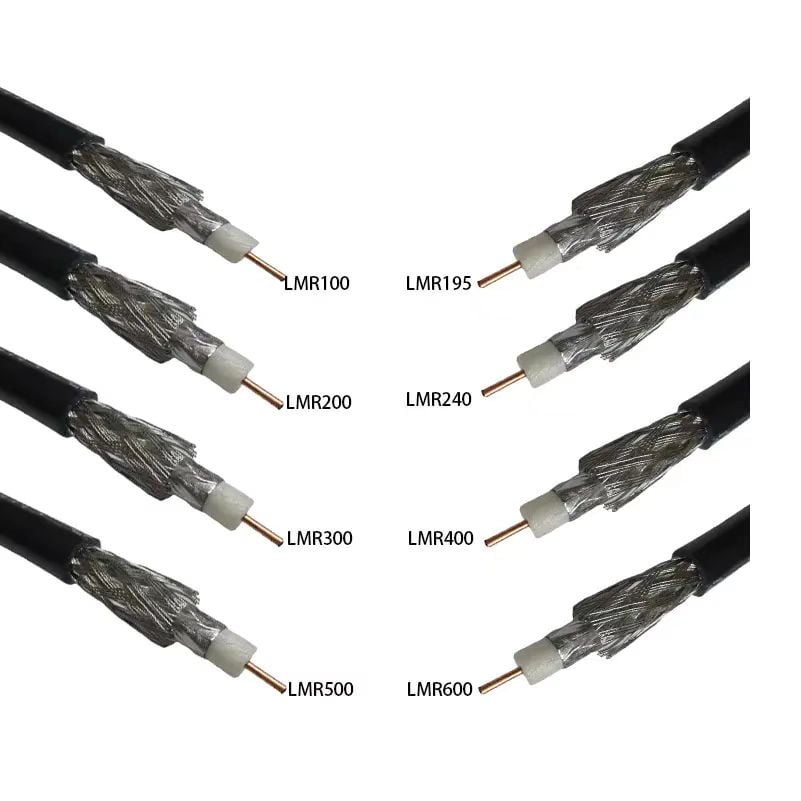
Performanța cu pierderi reduse a LMR600: esențială pentru eficiența RF de înaltă putere
Cum păstrează LMR600 puterea semnalului pe distanțe mari datorită atenuării reduse
Cablu LMR600 are niște valori extrem de scăzute ale pierderii semnalului — doar 0,145 dB pe metru la frecvențe de 1 GHz și numai 0,235 dB/m în funcționare la 2,4 GHz. Aceasta înseamnă că semnalele rămân puternice chiar și pe distanțe lungi, menținând astfel puterea RF importantă intactă pentru aplicațiile de înaltă frecvență care au nevoie cu adevărat de ea. Comparativ cu cablurile obișnuite din seria RG, vorbim despre o îmbunătățire de peste 40% exact la marcajul de 2,4 GHz. Un asemenea performanță face toată diferența pentru lucruri precum conexiunile de backhaul la turnurile de telefonie mobilă și sistemele de antene distribuite (DAS), unde fiabilitatea semnalului contează cel mai mult. Ce înseamnă acest lucru în practică? Ei bine, având în vedere că există mult mai puțină pierdere a semnalului pe parcurs, aceste cabluri pot acoperi distanțe mai lungi înainte de a necesita amplificatoare sau repetoare. Iar acest lucru se traduce prin economii reale de costuri de infrastructură atunci când se dezvoltă rețele pe suprafețe mari. Situații deosebit de avantajoase includ locurile în care saparea șanțurilor este dificilă, obținerea autorizațiilor durează enorm sau accesul la turnuri pur și simplu nu este practic din orice motiv.
Analiză comparativă: LMR600 vs. LMR400 și RG-8 în scenarii de putere mare
LMR600 oferă avantaje măsurabile în medii RF de putere mare, mai ales acolo unde distanța, sarcina termică și fidelitatea semnalului se suprapun. Principalii factori diferențiatori includ:
| Tip de cablu | Atenuare @ 1 GHz | Controlul energiei | Utilizare optimă |
|---|---|---|---|
| LMR600 | 0,145 dB/m | 3,7 kW (3 GHz) | Legătură celulară pe distanțe lungi |
| LMR400 | 0,22 dB/m | 1,5 kW (3 GHz) | Linii de alimentare pentru distanțe medii |
| RG-8 | 0,25 dB/m | 0,9 kW (3 GHz) | Instalări interioare mai scurte |
Datele reflectă testarea standard din industrie a cablurilor coaxiale de 50 de ohmi în condiții echivalente.
LMR600 prezintă aproximativ 34% pierderi semnal mai mici în comparație cu LMR400 la frecvențe de 1 GHz, ceea ce înseamnă o calitate superioară a semnalului chiar și pe distanțe de peste 100 metri. Acest lucru este foarte important pentru menținerea fluxurilor de date curate în rețelele actuale 4G și 5G, unde fiecare bit contează. Cablul utilizează polietilenă solidă în interior, care rămâne stabilă atât fizic, cât și electric atunci când gestionează transmisii continue de până la niveluri de putere de 2,5 kW. Astfel, probabilitatea de defectare este mult mai mică în situații importante, cum ar fi cele întâmpinate de forțele de intervenție care au nevoie de comunicații fiabile. În plus, stratul exterior rezistă deteriorării cauzate de radiațiile UV, astfel încât aceste cabluri pot dura cu ani mai mulți în exterior fără degradare, fiind ideale pentru turnurile de telefonie mobilă și alte instalații telecom exterioare.
Blindaj RF Robust și Rezistență la Interferențe Electromagnetice al LMR600
Arhitectura de Blindaj Dual-Braided + Foliă de Aluminiu Explicată
Ce face ca LMR600 să fie atât de bun în combaterea interferențelor electromagnetice? Ecranarea sa este de fapt realizată din mai multe straturi care lucrează împreună. Există o bandă din folie de aluminiu ca un strat, plus două împletituri de cupru peste aceasta. Aceste materiale diferite creează o protecție suprapusă împotriva interferențelor. Zgomotele de înaltă frecvență sunt reflectate înapoi, în timp ce semnalele de frecvență mai joasă sunt absorbite. Testele arată că blochează peste 95% din semnalele nedorite majoritatea timpului. Partea din aluminiu funcționează deosebit de bine pentru semnalele de peste 1 GHz, oferind o acoperire solidă acolo unde este mai importantă. Împletiturile de cupru nu sunt doar pentru aspect — ele conferă cablului o rezistență fizică sporită și ajută, de asemenea, la combaterea problemelor dificile de joasă frecvență. Ecranele cu un singur strat pur și simplu nu pot egala acest tip de performanță. Această abordare multi-strat menține impedanța stabilă de 50 ohmi a cablului, chiar și atunci când este îndoit, scuturat sau expus la variații de temperatură — un aspect absolut esențial pentru aplicații fiabile de radiofrecvență cu putere mare.
Validare în condiții reale: Suprimarea EMI în instalații de stații de bază urbane
Zonele urbane ridică provocări reale pentru instalarea turnurilor de telecomunicații, deoarece se confruntă cu interferențe provenite de la diverse surse, inclusiv linii electrice, sisteme de transport și infrastructura wireless din apropiere. Blindajul cablului LMR600 s-a dovedit eficient în aceste condiții dificile. Teste efectuate recent au arătat că pătrunderea zgomotului este cu aproximativ 40 la sută mai redusă în comparație cu cablurile coaxiale obișnuite, atunci când semnalele 5G sunt transmise înapoi către centrele principale. Multe proiecte de telecomunicații întâmpină de fapt probleme de conformitate cu EMI încă de la început, deoarece aproximativ jumătate dintre ele eșuează la primele teste, din cauza unui blindaj insuficient. Cu toate acestea, conform unui studiu realizat anul trecut de JM Test Systems, LMR600 pare să gestioneze această problemă în mod constant. Atunci când stațiile de bază folosesc acest tip specific de cablu, mențin o calitate aproape perfectă a semnalului (aproximativ 99,9%) la frecvențe precum 2,5 GHz, chiar dacă sunt instalate în apropierea metroului sau a mașinilor grele. Pentru echipele de intervenție de urgență care se bazează pe comunicare continuă și pentru sistemele de monitorizare industrială care funcționează în mijlocul haosului electric, o asemenea performanță fiabilă face toată diferența.
Fiabilitatea termică și mecanică a LMR600 în condiții de sarcină continuă la putere mare
Creșterea temperaturii, gestionarea puterii și stabilitatea dielectrică la 1–3 GHz
LMR600 menține o calitate bună a semnalului chiar și atunci când este supus unor puteri ridicate continue, datorită designului său inteligent termic. Cablul dispune de un dielectric special din spumă injectat cu azot, care ajută la menținerea temperaturilor scăzute prin evacuarea mai eficientă a căldurii. Acest lucru previne probleme precum modificările impedanței și variațiile capacității, care pot perturba coerenta de fază în configurațiile turnurilor de telefonie mobilă. Testele arată că după funcționarea timp de 2000 de ore la aproximativ 85 de grade Celsius, schimbarea intensității semnalului este abia sesizabilă (mai puțin de 0,2 dB). O astfel de performanță este relevantă în locațiile unde căldura se acumulează în timp, gândiți-vă la cutiile strânse ale amplificatoarelor de pe acoperișuri sau echipamentele din interiorul cabinelor stațiilor de bază. În cazul sistemelor de difuzare de urgență, acest comportament termic constant înseamnă că operatorii nu trebuie să se îngrijoreze despre degradarea semnalului atunci când toată lumea are nevoie cel mai mult de o comunicare fiabilă.
Durată de viață în flexiune, rezistență la UV și durabilitate în exterior pentru infrastructura de telecomunicații
LMR600 îndeplinește și depășește cerințele exigente de durabilitate în telecomunicații datorită unui sistem protector multi-strat. Manta sa din polietilenă de înaltă densitate (HDPE) oferă rezistență la radiații UV pe spectru larg și menține flexibilitatea în domeniul de temperaturi între -40°C și +85°C — asigurând performanță în condiții extreme sezoniere. Testele mecanice evidențiază avantaje cheie:
| Proprietate | Indice de referință al performanței | Impact în Industrie |
|---|---|---|
| Raza minimă de îndoire | 6× diametrul cablului | Reduce ruperea prin îndoire și deteriorarea în timpul instalării |
| Rezistență la tractiune | capacitate de încărcare de 350 lb | Rezistă oscilațiilor turnului și vibrațiilor provocate de vânt |
| Cicluri de flexionare | peste 5.000 înainte de defectare | Reducerea costurilor pe termen lung de întreținere și înlocuire |
Manta dublu strat rezistă la ozon, expunerea la substanțe chimice și pătrunderea umidității — esențial pentru celulele mici 5G instalate în zone urbane poluate sau în zone costale. Testele accelerate de îmbătrânire proiectează o durată de viață de peste 20 de ani în medii costale severe, făcând din LMR600 o alegere dovedită pentru infrastructura exterioară permanentă.
Implementare strategică a LMR600 în aplicații RF cheie
Stații de bază celulare și sisteme de antene distribuite (DAS)
Cablu LMR600 abordează două probleme majore cu care se confruntă astăzi turnurile de telecomunicații: pierderea semnalului în timpul transmisiei și interferențele datorate zgomotului electromagnetic. Ceea ce face acest cablu remarcabil este modul în care gestionează alimentarea fără a provoca o încălzire excesivă a amplificatoarelor montate pe turnuri sau în unități radio remote. În plus, combinația dintre ecranarea dublă din țesătură și folie menține semnalele puternice, chiar și atunci când există numeroase alte dispozitive electronice în apropiere, în zonele urbane aglomerate. Un alt avantaj important este flexibilitatea sporită, care facilitează instalarea în cazul configurațiilor complexe de antene sau în dulapuri de echipamente strânse. Și nu trebuie uitat materialul mansonului, rezistent la expunerea la lumina solară, astfel încât performanța rămâne constantă, indiferent dacă afară este ger sau caniculă. La frecvențele de 2,6 GHz, la care funcționează majoritatea rețelelor 4G LTE și multe sisteme 5G, LMR600 reduce pierderea semnalului la jumătate în comparație cu cablurile mai vechi LMR400. Aceasta înseamnă o acoperire mai bună din partea sistemelor de antene distribuite, fără a fi nevoie de echipamente suplimentare, cum ar fi repetorii sau amplificatoarele de semnal, economisind astfel bani atât inițial, cât și pe termen lung.
Radio pentru siguranța publică, SCADA și transmisie de date pentru celule mici 5G
Atunci când este vorba despre comunicații esențiale pentru misiune, ceea ce contează cu adevărat este o performanță RF fiabilă care rămâne stabilă în condiții de presiune. Exact acest lucru oferă LMR600 în situațiile în care fiabilitatea este absolut esențială. Cablul dispune de o barieră din folie de aluminiu care împiedică degradarea semnalelor în rețelele industriale SCADA utilizate pentru monitorizarea conductelor și rețelelor electrice. Aceste medii se confruntă în mod tipic cu interferențe electromagnetice mult mai puternice, nivelurile ambientale de EMI fiind cu aproximativ 18 dB mai mari comparativ cu zonele urbane obișnuite. Sistemele radio trunked pentru siguranța publică beneficiază foarte mult de asemenea. LMR600 menține rapoarte SWR sub 1,5:1 chiar și atunci când apar creșteri bruște ale emisiunilor de urgență, protejând astfel transmițătoarele și asigurând o acoperire bună în continuare. Pentru aplicațiile de backhaul în celulele mici 5G, nucleul dielectric blocant la umiditate asigură un control strâns al impedanței (aproximativ 50 de ohmi plus-minus 2 ohmi) într-un interval de temperaturi cuprins între minus 40 de grade Celsius și până la plus 85 de grade. Aceasta ajută la menținerea coerentei de fază necesare pentru sincronizarea corectă a undelor milimetrice și pentru o performanță MIMO optimă.
Întrebări frecvente
Care este atenuarea cablului LMR600 la 1 GHz?
Cablul LMR600 prezintă o atenuare de 0,145 dB/metru la frecvențe de 1 GHz.
Cum se compară LMR600 cu LMR400 în ceea ce privește gestionarea puterii?
LMR600 poate suporta până la 3,7 kW la 3 GHz, în timp ce LMR400 suportă aproximativ 1,5 kW la aceeași frecvență.
De ce este cablul LMR600 potrivit pentru utilizare în exterior?
LMR600 este echipat cu un înveliș din polietilenă de înaltă densitate care oferă rezistență la radiațiile UV, împreună cu un design în două straturi care rezistă expunerii la substanțe chimice și pătrunderii umezelii, ceea ce îl face ideal pentru utilizare în exterior.
Table of Contents
- Performanța cu pierderi reduse a LMR600: esențială pentru eficiența RF de înaltă putere
- Blindaj RF Robust și Rezistență la Interferențe Electromagnetice al LMR600
- Fiabilitatea termică și mecanică a LMR600 în condiții de sarcină continuă la putere mare
- Implementare strategică a LMR600 în aplicații RF cheie
- Întrebări frecvente
