Welcome to our store!Black Friday Sale!

application/cable-rf-meter, application/cable-rf-meter, 
Inquiry
application/cable-rf-meter, application/cable-rf-meter, 
  • About Us
  • Products
  • Feeder Cable Leaky Cable
  • RF Coaxial Cable
  • RF Connectors EIA Flange
    RF Cable: Low - Loss Signal Transmission Cable for RF Signals

    RF Cable: Low - Loss Signal Transmission Cable for RF Signals

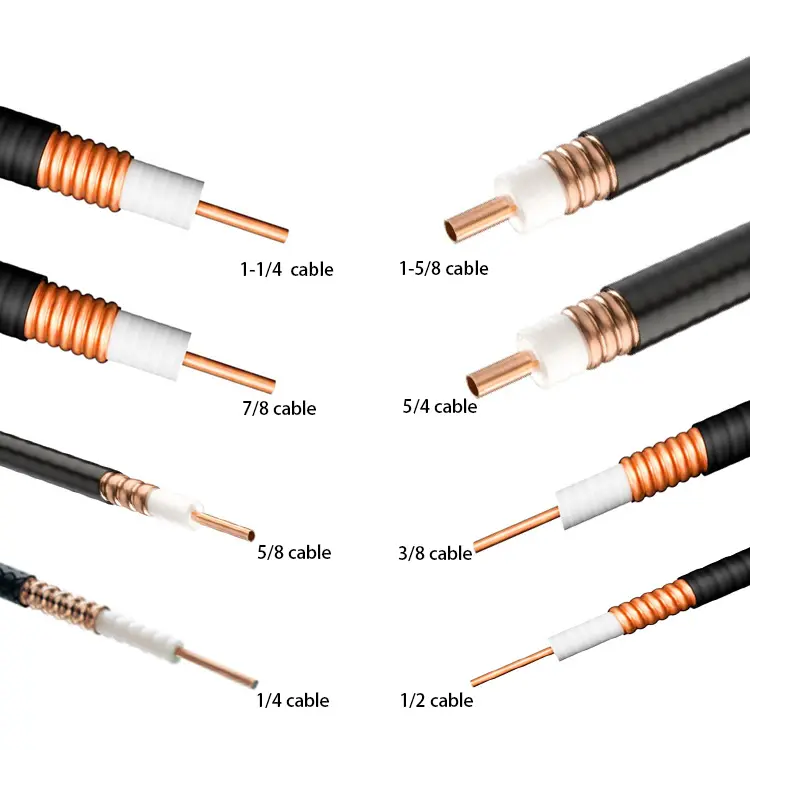
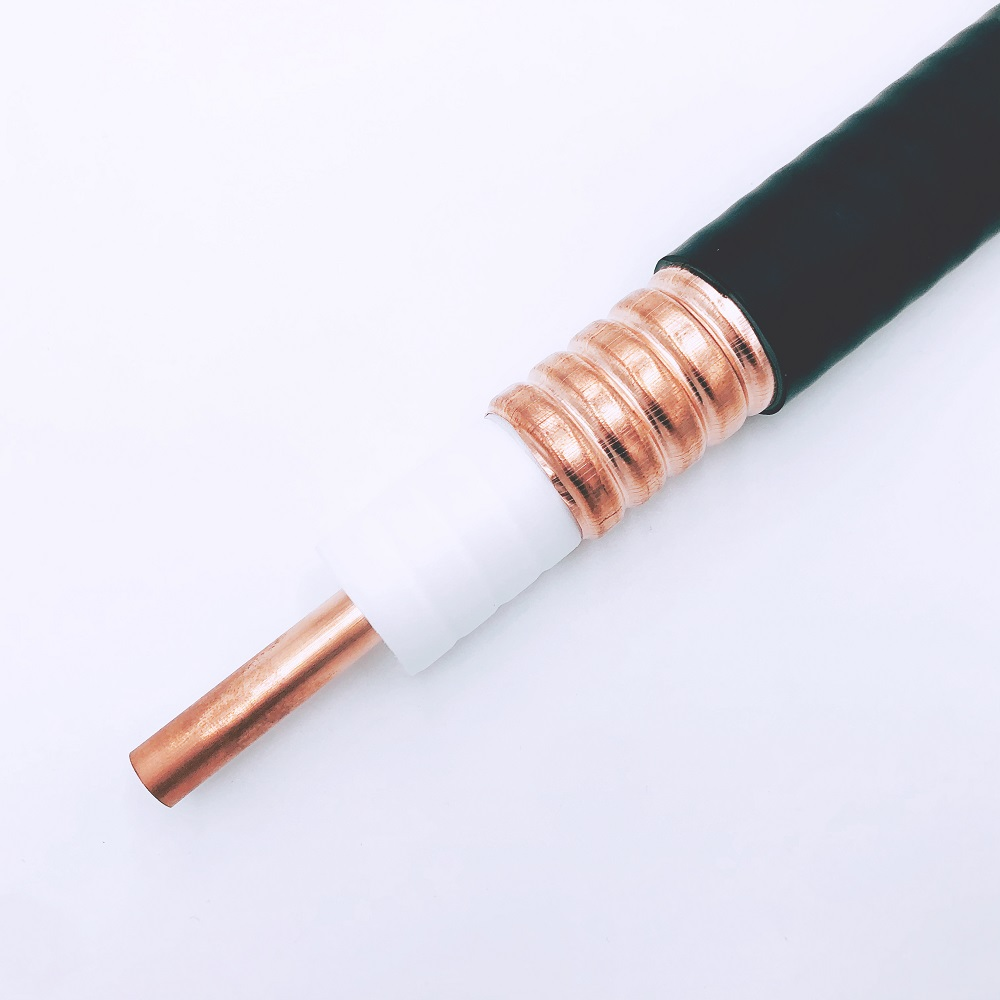
    RF cable is used to transmit RF signals. It has good shielding performance and low - loss characteristics, effectively transmitting signals within the RF frequency range. It’s widely used in wireless communication, broadcast television, and radar fields.
    Get A Quote

    Advantages of the product

    Good Shielding for Signal Integrity

    Has good shielding performance, protecting signals from interference and maintaining integrity.

    Low Loss for Efficient Transmission

    Features low loss, enabling efficient transmission of RF signals over long distances.
    RF cable meters are devices used to measurement the conductors’ parameters in regards to the RF cables including but not limited to attenuation, impedance, and return loss. They are significant devices in regards to cable installation, maintenance, and troubleshootings. These parameters are multivaritate meaning for a certain cost, they specify a lot of functions, hence, by accurately mesuring them, technicians are guaranteed the cables functionality is up to the standards of the RF systems.

    common problem

    Can RF cables be used for long - distance signal transmission?

    Yes. High - quality RF cables can transmit RF signals over long distances with relatively low signal attenuation, maintaining signal integrity.
    Yes. RF cables vary in terms of impedance, diameter, and construction. Some are designed for high - power applications, while others for high - frequency use.
    Proper installation involves avoiding sharp bends to prevent signal degradation. Also, ensure correct connection with RF connectors and protection from environmental factors.

    Related article

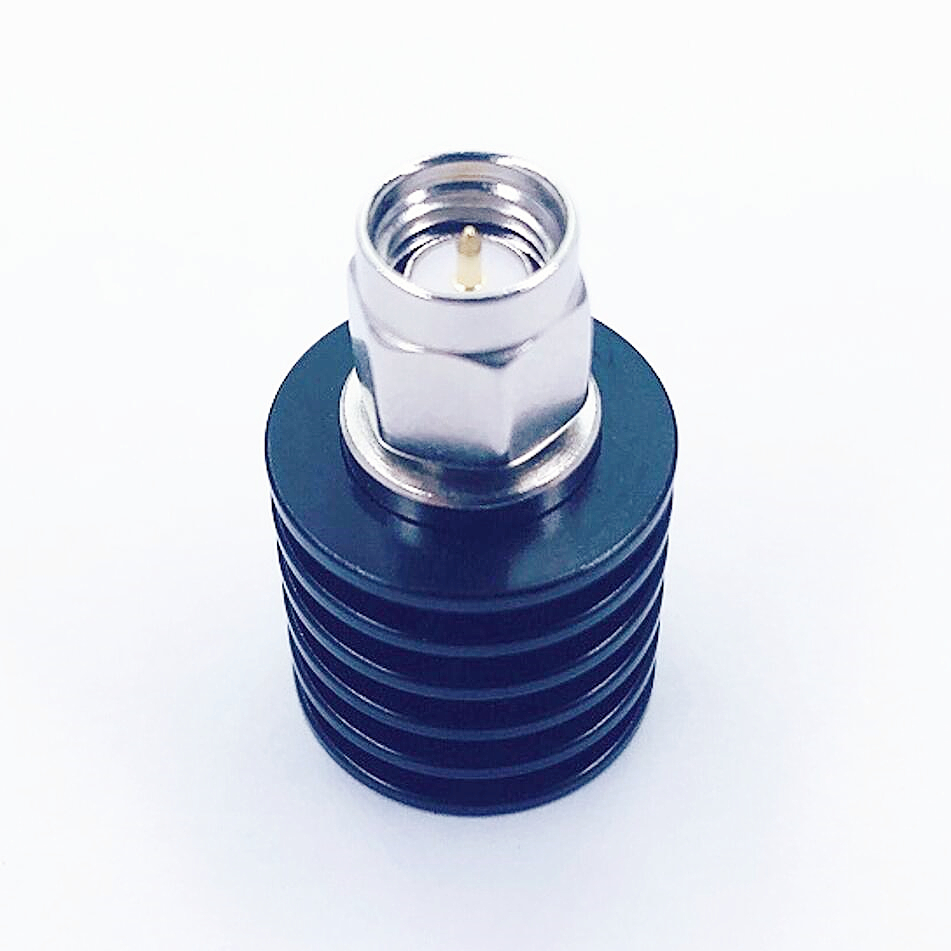
    Why Are Loads Essential in RF System Testing?

    24

    Mar

    Why Are Loads Essential in RF System Testing?

    The Critical Role of Loads in RF System Testing Defining RF Loads and Their Purpose RF loads are essential components in RF circuits as they are designed to absorb power, thus preventing unwanted reflections that can cause signal distortion. By doing...
    View More
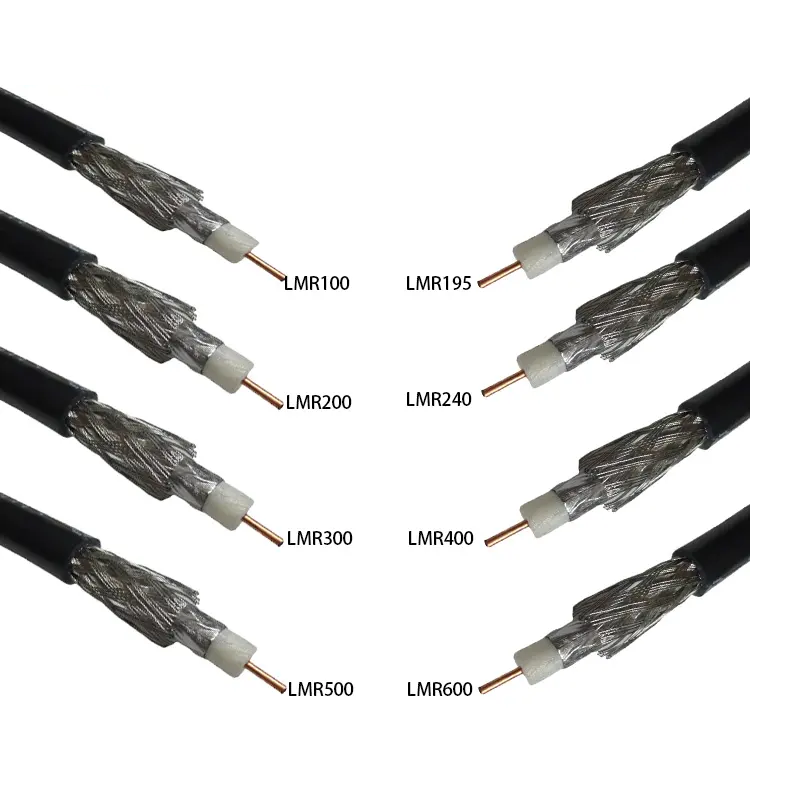
    How to Choose Between LMR600 and LDF4-50C Coaxial Cables?

    24

    Mar

    How to Choose Between LMR600 and LDF4-50C Coaxial Cables?

    Key Differences Between LMR600 and LDF4-50C Coaxial CablesConstruction and Material CompositionThe construction of the LMR600 coaxial cable is designed to optimize signal transmission while maintaining durability. This cable typically includes a soli...
    View More
    Why Are LMR400 Cables Popular in Cellular Infrastructure?

    24

    Mar

    Why Are LMR400 Cables Popular in Cellular Infrastructure?

    Key Advantages of LMR400 Cables in Cellular Infrastructure Low Signal Attenuation at High Frequencies LMR400 cables are renowned for their remarkably low signal attenuation, making them particularly suitable for high-frequency applications such...
    View More
    Feeder Cables How to Select the Right Specifications

    03

    Apr

    Feeder Cables How to Select the Right Specifications

    Understanding Feeder Cable Specifications and Applications Defining Feeder Cables in Power Distribution Systems Feeder cables are fundamental components in power distribution networks, acting as conduits to efficiently transmit electrical energy fro...
    View More

    User evaluation of the product

    Frank

    The RF cable has good shielding performance and low loss. It effectively transmits RF signals in my wireless communication system.

    William

    It performs well in different RF - frequency ranges, making the RF cable a go - to option for RF signal transmission.

    Get a Free Quote

    Our representative will contact you soon.
    0/1000
    Standardized Design for Compatibility

    Standardized Design for Compatibility

    Follows standardized design, ensuring compatibility with various RF devices and systems.