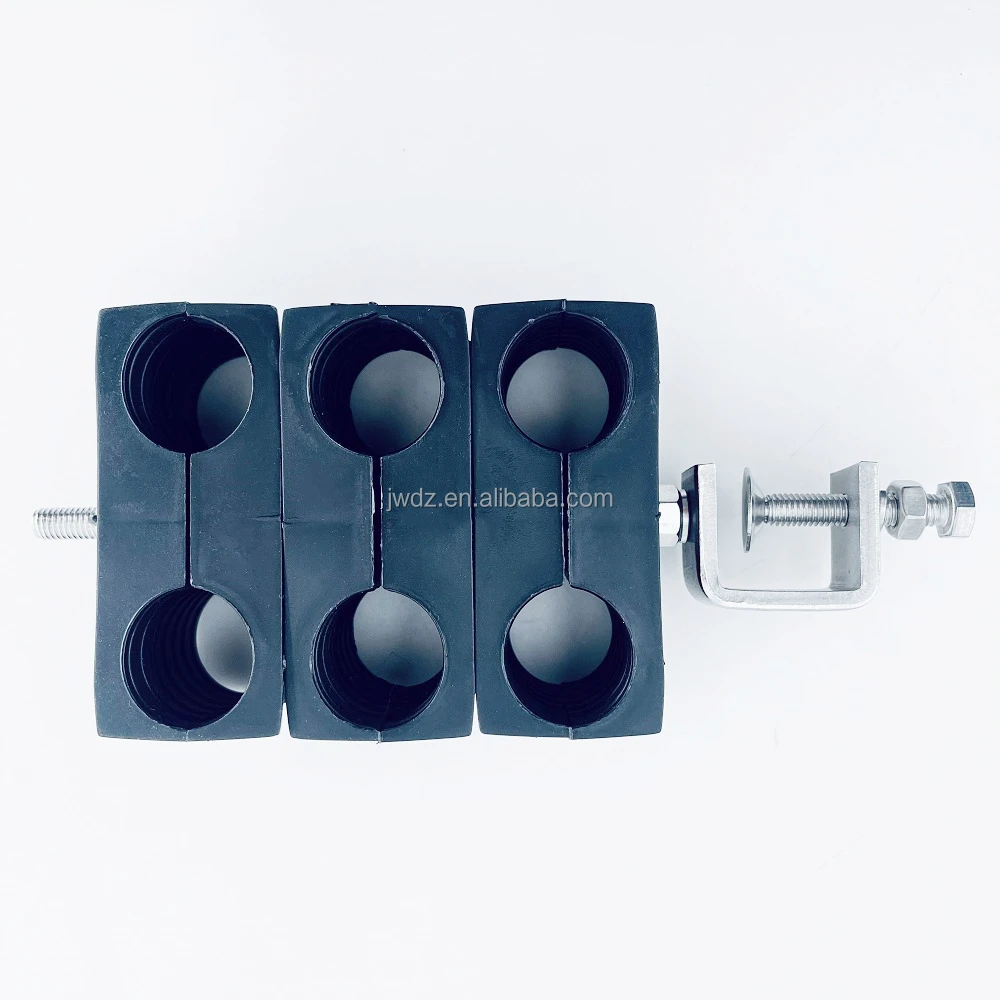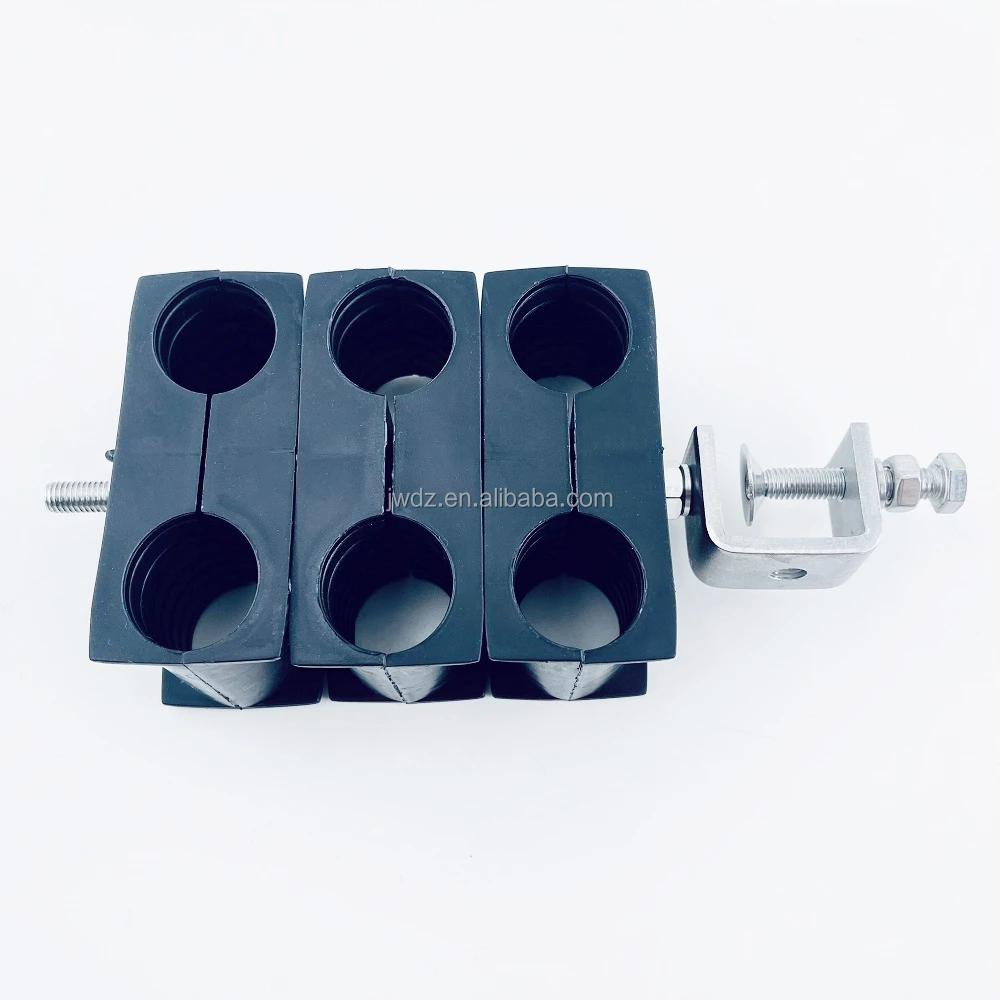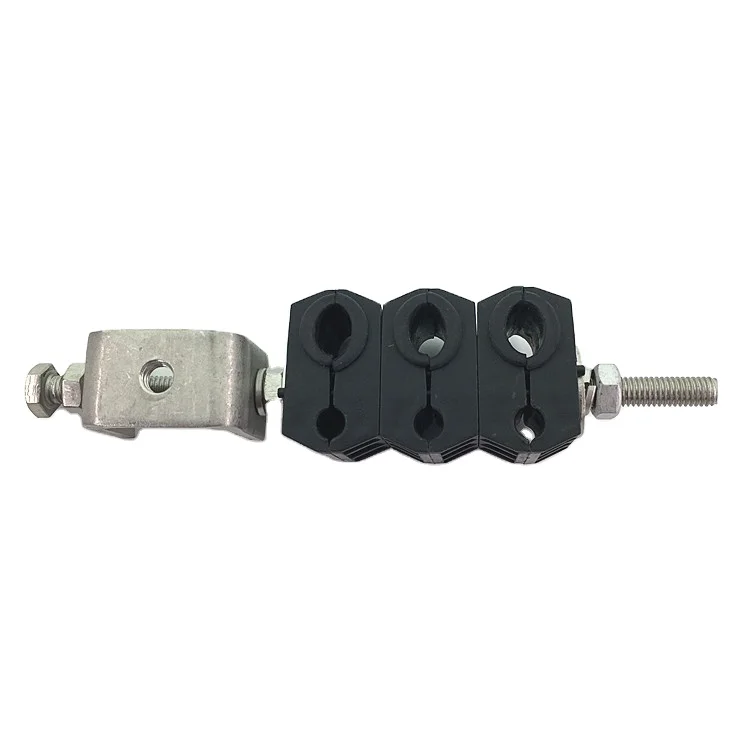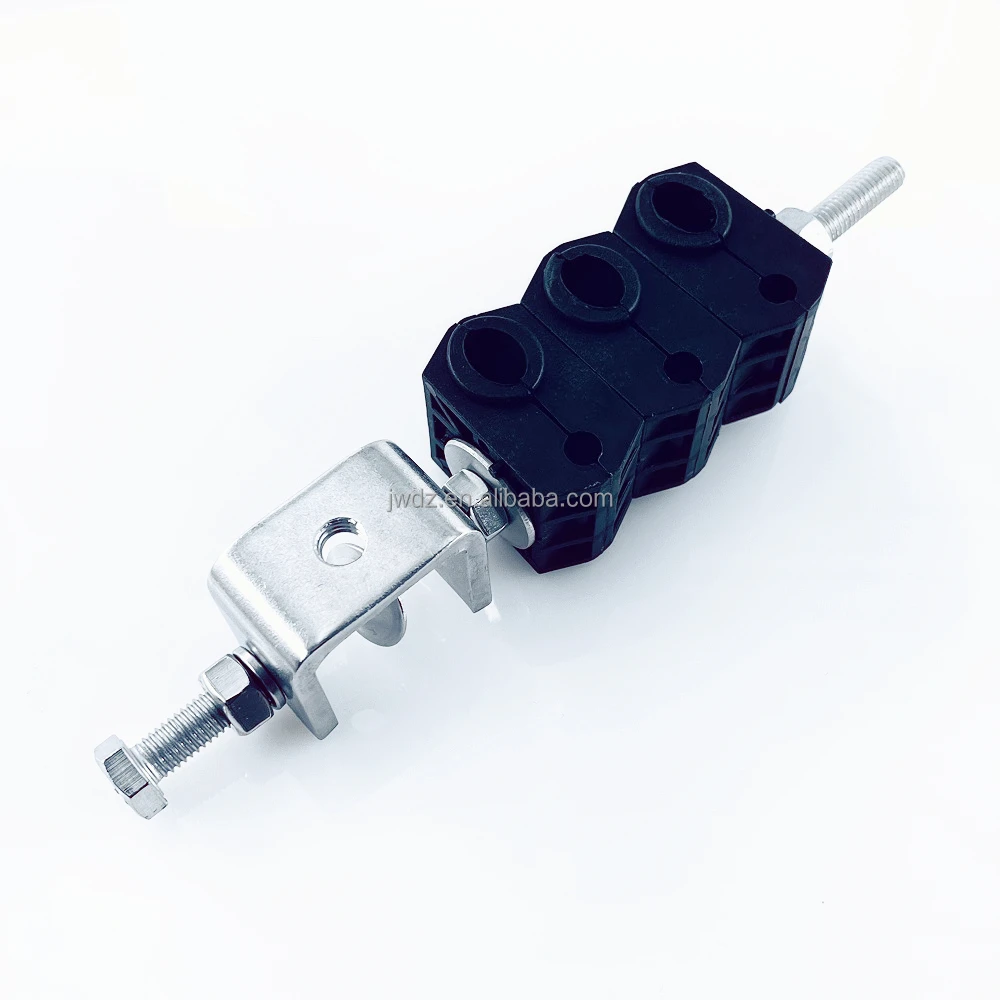
A cable clamp is a device used to fix cables. It firmly secures cables to supports, walls, or other objects, preventing cable sway, displacement, or damage from external pulling, thus ensuring the safe and stable operation of cables.
A U-bolt, saddle, and nuts come together to form a steel wire rope clamp. These clamps are used across various fields, such as construction and marine, for securing a wire rope used in lifting or towing
common problem
What is the purpose of a cable clamp?
The purpose of a cable clamp is to fix cables. It secures cables to supports, walls, or other objects, preventing cable sway, displacement, and damage from external pulling, ensuring cable safety and stable operation.
What materials are cable clamps usually made of?
They are usually made of durable materials like plastic or metal. Plastic clamps are lightweight and corrosion - resistant, while metal clamps offer higher strength and durability.
Are cable clamps suitable for all types of cables?
Most cable clamps are designed to fit a range of cable diameters. However, it’s important to choose the right size clamp to ensure a proper fit and effective cable fixation.
How do you install a cable clamp?
Typically, you place the cable in the clamp’s groove and then tighten the screws or fasteners to secure it firmly to the mounting surface.
Related article
24
Mar
Why Are Loads Essential in RF System Testing?
The Critical Role of Loads in RF System Testing Defining RF Loads and Their Purpose RF loads are essential components in RF circuits as they are designed to absorb power, thus preventing unwanted reflections that can cause signal distortion. By doing...
How to Choose Between LMR600 and LDF4-50C Coaxial Cables?
Key Differences Between LMR600 and LDF4-50C Coaxial CablesConstruction and Material CompositionThe construction of the LMR600 coaxial cable is designed to optimize signal transmission while maintaining durability. This cable typically includes a soli...
RF Cables What Parameters Should Be Focused on in Selection?
Impedance and Frequency Fundamentals
50Ω vs 75Ω Systems
The primary distinction between 50Ω and 75Ω systems lies in their impedance values, which significantly affect their applications and performance characteristics. 50&Ome...