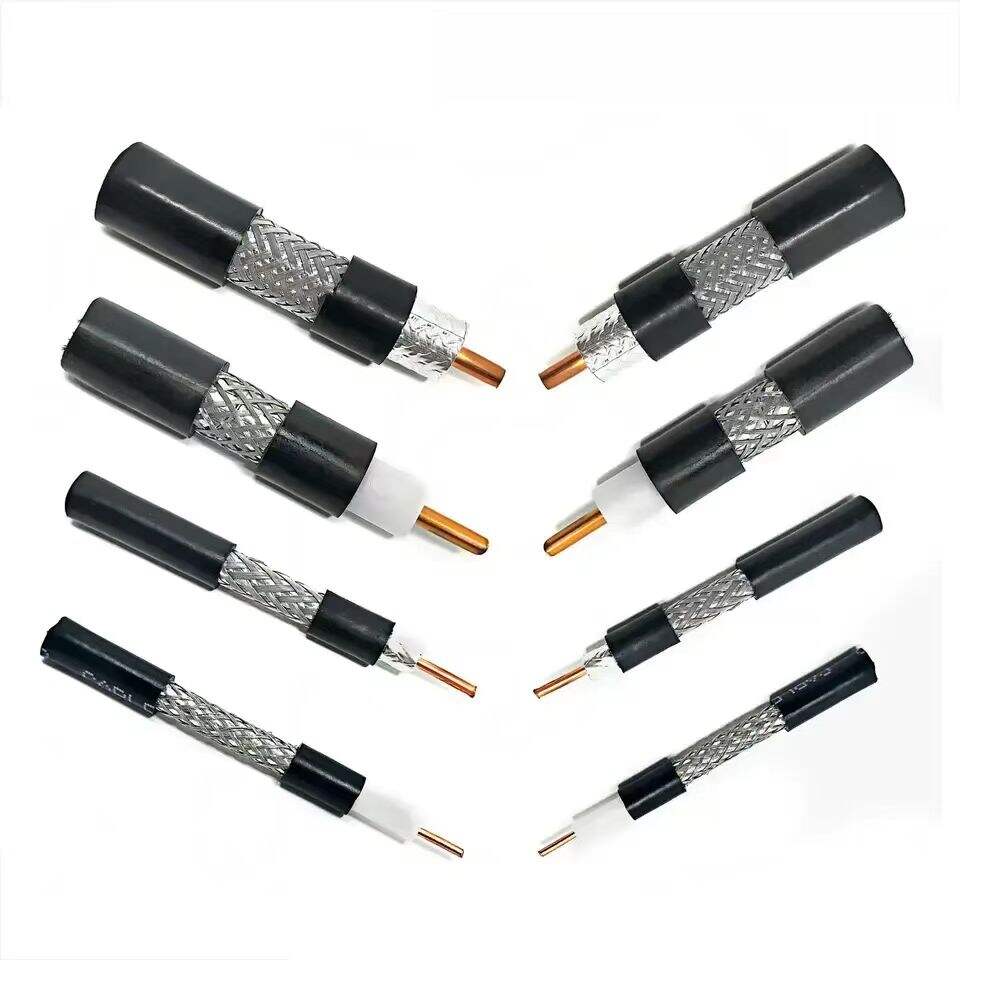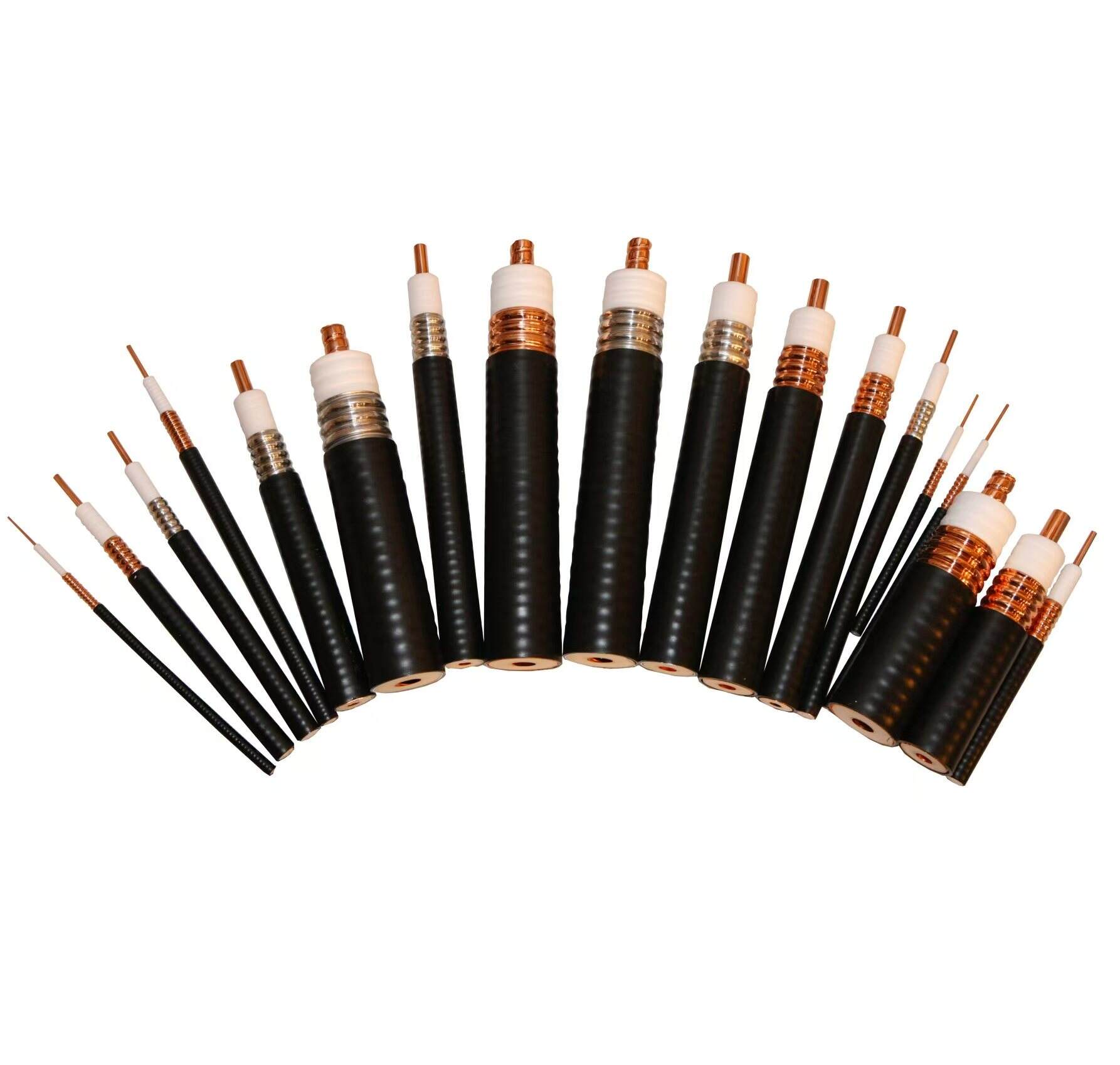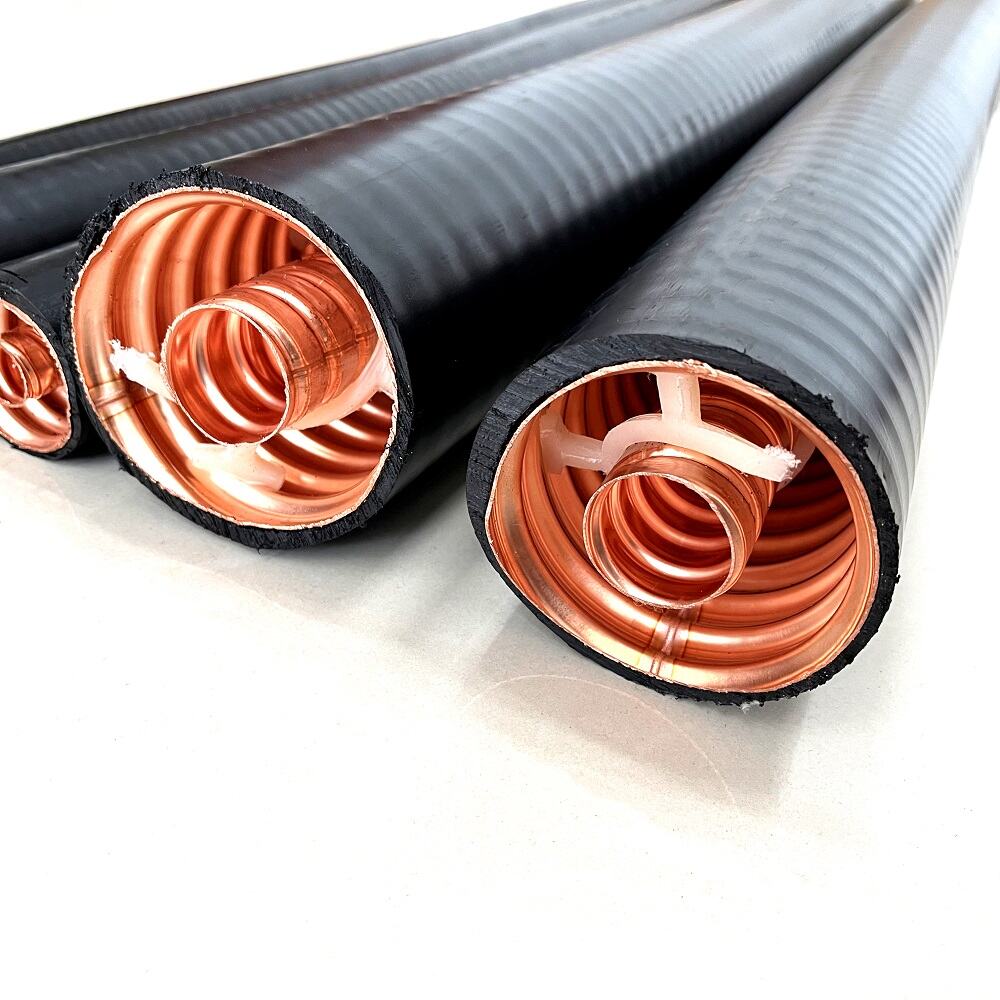
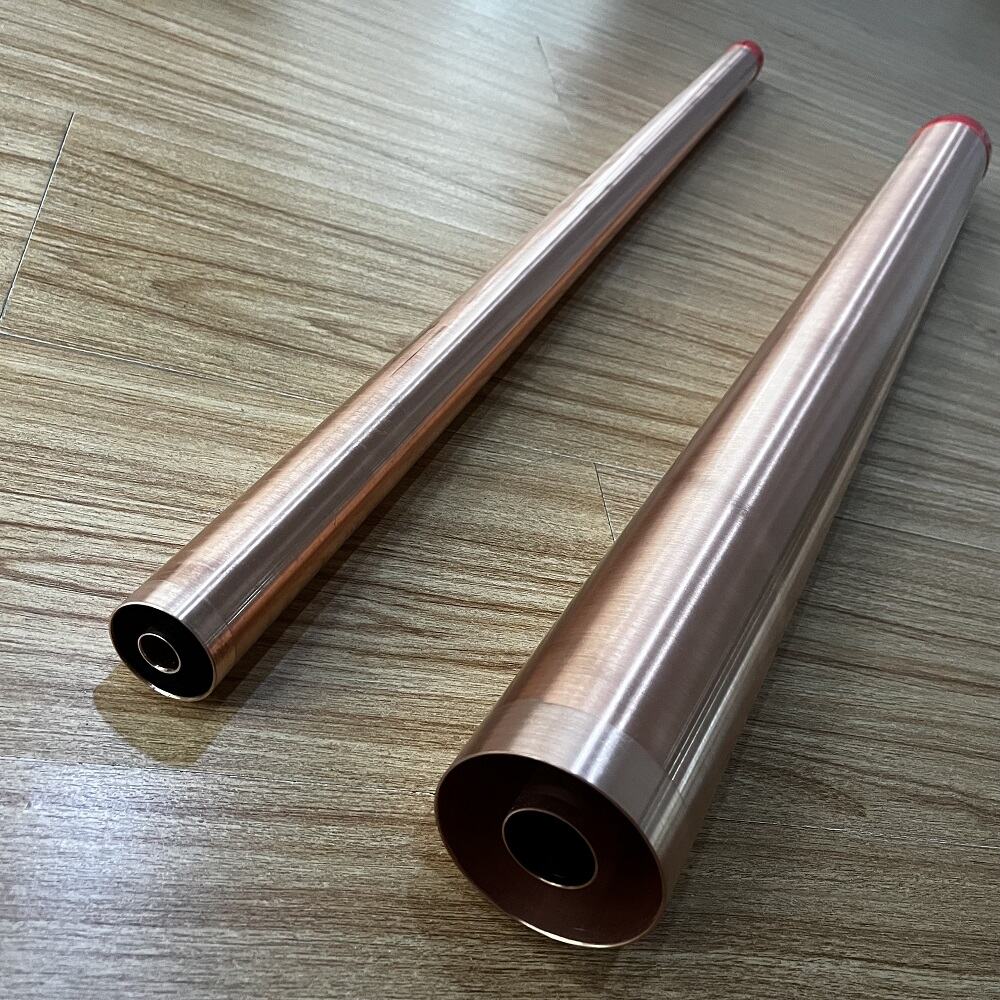
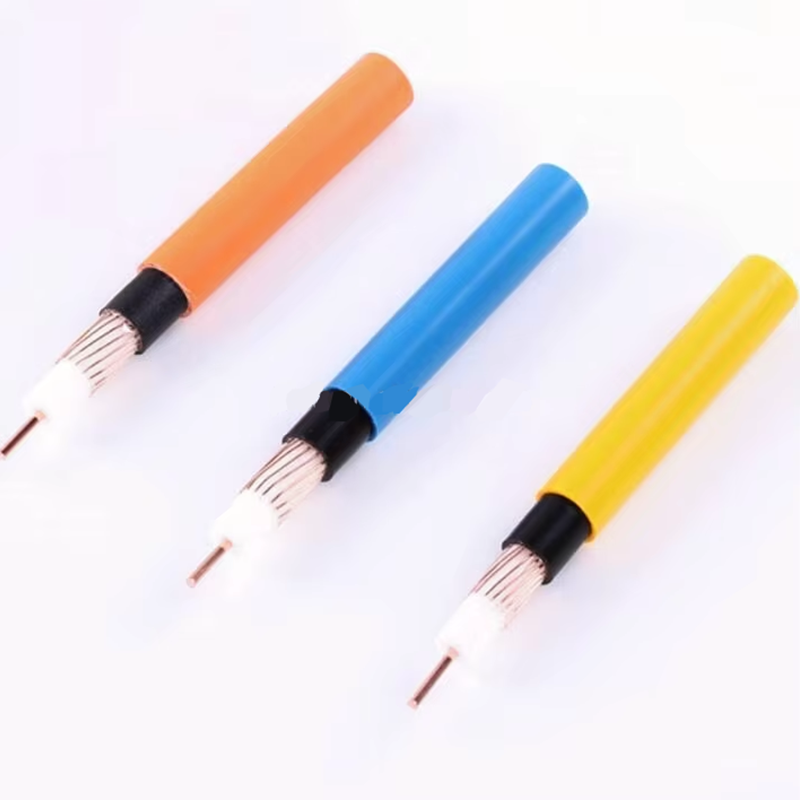
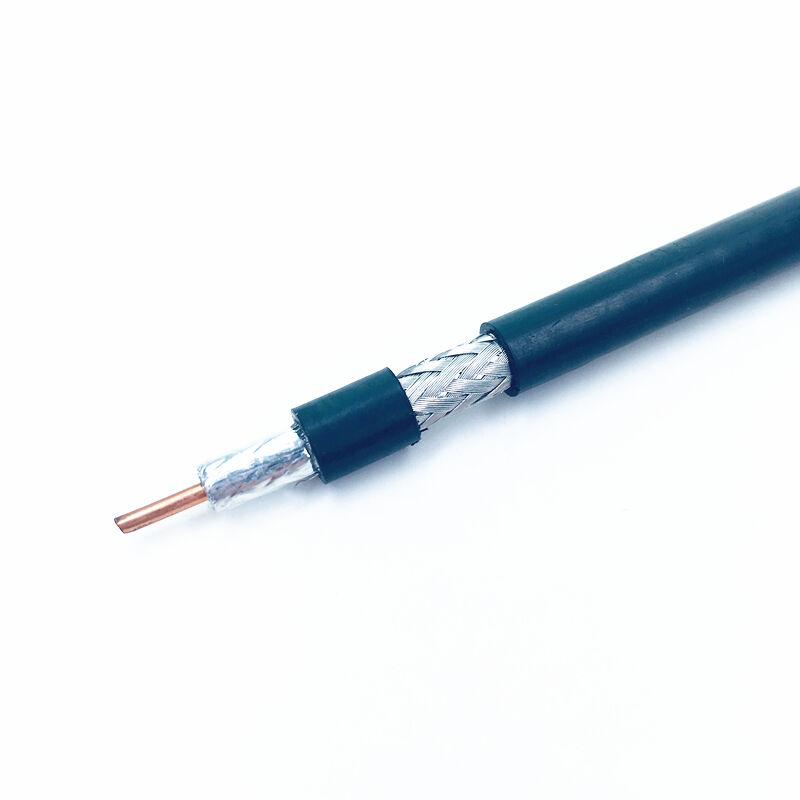
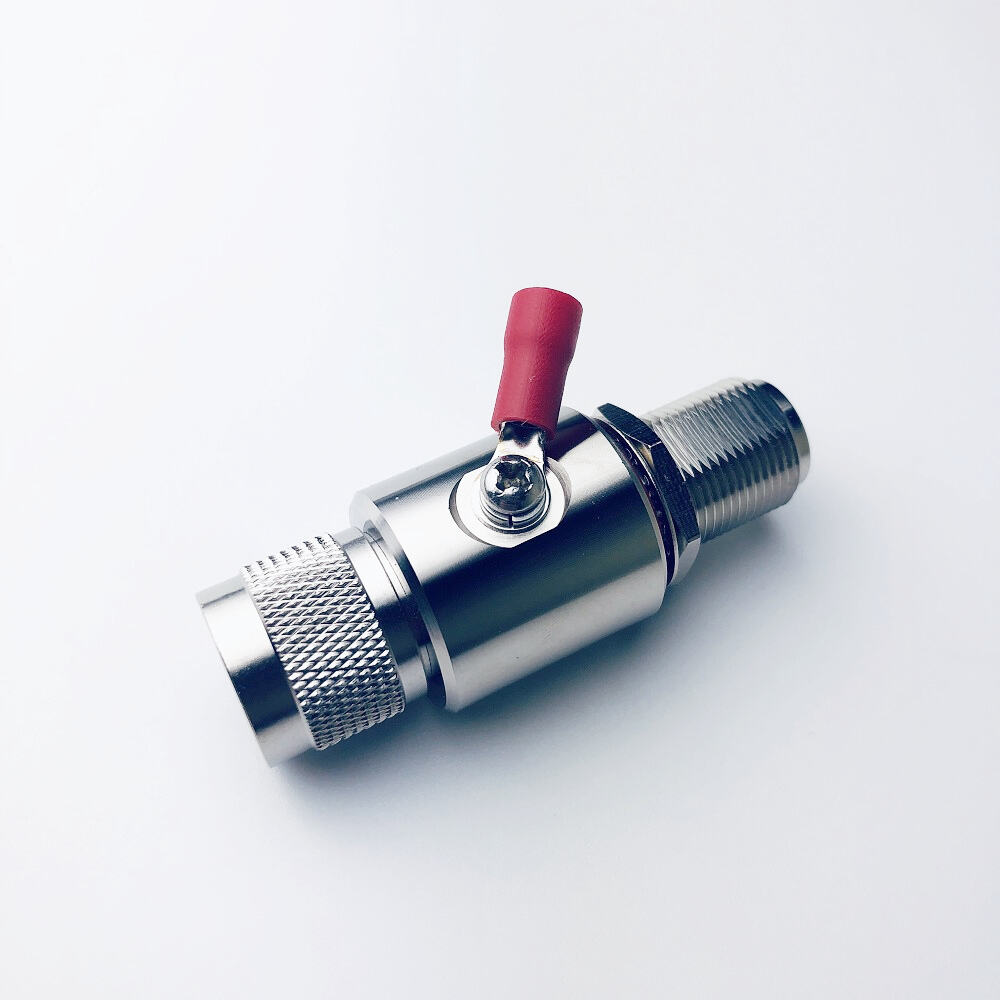
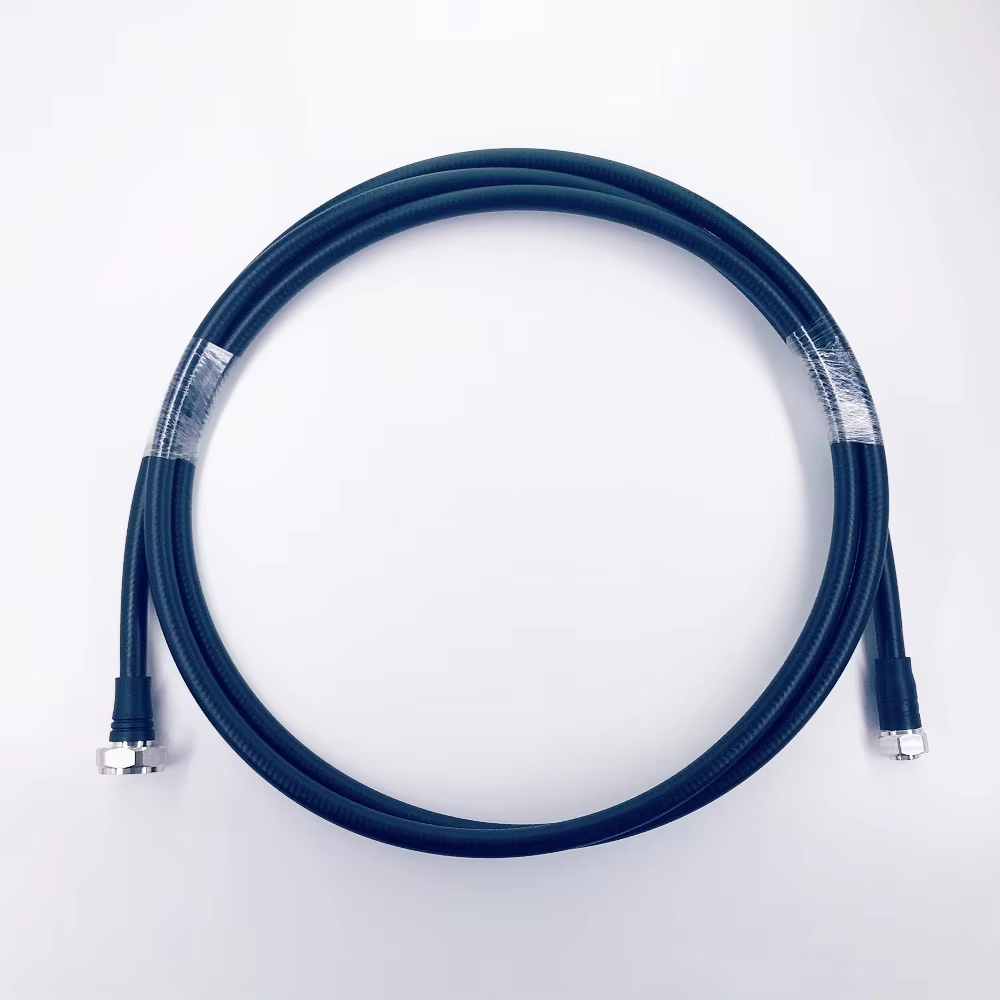
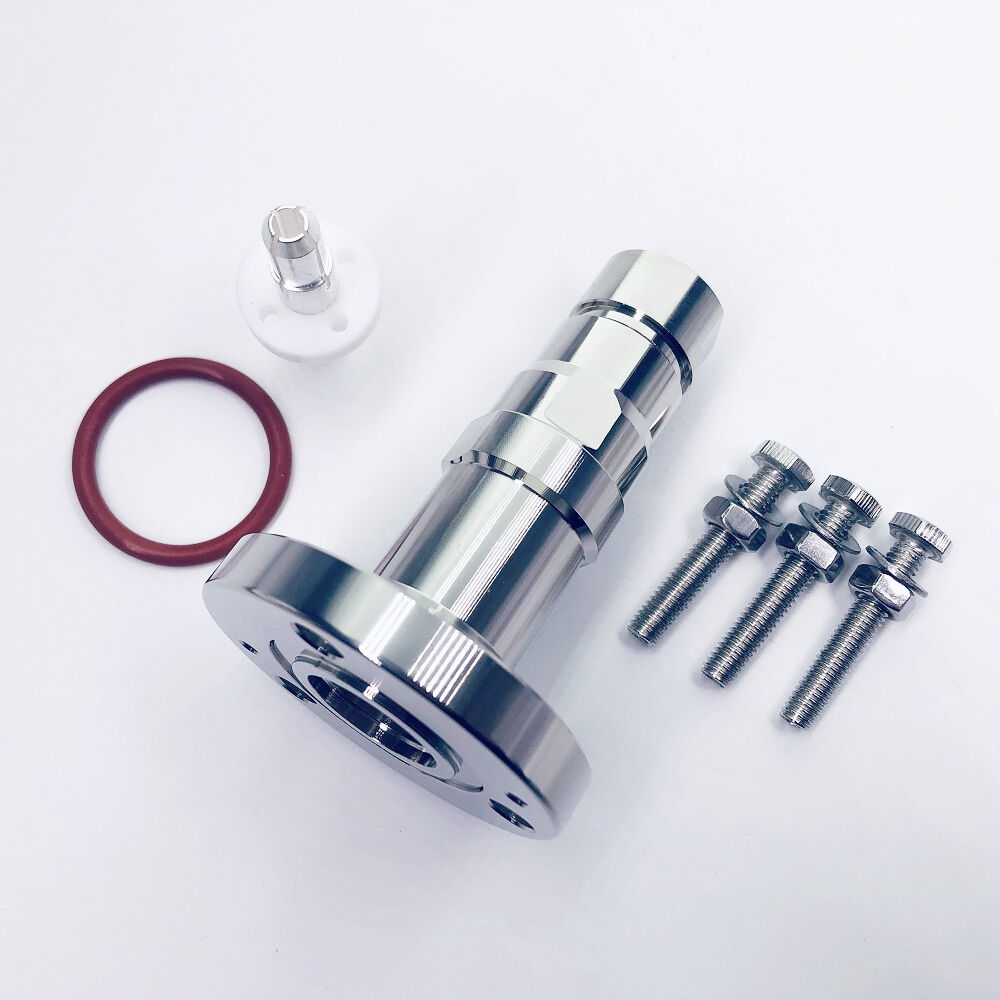
The technical superiority of air dielectric coaxial cable derives from its fundamental design principle: minimizing solid dielectric material to reduce signal energy loss. By utilizing air as the primary insulating medium, these cables achieve attenuation figures significantly lower than solid-dielectric equivalents, particularly at frequencies above 1 GHz. Additional benefits include higher power handling capacity, improved phase linearity, and better temperature stability. Typical constructions incorporate corrugated copper outer conductors with periodically spaced dielectric supports to maintain concentricity while maximizing air volume. Application domains span telecommunications, where they form critical connections in cellular base stations; broadcasting, for high-power transmitter-to-antenna links; and defense systems, for radar and electronic warfare equipment. A documented installation in a metropolitan area network shows air dielectric cables connecting microwave radios across high-rise buildings with path lengths exceeding 10 km. In satellite communication earth stations, they interface high-power amplifiers with antenna feed systems while maintaining signal purity. For distributed antenna systems in large facilities, they minimize loss between central equipment and remote antenna units. Specification considerations include frequency range, power handling requirements, passive intermodulation performance, flexibility needs, and environmental durability. Our product lines address these diverse requirements with options for different diameters, jacket materials, and connector types. We provide comprehensive technical support including system design assistance and installation guidance. For detailed product information and pricing specific to your air dielectric coaxial cable requirements, please contact our technical sales team with your project parameters.
Copyright © 2024 by Zhenjiang Jiewei Electronic Technology Co.,Ltd - Privacy Policy