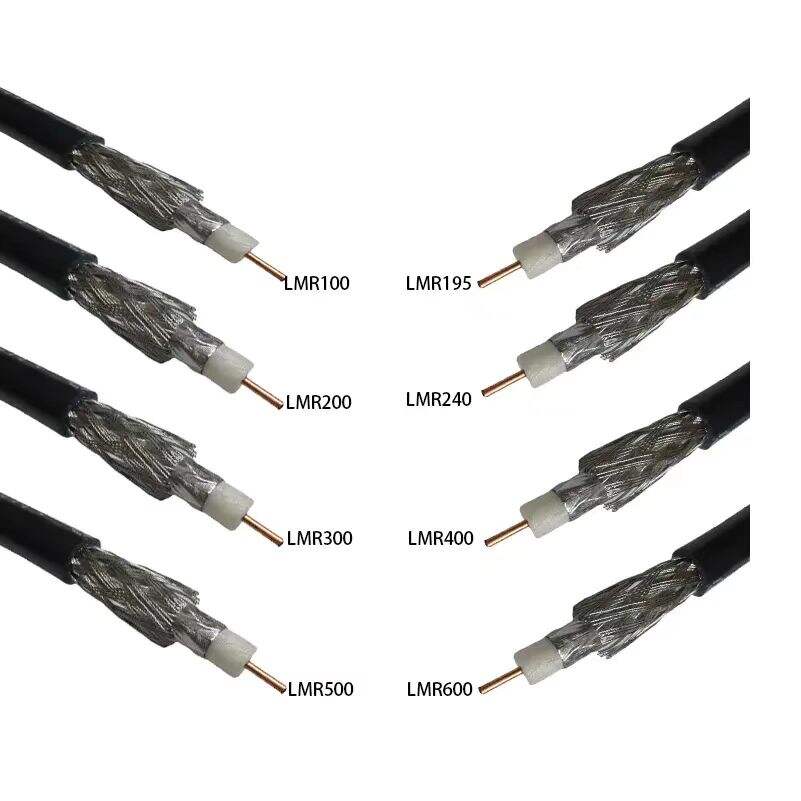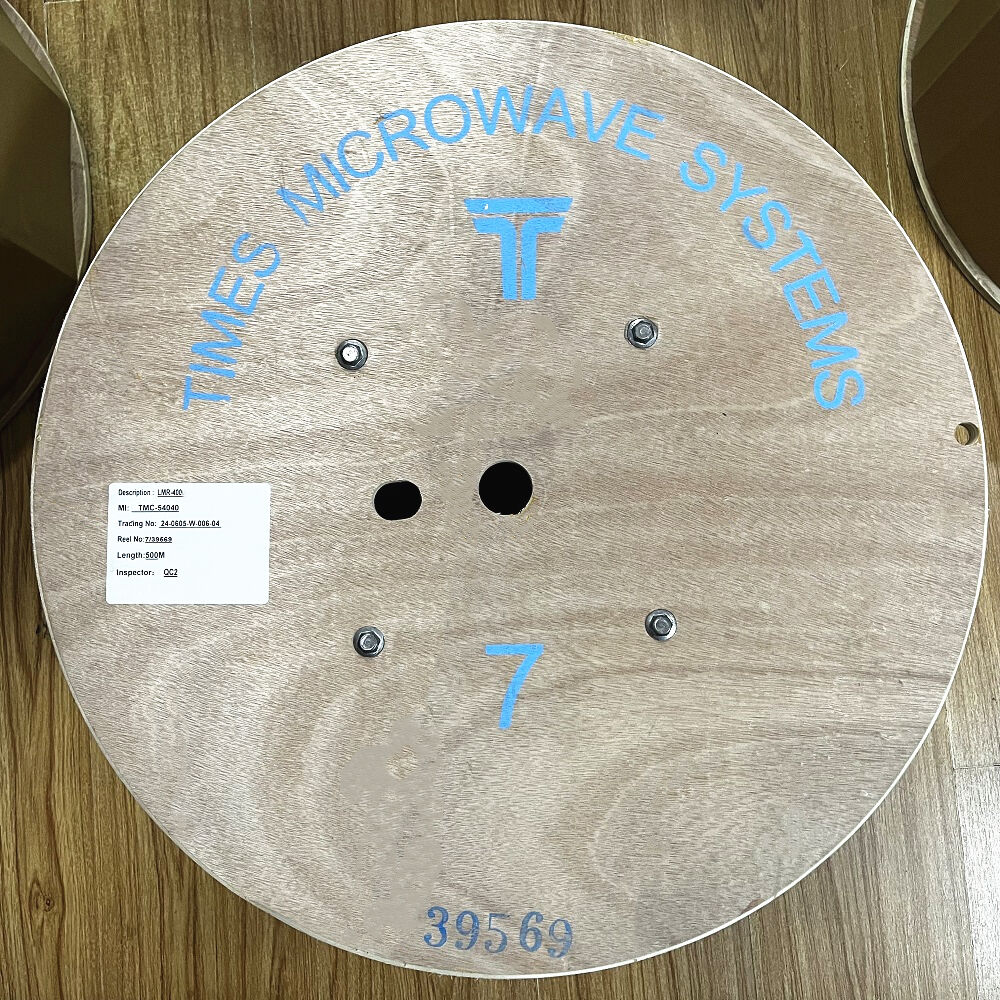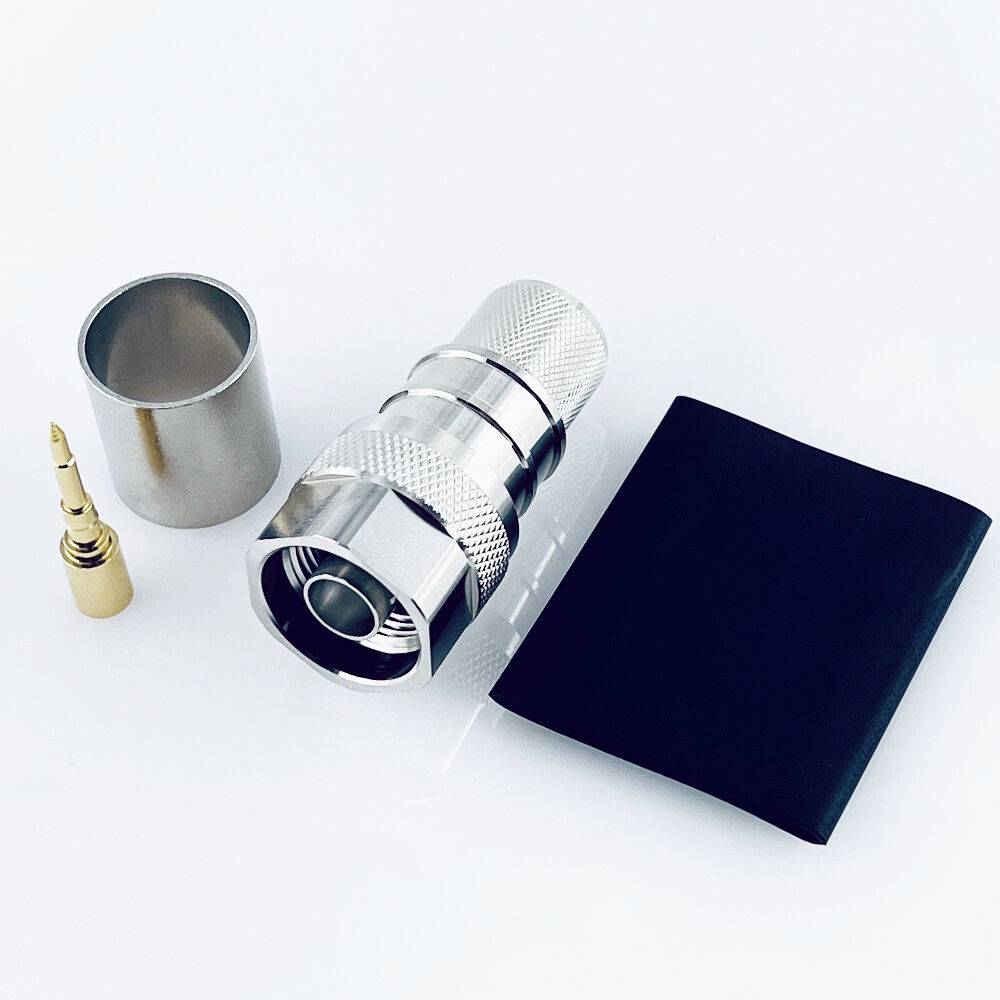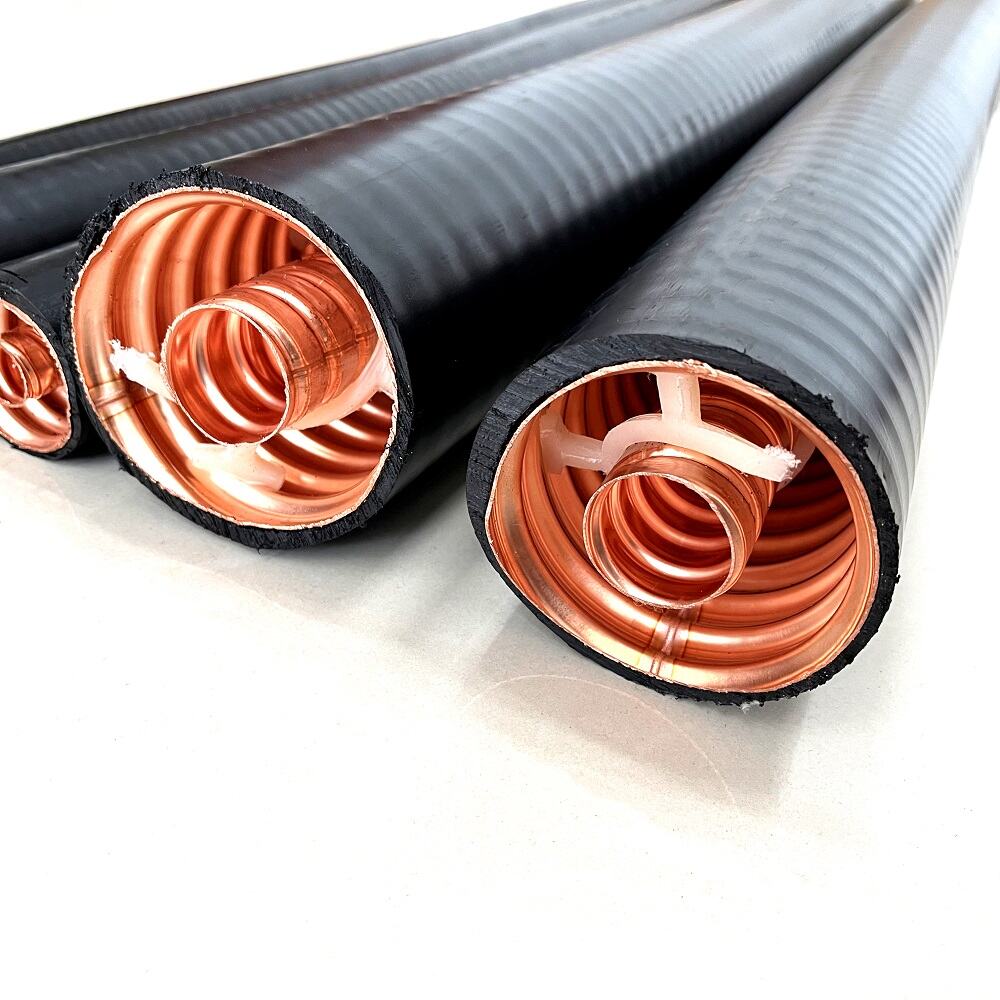
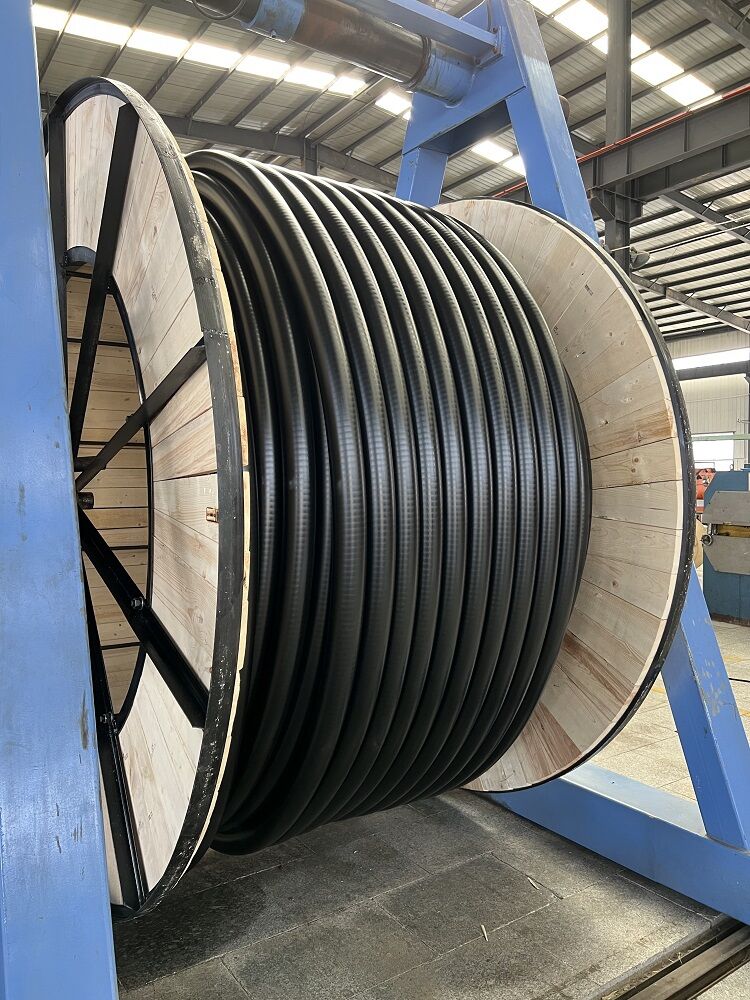
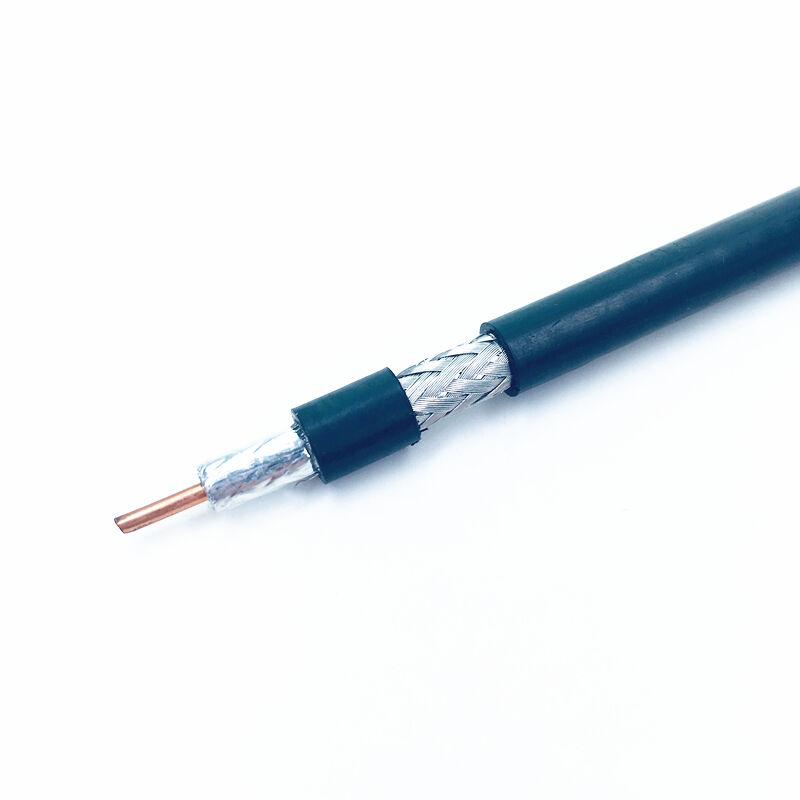
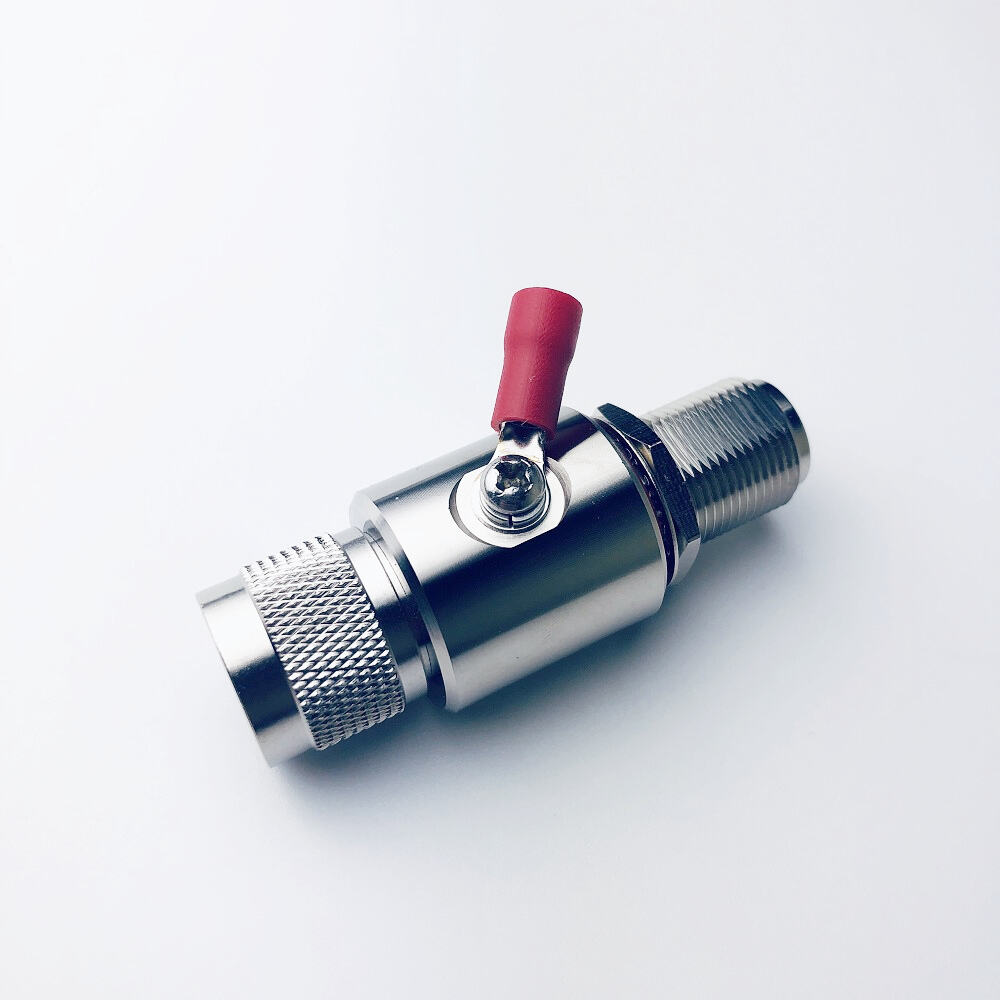
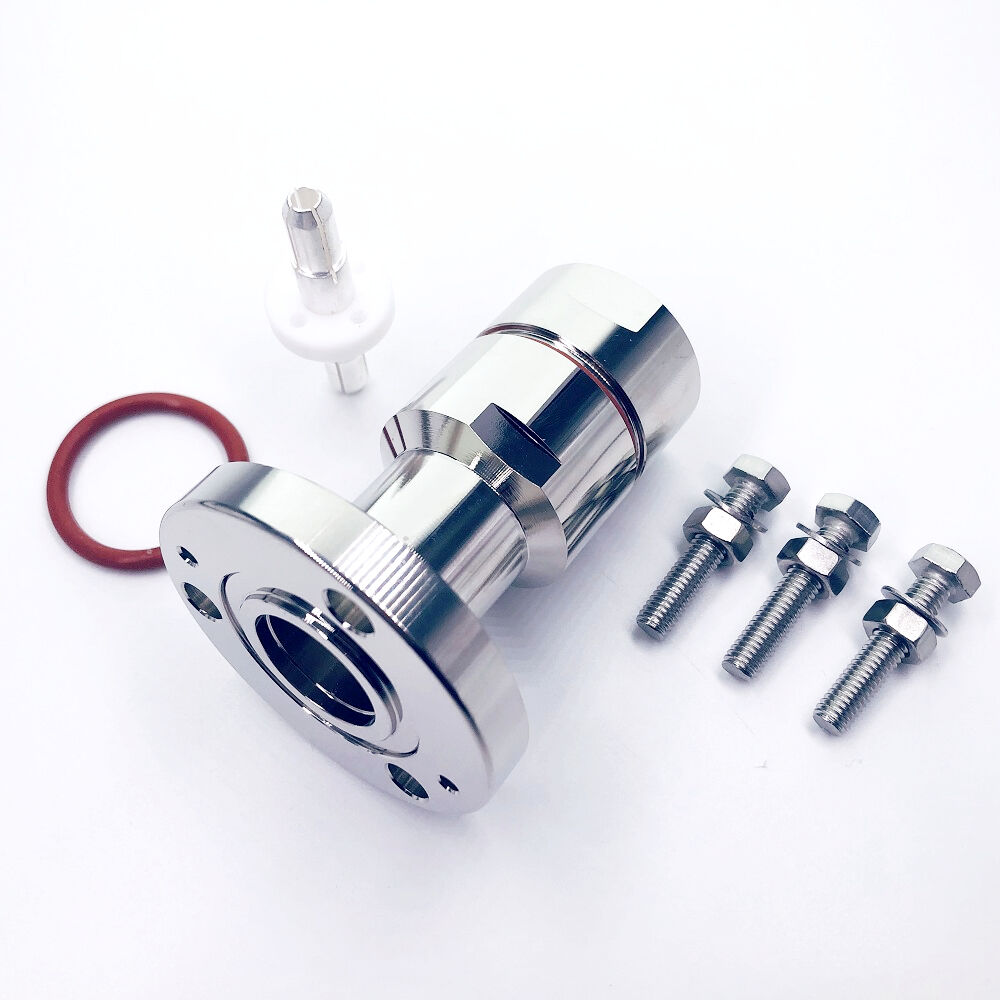
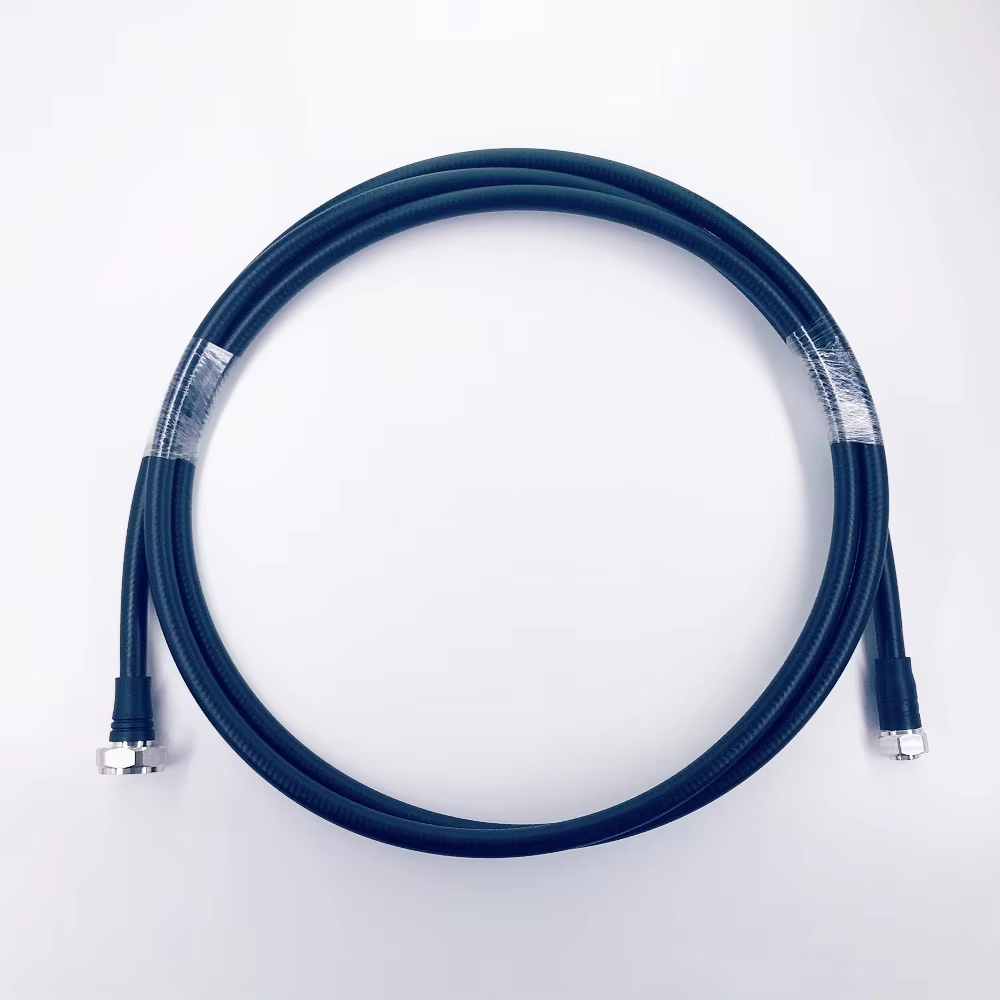
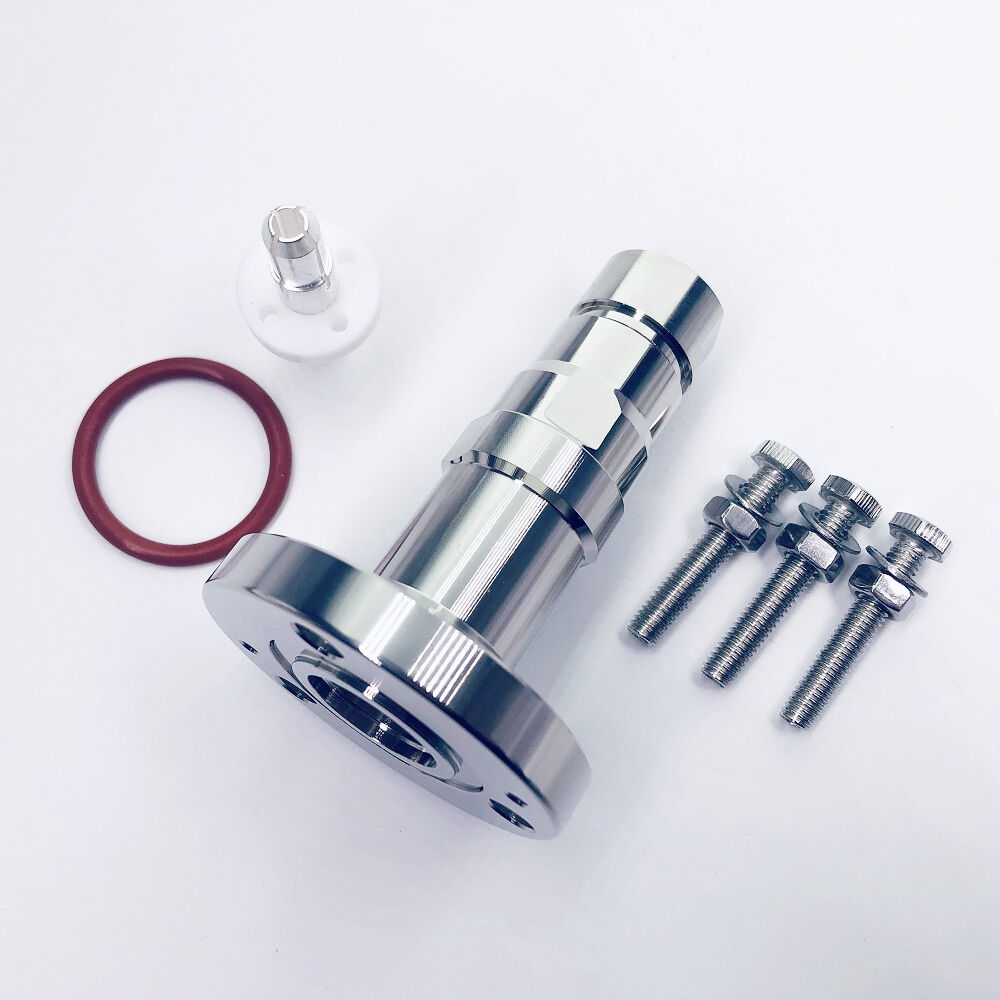
The electromagnetic performance of air dielectric coaxial cable stems from its fundamental design principle: maximizing air volume between conductors to reduce dielectric losses. This yields tangible benefits including lower attenuation (enabling longer runs or reduced transmit power), higher cutoff frequencies extending usable bandwidth, and improved linearity for multi-carrier systems. Typical constructions feature copper or aluminum outer conductors with corrugated walls for flexibility, while maintaining precise impedance control through automated manufacturing. Application domains include macro-cell wireless base stations, microwave point-to-point links, broadcast transmission systems, and defense electronics. An implementation example in public safety communications networks shows their deployment in mountain-top sites connecting antennas to shelter-mounted equipment through conduits. In satellite communication earth stations, they form the critical link between low-noise amplifiers and modems. For scientific applications like particle accelerators, they deliver RF power to cavity resonators with minimal loss. Important specification aspects include frequency-dependent attenuation curves, phase stability versus temperature, passive intermodulation performance, and mechanical parameters like tensile strength and bend radius. Our quality assurance includes rigorous testing for electrical performance, environmental durability, and connector interface reliability. We provide comprehensive technical documentation including installation guidelines and maintenance procedures. To explore our air dielectric coaxial cable offerings and obtain cost estimates based on your specific length, connector, and performance requirements, we invite you to contact our sales department with your detailed specifications.
Copyright © 2024 by Zhenjiang Jiewei Electronic Technology Co.,Ltd - Privacy Policy