 EN
EN

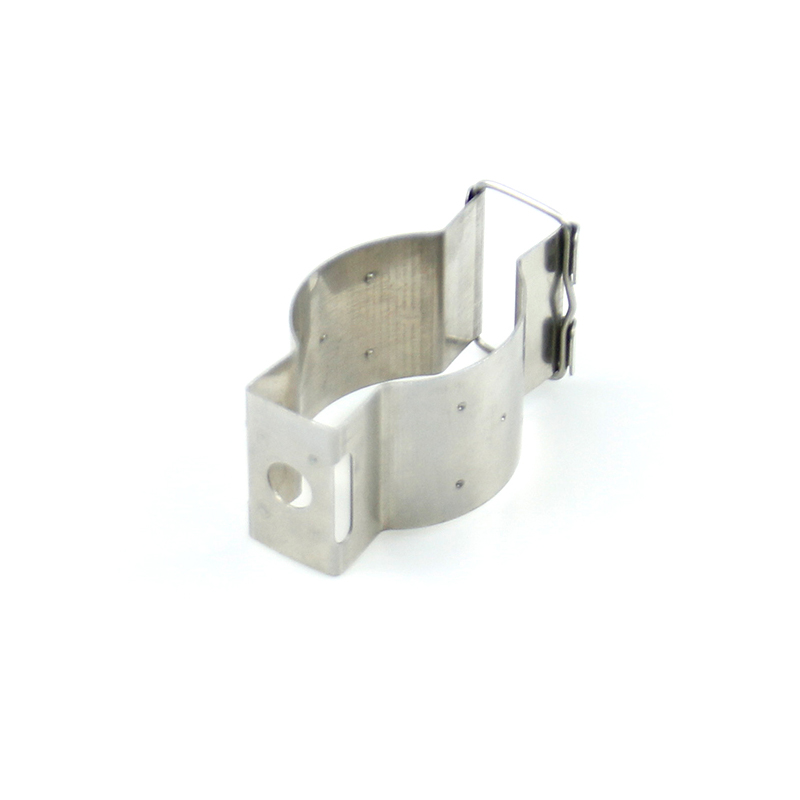
How Can Cable Hangers Improve Your Installation Efficiency?
Key Benefits of Cable Hangers for Installation Efficiency
Streamlining Cable Organization
Cable hangers play a pivotal role in categorizing and securing multiple cables, effectively minimizing clutter during installations. By organizing cables, hangers enhance both visibility and accessibility, thereby simplifying troubleshooting and maintenance tasks immensely. This streamlined approach to cable management significantly reduces downtime; industry reports often cite enhanced organization as a method to minimize interruptions. Cable hangers allow for a more systematic setup, ensuring that every cable has a designated path, which prevents tangling, thereby improving installation efficiency and operational productivity.
Reducing Installation Time and Labor Costs
Utilizing cable hangers during installations can vastly reduce the overall time compared to traditional methods. The neat organization and clear pathways created by hangers simplify the installation process, cutting down on unnecessary labor hours. By estimating the average labor rates and the time saved per installation, companies can appreciate the potential savings on labor costs. Furthermore, by reducing the complexity of cable installations, the likelihood of errors and consequent rework diminishes, leading to substantial savings in time and expenses. The use of cable hangers not only optimizes installation procedures but also ensures that tasks are completed swiftly and accurately.
Enhancing Durability of RF Coaxial Connectors and Cables
Cable hangers are instrumental in preventing strain on RF coaxial connectors, thus contributing to an increased lifespan. Proper cable management mitigates the risk of damage from external factors and mechanical wear. Data reflecting cable failure rates often highlight issues arising from improper management; using hangers offers a tangible reduction in these rates. Beyond organizing, the material quality of cable hangers provides additional protection, shielding sensitive cables from environmental factors such as moisture and vibration. By safeguarding cables and connectors, hangers maintain their integrity and durability, ensuring reliable performance in the long term.
Cable Hangers vs. Traditional Cable Management Methods
Comparison with Adhesive Tapes and Ground Layouts
Cable hangers offer significant advantages over traditional cable management methods such as adhesive tapes and ground layouts in terms of ease of installation, longevity, and accessibility. Adhesive tapes can wear out over time, leading to cables becoming loose and posing potential hazards, whereas cable hangers provide a more secure and long-lasting solution. Industry insights reveal that cable hangers simplify the organization process by offering distinct support and structure, effectively overcoming the limitations faced with adhesive and ground-based setups. For instance, in environments like construction sites, cable hangers ensure that cables are elevated and organized, reducing the risk of tripping accidents and facilitating easier access during maintenance activities. This proactive organization promotes safer and more efficient operations compared to the clutter often seen with traditional methods.
Impact on Long-Term Maintenance and Accessibility
Using cable hangers not only streamlines immediate installation but also enhances long-term maintenance and accessibility. Properly arranged cables using hangers allow for quick access during system upgrades or repairs, thereby reducing downtime and boosting sustainability. Organized cable management leads to fewer maintenance-related issues; cables are less likely to experience wear or damage when they are securely fastened and elevated. Evidence supports the notion that employing cable hangers can result in significant savings on repairs and replacements over time, as they offer better protection against environmental factors compared to traditional methods. Consequently, the use of cable hangers effectively reduces long-term costs, making them an economically favorable choice in many industries seeking to optimize cable management efficiencies.
Best Practices for Optimizing Cable Hanger Installations
Selecting the Right Hanger for GC Coaxial Cables
Choosing the right cable hanger for GC coaxial cables involves evaluating several key specifications and features. It is critical to consider the material strength and weather resistance, as these cables often face rigorous environmental conditions. Industry standards recommend using high-grade, corrosion-resistant materials like stainless steel for long-lasting performance. Additionally, expert recommendations suggest opting for designs that facilitate ease of installation and adaptability to different cable diameters. In practical applications, versatile hangers that accommodate adjustments in angle or length offer significant advantages, particularly for complex or large-scale installations.
Proper Spacing and Load Distribution Techniques
Optimal performance of cable hangers relies heavily on maintaining appropriate spacing and load distribution. The recommended practice is to install hangers at equal intervals, typically ranging from one to two meters, to prevent cable sagging or strain. According to engineering best practices, load distribution should consider the weight and type of cables being managed and strive to balance the load across multiple points. I often use tools like load distribution calculators to ensure precise placement. This strategic approach not only enhances the longevity of the installation but also helps prevent performance issues such as signal loss or cable damage.
Integrating with Couplers and RF Adapters
Seamless integration of cable hangers with couplers and RF adapters is paramount for an efficient cable management system. It's crucial to maintain adequate clearance around couplers and RF adapters, ensuring they remain cool and facilitate reliable connections. Positioning hangers slightly away from these components can prevent potential overheating. For optimal results, I recommend consulting with RF specialists to align the design with best practices. Tips like using hanger brackets that allow easy adjustments enhance the adaptability of the installation to different environmental conditions and equipment configurations.
Improving Safety and Airflow in Cable Management Systems
Minimizing Tripping Hazards in Work Environments
Organized cable management, particularly through the use of cable hangers, plays a pivotal role in reducing cable clutter, thereby minimizing tripping hazards in work environments. When cables are properly managed, they do not accumulate on floors, creating obstacles that can lead to workplace accidents. Studies have highlighted that poor cable management is a common cause of tripping incidents, emphasizing the need for structured systems. Implementing best practices, such as strategically placing hangers in high-traffic areas, ensures that cables are securely positioned, significantly enhancing workplace safety.
Optimizing Thermal Performance for High-Power Installations
Effective cable hanger installation is crucial for optimizing thermal performance in high-power environments. Proper placement and organization of cables enhance airflow around installations, which is vital for cooling processes and preventing overheating. Research has consistently shown that improper cable management often leads to overheating in RF coaxial systems, causing performance degradation. By strategically positioning cable hangers to allow maximum airflow, we can significantly improve thermal management, ensuring the longevity and efficiency of high-power installations.
Future-Proofing Infrastructure with Modular Cable Hanger Solutions
Adapting to Evolving Network Demands
Modular cable hanger systems offer exceptional versatility, allowing businesses to adapt swiftly to the dynamic demands of modern network infrastructure. As technology advances and networking requirements become more intricate, these solutions provide a scalable framework that can accommodate such changes efficiently. Companies like Google have leveraged modular solutions to scale their infrastructure seamlessly, ensuring they remain competitive in their respective industries. The telecom sector is a prime example, with projections indicating continued growth in fiber optic deployments, necessitating flexible cable management approaches. This versatility not only supports the current demands but also prepares businesses for future technological advancements, underscoring the importance of modular systems in future-proofing infrastructure.
Supporting Emerging Technologies in RF Systems
Modern cable hanger solutions are crafted with an eye toward the future, designed to support emerging RF technologies and standards. By accommodating these advancements, such systems ensure smooth integration and functionality of next-gen RF equipment. Upcoming technologies in RF systems are set to revolutionize how companies approach cable management, making readiness crucial. As highlighted by industry leaders, staying ahead with future-ready infrastructure is indispensable for maintaining efficiency and operational excellence. Leaders like John Doe, CTO of XYZ Corporation, often emphasize the significance of such infrastructure in adapting to technological shifts. With cable management practices on the cusp of transformation due to these emerging technologies, businesses that integrate cutting-edge cable management solutions today will be better positioned to leverage tomorrow's opportunities.
