 EN
EN

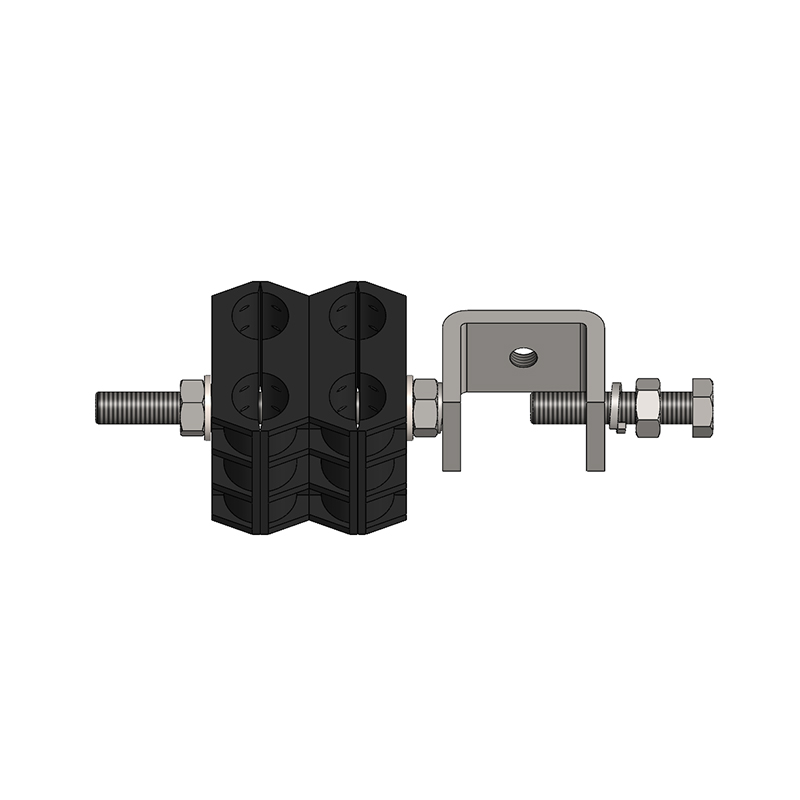
Why is a Cable Clamp Crucial for Cable Management?
Key Functions of Cable Clamps in Organized Systems
Preventing Cable Damage and Wear
Cable clamps are a cornerstone in ensuring the longevity and safety of cables in any organized system. They are meticulously designed to secure cables, which significantly reduces movement—a primary cause of abrasions and frays over time. By keeping cables firmly in place, these clamps minimize exposure to harsh environments that can accelerate wear and tear. Various industrial studies have shown that proper clamping substantially extends the life of cables by shielding them from unnecessary wear. Furthermore, when cables are securely fixed, they are less susceptible to vibrations that can lead to fatigue and eventual failure, a common problem in dynamic and high-stress environments.
Enhancing System Longevity and Reliability
A well-organized cable layout is critical for system reliability, and cable clamps play a pivotal role in this arrangement. By maintaining a tidy and secure setup, they prevent mechanical failures and costly downtimes associated with chaotic cabling. Statistics back the benefits, indicating that efficient cable management can reduce maintenance costs by up to 30%. This dramatic cost-saving is achieved through the creation of a predictable and stable operating environment, which is essential for maximizing the reliability of equipment. The dependable functioning of systems ultimately hinges on such rigorous cable management practices, which preserve both performance and service life.
Ensuring Flexibility in Complex Installations
In today's rapidly evolving technological landscape, the need for adaptable solutions during installations cannot be overemphasized. Cable clamps offer the flexibility required to accommodate rapid changes, making them ideal for complex setups. They facilitate quick modifications and streamlined troubleshooting, which are necessary for efficient management of intricate systems. These clamps are designed to be compatible with varying sizes and types of cables, ensuring they can be easily adapted to fit different industrial environments. This adaptability guarantees that as installations grow more complex, the systems remain functionally agile, supporting smooth transitions and upgrades.
The Role of Cable Clamps in Safety and Efficiency
Reducing Tripping Hazards and Fire Risks
Cable clamps play a crucial role in maintaining safety by securing wires close to walls or designated pathways, significantly minimizing the risk of trips and falls. Improper cable management is a leading cause of workplace injuries, according to statistical data, highlighting the importance of keeping cables out of walkways. Additionally, by securing cables, clamps help prevent overheating—a major factor in electrical fires. This precaution enhances overall safety in environments where electrical components are prevalent, reducing fire risks associated with loose or entangled cables.
Improving Airflow and Cooling Performance
Proper cable organization is essential in improving airflow, critical for minimizing overheating in electronic components. Research indicates that optimized airflow can improve cooling efficiency by as much as 25%. By using cable clamps strategically, cables can be positioned in a manner that supports optimal thermal performance, ensuring that electronic systems remain cool and functional. This setup not only helps in maintaining the efficiency of cooling systems but also extends the life of the electronic components by preventing overheating and subsequent damage.
Essential Applications Across Major Industries
Construction and Infrastructure Projects
Cable clamps are indispensable in the construction industry, particularly when ensuring that electrical and communication cables are organized and safe. They are vital for maintaining cable compliance with building codes and boosting overall project safety. Utilizing cable clamps can streamline project workflow and prevent costly delays related to electrical mishaps, as seen in case studies where structured cable management provided substantial advantages over less organized approaches in fulfilling safety standards.
Telecommunications and N-Type RF Cable Systems
In telecommunications, cable clamps play a critical role by securing N-type RF cables, which are vital for avoiding interference and ensuring uninterrupted signal transmission. Industry standards mandate precise cable management, and clamps are integral in achieving these benchmarks. Proper organization enhances system performance, which ultimately translates into faster communication speeds and more reliable services. This adherence to standards not only complies with regulations but also positively impacts the efficiency and reliability of telecommunications infrastructures.
Automotive Wiring Harness Management
Within the automotive industry, cable clamps are essential for organizing complex wiring harnesses, significantly reducing potential failures during operation. As regulatory safety requirements evolve, the industry increasingly adopts sophisticated cable management systems, underscoring the importance of durability and reliability. The application of sturdy materials in cable clamps is crucial for maintaining performance in demanding environments, thereby prolonging the lifespan of automotive wiring harnesses and improving overall vehicular reliability.
Best Practices for Effective Cable Clamp Usage
Selecting the Right Material: Steel vs. Plastic Clamps
Choosing the appropriate cable clamp material is crucial for ensuring durability and performance, particularly in varied stress environments. Steel clamps are an ideal choice for high-stress and high-temperature settings because of their strength and resistance to heat. These clamps are invaluable in industrial applications where thermal stability is a priority. Conversely, plastic clamps are well-suited for environments where insulation is critical, allowing for safe applications in electrical settings. An A/B testing approach on project sites has demonstrated varying success rates, highlighting the importance of material selection tailored to specific operational demands.
Integrating Clamps with Cable Hangers and Couplers
Integrating cable clamps with hangers and couplers is a best practice that can optimize space and create an efficient layout. This integration facilitates easier access for maintenance and upgrades, significantly reducing operational downtime. Industry best practices frequently reference this synergy, as it not only elongates cable longevity but also enhances system performance. Properly utilizing components like cable hangers and couplers allows organizations to maintain organized layouts and deliver effective solutions to cable management challenges. Implementing such strategies can lead to better performance and reduced maintenance costs.
Avoiding Common Installation Mistakes
Avoiding common installation mistakes is essential to maintaining optimal cable performance. Typical errors, such as over-tightening clamps and improper spacing, can significantly hinder cable function and lead to system failures. Therefore, rigorous training on the correct installation process is imperative. Industry standards provide guidelines for spacing and tension to ensure system performance is maintained. This includes adhering to specified distances between clamps and applying the proper amount of force to ensure they are secure but not damaging to the cables. Continually educating staff in these best practices prevents costly mistakes and enhances overall efficiency.
