 EN
EN

How to Select the Right Attenuator for Your Signal Requirements?
Understanding Attenuator Basics and Signal Requirements
What Does an Attenuator Do?
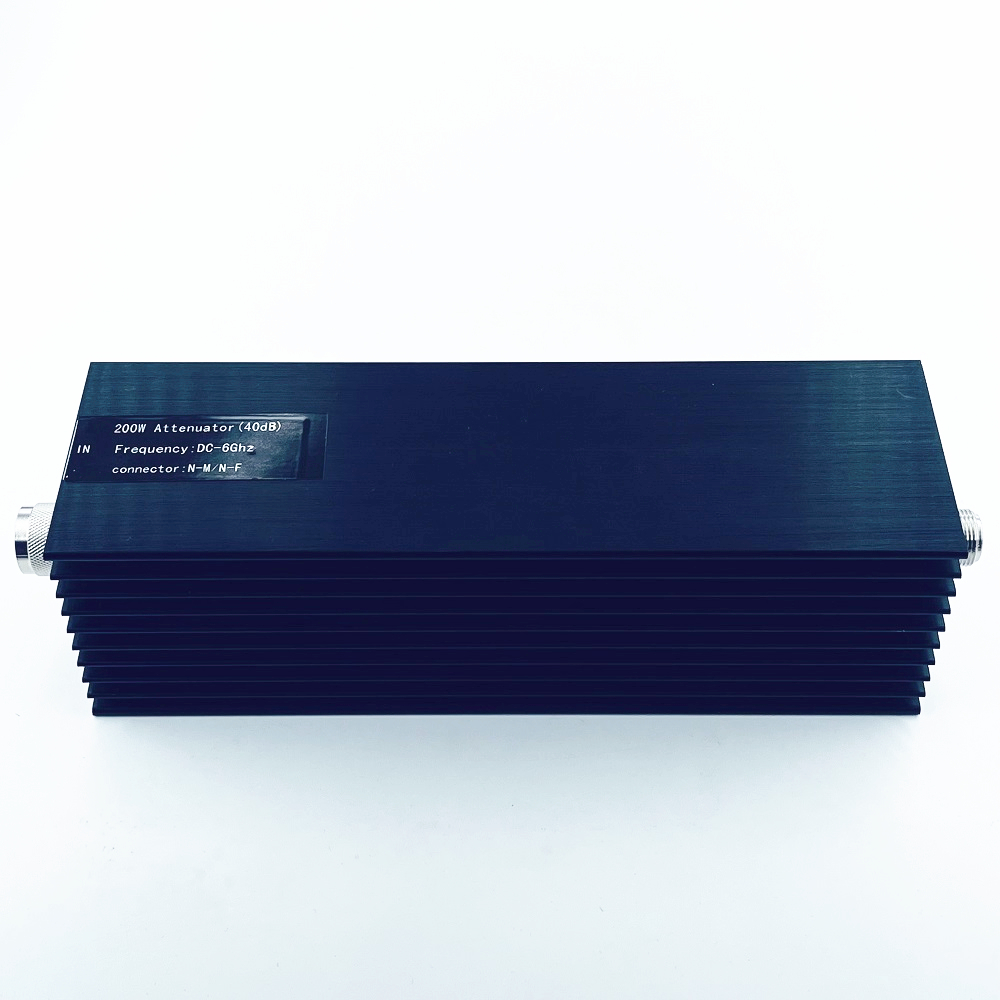
An attenuator is vital in signal transmission, especially in RF and microwave applications, by reducing signal strength without significantly altering its quality. It does so by attenuating the power of the signal, ensuring smooth data flow without letting it overwhelm the system. Attenuators are commonly used in testing and measurement setups, where precise signal control is necessary for accurate results. For instance, in RF testing, they facilitate controlled signal conditions, allowing us to focus on equipment performance without interference from excessive signal strength.
Matching Attenuators to Signal Types (RF, Microwave, etc.)
Different types of signals, particularly RF and microwave signals, require specific attenuators to function optimally. When selecting attenuators, paying attention to frequency response is crucial, as it affects how the attenuator interacts with signals of varying frequencies. Devices, such as wireless routers or communication base stations, often use specialized attenuators to ensure that signal transmission occurs without loss of integrity. Moreover, a suitable attenuator helps in maintaining the performance of devices by ensuring that the signals are neither too weak nor too powerful for the intended application.
Why Coaxial Cable Connectors Matter for Signal Integrity
Coaxial cable connectors are fundamental to maintaining overall system performance and ensuring signal integrity. These connectors, like N type and SMA, are designed to suit diverse applications, each offering unique capabilities for specific environments and signal types. Proper installation and maintenance are critical as even minor issues can lead to significant signal degradation, affecting the performance of the entire system. Understanding the role of these connectors helps emphasize their importance in preserving the quality and reliability of signal transmission. Connecting components meticulously using appropriate connectors ensures that signals travel uninterrupted across the system landscape.
Key Factors to Consider When Selecting an Attenuator
Frequency Range and Coaxial Feeder Cable Compatibility
When selecting an attenuator, the significance of the frequency range cannot be overstated. It determines the frequencies over which the attenuator will function optimally, ensuring signal integrity. Coaxial feeder cables play a crucial role here, as they must be compatible with the attenuator to avoid any signal degradation. Utilizing the wrong frequency range can lead to distortion or loss, impacting communication quality. For instance, telecommunication systems may operate in different frequency bands, necessitating the correct attenuator choice to match these frequencies effectively. Thus, careful consideration of the frequency range and coaxial feeder cable ensures optimal performance in various applications.
Attenuation Range and Accuracy Requirements
The attenuation range refers to the amount by which the signal's power is reduced, and this is vital for ensuring systems meet specific power requirements. Accuracy in attenuation is equally important, especially in precision testing setups where even minor deviations can impact results. In fact, accurate attenuation is critical for aligning signal levels and protecting sensitive components. Expert opinions suggest that, in real-world applications, maintaining strict adherence to predefined attenuation limits is paramount to avoid equipment damage and achieve desired performance. Therefore, choosing an attenuator with appropriate attenuation range and high accuracy is essential for reliable and precise operations.
Impedance Matching (50Ω vs. 75Ω Systems)
Impedance matching is crucial in any RF setup, where the choice between 50Ω and 75Ω systems can significantly impact performance. A mismatch in impedance can lead to reflections and signal loss, which are detrimental to the integrity of signal transmission. Typically, 50Ω systems are used in commercial RF applications, whereas 75Ω systems are more common in broadcast and cable television. Proper selection of an attenuator that matches your system's impedance ensures minimal signal return and maximum efficiency. By understanding these distinctions, one can make informed decisions that align with their system requirements, enhancing overall performance.
Power Handling and N Type Connector Durability
Power handling capabilities are a key consideration when selecting an attenuator, as it must withstand the power levels applied without damage or signal distortion. N type connectors are often favored in high-power applications because of their robust design and reliable performance. Testing protocols for these connectors, including ensuring they can handle specified power levels and environmental conditions, are essential for certifying their durability. By focusing on power handling and connector durability, businesses can maintain efficient performance and extend the lifespan of their equipment, making them a wise choice for a variety of demanding applications.
Types of Attenuators for Specific Applications
Fixed vs. Variable Attenuators
When selecting an attenuator, it's crucial to understand the differences between fixed and variable types. Fixed attenuators provide a set level of attenuation and are often employed in environments where consistent performance is crucial, such as telecommunications. On the other hand, variable attenuators allow for real-time adjustments and are used in testing scenarios where varying the attenuation can help diagnose network performance issues.
For instance, fixed attenuators are typically found in environments like broadcasting stations, where maintaining a stable signal is necessary. Variable attenuators, meanwhile, might be used in a lab setting where customizing signal levels can aid in system development. The selection between these two depends largely on whether flexibility or consistency is the priority for the application in question.
Using Power Splitters with Multi-Channel Systems
Power splitters play a significant role in multi-channel systems, working alongside attenuators to manage and distribute signals. By dividing an input signal across multiple outputs, power splitters can accommodate several channels while ensuring even signal distribution. This configuration is common in cable television networks and telecommunications where signals need to be routed efficiently to various endpoints.
Integrating a power splitter with attenuators requires careful consideration of signal loss and overall system performance. It's essential to evaluate the insertion loss that both components might introduce, ensuring that the quality and strength of the signal remain optimal. When used effectively, power splitters, such as in the case study of enhancing ISP delivery systems, can greatly enhance network capacity without compromising signal integrity.
Programmable Attenuators for Complex Setups
As signal systems and networks grow more intricate, programmable attenuators become indispensable tools. These devices offer the flexibility to automatically adjust their attenuation levels based on pre-configured settings, making them ideal for dynamic environments like remote sensing or automated testing facilities. The underlying technology allows for precise modulation of signals, accommodating the shifts seen in complex networks.
In real-world applications, programmable attenuators are vital in maintaining balance in wireless sensor networks and can simplify processes by automating the tuning of signal strengths across various channels. The ability to remotely adjust attenuator settings reduces the need for manual intervention, streamlining operations and minimizing human error, especially in scalable and adaptive networks where demands fluctuate frequently.
Ensuring Compatibility with Cable Assemblies
Testing Attenuator-Cable Assembly Integration
Optimal integration between attenuators and cable assemblies is crucial for maintaining signal integrity. Effective testing often involves using specialized equipment like network analyzers that measure signal loss and reflection coefficients. Common methodologies include time-domain reflectometry and insertion loss tests. These tests help in identifying mismatches or material issues affecting performance. Best practices suggest periodic testing and using standardized connectors like N-type or BNC to ensure consistency. Employing these testing protocols can avert potential signal degradation and enhance the longevity of the assembly.
Optimizing for Coaxial Feeder Cable Losses
Coaxial feeder cable losses can significantly affect overall signal performance, leading to attenuation and reduced signal quality. To minimize these losses, one strategy is to select cables with the appropriate impedance and minimal dielectric losses. Another method involves using high-quality connectors and ensuring proper cable installation to prevent bending or stress. By implementing these strategies, not only is signal integrity improved, but it also proves cost-effective in the long run, reducing the need for frequent maintenance and repairs.
Connector Types (N Type, SMA, BNC) and Signal Degradation
Different connector types like N Type, SMA, and BNC can influence signal degradation. N Type connectors, known for their low signal loss, are ideal for high-frequency applications and outdoor setups. SMA connectors, on the other hand, are compact and commonly used in precision RF applications. BNC connectors are user-friendly and perfect for low-frequency signals in test equipment. Choosing the right connector requires assessing the operating frequency, environmental conditions, and mechanical requirements. According to a study, connectors with higher precision and better material quality tend to exhibit lower signal loss and improved performance.
Installation and Long-Term Performance
Proper Grounding for Coaxial Cable Systems
Proper grounding is essential to ensure the safe and efficient operation of coaxial cable systems. It minimizes potential issues like noise and interference that can severely affect signal quality. Experts recommend several best practices for grounding installation. One such practice is to ensure a low-resistance path to earth, typically achieved through a dedicated grounding rod. Using a star grounding configuration, which prevents ground loops, and regularly inspecting grounding connections for corrosion or wear are also recommended strategies. These measures not only improve performance but also enhance the safety of the system.
Mitigating Insertion Loss in Cable Assemblies
Insertion loss, the reduction in signal strength as it passes through a cable, can compromise the performance of coaxial systems. This can be mitigated during installation and operation by employing high-quality connectors, such as the N type connector, and using the appropriate coaxial feeder cable. Proper cable assembly techniques that ensure secure, tight connections also help reduce insertion loss. Regular maintenance checks and cleaning of connectors can minimize the insertion loss over the life of the system, ensuring optimal signal transmission and longevity.
Routine Testing and Calibration Best Practices
Routine testing and calibration are critical for maintaining the performance of coaxial cable systems. These activities help identify and rectify issues before they cause significant disruptions. Regular testing should follow a predetermined schedule, incorporating procedures like checking for continuity and insulation integrity. Calibration, on the other hand, ensures that measurement equipment remains accurate over time. Adhering to established standards such as ISO/IEC 17025 can enhance compliance and quality assurance, ensuring that systems operate at peak efficiency and extend their service life.
