 EN
EN

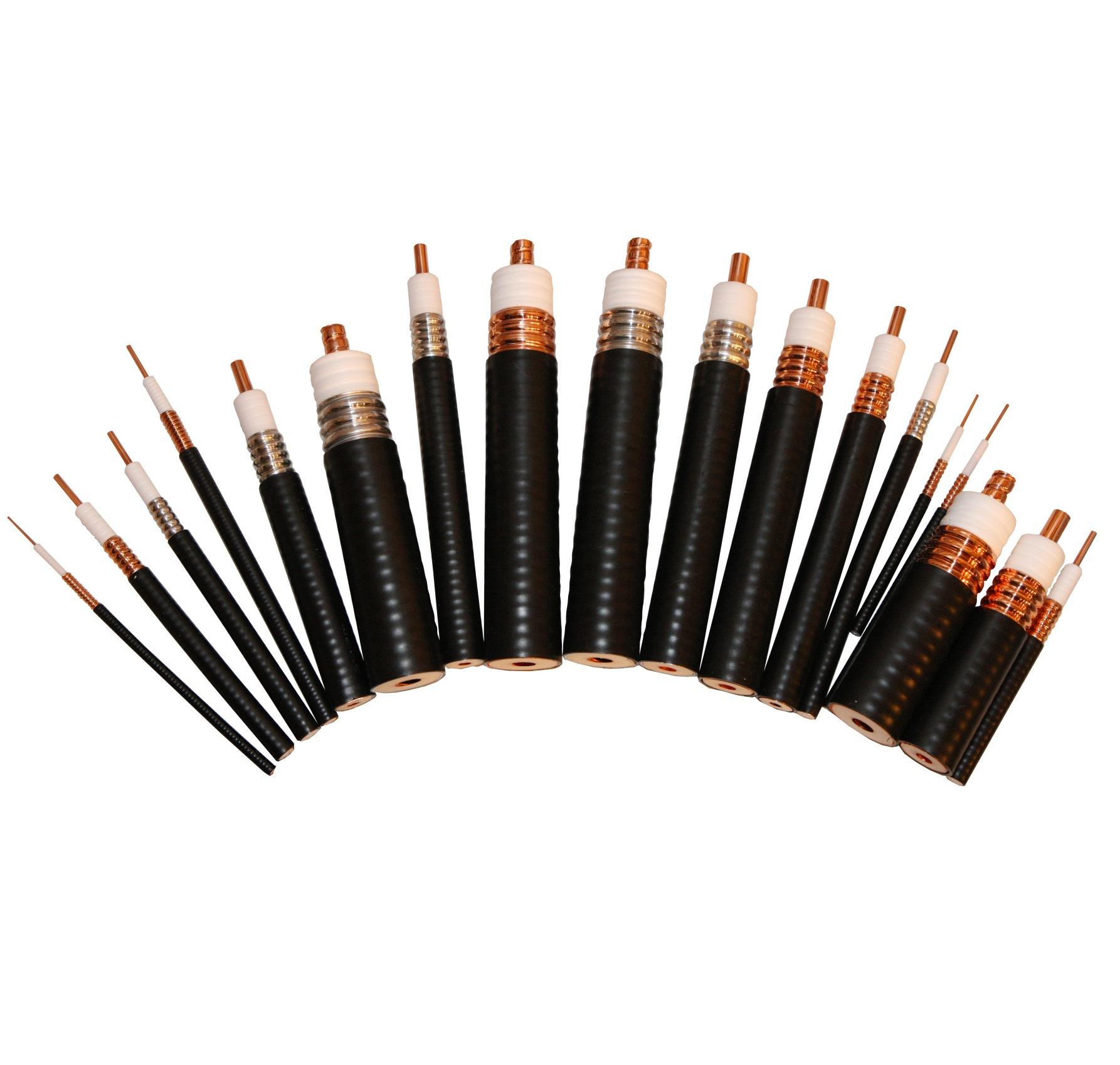
Coaxial Cable: Which Type is Best for Your Project?
Understanding Coaxial Cable Types and Applications
RG-6 vs. RG-59: Balancing Bandwidth and Distance
When deciding between RG-6 and RG-59 coaxial cables, understanding their structure and capabilities is crucial. RG-6 is designed with a larger conductor and thicker dielectric insulation compared to RG-59. This construction allows RG-6 to support higher bandwidth applications, accommodating frequencies up to 3 GHz, making it ideal for digital TV, satellite, and high-speed internet services. On the other hand, RG-59, with a smaller conductor and thinner insulation, is best suited for lower frequency applications, typically handling up to 1 GHz, and is commonly used for analog video signals like CCTV.
Real-world performance data supports these distinctions. For instance, RG-6 cables are preferred in settings requiring robust signal quality over long distances, such as satellite TV installations. They offer dual shielding to handle electromagnetic interference more effectively than RG-59. In contrast, installations utilizing RG-59 are typically shorter and involve analog signal types under 50 MHz, where lower bandwidth suffices. Therefore, understanding these differences allows us to select the appropriate cable type based on the specific requirements of our application.
RG-8 and LMR Cables for RF and High-Power Needs
For high-power RF applications, RG-8 and LMR cables are the go-to choices. The RG-8 coaxial cable, with its thicker gauge, excels in environments that demand higher power handling. This makes it a favorite among amateur radio enthusiasts and in professional RF communications where long-distance and minimal signal loss are critical. Its design supports lower loss over extended lengths, essential in maintaining signal integrity.
Complementing the RG-8, LMR cables are appreciated for their low-loss characteristics and flexibility. These cables are engineered for maintaining signal integrity even over long runs, serving applications that require reliable connectivity, such as mobile and public safety communications. Expert insights point to acceptable loss levels relying heavily on correct installation and precise cable specifications, guiding us in achieving optimal performance for specialized RF setups.
Specialized Uses of RG-11 and Triaxial Cables
When long-distance signal transmission is needed, RG-11 and Triaxial cables come into play. RG-11's thick construction significantly reduces signal loss compared to RG-6 and RG-59. This makes it suitable for applications requiring a broad bandwidth over extensive distances, such as backbone networks in telecommunications and long-distance video surveillance systems. Its robust design ensures signal quality is maintained over considerable lengths, which is critical in infrastructure where signal degradation can affect performance.
Triaxial cables offer enhanced electromagnetic interference (EMI) protection due to their additional shielding, making them ideal for environments where signal integrity is paramount, such as television production and sensitive electronic setups. Statistics from manufacturers highlight their efficiency, providing insights into their ability to extend signal reach while maintaining quality, a testament to their specialized utility in industries focused on precision and reliability.
Key Factors for Choosing the Right Coaxial Cable
Impedance Matching: 50 Ohm vs. 75 Ohm Systems
When selecting coaxial cables, impedance matching is crucial for optimal performance. Coaxial cables typically come in two impedance ratings: 50 Ohms and 75 Ohms. The 50 Ohm coaxial cables are generally used in applications involving radio frequency (RF) where RF adapters and lightning arresters are common, such as in telecommunications and wireless communication systems. Meanwhile, the 75 Ohm coaxial cables are primarily utilized for broadband and video signals, making them ideal for cable television and satellite TV installations.
To illustrate the importance of impedance matching, let's consider the potential reflection losses that can occur when cables with mismatched impedances are used. Mismatched cables can lead to significant degradation in signal quality due to the reflection of signals back to the source. Using industry standards, such as those set by the International Electrotechnical Commission (IEC), can guide you in selecting the right impedance. According to these standards, ensuring impedance compatibility with your equipment is essential for minimizing losses and maintaining signal integrity.
Signal Loss and Frequency Range Requirements
Signal loss, or attenuation, is a critical factor to consider when choosing a coaxial cable, and it is measured in decibels (dB) per 100 feet. As the frequency range increases, signal loss tends to rise, which can significantly impact distance and signal quality. Understanding how these parameters vary among common coaxial cables, such as RG-6 and RG-59, can help make informed decisions. For instance, RG-6 cables exhibit lower signal loss at higher frequencies compared to RG-59, making RG-6 more suitable for high-frequency applications like high-speed internet and digital TV.
To minimize signal degradation over long distances, one might employ amplifiers or repeaters, which boost the signal strength and allow it to travel further without losing quality. By understanding and using real-world performance metrics, one can effectively manage signal loss across various cable types and ensure optimal transmission quality.
Environmental Durability and Shielding Needs
Environmental factors, including temperature fluctuations, moisture, and UV exposure, can affect the performance of coaxial cables significantly. In outdoor broadcasting and military applications, where such factors are prevalent, choosing cables with high environmental durability is vital. Different shielding types also play a role in protecting cables from external interference. Foil and braided shieldings provide varying levels of protection, with foil offering complete coverage ideal for high-frequency electromagnetic interference (EMI), while braided shielding is effective against lower-frequency interference.
Manufacturers often provide examples and guidelines for recommended cables suitable for harsh environments. By consulting these resources, you can select cables that are not only durable but also capable of maintaining signal integrity under challenging conditions, ensuring reliable and effective communication or signal transmission regardless of environmental stressors.
Shielding Types and Electromagnetic Protection
Foil vs. Braided Shielding: Pros and Cons
Understanding the distinctions between foil and braided shielding is crucial when protecting against electromagnetic interference (EMI). Foil shielding is generally crafted by wrapping a thin layer of aluminum foil around the coaxial cable, making it lighter and more flexible. This type enhances flexibility and is typically used in densely packed environments such as in audio systems, where weight is a concern. Conversely, braided shielding uses a mesh of woven wires, which enhances robustness and durability. It's commonly favored in RF transmission systems due to its superior mechanical strength and effectiveness in blocking low-frequency signals.
Expert opinions often highlight the applications that emphasize each type's advantages. For instance, foil shielding excels in situations where flexibility and ease of installation are paramount. Meanwhile, braided shielding's durability and effectiveness are tested and confirmed to provide superior performance in environments with significant physical stress or interference, such as those encountered in industrial RF applications. Understanding these pros and cons helps in making informed decisions based on specific use-case needs.
Combination Shielding for Maximum EMI Resistance
Combination shielding methods, like foil over braided designs, offer the best of both worlds in EMI protection by layering multiple shielding formats. This approach enhances frequency stability and reduces noise, making it a preferred choice for applications where consistent signal quality is critical. For example, in medical and telecommunications industries, combination shielding ensures that critical data transference happens with minimal interference.
Studies demonstrate significant improvements in EMI resistance when employing combination shielding techniques. Layer composition facilitates blocking varying frequency ranges, ensuring comprehensive protection. Statistics from industry reports back this up, showing measurable enhancement in EMI resistance when using these advanced shielding strategies. Thus, combination shielding is an integral solution for industries that require stringent electromagnetic protection to maintain operational efficiency and data integrity.
Installation Accessories and Critical Components
RF Adapters and Cable Couplers for Connectivity
Effective connectivity in various coaxial applications relies heavily on RF adapters and cable couplers. These components are essential in linking different types of coaxial cables, ensuring that systems maintain seamless data transmission. RF adapters allow compatibility between cables with different connectors, while cable couplers extend the reach of cable runs without compromising performance. The importance of high-quality connectors cannot be overstressed, as poor connections can lead to signal degradation and data loss. It's crucial to select connectors that ensure a precise impedance match, such as those designed to maintain 50-ohm or 75-ohm standards, based on your system's requirements.
When selecting the right connectors for a project, consider the specific requirements of the installation. Parameters like frequency range, power capability, and environmental conditions play a significant role in determining the best choice. For instance, systems operating at high frequencies demand connectors with excellent RF performance to maintain signal integrity. Technical specifications from manufacturers offer insights into performance metrics, ensuring that the chosen components meet the necessary standards for reliability and effectiveness in your application.
Lightning Arresters in Outdoor Coaxial Systems
Lightning arresters are vital for protecting outdoor coaxial systems, safeguarding sensitive equipment from electrical surges caused by lightning strikes. These devices prevent high voltage spikes from damaging telecommunications infrastructure, playing a crucial role in system longevity and reliability. Statistics indicate that lightning arresters significantly reduce damage in telecommunications setups, showcasing the importance of their use in outdoor environments.
Integrating lightning arresters involves several best practices. Proper placement is essential; they should be installed at entry points where cables enter a building or system. Additionally, effective grounding techniques are crucial to the arresters' functionality. A robust grounding system ensures that surges are safely diverted away from equipment. Experts recommend minimum protection levels based on geographical risk assessments, helping businesses tailor their lightning protection strategies to local conditions and thereby maximizing system safety and performance.
