 EN
EN

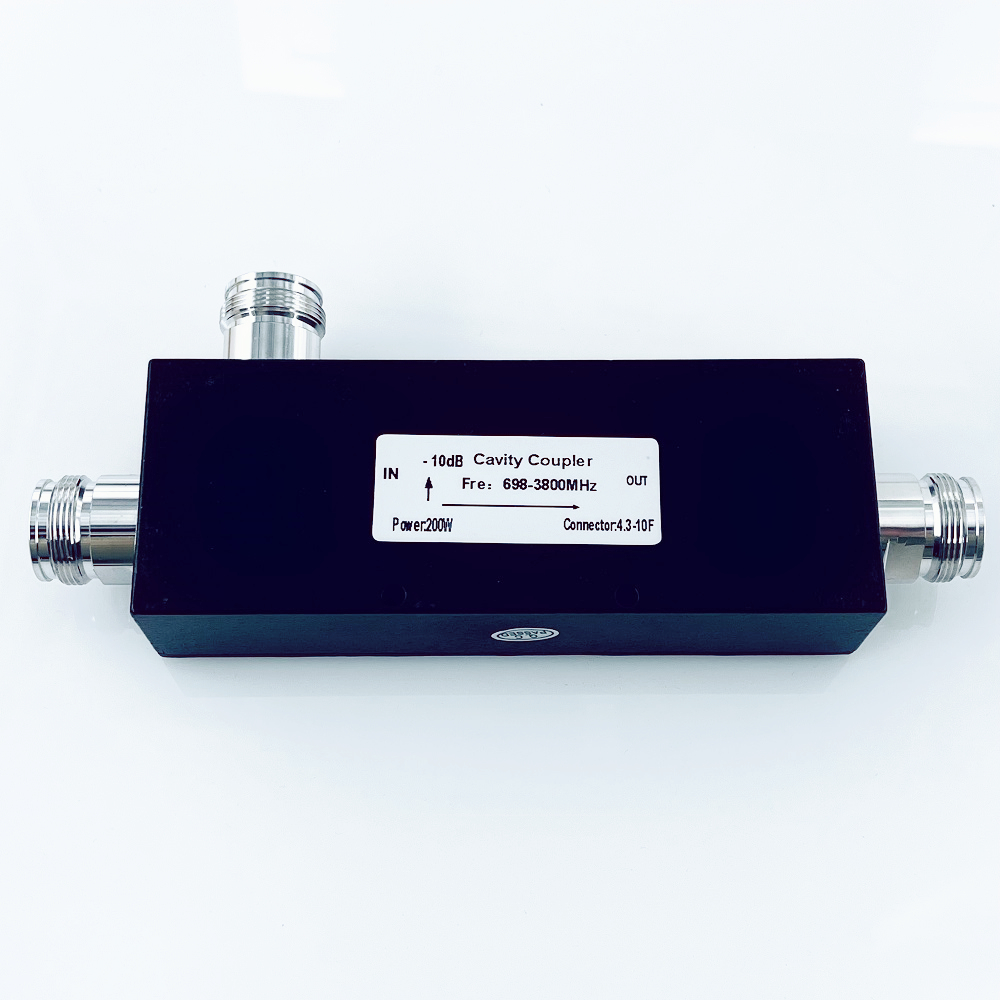
How Does a Coupler Enhance Signal Transmission?
Understanding Coupler Fundamentals in Signal Transmission
The Role of Couplers in Coaxial Cable Systems
Couplers play a vital role in signal transmission, particularly in coaxial cable systems. Essentially, couplers are devices that facilitate the splitting, combining, and directing of signal flow within the network. This makes them indispensable in managing the distribution of signals. In coaxial systems, couplers serve multiple purposes including connecting different sections of a network, enabling two-way communication, and balancing signal levels across various channels.
Two-way and multi-way couplers are prevalent types, each designed to address specific signal transmission requirements. The design of a coupler significantly impacts signal integrity; an inferior coupler can lead to severe degradation of performance. According to industry studies, poor-quality couplers can result in up to 30% signal loss, underlining the importance of selecting high-quality components for optimal system performance.
How RF Adapters Influence Signal Pathways
RF adapters are crucial in signal transmission, ensuring seamless connectivity between components like couplers. Their primary function is to adapt mismatched connections, thereby maintaining continuous signal pathways. RF adapters come in various forms, including SMA adapters, each catering to specific requirements in maintaining signal strength and quality.
The quality of an RF adapter can significantly affect signal pathways, potentially causing mismatches that disrupt the transmission. Such mismatches can lead to reflection losses or reduced signal gain. Experts have highlighted that poorly matched RF adapters are a common source of problems in signal pathways. Data suggests that systems may face an estimated 20% degradation in signal quality due to these mismatched connections, amplifying the need for precise and compatible adapters in RF systems.
Key Mechanisms for Enhanced Signal Integrity
Minimizing Signal Loss Through Coupler Design
When it comes to signal transmission, the design of couplers is paramount for minimizing signal loss. Using high-quality materials and precise engineering, modern couplers ensure that signal integrity is maintained at optimal levels. A crucial aspect of coupler design is impedance matching, a technique vital for enhancing overall signal integrity. Proper impedance matching allows signals to travel with minimal reflection and loss. Currently, trends in coupler design include innovations that specifically target loss reduction, such as using advanced materials with superior electrical properties. For instance, in telecommunications and broadcast environments, where efficient signal transmission is critical, optimized coupler designs are indispensable for performance excellence.
SMA Adapters: Precision in High-Frequency Transmission
SMA adapters stand out for their precision and reliability in high-frequency signal transmission, an attribute that makes them integral to industries like aerospace, telecommunications, and research. The tight connection structure of SMA adapters ensures minimal signal loss, which is crucial for maintaining clean signal pathways. They are effective across various operational frequencies, managing tasks in both low and high-frequency domains. Case studies in these fields often highlight how SMA adapters excel in reducing signal attenuation, making them a preferred choice for professionals looking to maintain high signal quality. Their ability to manage high frequencies efficiently underpins their widespread use in modern technological applications.
Practical Applications of Coupling Technology
Cable Clamp Integration for Stable Connections
The integration of cable clamps is essential for maintaining stable and reliable signal connections in RF systems. Cable clamps work hand-in-hand with couplers to ensure that signals remain intact by reducing mechanical stress and preventing cable movement. This helps mitigate noise and interference, enhancing overall signal integrity. The proper selection and installation of cable clamps are crucial. Installing them correctly ensures that they fit snugly to provide the required support without damaging the cable. Furthermore, choosing the appropriate type of clamp for various cable types—coaxial, fiber optic, or electrical—is imperative for maximizing efficiency in signal retention and connection stability.
Optimizing Bandwidth with Hybrid Coupler Solutions
Hybrid couplers are increasingly recognized for their role in enhancing bandwidth capabilities across various signal applications. These devices offer significant advantages over traditional designs, primarily due to their flexibility and improved performance metrics. Hybrid couplers efficiently distribute input power among multiple outputs, optimizing signal transfer, and minimizing loss. They have become indispensable in rapidly evolving industries such as wireless communications and data centers where increased data throughput and seamless connectivity are critical. Hybrid couplers' ability to handle diverse frequency ranges and their application in complex system architectures make them vital for ensuring that modern communication networks perform at their peak.
Troubleshooting Common Transmission Challenges
Addressing Interference in RF Adapter Installations
Interference in RF adapter installations can severely impact signal quality and reliability. Common sources of interference include electromagnetic interference from nearby devices, physical obstructions, and improper grounding. To minimize these issues, it's crucial to focus on proper cable management and ensure that your RF adapters are adequately grounded. For instance, using a cable clamp can reduce the risk of interference by securing cables and minimizing movement that may disrupt signal flow. A successful case study demonstrated that by reorganizing cable layouts and choosing high-quality coaxial cables, a company was able to eliminate interference, resulting in a 30% improvement in signal clarity.
Maintaining Signal Quality Through Proper Coupler Maintenance
Maintaining signal quality hinges on the diligent upkeep of couplers, which act as critical connectors in transmission systems. Best practices include conducting regular inspections to check for physical wear and performing periodic cleaning to remove dust and debris that could degrade connections. Establishing a routine maintenance schedule is essential, allowing for early detection of flaws that might compromise signal quality. Research shows that systematic maintenance extends the lifespan of both couplers and RF adapters, ultimately reducing overall costs. A study found that regular maintenance led to a 40% reduction in equipment failures, underscoring the value of preventative care.
Table of Contents
-
Understanding Coupler Fundamentals in Signal Transmission
- The Role of Couplers in Coaxial Cable Systems
- How RF Adapters Influence Signal Pathways
- Key Mechanisms for Enhanced Signal Integrity
- Minimizing Signal Loss Through Coupler Design
- SMA Adapters: Precision in High-Frequency Transmission
- Practical Applications of Coupling Technology
- Cable Clamp Integration for Stable Connections
- Optimizing Bandwidth with Hybrid Coupler Solutions
- Troubleshooting Common Transmission Challenges
- Addressing Interference in RF Adapter Installations
- Maintaining Signal Quality Through Proper Coupler Maintenance
