 EN
EN

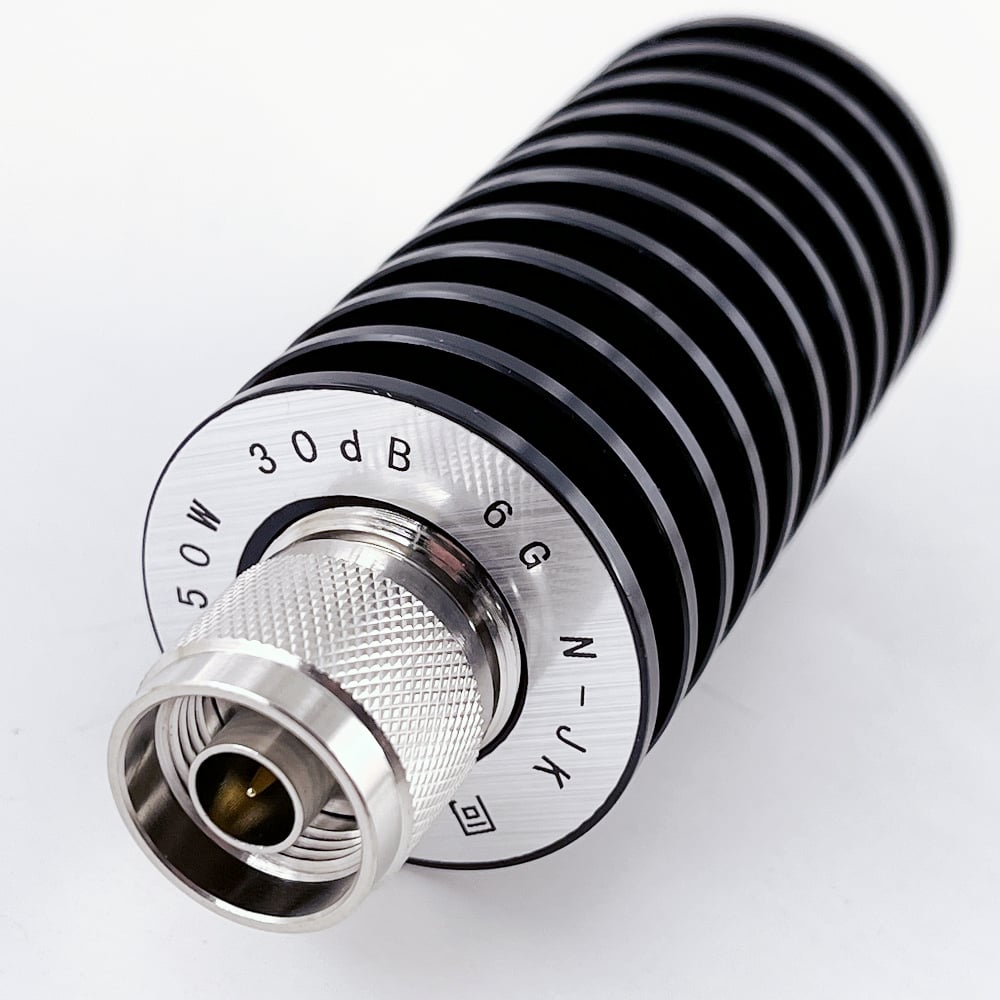
Bulk Attenuators for Test Labs: Feasibility, Benefits & AaaS
Why Bulk Attenuator Supply Is Increasingly Feasible for Modern Test Labs
Rising Demand from 5G, IoT, and mmWave Validation Environments
We're seeing massive expansion in 5G rollouts, IoT devices everywhere, and validation of those tricky mmWave frequencies, which means test labs are struggling to keep up with all this new equipment. Labs these days deal with complex validation processes involving dozens if not hundreds of different attenuation settings something way beyond what simple point-to-point tests used to cover. Take a typical 5G base station setup for instance it often needs around 200+ attenuation adjustments spread across both sub-6 GHz and those high frequency millimeter wave ranges. Because of this changing landscape, how labs buy attenuators is completely different now. Instead of picking up individual pieces here and there when needed, facilities are making big purchases upfront. They want everything standardized so they can run tests faster without breaking the bank on constantly buying new gear.
Manufacturing Scalability and Pre-Configured Calibration Traceability
Recent improvements in automation have made it possible to produce large quantities of attenuators with remarkable consistency, even when dealing with complex multi-band setups going all the way up to 110 GHz frequencies. What makes this really important is that these systems come with built-in NIST traceable calibration right from the factory floor. This means companies don't have to send them back to labs for recalibration after delivery, which saves both time and money. When manufacturers embed calibration data straight into the product itself before shipping, installation becomes much quicker and regulatory requirements are met right out of the box. The modular nature of modern designs also helps when deploying equipment at scale since they keep VSWR measurements under 1.25:1 throughout their entire operating range. This ensures signals stay clean and strong while still allowing for expansion as needed without compromising performance.
Key Technical Constraints That Impact Bulk Attenuator Deployment
Frequency Band Fragmentation and VSWR Sensitivity Across Instrument Ecosystems
Test labs these days run into major problems getting their hands on bulk attenuators because the frequency bands just don't play nice together across all those different tech areas like 5G, IoT stuff, and mmWave systems. Take a look at the ranges we're dealing with here: sub-6 GHz, then 24 to 40 GHz, and anything beyond that. Each one needs its own specific impedance matching, which basically means they won't work well across different platforms. And things get even trickier with VSWR sensitivity. The attenuators have to keep VSWR under 1.5:1 throughout all connected gear or else signals start bouncing back and messing up measurements. Some research from 2023 showed that nearly seven out of ten issues in high frequency testing came down to these VSWR mismatches. That's why most labs end up keeping several different sets of attenuators lying around, making bulk buying a nightmare both financially and logistically speaking.
NIST-Traceable Calibration Requirements and Batch-Level Uncertainty Reporting
Getting bulk attenuators deployed properly depends heavily on strict NIST traceable calibration standards which simply cannot be ignored when it comes to certification processes. Every single unit needs validation showing measurement uncertainty stays under ±0.2 dB. When ordering in bulk, having those unified batch level uncertainty reports becomes absolutely necessary to show consistent performance across the entire set. Without them, going through individual calibration checks ends up costing around 40% more overall. The latest regulations have changed things too, mandating ISO/IEC 17025 compliant uncertainty budgets for all testing gear. This means standardized certifications from vendors aren't just about meeting rules anymore. They actually help stop measurement drift that could mess up product validation down the line.
Commercial Models Enabling Sustainable Bulk Attenuator Procurement
Attenuator-as-a-Service (AaaS): Rental, Subscription, and Managed Inventory Solutions
The Attenuator-as-a-Service model, often called AaaS, allows laboratories to bypass those big initial costs that usually come with equipment purchases while still maintaining their ability to adapt technically. Labs can rent calibrated attenuators from various sources including rental fleets, pay based on actual usage through different subscription levels, or let vendors handle all inventory management completely. This approach turns what would be a huge one-time expense into something much more manageable as part of regular operating costs. When it comes to keeping things accurate over time, vendors take care of tracking and documentation so labs stay aligned with NIST standards without having to deal with all the hassle of internal calibrations themselves. Plus, this service really shines when there are sudden spikes in demand for testing related to new technologies like 5G networks or Internet of Things devices. The system adjusts dynamically to allocate resources where they're needed most, which means fewer unused pieces sitting around collecting dust. Overall, this kind of procurement strategy makes financial sense for organizations looking to balance strict budget controls against the ever changing needs of modern testing environments.
FAQ
Why is there an increasing demand for bulk attenuators in test labs?
The demand for bulk attenuators is rising due to the expansion of 5G, IoT, and mmWave technologies that require complex validation processes and a large number of attenuation settings.
What advantages does manufacturing scalability and pre-configured calibration provide?
Manufacturing scalability with improved automation allows for consistent production of high-frequency attenuators, which include NIST traceable calibration data. This reduces the need for post-delivery recalibration and accelerates installation, saving time and money.
How does frequency band fragmentation impact attenuator deployment?
Frequency band fragmentation poses challenges as it requires specific impedance matching for different bands like sub-6 GHz and 24 to 40 GHz. Attenuators must maintain a low VSWR to ensure signal accuracy, complicating bulk deployment.
What is Attenuator-as-a-Service (AaaS) and how does it help?
Attenuator-as-a-Service (AaaS) provides a flexible leasing model for attenuators, allowing labs to avoid large upfront costs. With subscription models and managed inventory, labs can efficiently adapt to fluctuations in testing demands while adhering to calibration standards.
