 EN
EN

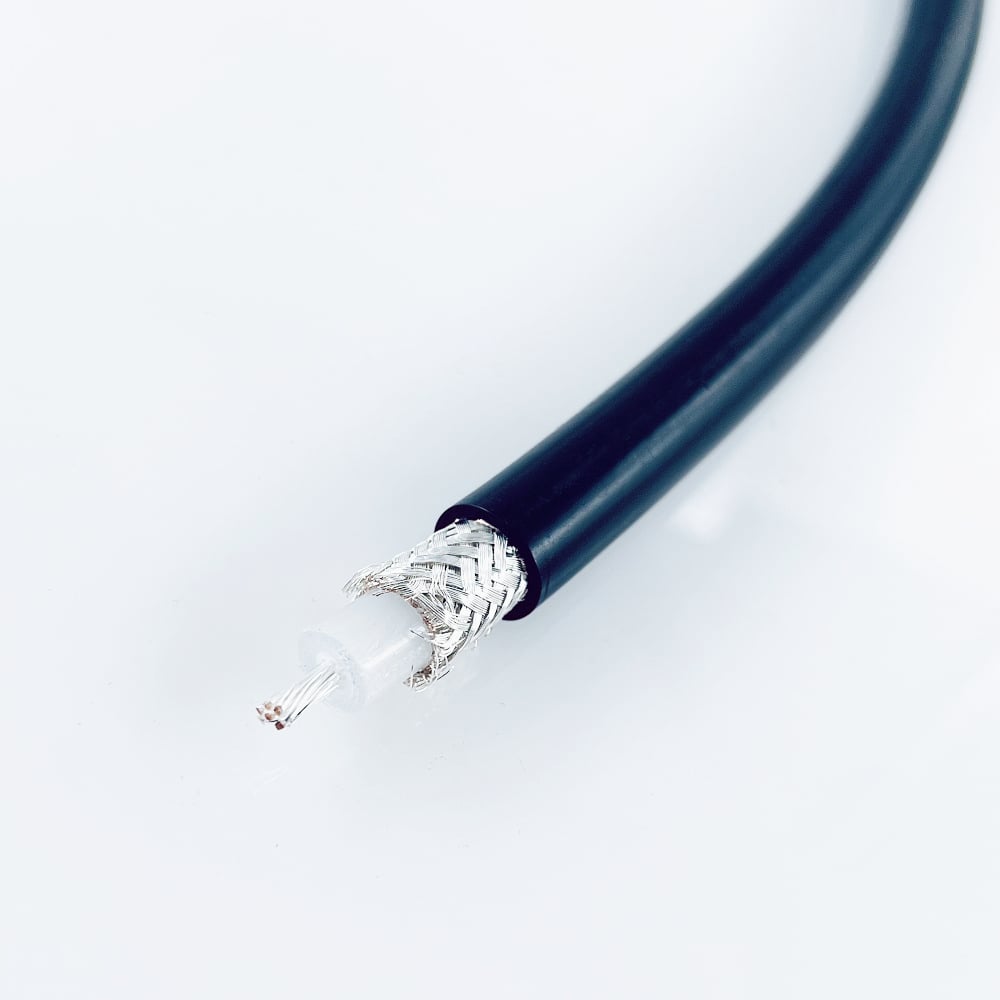
Weather-Resistant Coaxial Cables for Broadcasting: Top 5 Harsh-Environment Picks
Core Construction Features That Ensure Weather Resistance in Coaxial Cable
Metallic shielding and pressurized dielectric systems for moisture exclusion
Coaxial cables designed to withstand harsh weather conditions have multiple layers that protect against damage from the elements. The metal shielding, usually made of aluminum or copper tape stuck to the inner part of the cable, forms both an electromagnetic shield and blocks out moisture trying to get inside. These shields work really well when paired with pressurized systems inside the cable. Basically, they fill the foam insulation with nitrogen or dry air so there's positive pressure keeping water out. According to some field tests mentioned in last year's Broadcast Infrastructure Report, these pressurized cables cut down on signal problems caused by moisture by around 92% in places near the coast where salt air is a big issue. And speaking of materials, most cables use polyethylene foam as their dielectric component. Manufacturers treat this stuff specially so it actually pushes away water molecules at a microscopic level, which helps maintain consistent performance even when humidity levels stay high for days on end.
Copper-clad steel vs. solid copper center conductors under thermal cycling
What kind of materials go into making those center conductors really matters when we talk about how they perform under extreme temperatures. Copper clad steel, or CCS as it's commonly called, has this interesting combination going on inside. There's actually steel at the core which gives it good tensile strength, while the outer layer of copper handles most of the conductivity work. What makes CCS special is how little it expands when subjected to all sorts of thermal changes. This property helps keep signals stable even when these conductors are installed high up in the air where conditions can be pretty harsh. Some tests have shown that over a range from minus 40 degrees Celsius to plus 85, CCS only expands about 0.8 percent compared to regular solid copper which expands around 1.2 percent. Now sure, pure copper does have better conductivity ratings (around 100% IACS versus CCS's roughly 40%) but there's a trade off here. The problem with solid copper is that it expands more when heated, which creates issues with signal consistency especially in areas where temperatures fluctuate dramatically between day and night. That's why more and more engineers are choosing CCS for those big towers that stretch across vast distances. These installations often face temperature differences of over 60 degrees Celsius each day, so having something that won't expand and contract too much is absolutely essential for reliable operation.
Performance Comparison of Harsh-Environment Coaxial Cable Types
Heliax® vs. Flooded Foam-Dielectric Coaxial Cable in Coastal Salt-Spray Testing
Coaxial cables made with solid aluminum outer conductors show much better resistance to corrosion during those coastal salt spray tests we all know about. These cables keep their signal strength pretty well too, losing less than 0.1 dB per 100 feet even after sitting in salt water mist for 1,000 hours straight. What makes them special is how they're built without seams, so water just can't get into those connectors where problems usually start. This matters a lot for towers right next to the ocean where broadcast equipment gets hit by sea air constantly. On the flip side, those foam filled versions tend to lose about 15% more signal power under similar conditions because the liquid inside gets pulled through tiny gaps by capillary forces. We've seen cases where salt builds up in the small spaces between polyethylene jacket layers, changing how signals travel through the cable and creating those annoying impedance mismatches everyone hates. Field tests following ASTM B117 standards back this up too. Aluminum shielded cables last roughly five times longer before hitting that 3% VSWR threshold that marks when things start going wrong, compared to regular foam core cables put through the same grueling test conditions.
Aerial Messenger-Supported vs. Direct-Buried Armored Coaxial Cable in Freeze-Thaw Cycles
Aerial coaxial cables supported by messengers can handle extreme temperatures ranging from -40°C all the way up to +85°C thanks to their suspended tension design. These cables avoid problems caused by ground movement but need special UV stabilized jackets to stay flexible in cold weather conditions. Tests have shown that installations with these features keep their capacitance stable within about ±2 pF/m even after going through over 200 freeze-thaw cycles, especially when wrapped in high density polyethylene sheathing. For underground applications, armored cables offer good protection against crushing forces but tend to experience around 8% more signal loss spikes during thaw periods because melted ice water gets into weak spots in the cable casing. Using compression resistant dielectric foam instead of regular gas injected foam makes a big difference too. Buried cables with this advanced foam show about 22% less phase instability under repeated frost heave pressure according to IEC 61196-1 standards. Different approaches are needed to block moisture depending on installation type. Underground lines typically require gel filled tapes while aerial installations benefit from vapor barrier splices at connection points.
Critical Environmental Ratings and Compliance Standards for Broadcast Coaxial Cable
MIL-DTL-17H compliance and real-world broadcast tower deployment benchmarks
The MIL-DTL-17H standard establishes pretty tough requirements when it comes to how well cables can handle harsh weather conditions. We're talking about things like keeping moisture out, staying stable under temperature changes, and holding up mechanically over time. This makes it one of the key specs for broadcast coaxial cables used in really tough environments. When looking at actual installations on broadcast towers, especially those near coasts or up in mountainous areas where conditions are brutal, the cables that meet these standards tend to last much longer. Industry data from 2023 showed something interesting too: cables certified under MIL-DTL-17H had about 35 percent fewer failures than regular ones when subjected to repeated freezing and thawing cycles. The bottom line is that these real world tests help keep signals strong and steady while reducing unexpected downtime for critical broadcasting needs.
Jacket Material Science: UV, Ozone, and Chemical Resistance in Coaxial Cable
LSZH, PE, and PVDF jackets evaluated for high-UV mountain transmitter sites
Mountain broadcast sites demand coaxial cable jackets engineered for extreme solar exposure. Three materials dominate high-UV applications:
- LSZH (Low Smoke Zero Halogen) offers critical fire safety with minimal toxic emissions, while resisting UV degradation at altitudes above 2,000 meters.
- PE (Polyethylene) provides cost-effective moisture blocking and moderate UV resilience, though prolonged exposure may cause brittleness in thin-walled variants.
- PVDF (Polyvinylidene Fluoride) excels in harsh environments, blocking 99% of UV radiation while maintaining flexibility during â40°C to +150°C thermal swings.
Tests conducted in the field show that PVDF jackets keep around 95% of their tensile strength even after sitting out for over a decade at those mountain top transmitter locations. That's pretty impressive compared to polyethylene which only manages about 60% retention under similar accelerated weathering tests. When it comes to ozone resistance, things get really important near all those high voltage machines. Both PVDF and LSZH materials stop those tiny cracks from forming that would otherwise let moisture seep through the protective layers. The chemical resistance story is quite different between these materials too. PVDF stands up well against stuff like aviation fuel and deicing chemicals, but regular PE starts breaking down fast once it meets hydrocarbon solvents. For broadcast companies relying on long lasting coax cables, choosing the right jacket material makes all the difference in maintaining signal integrity year after year.
FAQ
What factors contribute to coaxial cables' weather resistance?
Coaxial cables achieve weather resistance through metallic shielding and pressurized dielectric systems, which exclude moisture and maintain stable signals.
Why is copper-clad steel preferred over solid copper in extreme temperatures?
Copper-clad steel combines tensile strength and conductivity with lower expansion rates, ensuring stable signals under fluctuating temperatures.
How do different coaxial cable types perform in coastal environments?
Solid aluminum outer conductors resist corrosion and signal loss in coastal conditions, outperforming foam-dielectric cables that suffer from capillary forces.
What are the benefits of aerial messenger-supported coaxial cables?
They handle extreme temperatures, maintain stability, and require UV-stabilized jackets to remain flexible in cold weather.
What compliance standards are critical for broadcast coaxial cables?
MIL-DTL-17H sets tough requirements for moisture resistance and stability, ensuring durability in harsh environments.
How important is jacket material in coaxial cables?
Jacket material impacts UV, ozone, and chemical resistance, affecting the cable's durability and signal integrity in tough environments.
Table of Contents
- Core Construction Features That Ensure Weather Resistance in Coaxial Cable
- Performance Comparison of Harsh-Environment Coaxial Cable Types
- Critical Environmental Ratings and Compliance Standards for Broadcast Coaxial Cable
- Jacket Material Science: UV, Ozone, and Chemical Resistance in Coaxial Cable
-
FAQ
- What factors contribute to coaxial cables' weather resistance?
- Why is copper-clad steel preferred over solid copper in extreme temperatures?
- How do different coaxial cable types perform in coastal environments?
- What are the benefits of aerial messenger-supported coaxial cables?
- What compliance standards are critical for broadcast coaxial cables?
- How important is jacket material in coaxial cables?
