EN

5G MIMO Antennas Explained for Indoor Coverage
Indoor 5G is rarely a question of simply putting more antennas in a building. A mimo 5g antenna is part of a radio path that also includes the base station, DAS head-end, feeder network, connectors, splitters, installation geometry, and the devices using the network. When those parts are aligned, MIMO can make better use of the radio channel in offices, venues, transport hubs, hospitals, and industrial interiors. When they are not, adding antenna ports alone will not cure weak coverage or low throughput.
As an RF systems engineer, I start at the feed point and trace the signal path component by component. That approach matters indoors because walls, glass, metalwork, people, and reflections create a channel that changes from one area to another. This guide explains what a mimo 5g antenna does, why it matters in an indoor DAS antenna system, and what to check before specifying one.
What Is a MIMO 5G Antenna?
MIMO means multiple input, multiple output. In a MIMO radio system, more than one transmit and receive path can be used to send and receive radio signals. Depending on network configuration and channel conditions, those paths may improve reliability through diversity, support more data streams through spatial multiplexing, or help manage interference. A mimo 5g antenna provides the antenna-side paths needed for that system behavior; it is not a standalone throughput booster.
5G radio technology is called New Radio (NR), and 3GPP describes the overall 5G NR system in TS 38.300. MIMO is a native part of the wider 5G radio design, including network-side beamforming and multi-antenna processing. In an indoor distributed antenna system, the practical question is more focused: can the passive antenna, cable path, and port arrangement preserve the RF performance that the active radio equipment expects?
For this reason, “2x2,” “4x4,” or another MIMO label should be read as a description of available RF paths, not as a promise of a fixed user data rate. Device capability, spectrum, scheduler behavior, signal-to-interference conditions, and the building itself still affect the result.
Why Indoor Coverage Changes the Design Problem
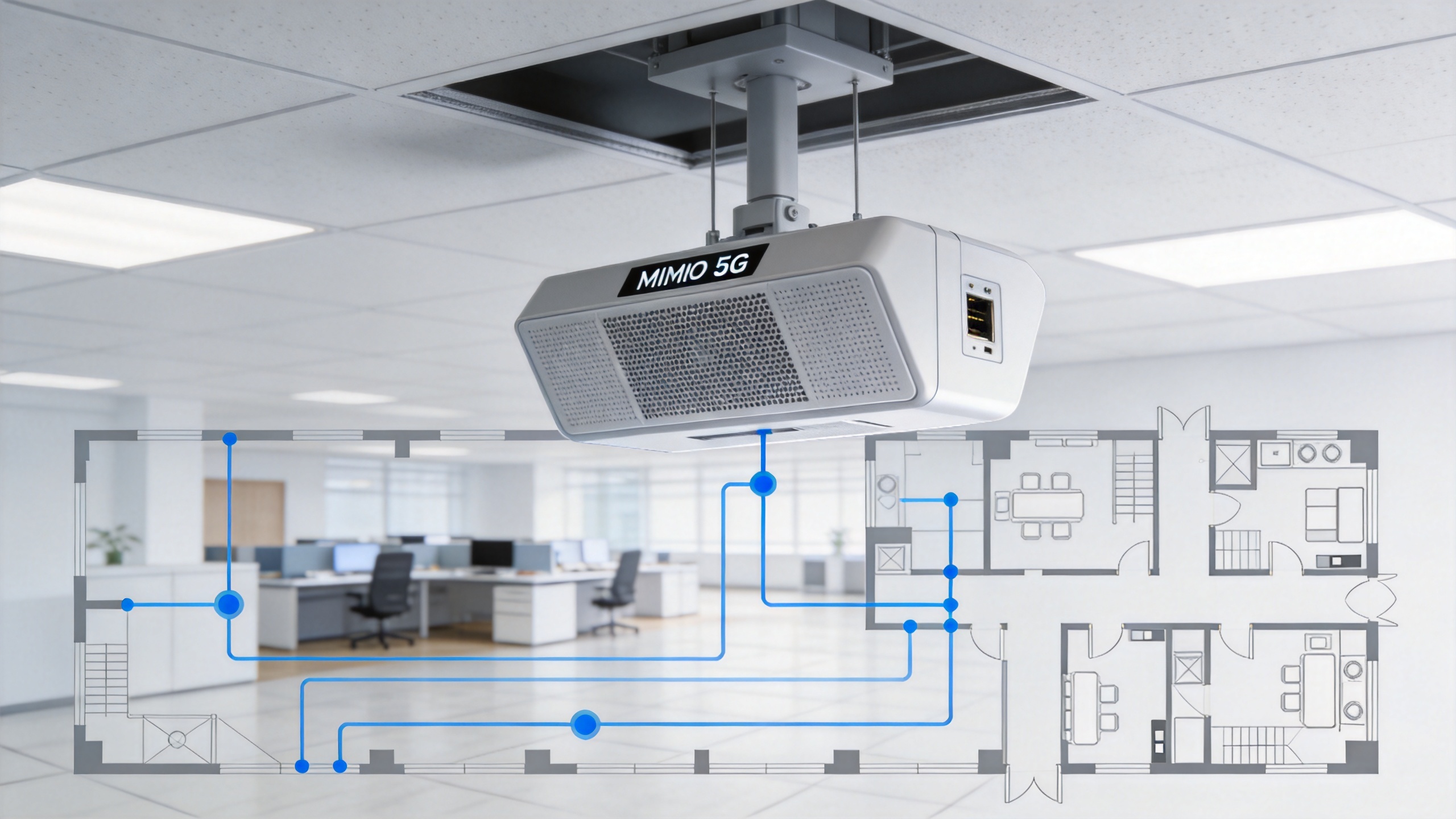
Indoor coverage has a different set of constraints from an outdoor macro site. The signal must cross partitions, furniture, lift lobbies, ceilings, and changing occupancy patterns. Reflections can help create useful multipath, but they can also make coverage uneven. A mimo 5g antenna therefore needs to be considered with its intended placement, the serving bands, and the indoor layout—not only as a line item on a bill of materials.
In a DAS antenna system, low-gain omnidirectional antennas are commonly used to distribute coverage across defined zones. The goal is typically even service and predictable handover behavior rather than a narrow, long-distance beam. Placement should be reviewed against room dimensions, ceiling material, cable routes, fire-safety requirements, and potential obstructions. A well-chosen antenna cannot compensate for an unsuitable antenna count or an unbalanced distribution network.
For an awareness-stage project, it helps to separate three layers of responsibility. The radio and baseband determine how MIMO resources are scheduled. The DAS network transports RF energy through cables and passive components. The indoor antenna radiates and receives the available paths in the intended service area. A mismatch at any layer can limit the full system.
Ports, Polarization, and Isolation: The Practical MIMO Checks
When reviewing a mimo 5g antenna, begin with the number of ports and the intended polarization arrangement. Cross-polarized or otherwise separated ports can support the independent signal paths a MIMO design needs. The relevant installation detail is not just that two connectors exist, but whether the port assignment remains consistent from the radio output through the feeder cables to the antenna.
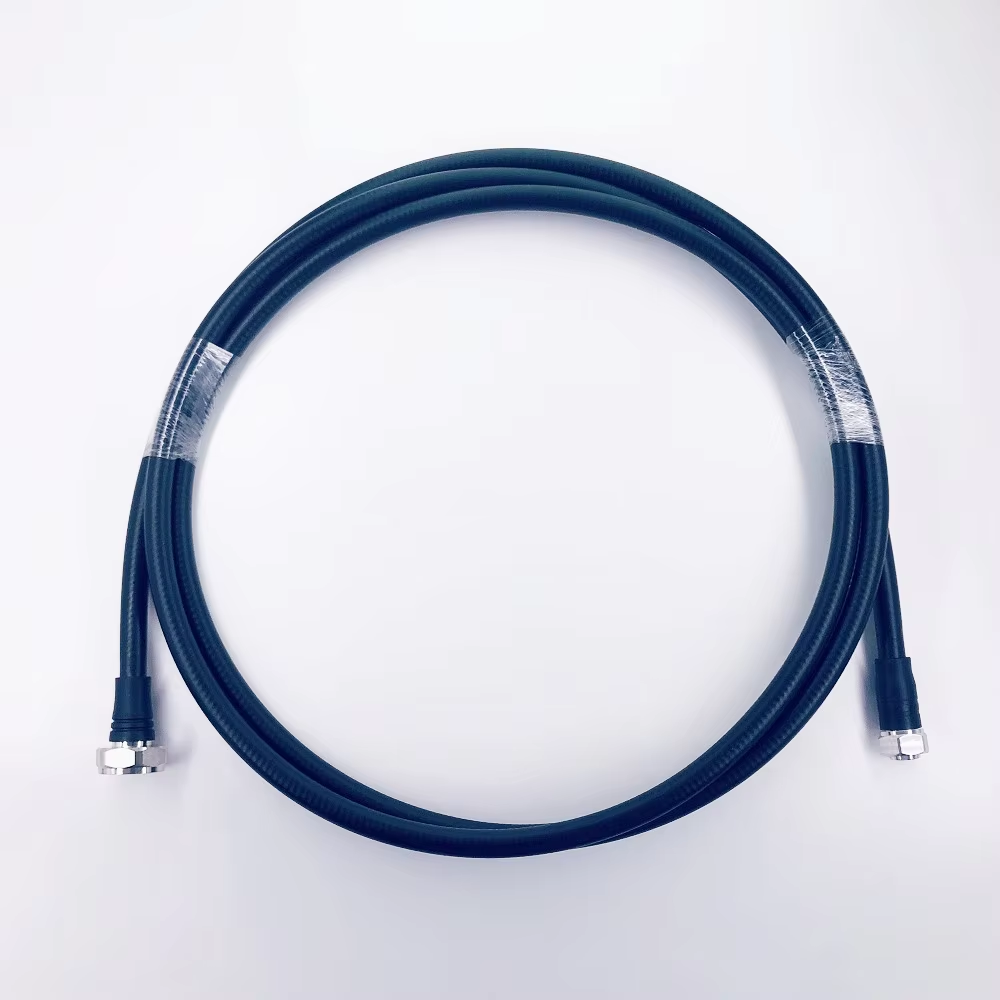
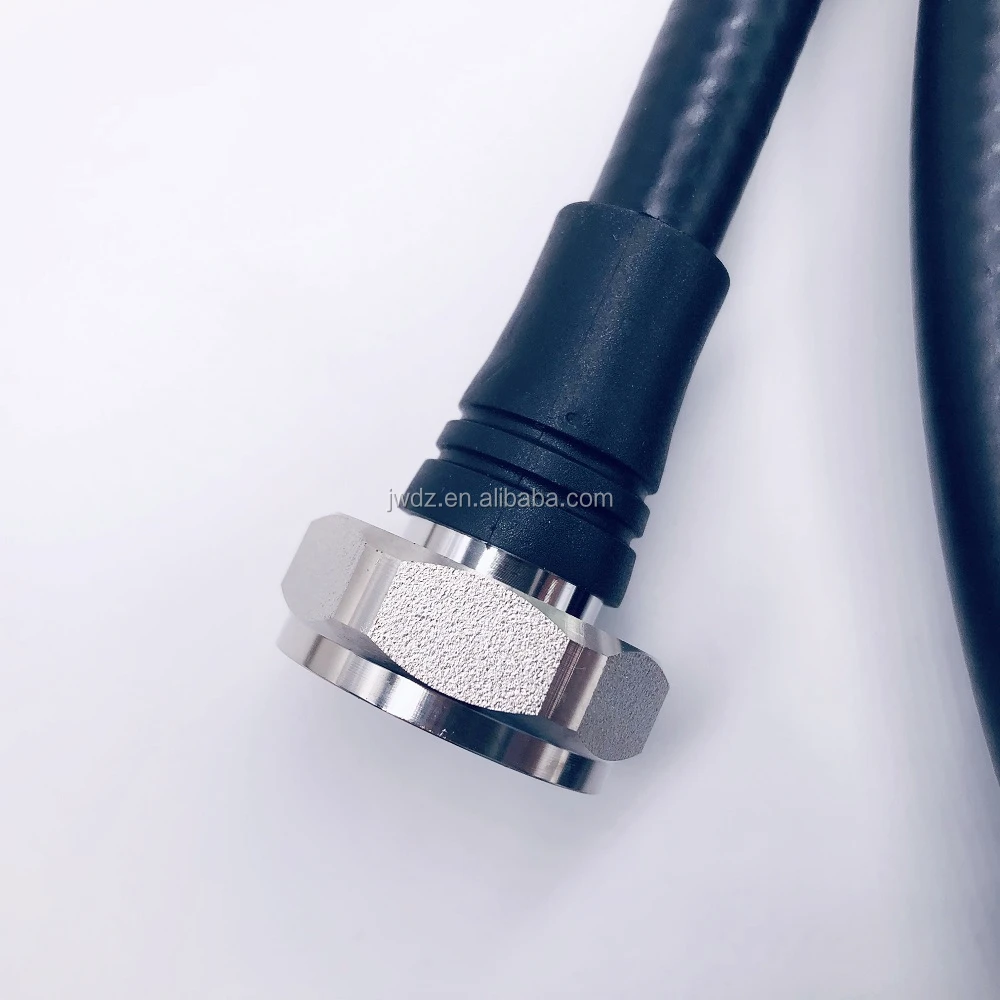
Port-to-port isolation deserves the same attention. Adequate isolation helps limit unwanted coupling between paths. The specification that matters most in this scenario is the complete RF path, because a good antenna specification can be undermined by poor cable routing, damaged connectors, or unsuitable passive components. In my experience—and with the caveat that every building layout differs—the connector interface is often where avoidable field issues begin.
- Confirm bands: match the antenna’s supported frequency range to the deployed 4G/5G bands and any planned expansion bands.
- Map ports end to end: label feeder runs and confirm each radio path reaches the intended antenna port.
- Check isolation and VSWR: assess the published antenna values together with system acceptance measurements.
- Preserve physical separation: avoid routing paths in a way that defeats the intended polarization or isolation design.
Why Low PIM Matters in an Indoor DAS Antenna System
Passive intermodulation (PIM) occurs when non-linear contacts or materials create unwanted mixing products under RF power. In multi-band systems, those products can fall into sensitive receive regions and raise the effective noise floor. That is why low PIM is a key consideration for a DAS antenna system, particularly where several services share indoor infrastructure.
Passing an initial qualification test is the entry condition, not the destination. The more useful question is whether connectors, torque practices, cable assemblies, splitters, and antenna interfaces will remain electrically stable after installation, maintenance, and normal environmental changes. Indoor sites may be controlled compared with rooftops, but condensation, vibration, contaminants, and repeated rework can still affect interfaces.
A relevant example for system planners is the 380-6000MHz Low PIM Indoor Mimo Omni Antenna With N-Female Connector. Its published product title identifies a wide operating range, low-PIM positioning, indoor MIMO use, omnidirectional form factor, and N-female connector interface. The final suitability decision should still be based on the project frequency plan, port requirements, measured system performance, and installation design.
A Straightforward Selection Workflow
- Define the coverage objective. Identify the indoor areas, technologies, bands, capacity expectations, and service priorities.
- Choose the DAS architecture. Confirm whether the design uses passive, active, or hybrid distribution and document the available RF paths.
- Set antenna requirements. Specify frequency range, port count, radiation pattern, connector type, mounting method, power handling, and low-PIM target where relevant.
- Validate the whole link. Include feeder loss, connector quality, splitter/coupler performance, return loss, and port mapping in the acceptance plan.
- Commission by zone. Test the completed indoor areas rather than assuming a bench result represents the installed network.
My default used to be choosing the lowest-priced RF component that met a minimum specification. For a distributed system, however, total cost of ownership is a better lens: a replacement visit, an investigation into elevated noise, or a difficult ceiling-access repair can outweigh the price difference between adequately specified components.
Common Misunderstandings About a MIMO 5G Antenna
“More ports guarantee higher speed.” More antenna paths can enable more system options, but the outcome depends on radio configuration, UE capability, spectrum, and channel quality.
“Any wideband antenna is automatically ready for every 5G deployment.” Wideband coverage is useful only when the relevant frequency bands, MIMO ports, return-loss requirements, and installation conditions are all compatible.
“Low PIM is an antenna-only issue.” Low PIM is a system discipline. Connectors, cables, passive devices, workmanship, and contamination can all influence the installed result.
Indoor MIMO 5G Antenna Review Questions
Use the following questions during design review. Each answer is conditional: the right mimo 5g antenna configuration depends on the radio design, building layout, and acceptance criteria.
| Review question | Why it matters |
|---|---|
| Does the mimo 5g antenna cover every planned band? | Band compatibility should be confirmed against the current and planned spectrum plan. |
| Does the mimo 5g antenna provide the required number of RF ports? | Port count must match the available radio paths through the DAS. |
| Is each mimo 5g antenna port mapped and labeled? | Clear mapping prevents crossed paths during commissioning and maintenance. |
| Is mimo 5g antenna isolation documented? | Isolation is relevant to keeping intended paths electrically distinct. |
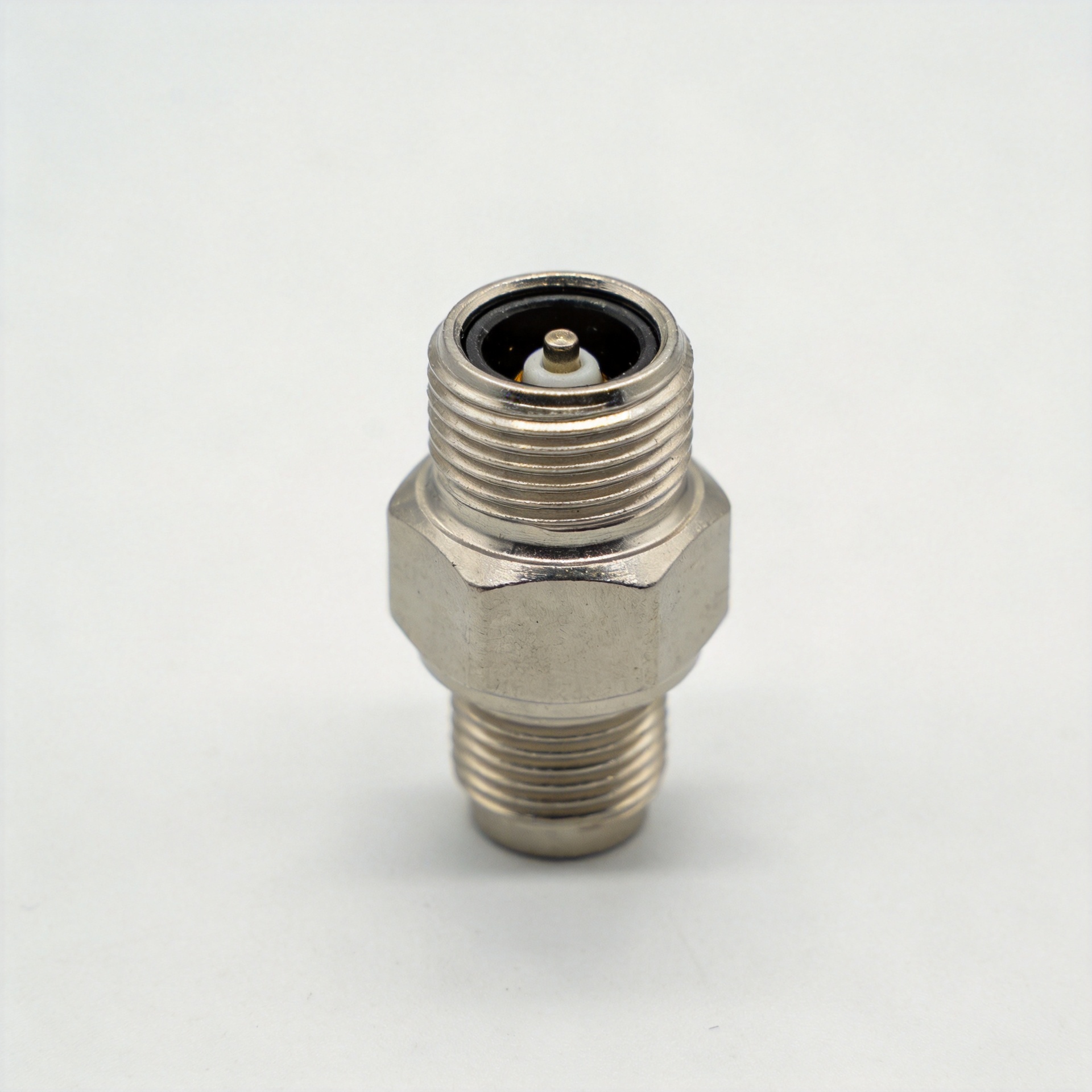
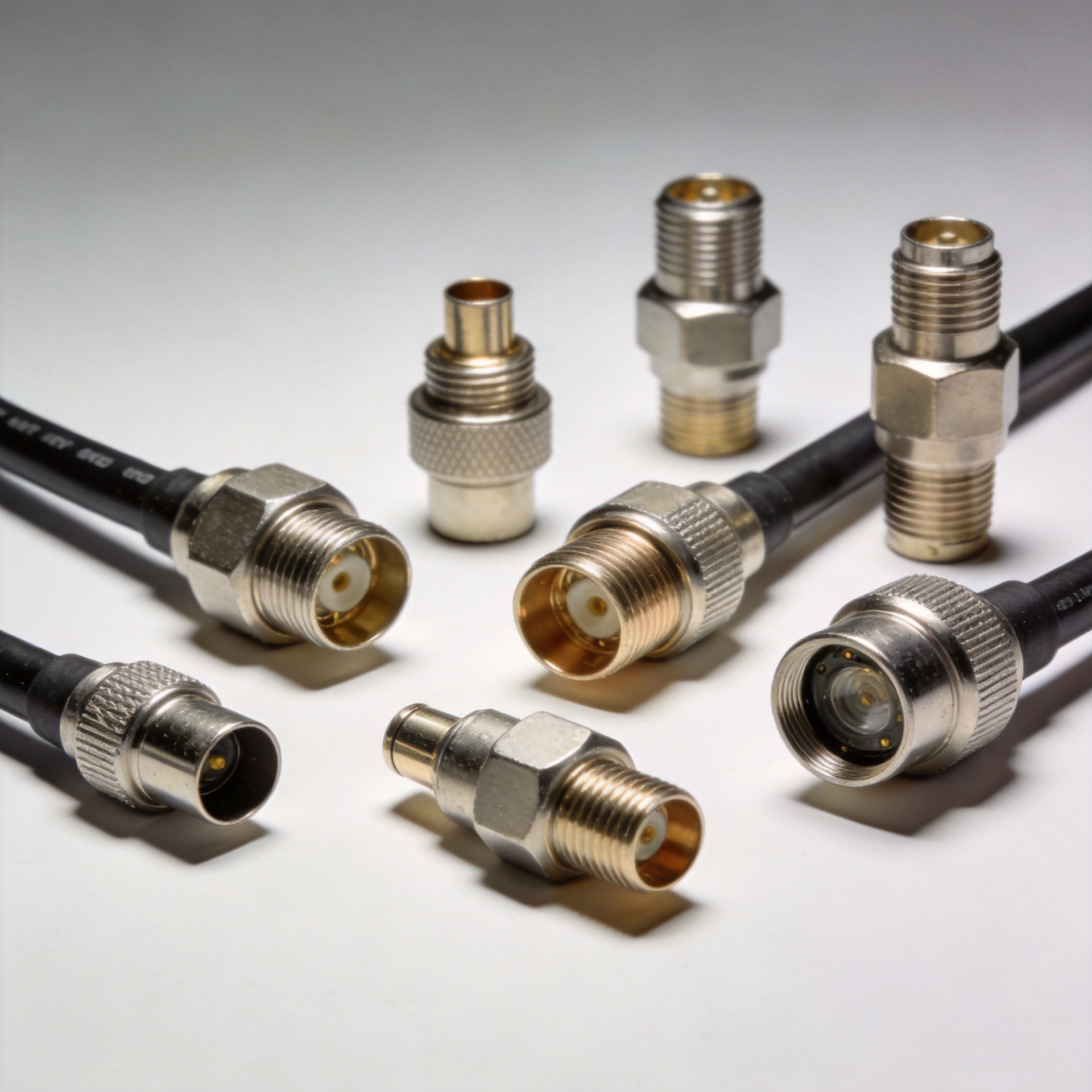
| Is the mimo 5g antenna connector interface compatible with the feeder? | Interface compatibility reduces the chance of adapters and workmanship errors. |
| Is low PIM specified for the mimo 5g antenna where the system requires it? | Low-PIM performance should be evaluated with the complete passive chain. |
| Does mimo 5g antenna placement match the coverage zone? | Ceiling height, walls, and obstructions affect the installed radiation environment. |
| Will the mimo 5g antenna be acceptance-tested after installation? | Installed measurements verify the real link rather than only a component datasheet. |
Use the same coverage drawing and port map across the RF integrator, installer, and procurement teams. Accept the antenna as part of the installed DAS, not as an isolated purchase.
Final Takeaway
A mimo 5g antenna is an important building block for indoor 5G, but it is most useful when specified as part of a complete DAS antenna system. Start with coverage zones and radio paths, verify frequency and port compatibility, protect isolation and low-PIM performance through the full interconnect chain, and test the installed system by zone. This engineering-first approach gives indoor coverage projects a clearer path from an antenna datasheet to reliable real-world service.