EN

5G Small Cell Antennas: A Deployment Planning Guide
A 5g small cell antenna is not simply a smaller version of a macro-site antenna. It is part of a localized radio design that must work with the building layout, target bands, user density, interference environment, backhaul, and the wider indoor coverage architecture. For network planners and system integrators, the practical goal is to deliver predictable capacity and coverage where a macro signal is weak, overloaded, or blocked by building materials.
Small cells are low-power radio nodes, so their useful coverage varies greatly with the radio design and the environment. In an office, venue, transit space, or industrial facility, the right antenna plan begins with a coverage objective—not a catalogue choice. This guide explains how to plan a 5g small cell antenna deployment alongside DAS antenna systems and indoor coverage requirements.
Start With the Indoor Coverage Problem
Document the business problem before choosing a 5g small cell antenna. Is the project addressing dead zones, busy-hour capacity, unreliable uplink performance, a new private-network area, or a combination of these? Map the critical spaces: entrances, corridors, open offices, meeting rooms, production zones, warehouse aisles, and below-grade areas. The plan should also identify the number of users, device types, mobility paths, and the services that cannot tolerate interruption.
An RF walk-through and a current-signal survey give the planning team a baseline. Construction materials, glazing, metal shelving, machinery, elevator cores, and floor-to-floor attenuation can all change the result. Treat a nominal coverage radius as a starting hypothesis, not a deployment promise. This keeps the design focused on measured signal behavior rather than a single distance figure.
Choose the Architecture: Small Cells, DAS, or a Hybrid
Small cells and distributed antenna systems solve related but different problems. A small-cell design can be a practical fit when coverage must be added in contained zones, when capacity needs are localized, or when a compact radio layer can be placed near users. DAS antenna systems distribute RF coverage through a coordinated antenna network and are often considered when a larger building, multiple floors, or multi-operator requirements call for broad, managed indoor coverage.
Many projects benefit from a hybrid conversation rather than an either-or choice. For example, a distributed layer may serve common circulation areas while targeted small cells address dense meeting, production, or tenant zones. Compare alternatives against coverage uniformity, peak capacity, operator and spectrum requirements, expansion plans, installation access, power availability, and lifecycle maintenance. A suitable architecture can be surveyed, installed, tested, and expanded without creating avoidable blind spots.
Match Directionality and Frequency Coverage to the Floor Plan
Antenna pattern is a design lever. Directional panel antennas are useful when a planner needs to concentrate energy along a known service area or reduce spillover toward an adjacent zone. Omnidirectional patterns may suit more open, centrally located spaces, but they require careful consideration of reflections and overlap. For either approach, the 5g small cell antenna should be selected with the intended bands and radio configuration in mind; broad band labels alone do not replace a system-level compatibility check.
Placement should follow propagation paths, not just convenient mounting points. Avoid pointing a directional antenna into large metal obstructions or placing it where a nearby surface creates unpredictable reflections. In corridors, aisles, and large rooms, test whether a directional approach creates more controllable sector boundaries. In open areas, assess overlap between nodes so handovers and load distribution have room to work without excessive co-channel interference.
Build a Site-Ready Deployment Checklist
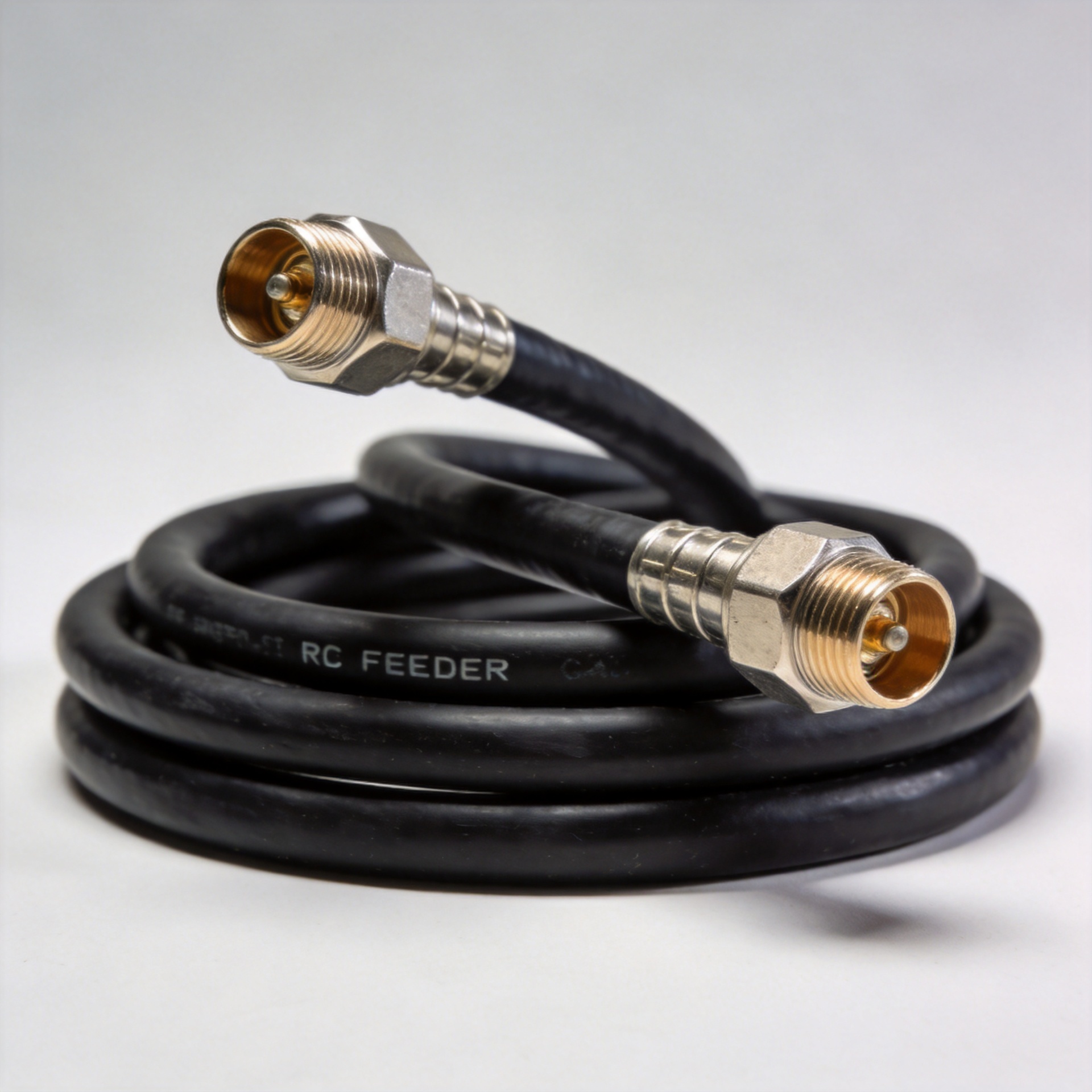
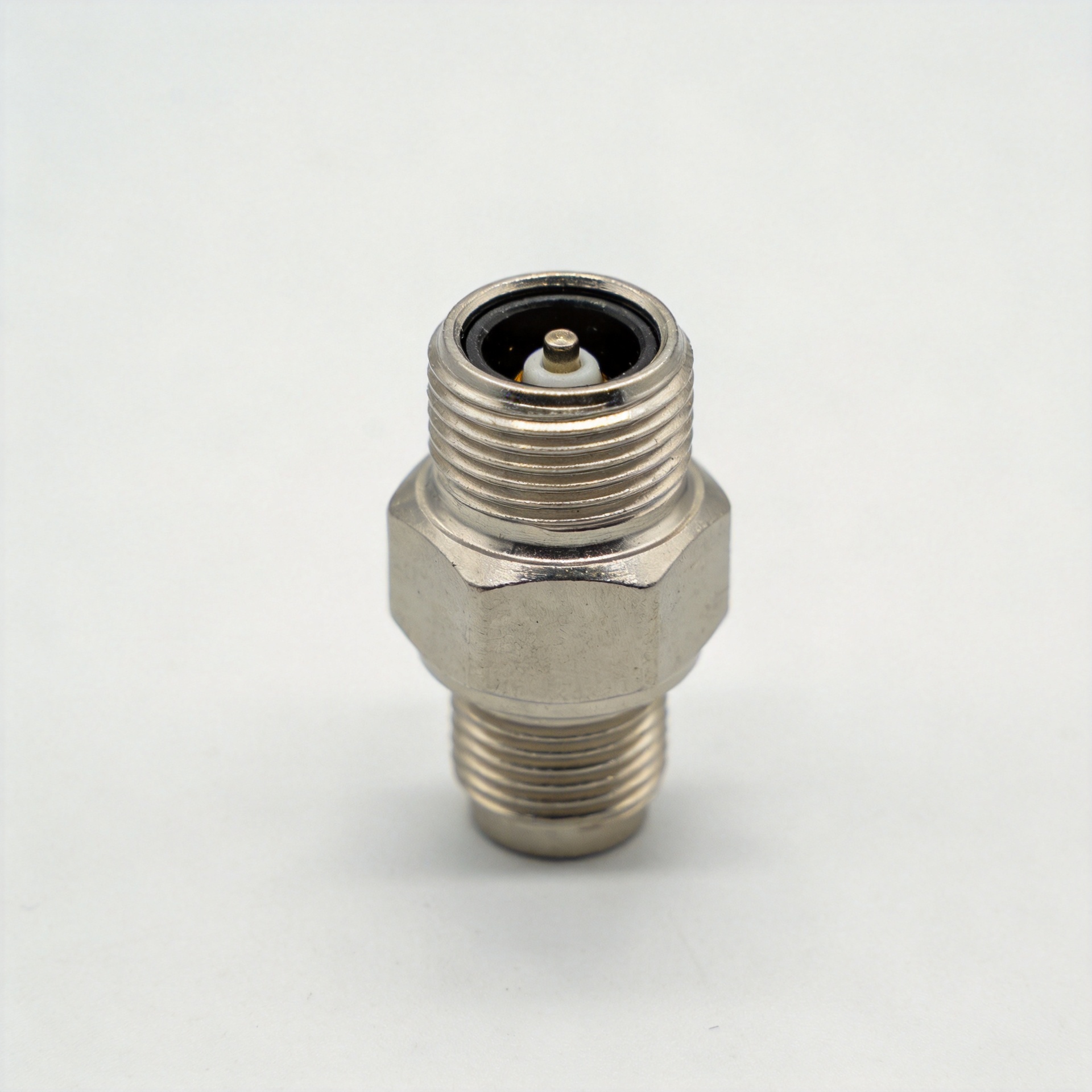
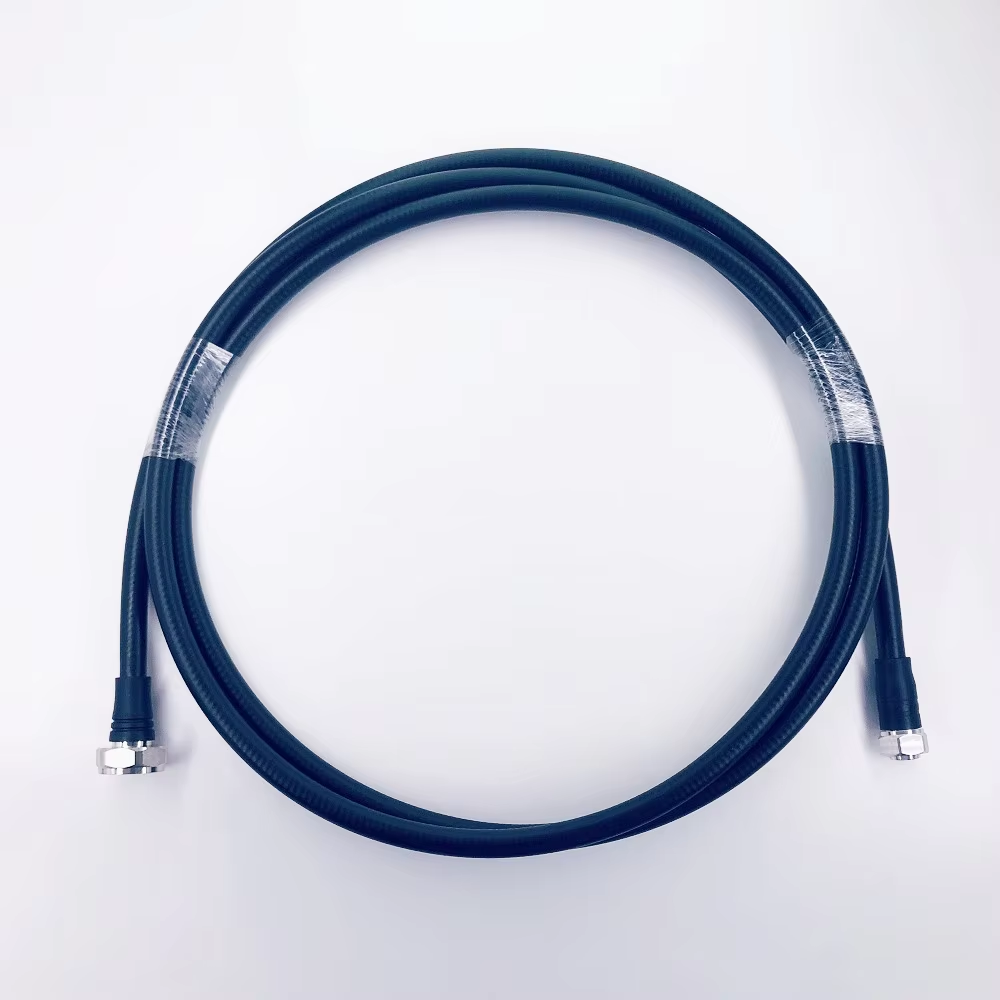
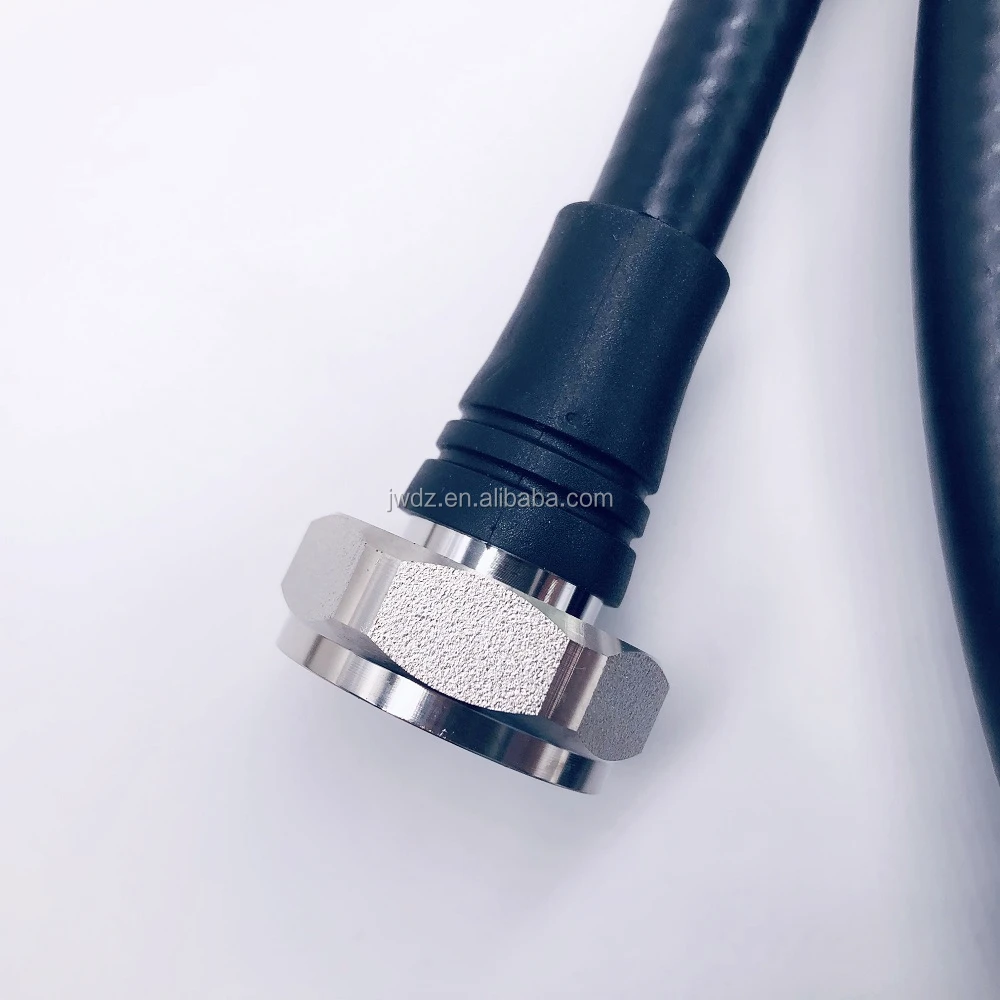
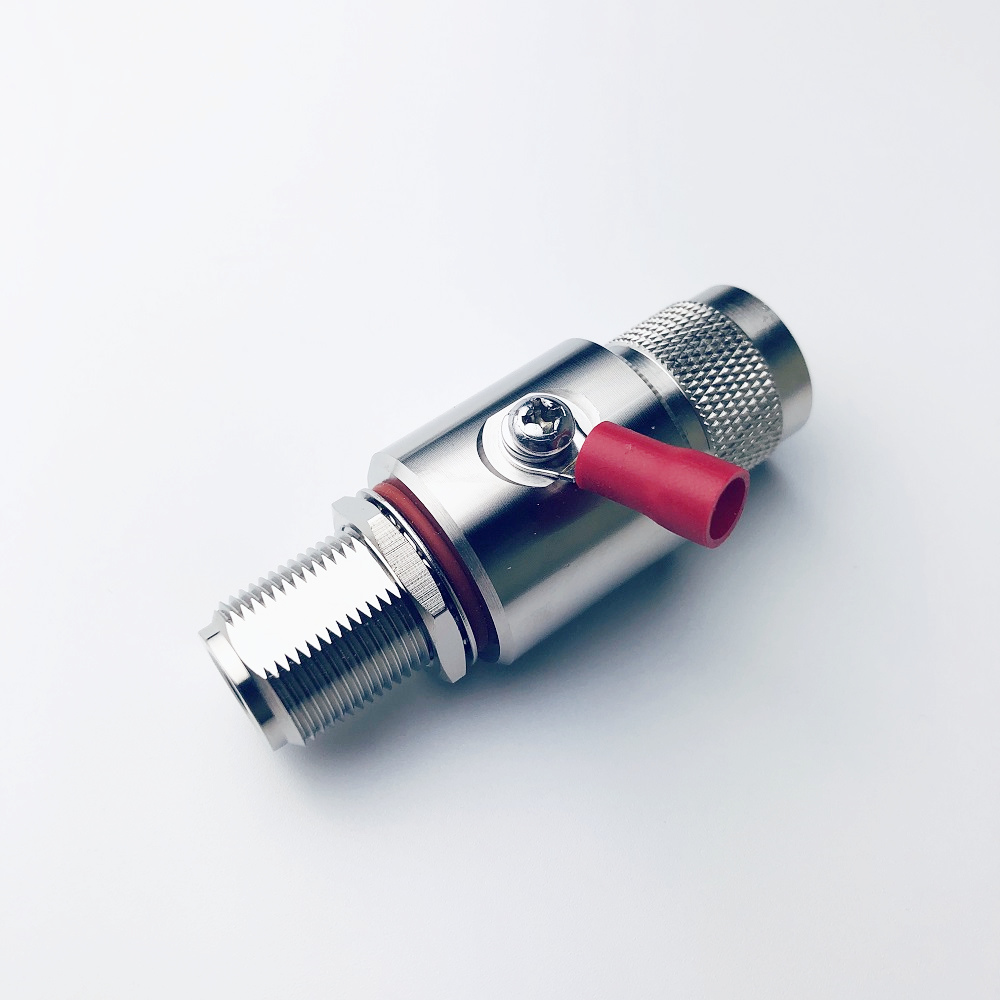
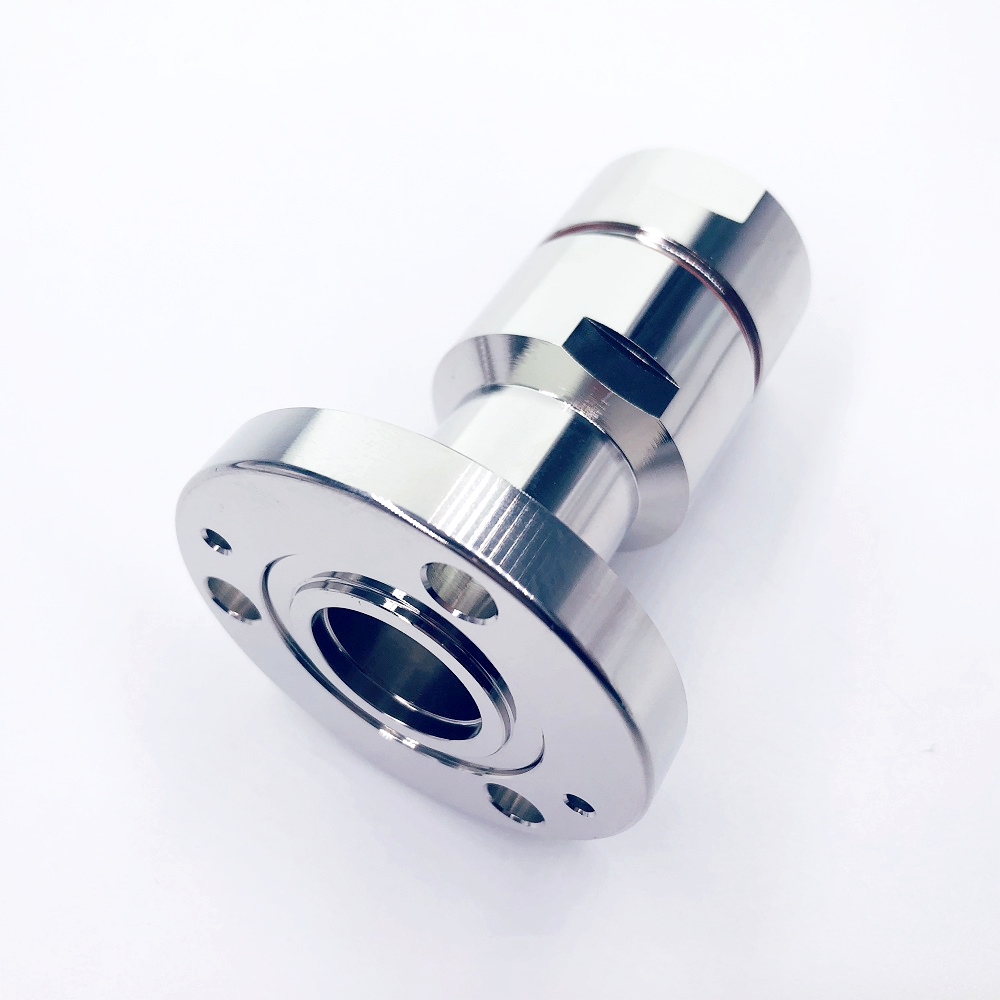
Before installation, turn the RF concept into an execution checklist. Confirm mounting locations and clearances; feeder or cable paths; connector interfaces; grounding and lightning-protection responsibilities where applicable; power and backhaul handoff points; access windows; and health-and-safety requirements. The antenna system should also be documented with identifiers that make later troubleshooting easier.
- RF objective: Define the service areas, minimum performance criteria, and expected user density.
- Band and radio compatibility: Verify the selected antenna, radio ports, connectors, and required frequency coverage as one system.
- Pattern and orientation: Record azimuth, tilt, mounting height, and the reason for each directional decision.
- Infrastructure: Check cable routing, bend radius, weather exposure where relevant, power, grounding, and backhaul readiness.
- Future growth: Reserve practical routes and mounting options for additional capacity or bands.
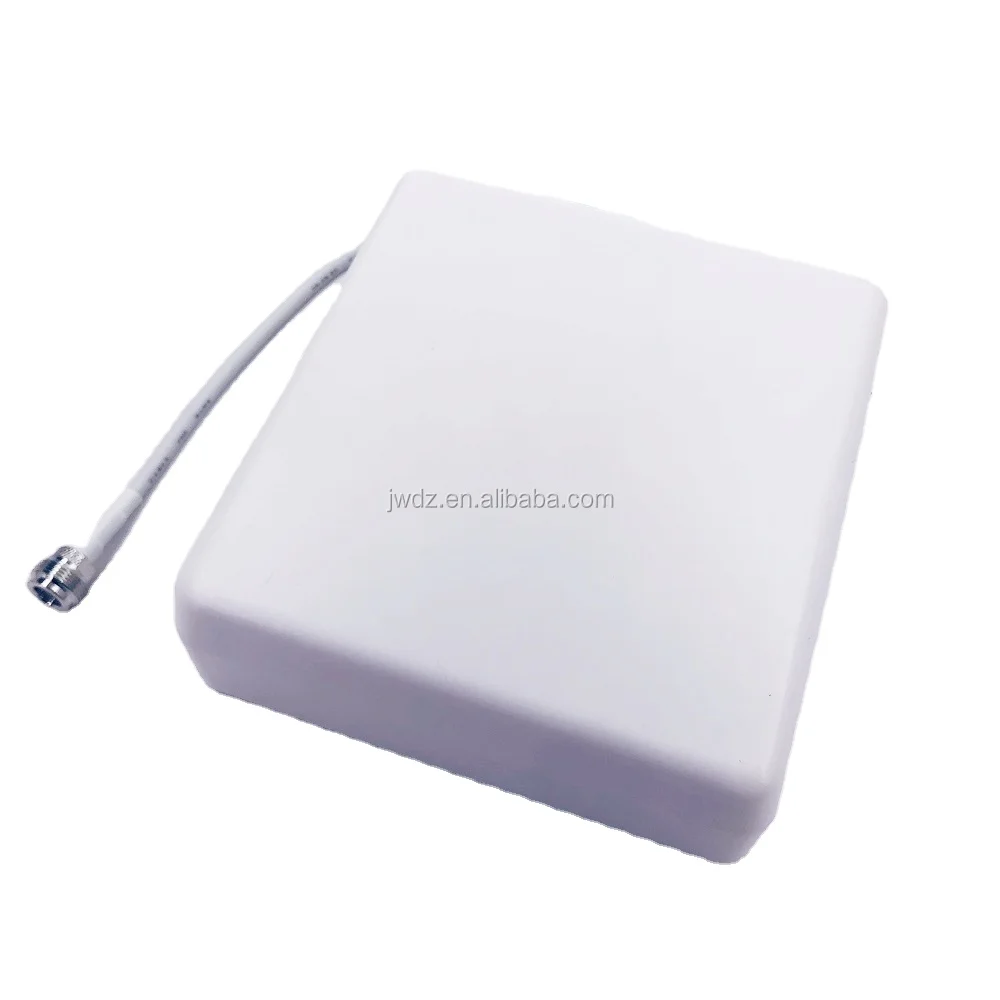
When an outdoor-to-indoor transition or a focused coverage extension is needed, a verified component option is this 5G 698-3800 MHz RF outdoor panel directional antenna for IBS DAS. Its final suitability should still be confirmed against the project radio design, installation environment, and applicable engineering requirements.
Commission, Measure, and Refine the Design
Deployment is not finished when the antennas are mounted. Commissioning should verify physical installation, port connections, cable labeling, and alignment before the service test. Then measure the experience in the original problem areas and at the edges between coverage zones. Compare results with the pre-install survey and the defined objective, paying attention to both downlink and uplink behavior, mobility, and performance during realistic busy periods.
Use the findings to refine tilt, orientation, power settings, neighbor relationships, or the boundary between small-cell and DAS coverage. Keep an as-built record with antenna locations, orientations, cable routes, and validation results. That record gives future expansion teams a reliable starting point and reduces the time needed to diagnose a change in indoor performance.
5G Small Cell Antenna Design Review Questions
Use a 5g small cell antenna review at each design gate. First, ask whether the proposed 5g small cell antenna supports the planned bands and radio ports. Next, ask whether the 5g small cell antenna pattern matches the service zone rather than the easiest mounting location. A 5g small cell antenna should be documented with its orientation, height, connector interface, and cable route.
During the survey, confirm whether each 5g small cell antenna has a clear intended coverage area and an acceptable overlap with neighboring nodes. During installation, verify that every 5g small cell antenna is mounted and aimed as designed. During commissioning, test the 5g small cell antenna in the original weak-signal areas and at the edges of its service zone. This disciplined process makes a 5g small cell antenna deployment easier to expand and maintain.
For procurement teams, compare a 5g small cell antenna against the complete deployment requirement: frequency range, radiation pattern, physical installation, cable interface, environmental exposure, and engineering support. A 5g small cell antenna that fits the bill of materials but not the radio plan can create rework. A properly selected 5g small cell antenna helps translate an indoor coverage design into a measurable field result.
Make Deployment Decisions That Scale
A successful 5g small cell antenna plan connects RF design with building realities. Begin with a measured coverage problem, compare small-cell and DAS options honestly, select patterns and bands for the actual floor plan, and validate the result after installation. This approach gives procurement and engineering teams a clearer basis for selecting antennas, coordinating installation work, and preparing the indoor network for future capacity demand.