Air Dielectric Coaxial Cable for High - Performance Signal Transmission

+86 18652828640 +86 18652828640
All Categories
Air Dielectric Coaxial Cable: High - Performance Signal Transmission Cable

Air Dielectric Coaxial Cable: High - Performance Signal Transmission Cable

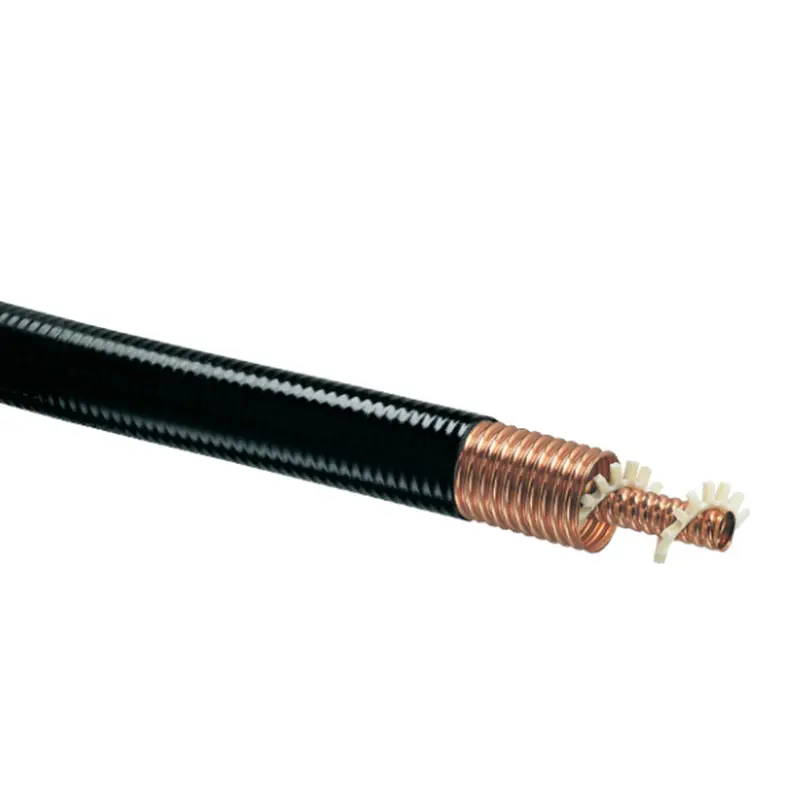
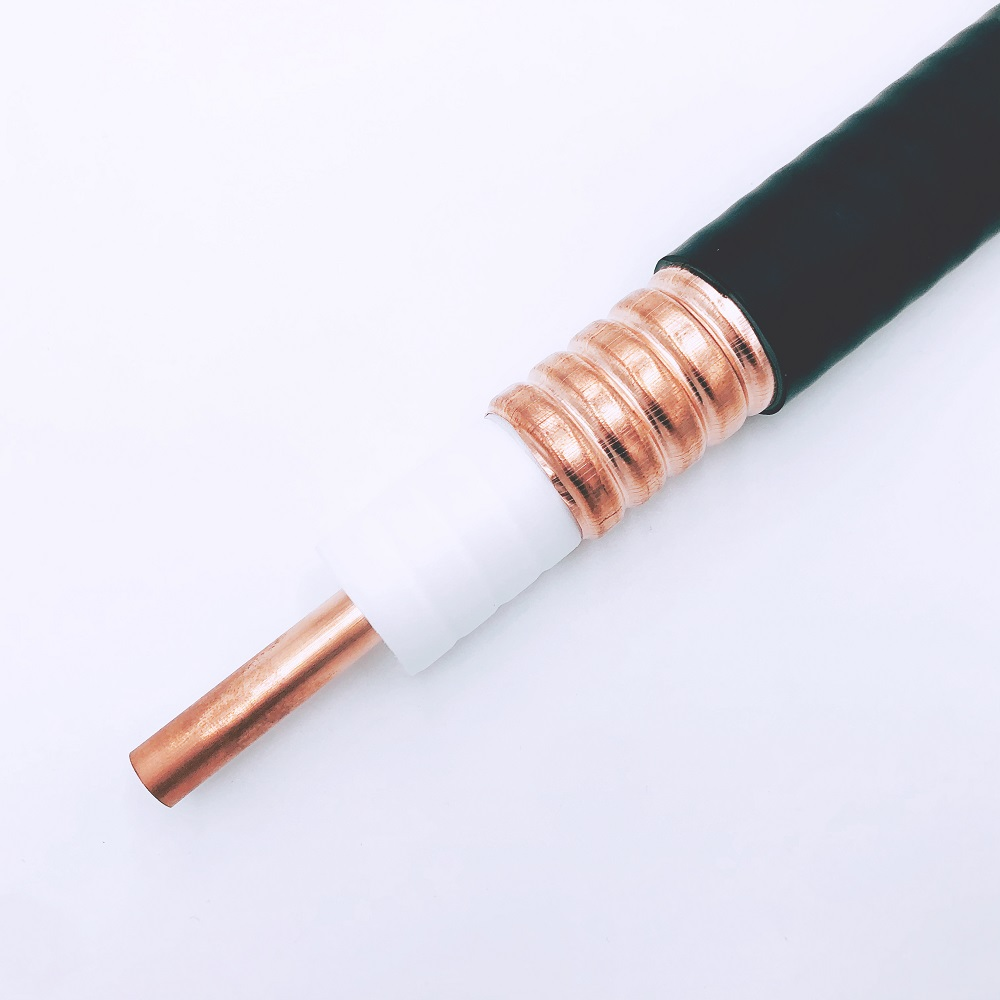
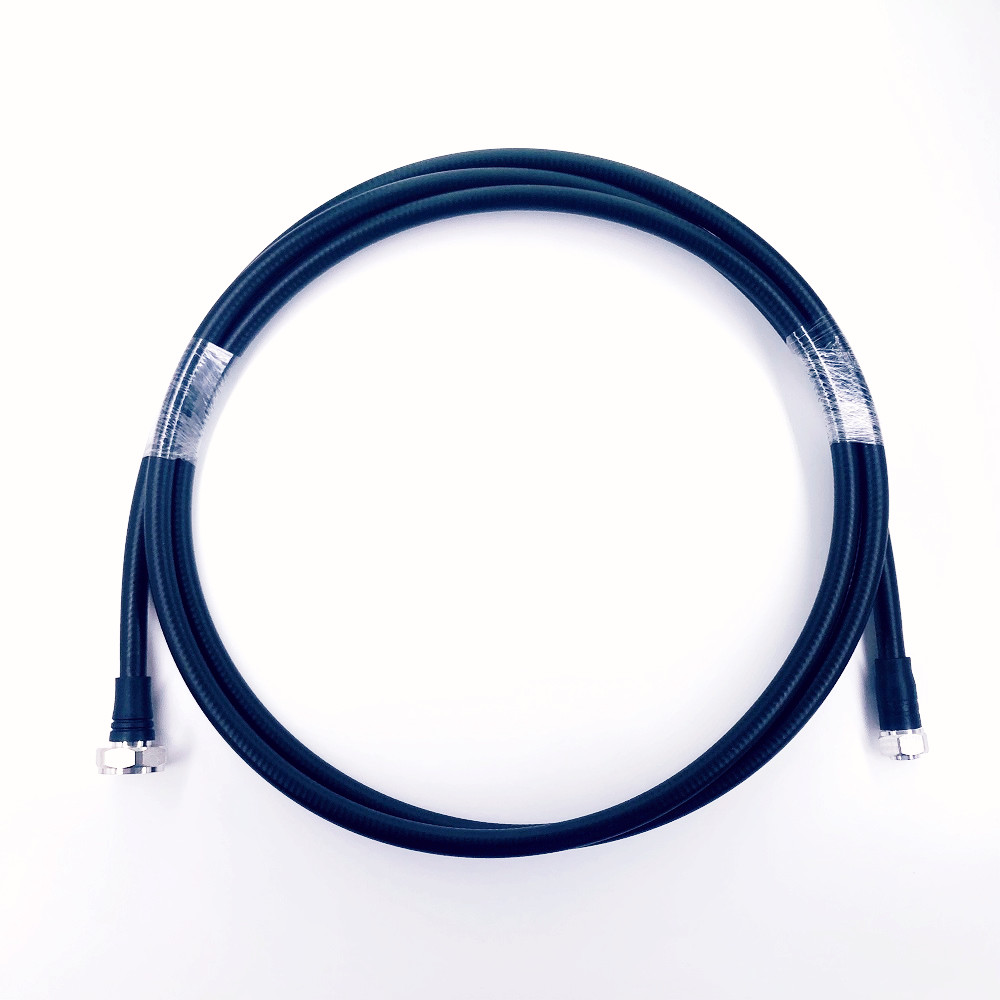
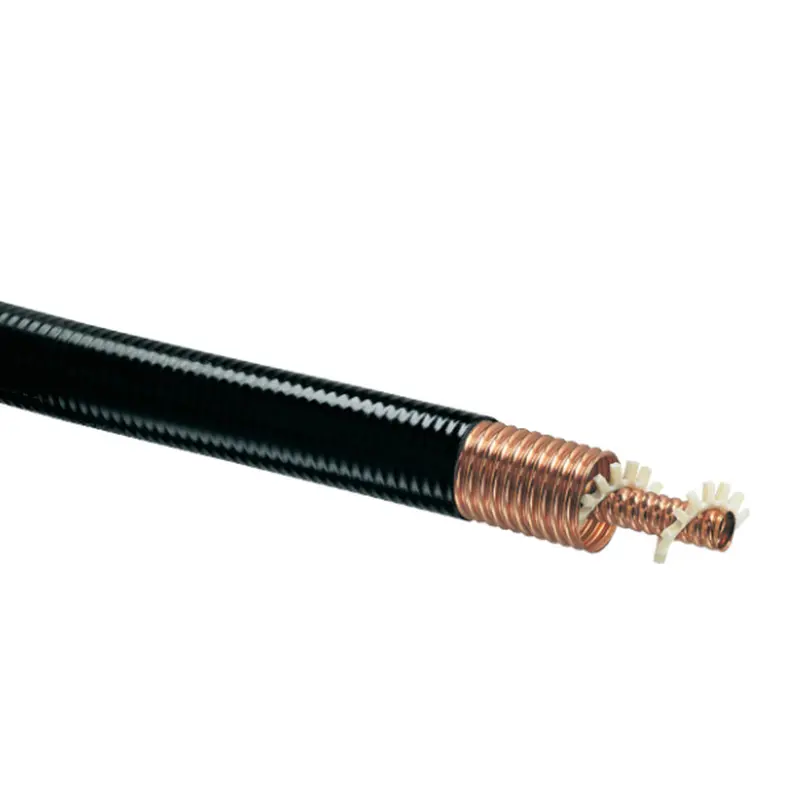
Air dielectric coaxial cable is a type of coaxial cable that uses air as the insulating medium. It features low loss and high transmission speed, making it suitable for applications demanding high - performance signal transmission, such as microwave and satellite communications.
Get A Quote

Advantages of the product

Low Loss for Cost - effective Transmission

Features low loss, reducing energy waste during signal transmission and cutting down long - term operation costs.

Suitable for High - end Applications

Ideal for high - performance signal transmission scenarios like microwave and satellite communications, ensuring reliable operation in critical applications.

Related products

An air dielectric coaxial cable is a hybrid which is made using both coaxial cable construction principles and air as a dielectric. This gives a cable with excellent shielding, low loss and high signal transmission speed. It finds use in satellite communication and in high frequency testing equipment.

common problem

What are the advantages of air dielectric coaxial cable?

It has low loss, high transmission speed. The use of air as the insulating medium helps reduce interference and ensures stable signal transmission over long distances.
Unlike ordinary coaxial cables, it uses air as the insulating medium. This results in lower loss and higher transmission speed, making it more suitable for high - end communication applications.
Typically not. It’s mainly designed for high - performance applications like microwave and satellite communication, as regular network communication doesn’t require such high - speed and low - loss transmission.

Related article

How to Choose Between LMR600 and LDF4-50C Coaxial Cables?

24

Mar

How to Choose Between LMR600 and LDF4-50C Coaxial Cables?

Key Differences Between LMR600 and LDF4-50C Coaxial CablesConstruction and Material CompositionThe construction of the LMR600 coaxial cable is designed to optimize signal transmission while maintaining durability. This cable typically includes a soli...
View More
Why Are LMR400 Cables Popular in Cellular Infrastructure?

24

Mar

Why Are LMR400 Cables Popular in Cellular Infrastructure?

Key Advantages of LMR400 Cables in Cellular Infrastructure Low Signal Attenuation at High Frequencies LMR400 cables are renowned for their remarkably low signal attenuation, making them particularly suitable for high-frequency applications such...
View More
How Do Air Dielectric Coaxial Cables Improve Signal Integrity?

24

Mar

How Do Air Dielectric Coaxial Cables Improve Signal Integrity?

Fundamentals of Coaxial Cable Signal Transmission Key Components: Conductor, Dielectric, and Shielding Coaxial cables are engineered with specific structural designs that optimize their ability to transmit electrical signals efficiently. At the core ...
View More
Air Dielectric Coaxial Cables Ideal Choice for High - Frequency Transmission

07

Apr

Air Dielectric Coaxial Cables Ideal Choice for High - Frequency Transmission

Understanding Air Dielectric Coaxial Cable Construction Core Components: Center Conductor and Outer Shield The center conductor serves as the primary pathway for RF signals in coaxial cables, typically crafted from copper or aluminum due to their ex...
View More

User evaluation of the product

John

The air dielectric coaxial cable shows low loss during signal transmission. It meets my demand for high - performance signal transfer in microwave communication projects.

William

Its performance in terms of low loss and high speed makes the air dielectric coaxial cable a great choice for professional communication setups.

Get a Free Quote

Our representative will contact you soon.
Email
Name
Company Name
Message
0/1000
Stable Signal Quality

Stable Signal Quality

Provides stable signal quality, minimizing signal distortion and interference, guaranteeing smooth communication.