RF Connector: Reliable Connection for RF Components

+86 18652828640 +86 18652828640
All Categories
RF Connector: Reliable Connection for RF Components

RF Connector: Reliable Connection for RF Components

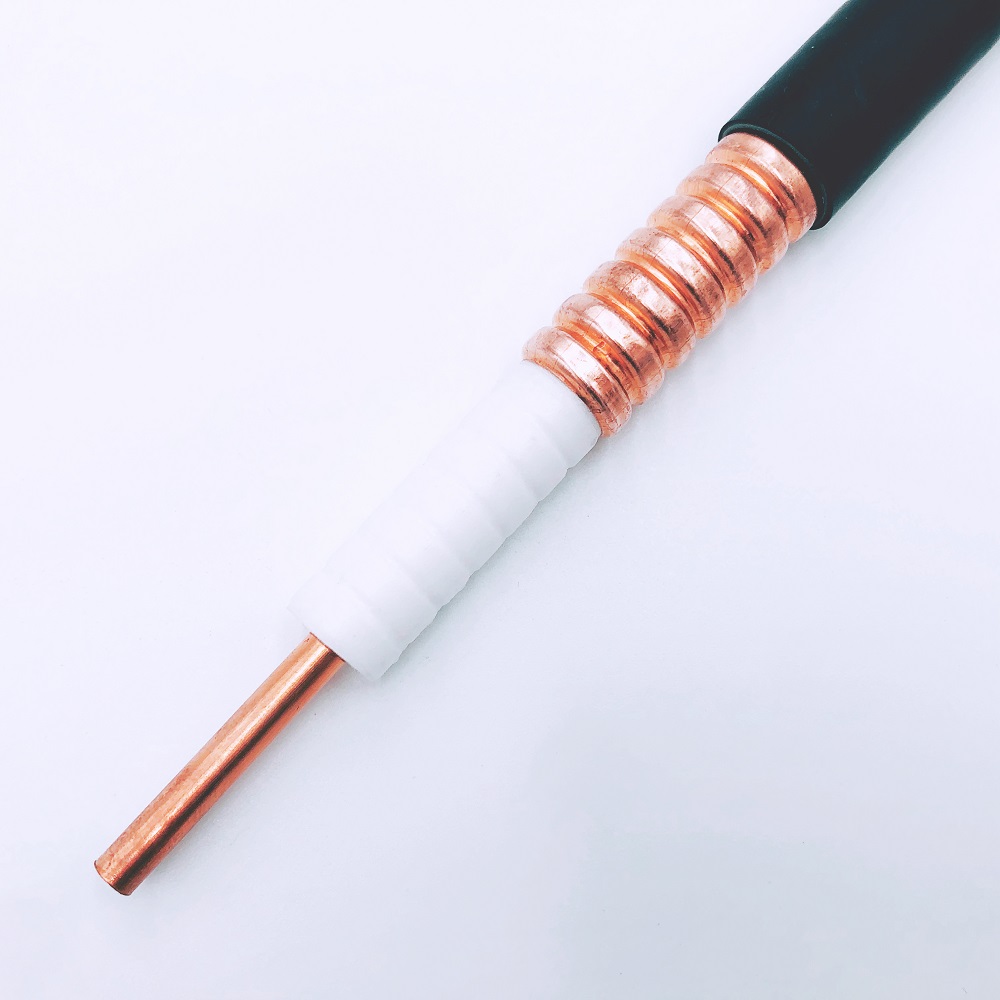
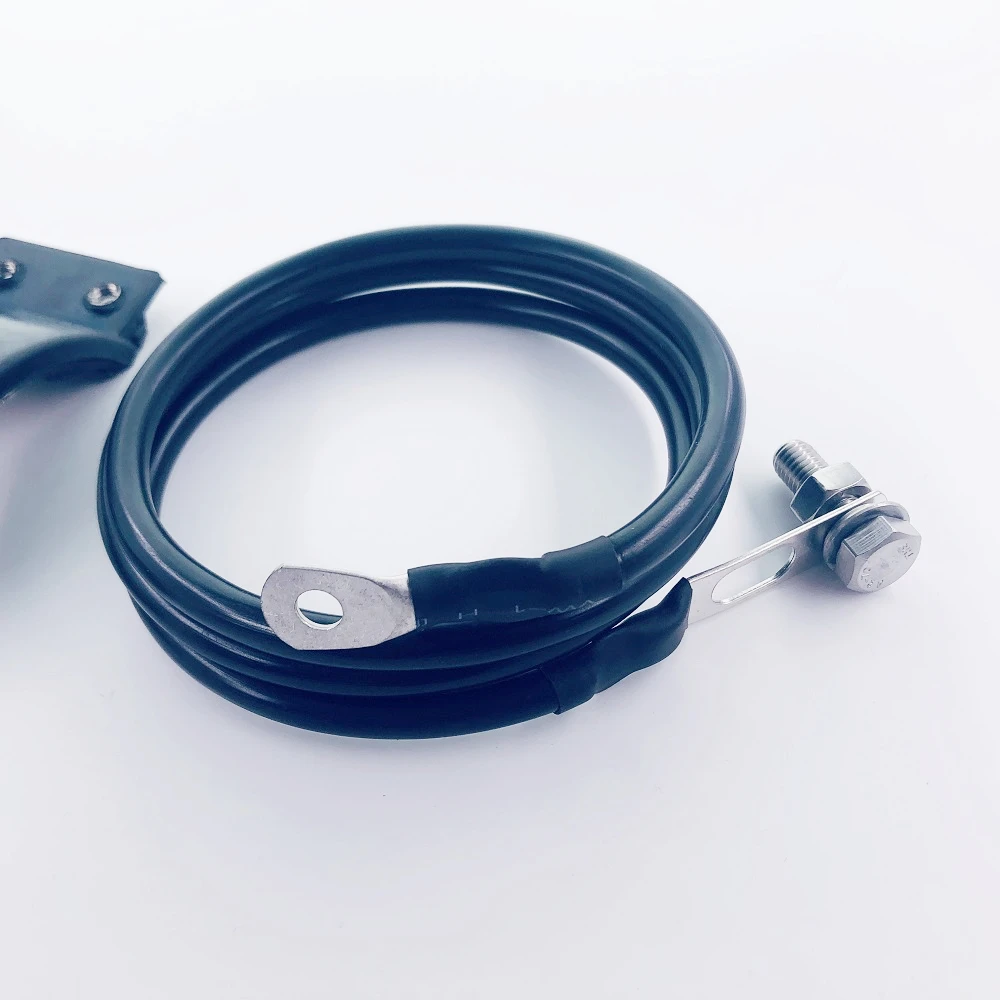
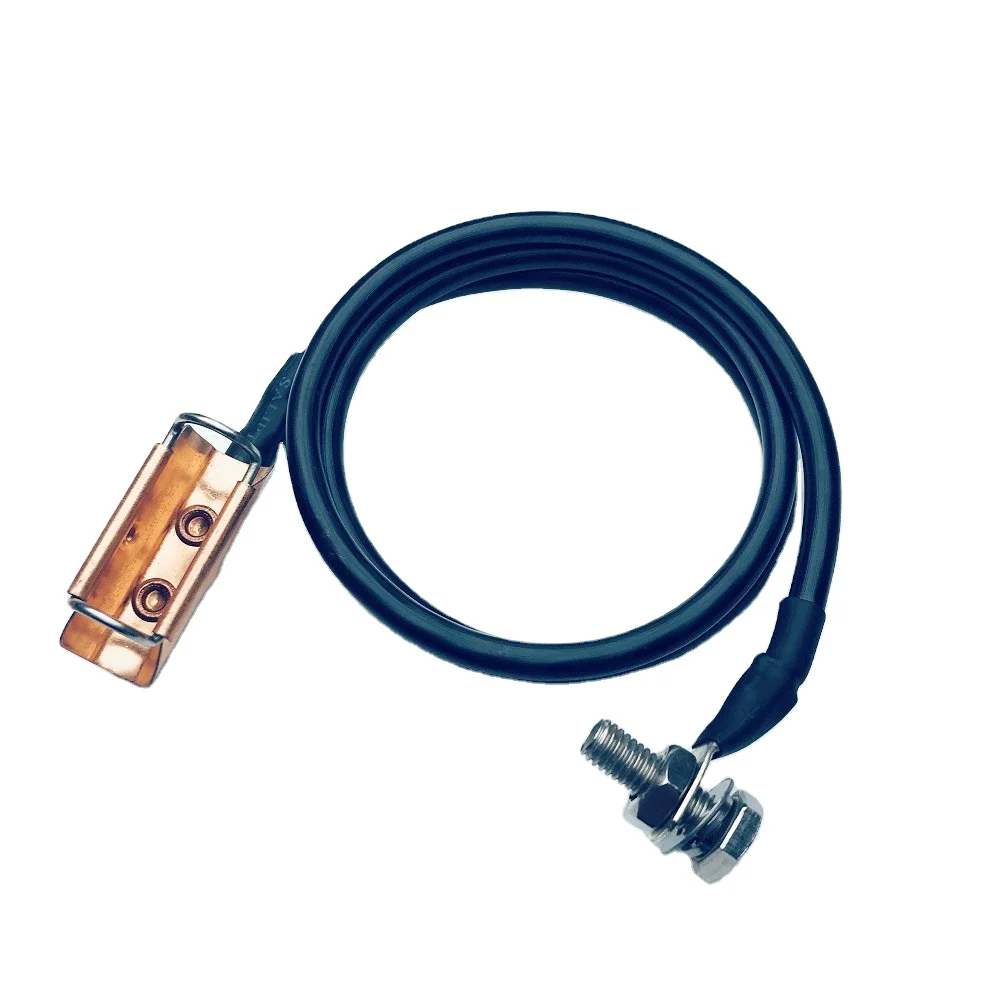
RF connector is used to connect RF cables to RF devices or other RF components. It has good electrical and mechanical performance and anti - interference capabilities, ensuring reliable signal transmission and connection at RF frequencies. Common types include N - type, SMA - type, and BNC - type.
Get A Quote

Advantages of the product

Good Electrical and Mechanical Performance

Exhibits good electrical and mechanical performance, ensuring reliable signal transmission and connection.

Multiple Types for Different Needs

Available in multiple types such as N - type, SMA - type, and BNC - type, meeting diverse application requirements.

Related products

An N-type RF cable is a coaxial cable that uses an N-type connector at the end. These cables are designed to work with high power and high frequency RF projects. These cables facilitate a reliable and secure signal while minimizing the amount of disturbance RF signals receive during their transmission.

common problem

What is the role of an RF connector?

An RF connector connects RF cables to RF devices or other RF components. It ensures reliable signal transmission and connection at RF frequencies with good electrical and mechanical performance.
Common types include N - type, SMA - type, and BNC - type. Each has different characteristics, suitable for various applications and frequency ranges.
In some cases, yes, but it depends on factors like connector type, impedance, and frequency range. Using the wrong connector may lead to connection failures or signal degradation.
Follow the manufacturer's instructions. Ensure proper alignment, secure fastening, and protection against environmental factors to achieve optimal performance and long - term reliability.

Related article

How to Choose Between LMR600 and LDF4-50C Coaxial Cables?

24

Mar

How to Choose Between LMR600 and LDF4-50C Coaxial Cables?

Key Differences Between LMR600 and LDF4-50C Coaxial CablesConstruction and Material CompositionThe construction of the LMR600 coaxial cable is designed to optimize signal transmission while maintaining durability. This cable typically includes a soli...
View More
Why Are LMR400 Cables Popular in Cellular Infrastructure?

24

Mar

Why Are LMR400 Cables Popular in Cellular Infrastructure?

Key Advantages of LMR400 Cables in Cellular Infrastructure Low Signal Attenuation at High Frequencies LMR400 cables are renowned for their remarkably low signal attenuation, making them particularly suitable for high-frequency applications such...
View More
RF Cables What Parameters Should Be Focused on in Selection?

07

Apr

RF Cables What Parameters Should Be Focused on in Selection?

Impedance and Frequency Fundamentals 50Ω vs 75Ω Systems The primary distinction between 50Ω and 75Ω systems lies in their impedance values, which significantly affect their applications and performance characteristics. 50&Ome...
View More
Grounding Kits Protecting Equipment and Personnel Safety

07

Apr

Grounding Kits Protecting Equipment and Personnel Safety

The Critical Role of Grounding Kits in Electrical Safety How Grounding Kits Prevent Equipment Damage Grounding kits are essential for protecting sensitive electrical equipment by efficiently dissipating electrical surges. These kits establish a low-...
View More

User evaluation of the product

Jane Doe

Easy to connect, this RF connector is available in various types like N - type, SMA - type, meeting different connection needs.

Chloe

It's an important device for connecting RF cables to RF devices, providing stable and reliable signal connections.

Get a Free Quote

Our representative will contact you soon.
Email
Name
Company Name
Message
0/1000
Widely Compatible with RF Components

Widely Compatible with RF Components

Highly compatible with various RF cables and devices, facilitating system integration.