Welcome to our store!Black Friday Sale!

application/rf-signal-cable, application/rf-signal-cable, 
Inquiry
application/rf-signal-cable, application/rf-signal-cable, 
  • About Us
  • Products
  • Feeder Cable Leaky Cable
  • RF Coaxial Cable
  • RF Connectors EIA Flange
    RF Cable: Low - Loss Signal Transmission Cable for RF Signals

    RF Cable: Low - Loss Signal Transmission Cable for RF Signals

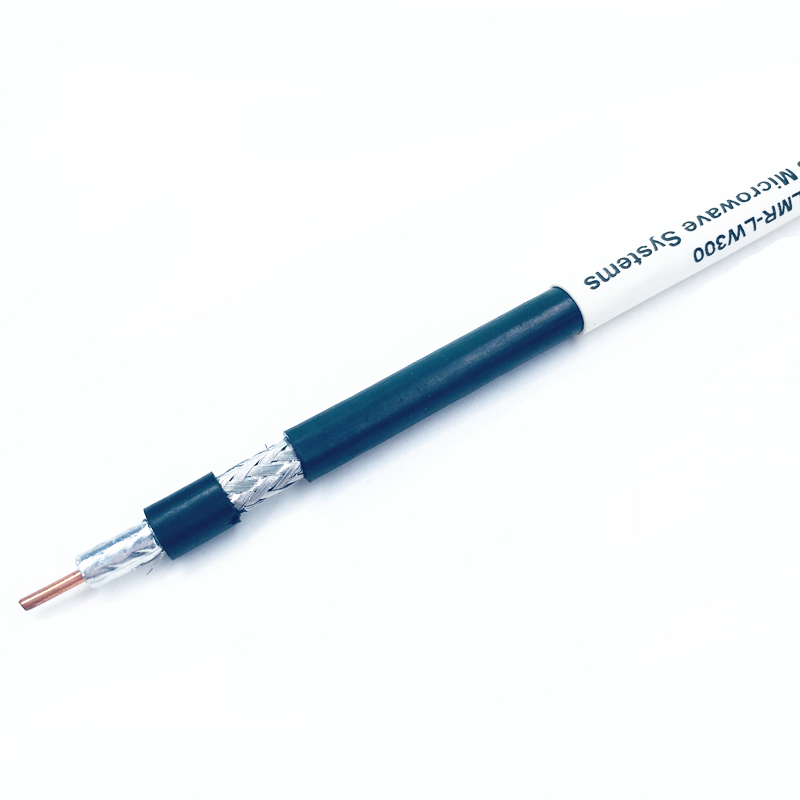
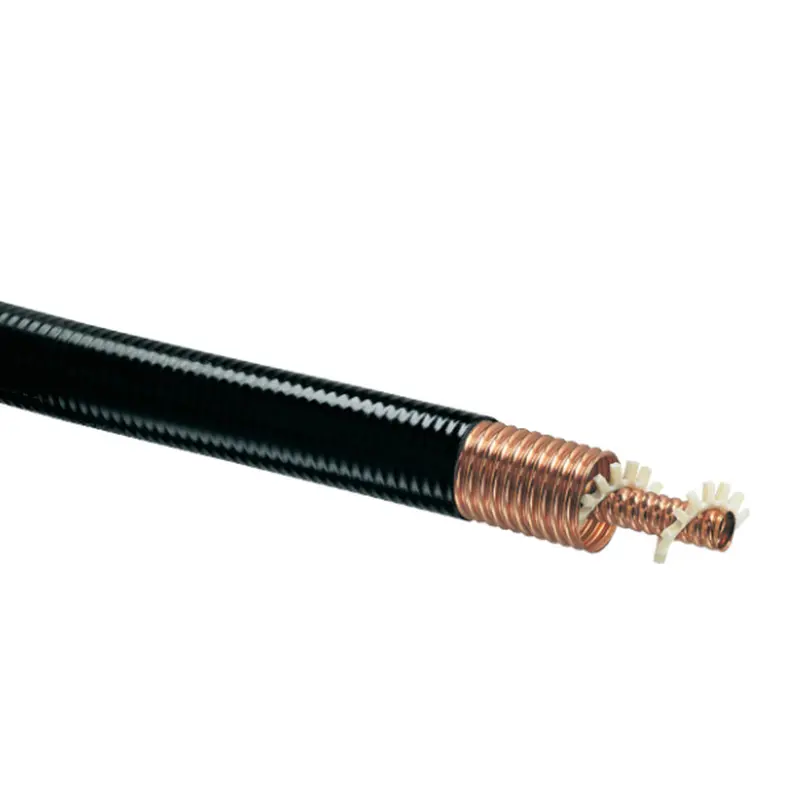
    RF cable is used to transmit RF signals. It has good shielding performance and low - loss characteristics, effectively transmitting signals within the RF frequency range. It’s widely used in wireless communication, broadcast television, and radar fields.
    Get A Quote

    Advantages of the product

    Good Shielding for Signal Integrity

    Has good shielding performance, protecting signals from interference and maintaining integrity.

    Low Loss for Efficient Transmission

    Features low loss, enabling efficient transmission of RF signals over long distances.

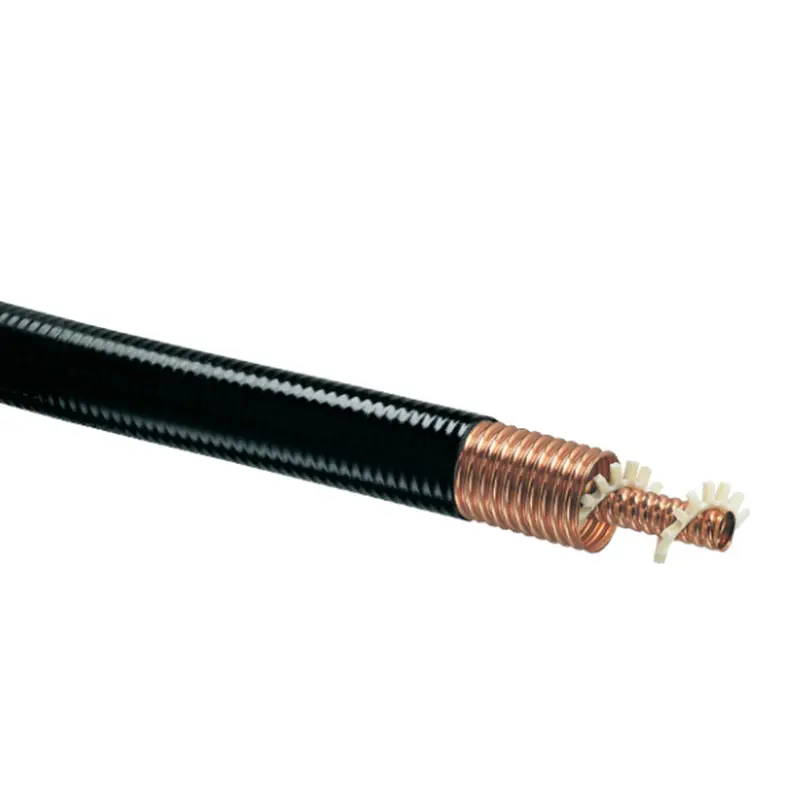
    RF signal cables are designed with the intention of transmitting radio frequency signals with minimal loss and interference. The RF signal cable has a central conductor, an insulator, a shield, and an outer jacket. The shield contains the necessary materials together with geometric configurations for the cable to provide sufficient 50 or 75 ohm impedance allowing signal transmission in RF circuits and systems.
    common problem

    What is an RF cable used for?

    An RF cable is used to transmit RF signals. Thanks to its good shielding and low - loss properties, it’s widely used in wireless communication, broadcast television, and radar systems.
    RF cables are designed specifically for RF signal transmission. They have better shielding to prevent interference and lower loss to ensure efficient signal transfer at RF frequencies.
    Proper installation involves avoiding sharp bends to prevent signal degradation. Also, ensure correct connection with RF connectors and protection from environmental factors.

    Related article

    How Do Air Dielectric Coaxial Cables Improve Signal Integrity?

    24

    Mar

    How Do Air Dielectric Coaxial Cables Improve Signal Integrity?

    Fundamentals of Coaxial Cable Signal Transmission Key Components: Conductor, Dielectric, and Shielding Coaxial cables are engineered with specific structural designs that optimize their ability to transmit electrical signals efficiently. At the core ...
    View More
    RF Cables What Parameters Should Be Focused on in Selection?

    07

    Apr

    RF Cables What Parameters Should Be Focused on in Selection?

    Impedance and Frequency Fundamentals 50Ω vs 75Ω Systems The primary distinction between 50Ω and 75Ω systems lies in their impedance values, which significantly affect their applications and performance characteristics. 50&Ome...
    View More
    Grounding Kits Protecting Equipment and Personnel Safety

    07

    Apr

    Grounding Kits Protecting Equipment and Personnel Safety

    The Critical Role of Grounding Kits in Electrical Safety How Grounding Kits Prevent Equipment Damage Grounding kits are essential for protecting sensitive electrical equipment by efficiently dissipating electrical surges. These kits establish a low-...
    View More
    Air Dielectric Coaxial Cables Ideal Choice for High - Frequency Transmission

    07

    Apr

    Air Dielectric Coaxial Cables Ideal Choice for High - Frequency Transmission

    Understanding Air Dielectric Coaxial Cable Construction Core Components: Center Conductor and Outer Shield The center conductor serves as the primary pathway for RF signals in coaxial cables, typically crafted from copper or aluminum due to their ex...
    View More

    User evaluation of the product

    Jane Doe

    Easy to use, this RF cable is suitable for various RF - related applications like broadcasting and radar.

    Alexander

    High - quality RF cable ensures stable signal transmission. It's a reliable choice for RF signal transfer.

    Get a Free Quote

    Our representative will contact you soon.
    0/1000
    Standardized Design for Compatibility

    Standardized Design for Compatibility

    Follows standardized design, ensuring compatibility with various RF devices and systems.