Welcome to our store!Black Friday Sale!

application/high-frequency-rf-cable, application/high-frequency-rf-cable, 
Inquiry
application/high-frequency-rf-cable, application/high-frequency-rf-cable, 
  • About Us
  • Products
  • Feeder Cable Leaky Cable
  • RF Coaxial Cable
  • RF Connectors EIA Flange
    RF Cable: Low - Loss Signal Transmission Cable for RF Signals

    RF Cable: Low - Loss Signal Transmission Cable for RF Signals

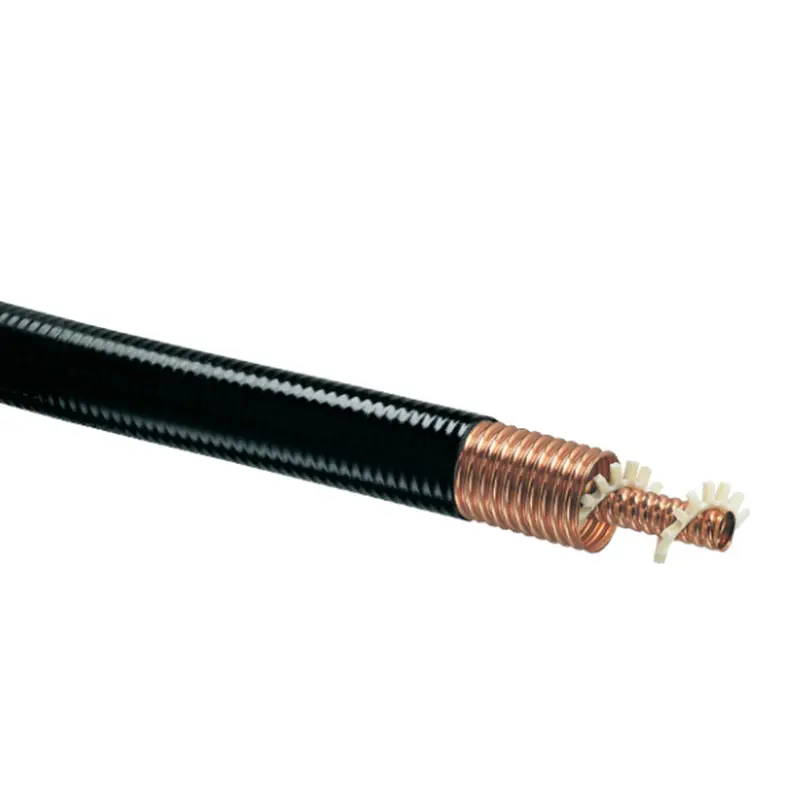
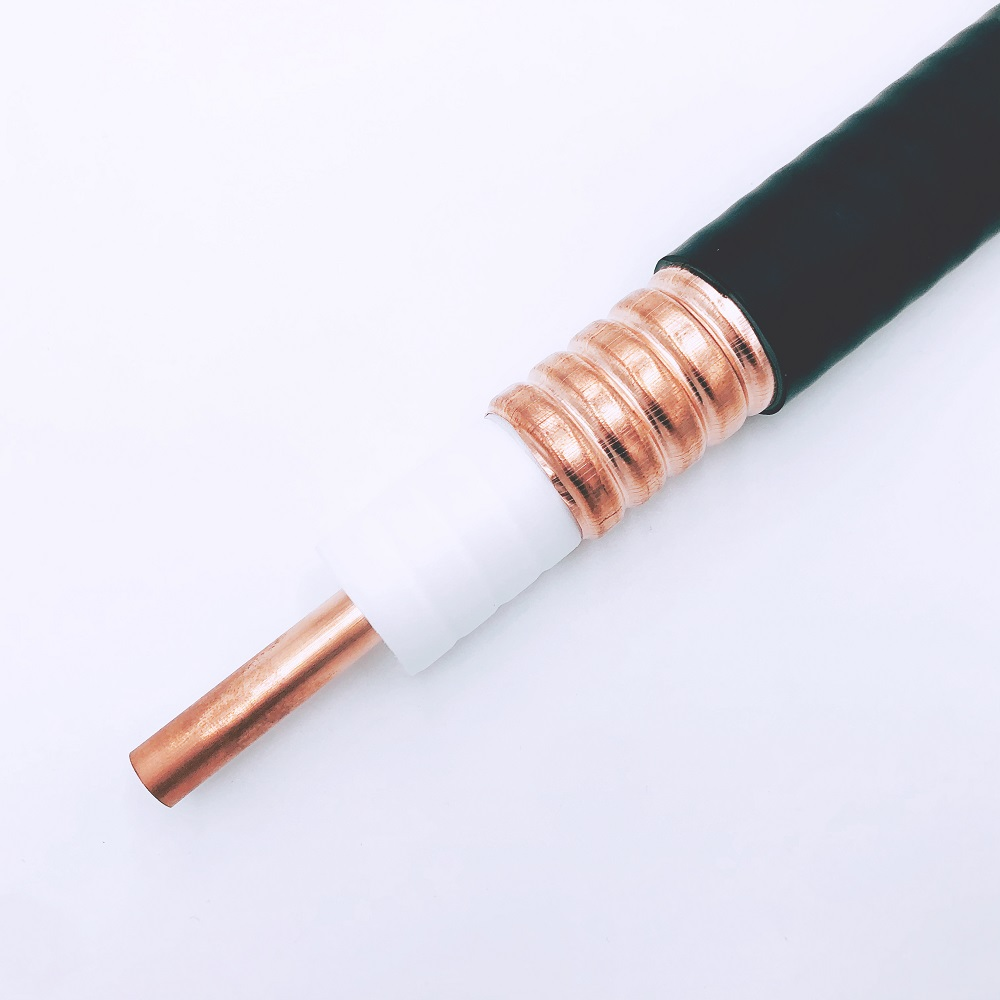
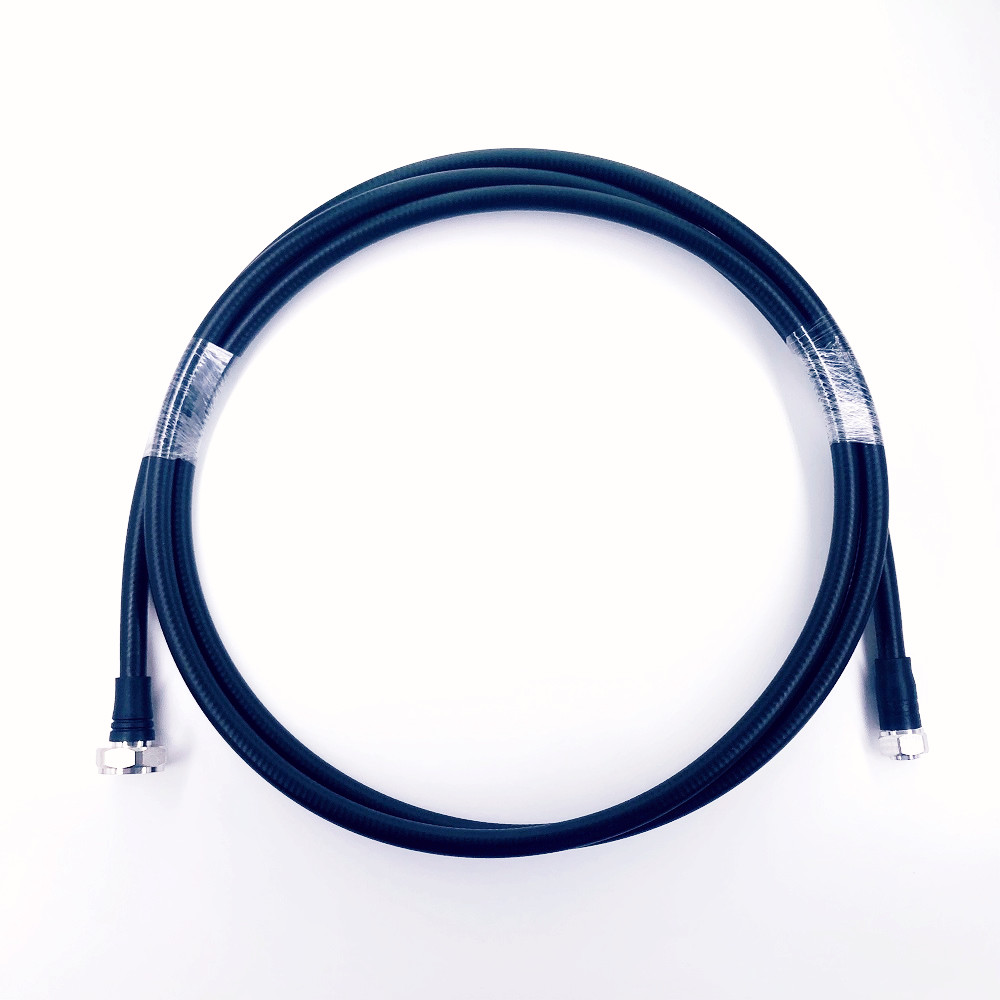
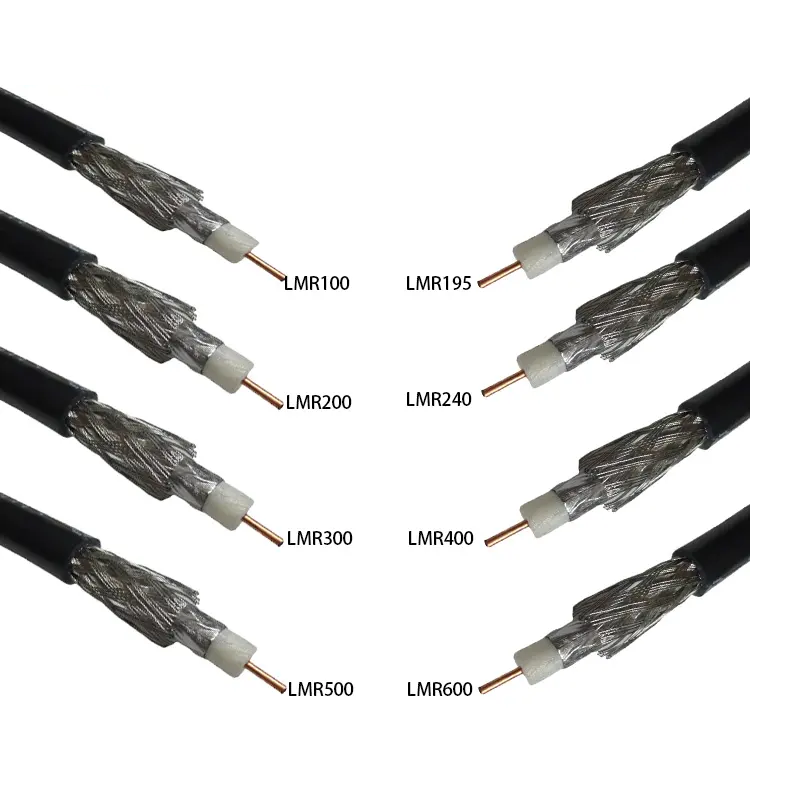
    RF cable is used to transmit RF signals. It has good shielding performance and low - loss characteristics, effectively transmitting signals within the RF frequency range. It’s widely used in wireless communication, broadcast television, and radar fields.
    Get A Quote

    Advantages of the product

    Good Shielding for Signal Integrity

    Has good shielding performance, protecting signals from interference and maintaining integrity.

    Low Loss for Efficient Transmission

    Features low loss, enabling efficient transmission of RF signals over long distances.

    The design of high-frequency RF cables is more compact in order to allow for use at high frequencies. Features that lead to high levels of signal attenuation, impedance mismatch, and distortion are also minimized. In addition, specialized materials like Teflon for insulation and silver plating for the conductors are used to increase the performance of the cable. These types of cables are important for use in microwave communication, satellite systems, and during high speed data transfer
    common problem

    What makes RF cables different from regular cables?

    RF cables are designed specifically for RF signal transmission. They have better shielding to prevent interference and lower loss to ensure efficient signal transfer at RF frequencies.
    Yes. High - quality RF cables can transmit RF signals over long distances with relatively low signal attenuation, maintaining signal integrity.
    Yes. RF cables vary in terms of impedance, diameter, and construction. Some are designed for high - power applications, while others for high - frequency use.

    Related article

    Why Are LMR400 Cables Popular in Cellular Infrastructure?

    24

    Mar

    Why Are LMR400 Cables Popular in Cellular Infrastructure?

    Key Advantages of LMR400 Cables in Cellular Infrastructure Low Signal Attenuation at High Frequencies LMR400 cables are renowned for their remarkably low signal attenuation, making them particularly suitable for high-frequency applications such...
    View More
    How Do Air Dielectric Coaxial Cables Improve Signal Integrity?

    24

    Mar

    How Do Air Dielectric Coaxial Cables Improve Signal Integrity?

    Fundamentals of Coaxial Cable Signal Transmission Key Components: Conductor, Dielectric, and Shielding Coaxial cables are engineered with specific structural designs that optimize their ability to transmit electrical signals efficiently. At the core ...
    View More
    Feeder Cables How to Select the Right Specifications

    03

    Apr

    Feeder Cables How to Select the Right Specifications

    Understanding Feeder Cable Specifications and Applications Defining Feeder Cables in Power Distribution Systems Feeder cables are fundamental components in power distribution networks, acting as conduits to efficiently transmit electrical energy fro...
    View More
    Custom Cable Assemblies Meeting Diverse Cabling Needs

    07

    Apr

    Custom Cable Assemblies Meeting Diverse Cabling Needs

    Understanding Custom Cable Assemblies for Specialized Applications Defining Custom Cable Assemblies: Beyond Off-the-Shelf Solutions Custom cable assemblies offer tailored solutions designed to meet specific needs, setting them apart from standard, o...
    View More

    User evaluation of the product

    Frank

    The RF cable has good shielding performance and low loss. It effectively transmits RF signals in my wireless communication system.

    Alexander

    High - quality RF cable ensures stable signal transmission. It's a reliable choice for RF signal transfer.

    Get a Free Quote

    Our representative will contact you soon.
    0/1000
    Standardized Design for Compatibility

    Standardized Design for Compatibility

    Follows standardized design, ensuring compatibility with various RF devices and systems.