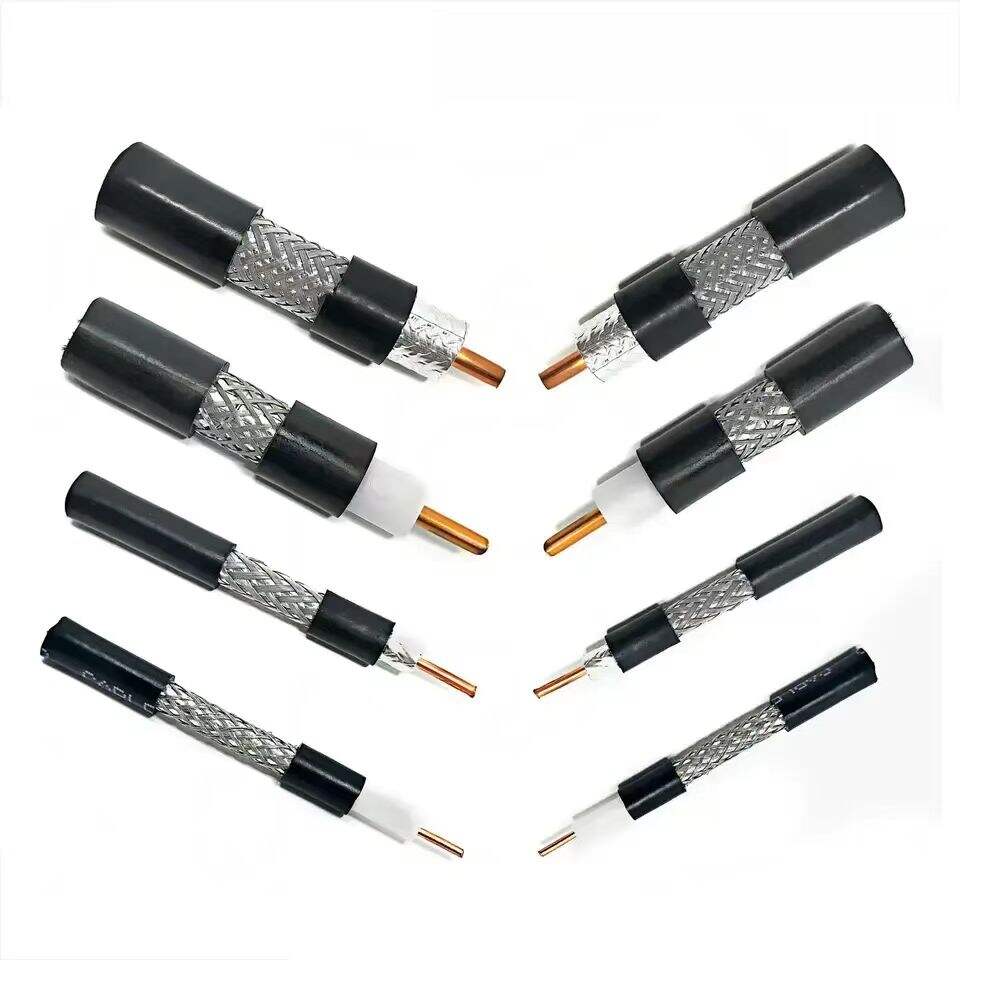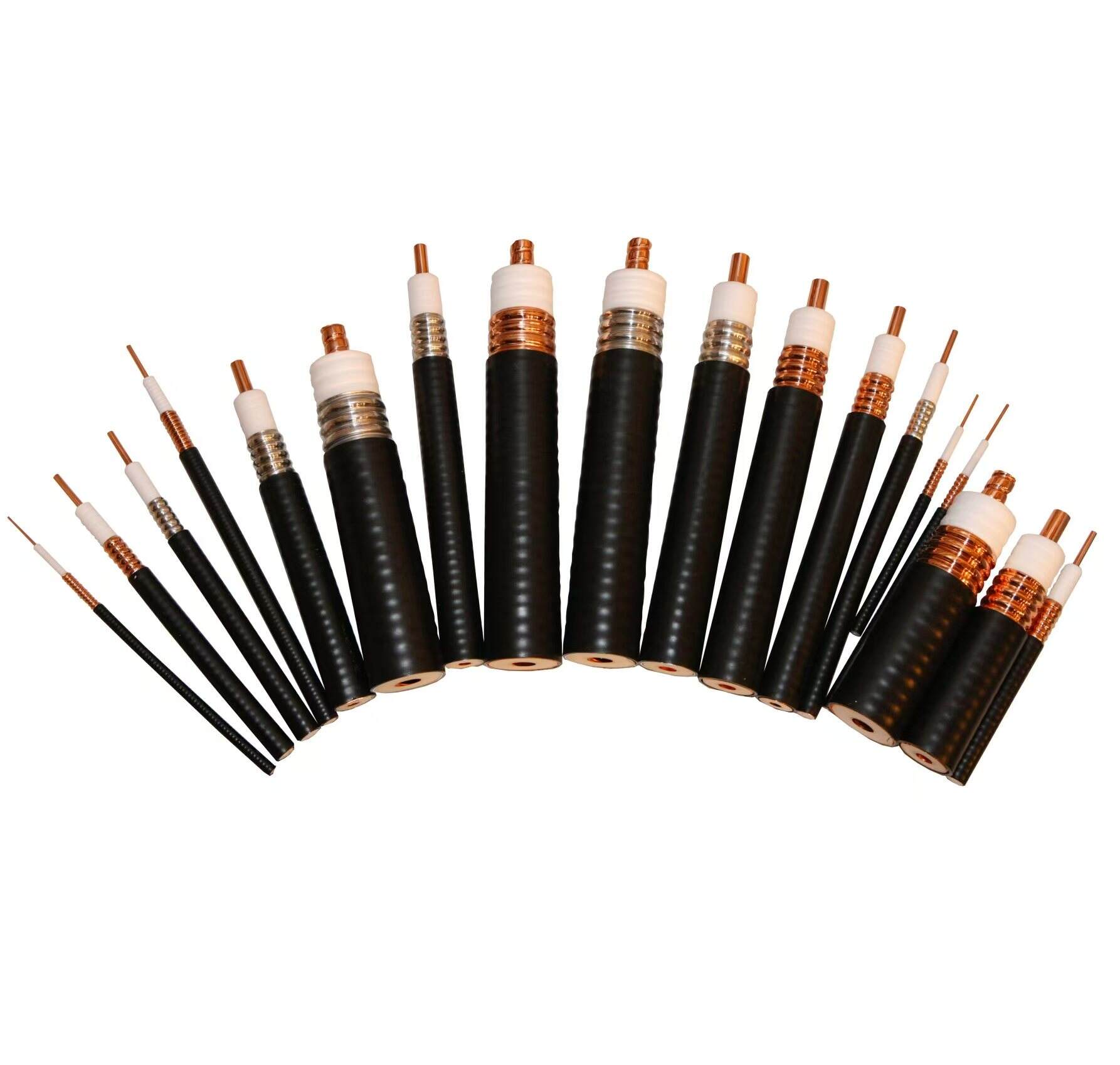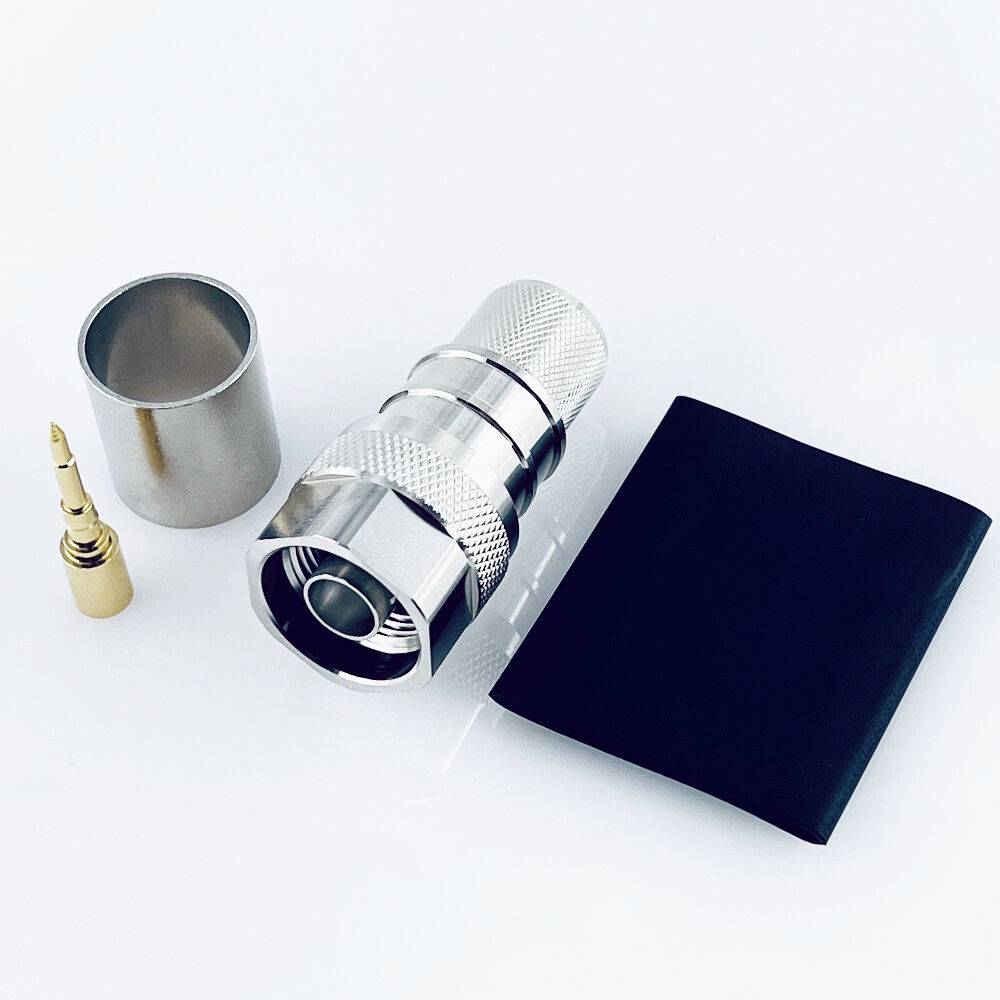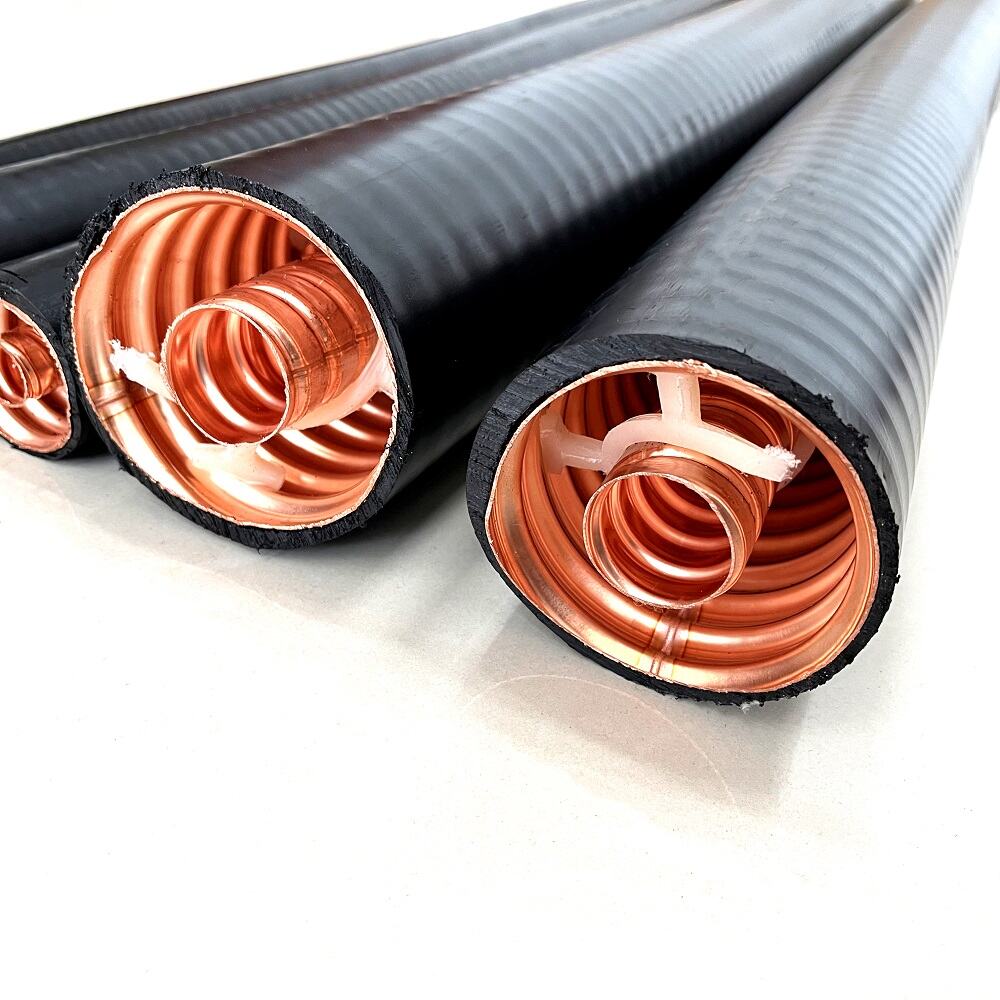
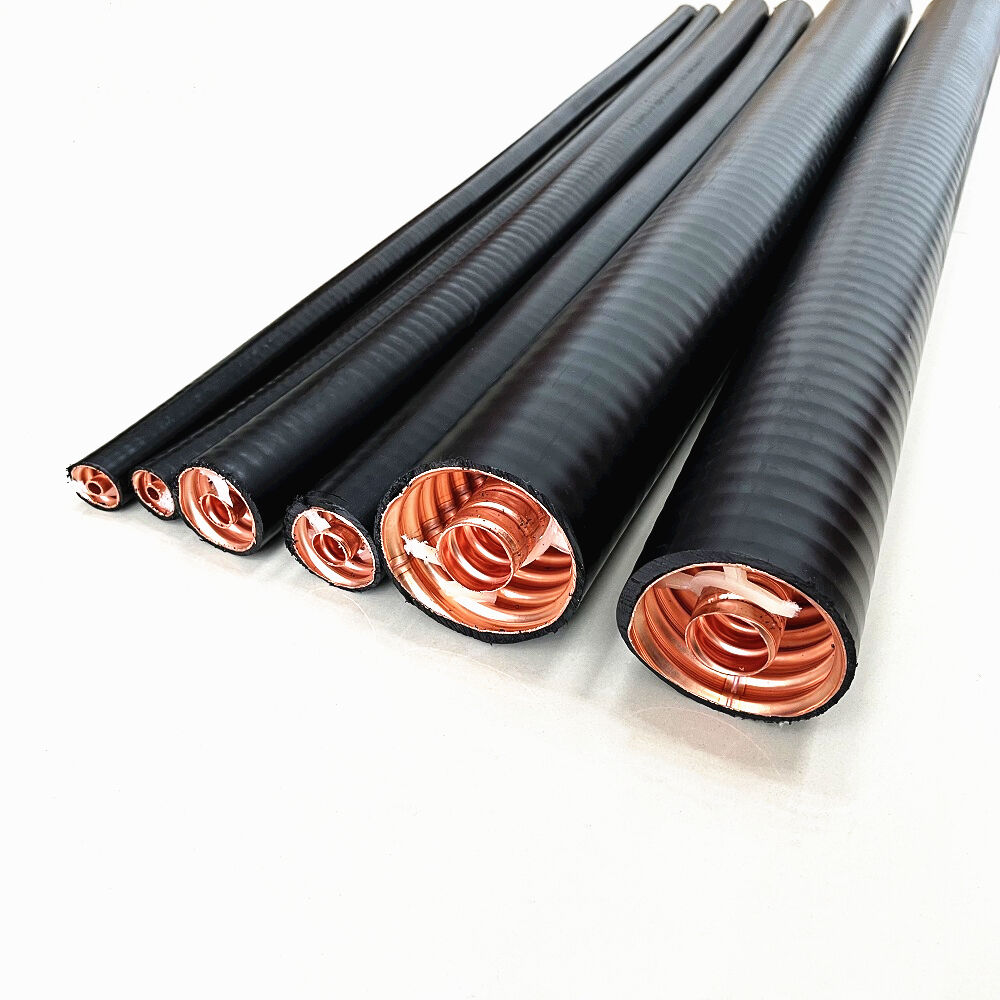
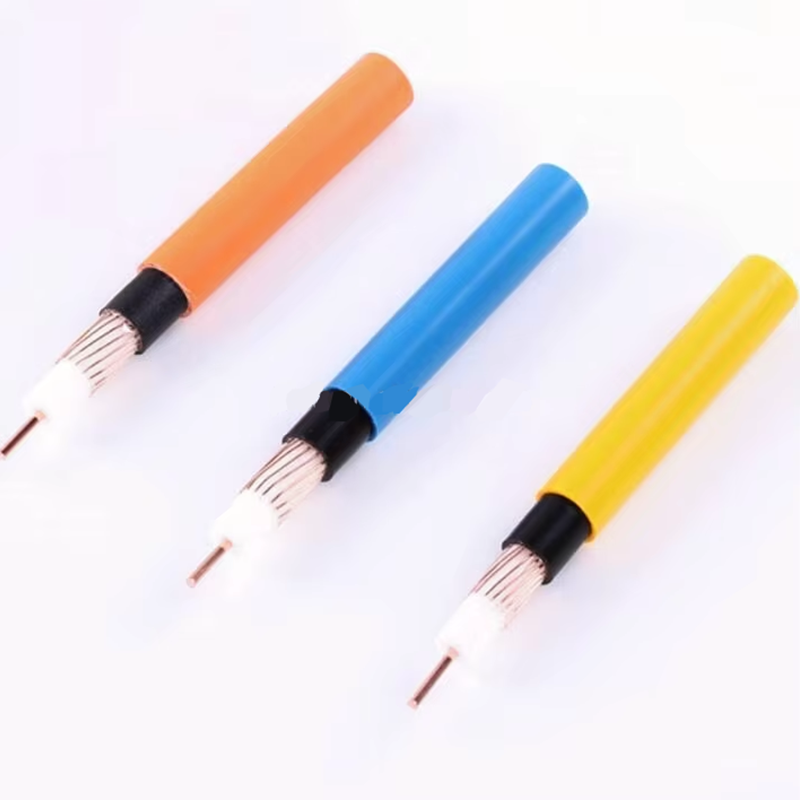
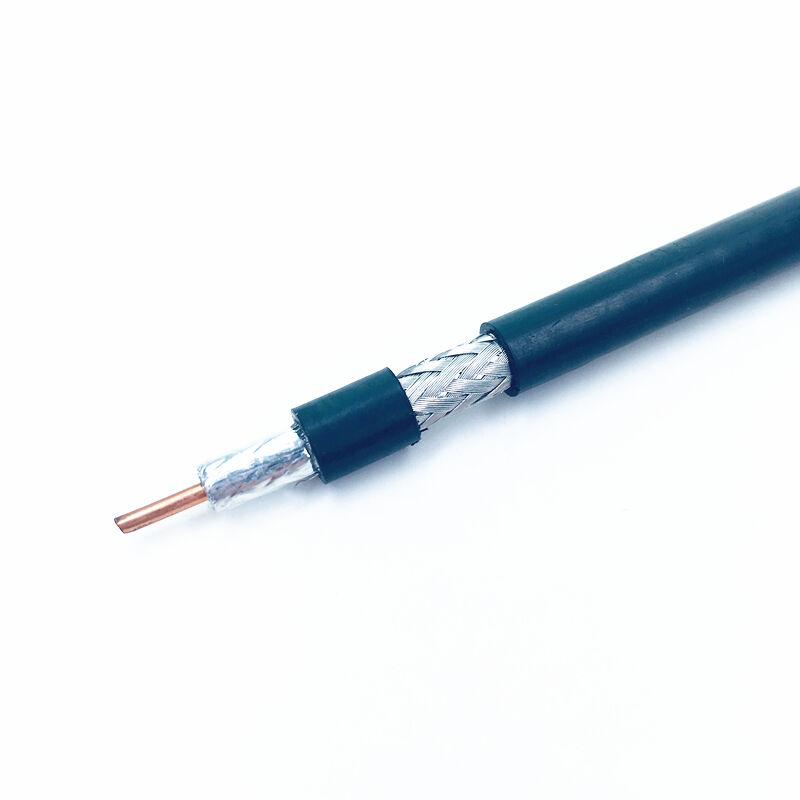
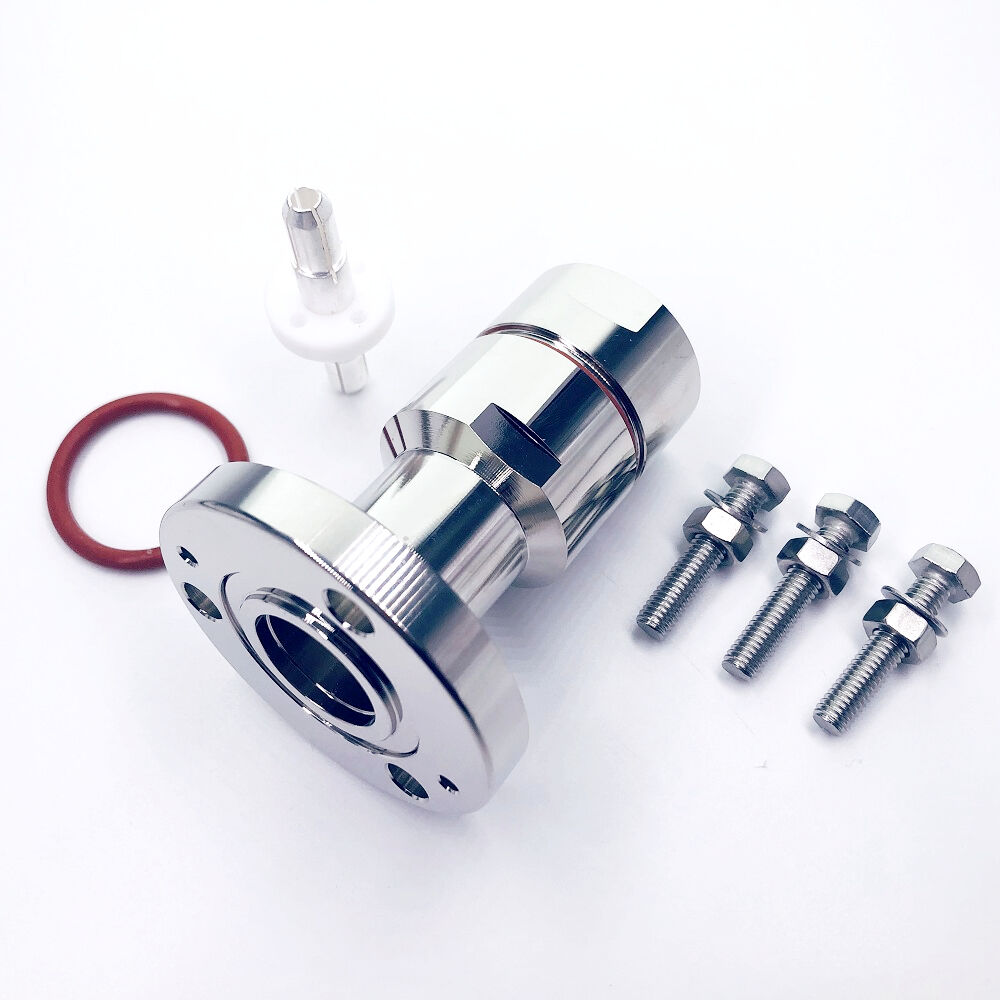
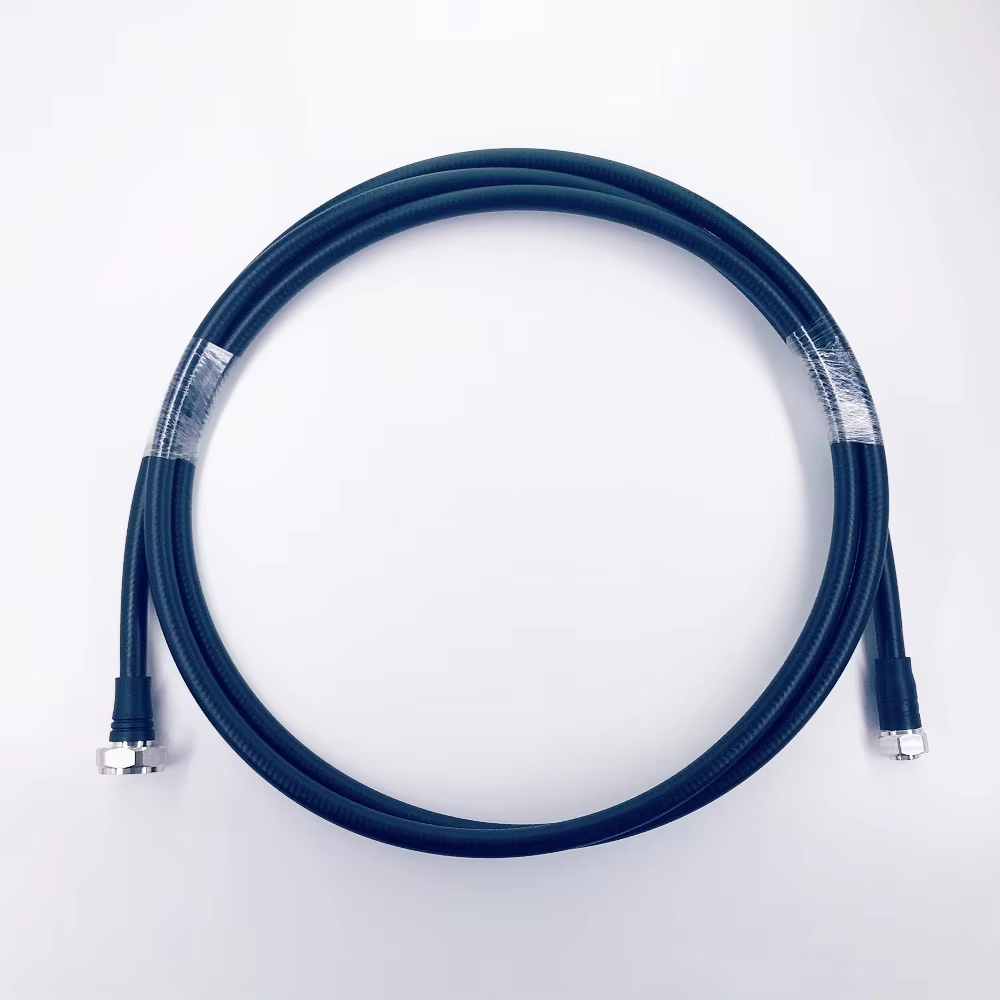
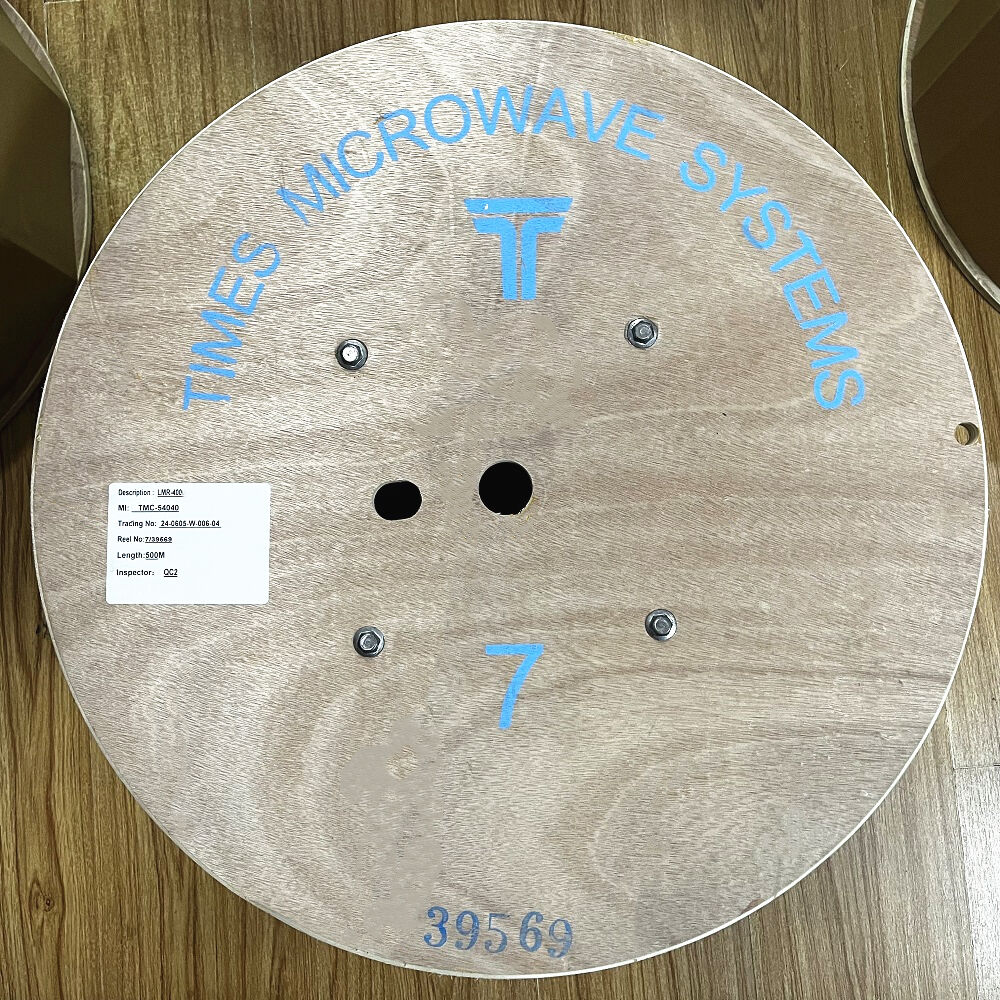
The engineering rationale for selecting air dielectric coaxial cable centers on its electromagnetic advantages: minimal signal velocity reduction (95-99% speed of light), flat frequency response across multi-octave bands, and reduced thermal aging effects compared to solid dielectrics. Manufacturing processes involve precise conductor positioning and continuous quality monitoring to ensure impedance uniformity (typically 50 or 75 Ω). These cables demonstrate remarkable resilience in harsh environments—corrugated copper outer sheaths with polyethylene jackets resist moisture, UV radiation, and mechanical stress. Industry applications span telecommunications, where they form the backbone of microwave repeater chains; scientific instrumentation, facilitating accurate signal delivery in vector network analyzers; and defense electronics, enabling secure communications in field-deployable systems. A practical example exists in railway signaling networks, where air dielectric cables connect balises to track-side equipment with guaranteed signal integrity despite vibration. In cellular network expansion projects, they enable extended reach between remote radio heads and baseband units, reducing the need for additional amplification. When planning installations, engineers must account for minimum bending radii, proper pressurization system integration, and lightning protection requirements. We supply comprehensive solutions including cable, connectors, pressurization monitors, and associated hardware. Our technical support team can assist with system design, loss budget calculations, and installation best practices. For project-specific pricing and delivery information regarding air dielectric coaxial cables tailored to your operational frequency and environmental conditions, please contact us with your detailed requirements.
Copyright © 2024 by Zhenjiang Jiewei Electronic Technology Co.,Ltd - Privacy Policy