EN
EN

How to Source Custom Cable Assembly from a Chinese Manufacturer: An OEM Buyer's Complete Guide
Here's a question worth sitting with before you issue your first RFQ: are you evaluating wire and harness manufacturers on the criteria that will actually determine whether your cable assemblies perform in the field—or are you optimizing for factors that are easiest to compare in a spreadsheet?
For OEM buyers sourcing custom cable assembly from China, the answer has real consequences. Done well, working with Chinese wire and harness manufacturers gives you access to custom RF interconnect solutions, competitive pricing, and a supply chain that can scale with your production volume. Done poorly, it results in qualification failures, incoming inspection headaches, and production delays that more than offset the unit-cost advantage you were chasing.
This guide covers the complete sourcing process—from factory screening through final QC—drawing on the experience of procurement teams who have navigated cross-border wire harness assembly supply chains in telecom, broadcast, and 5G infrastructure projects.
1. Factory Screening Criteria
Not all wire and harness manufacturers who advertise custom capability have the process discipline to deliver consistent quality at production volumes. When building your initial shortlist, filter on these indicators before requesting a quote:
- Product focus alignment: A manufacturer specializing in RF cable assemblies and feeder systems will have connector termination processes, test equipment, and measurement expertise that a general wire harness shop typically lacks. Confirm the factory's core product line matches your application type—telecom feeder, broadcast infrastructure, or 5G antenna system.
- Factory ownership vs. trading company: Sourcing directly from the manufacturing facility gives you traceability back to production records and eliminates specification risk introduced by intermediary tiers. Ask for factory registration documents and cross-check the company name with the site address.
- Export track record: Wire and harness manufacturers with active export histories across multiple regions are more likely to have the documentation standards, packaging controls, and communication practices that international OEM buyers require.
- English-language technical capability: A supplier who can engage directly on RF performance specifications reduces the risk of misspecification in cross-border technical inquiries. Request a sample of their technical datasheets and verify whether RF parameters are expressed in the standard units your engineering team expects.
Zhenjiang Jiewei Electronic Technology Co., Ltd—a direct-factory wire and harness manufacturer based in Jiangsu with 25 years of RF interconnect specialization—fits this sourcing profile: telecom and broadcast application focus, multi-continent export capability across Asia, Europe, North America, South America, and Oceania, and English-language technical documentation for international buyers.
2. ISO Certification Verification
ISO 9001 is the minimum certification baseline for any custom wire harness or cable assembly manufacturer you consider. It indicates that the factory operates under a documented quality management system with production process controls and corrective action processes.
For specific application types, certification requirements differ:
- Telecom infrastructure and broadcast: ISO 9001 as baseline; additionally request evidence of pre-shipment RF sweep testing capability to confirm performance delivery.
- Aerospace and defense: AS9100D certification and compliance with MIL-DTL-17 and MIL-PRF-39012 are required for wire harness assembly in these sectors.
- Automotive: IATF 16949 applies specifically to automotive cable assembly supply chains.
When verifying certifications with Chinese wire and harness manufacturers, request the current certificate with issue and expiry dates, and confirm the scope statement explicitly covers cable assembly manufacturing—not just an adjacent product scope that does not include your required assembly type.
3. Sample Confirmation Process
I understand the procurement logic: if the specification is clear and the price is right, why slow down with an extended sample phase? The challenge is that a custom wire harness assembly qualification validates not just connector and cable selection, but termination process quality, torque consistency, and weatherproofing execution—factors that do not appear on a datasheet but determine whether your assemblies survive commissioning and field operation.
Running a structured sample process with Chinese cable assembly manufacturers helps prevent downstream failures. The steps should include:
- Submit assembly drawings and a complete specification package before any sample is produced. Include IP protection expectations and, where appropriate, a non-disclosure agreement before sharing proprietary cable routing geometry or connector combination specifications.
- Request first-article inspection (FAI) documentation with each sample batch, including dimensional and RF performance measurements.
- Test samples under your actual installation conditions—not only bench verification—before approving for production.
- Confirm that the production facility will be the same one that manufactured the approved sample, to avoid specification drift in a facility handoff.
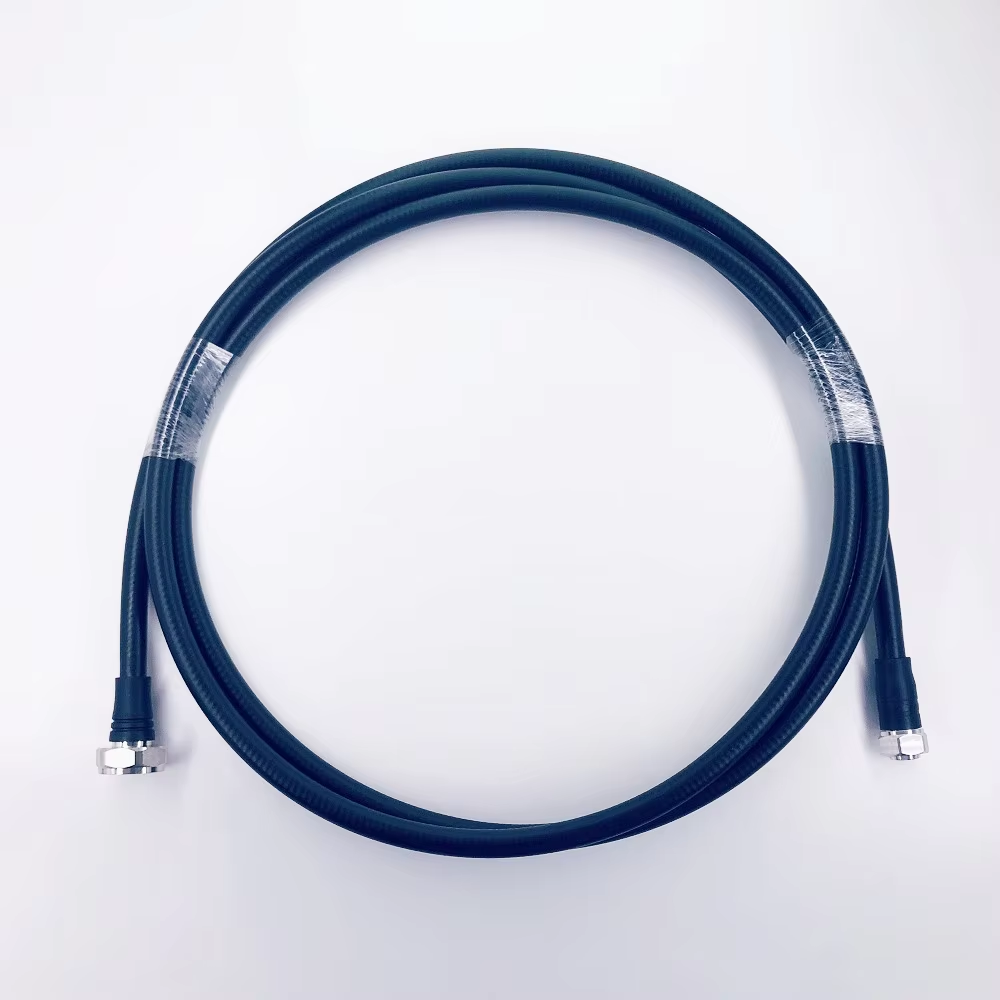
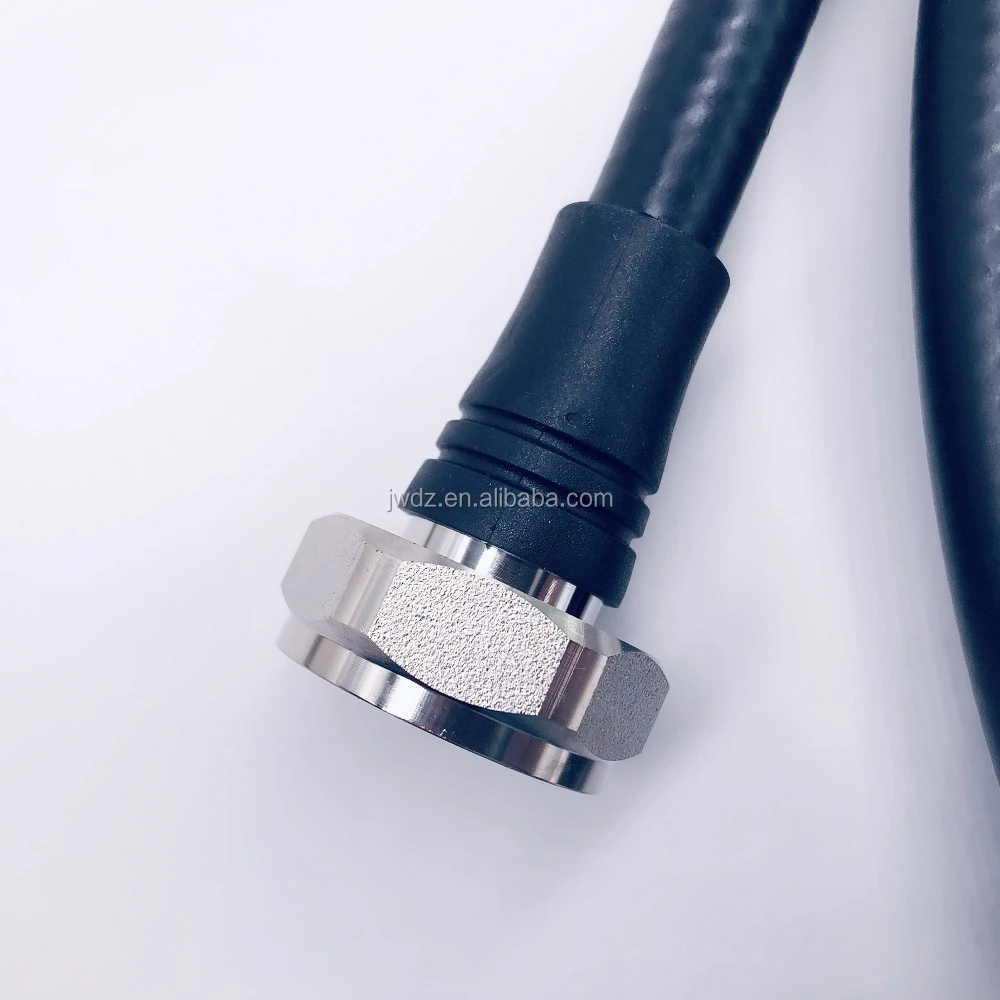
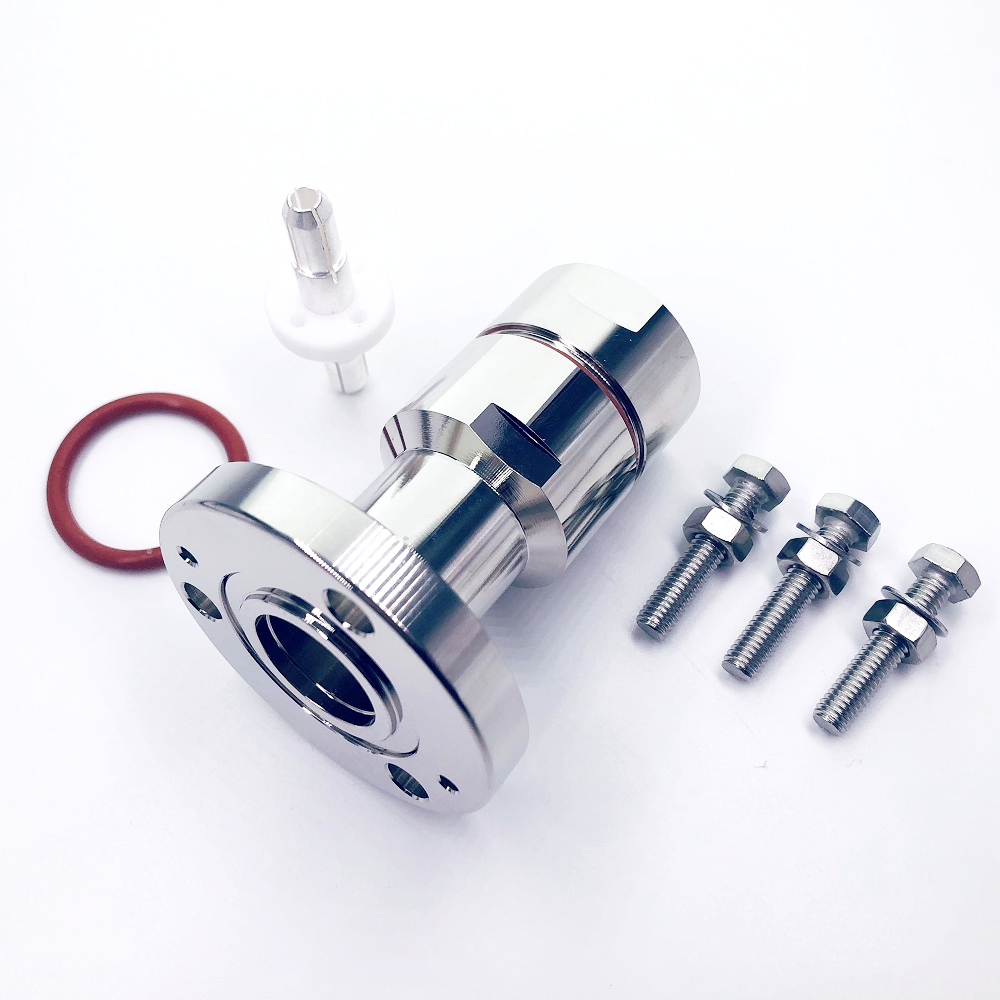
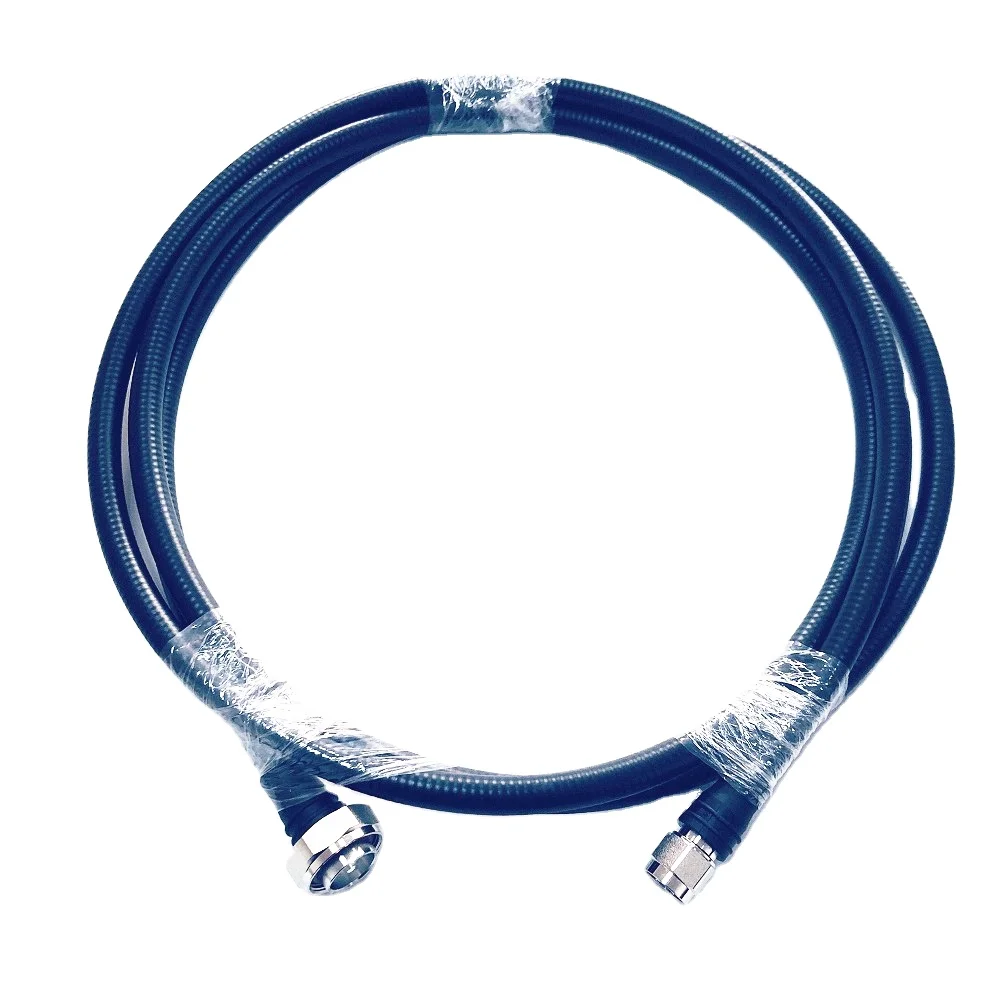
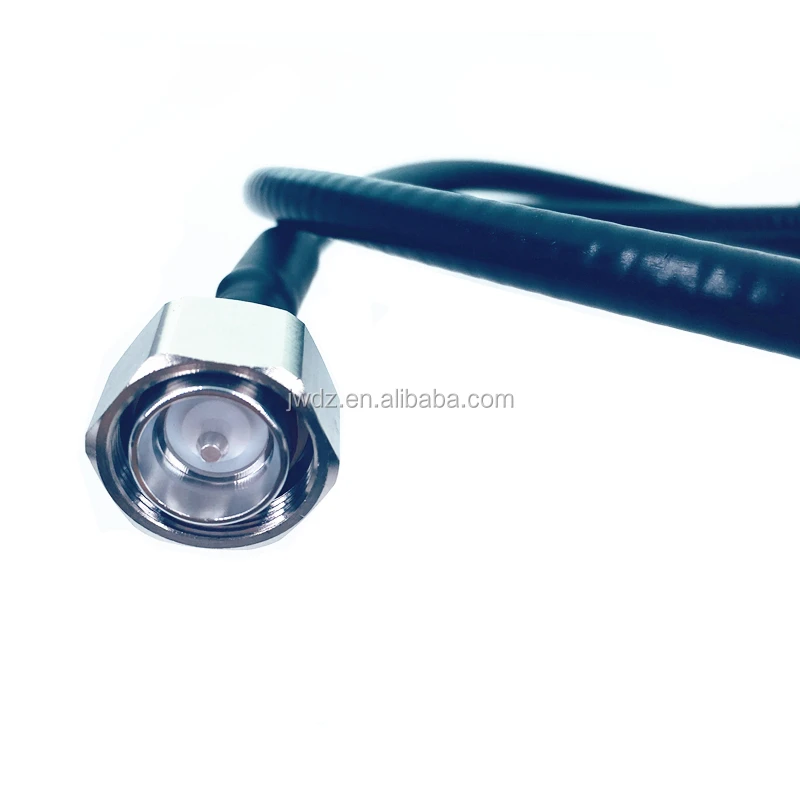
Jiewei's Factory Low PIM 5G Cable Assembly (4.3-10 Male to 4.3-10 Male for 1/4 Cable) and 1/2 cable assembly with N male connector are produced with pre-shipment RF sweep testing—a verifiable process step that provides confirmed performance data rather than relying solely on post-delivery incoming inspection.
4. RFQ Preparation Guidelines
A performance-complete RFQ package is the single most effective way to reduce turnaround time and specification errors when working with wire and harness manufacturers in China. Your RFQ should include:
- Assembly drawing with dimensional tolerances and connector orientation
- Cable type specification: diameter, impedance, and minimum bend radius
- Connector interface type and gender (N-type, 7/16 DIN, 4.3-10, SMA, or other)
- Required RF performance parameters: insertion loss limit, VSWR, and power handling at operating frequency
- Environmental requirements: operating temperature range, IP rating, and UV resistance for outdoor applications
- Quantity tiers: prototype, qualification batch, and production run
- Requested delivery timeline and packaging specification for export
One common gap in RFQ packages sent to Chinese wire and harness manufacturers is the absence of performance acceptance criteria. Specifying which parameters will be verified at incoming inspection—not just connector type and cable part number—enables more accurate quoting and significantly reduces first-pass failure rates at qualification.
5. Payment Terms and Commercial Risk
Cross-border procurement from Chinese wire and harness manufacturers introduces commercial risk that domestic sourcing typically does not. Standard payment structures for custom cable assembly orders include:
- T/T with deposit: 30–50% deposit on order confirmation, balance against shipping documents. Appropriate for established supplier relationships after successful qualification.
- Letter of Credit (L/C): Provides document-verified payment against shipment. Preferred for first-time production orders above a threshold that justifies the bank fee overhead.
- Sample and prototype orders: Full payment in advance is standard for qualification samples; this is not a risk indicator for reputable wire and harness manufacturers.
Before agreeing to payment terms, confirm the supplier's bank account details directly through verified contact channels—not through invoice-embedded links or email threads susceptible to business email compromise.
6. Quality Inspection Essentials
What experienced procurement teams would require from wire and harness manufacturers on their next sourcing project:
- Pre-shipment RF sweep testing: Request test reports with actual insertion loss and VSWR measurements at the specified operating frequency—not just a pass notation.
- Batch-to-batch consistency documentation: Connector contact geometry and plating consistency are process-dependent. Request incoming inspection data from previous production batches to evaluate production variance before committing to a volume order.
- Third-party inspection for first production runs: Budget for third-party incoming inspection at the factory before shipment. This is standard practice for high-value or critical-application cable assembly orders placed with Chinese manufacturers.
For OEM buyers working across multiple RF cable assembly specifications, consolidating custom wire harness and cable assembly supply at a single qualified manufacturer—one covering connectors, feeder cables, and cable assemblies—reduces the qualification overhead and incoming inspection burden of managing separate supplier relationships for each assembly type.
Summary
Sourcing custom cable assembly from Chinese wire and harness manufacturers delivers value when the supplier qualification process is complete before production begins. Factory screening on product focus, ownership structure, and certification; a structured sample confirmation phase with IP protections in place; performance-complete RFQ packages; and pre-shipment RF testing are the practices that separate successful cross-border procurement from costly qualification restarts.
If you are evaluating RF cable assembly supply options for telecom infrastructure, 5G antenna systems, or broadcast applications, Zhenjiang Jiewei Electronic Technology Co., Ltd—a direct-factory wire and harness manufacturer with 25 years of RF interconnect specialization in Zhenjiang, Jiangsu—offers custom assemblies with RF sweep testing documentation and English-language technical support. Contact us at [email protected] or visit chjwdz.com to discuss your specifications.