EN
EN

Low PIM RF Cable Assembly: What It Is and Why 5G Base Stations Need It
When telecom engineers talk about interference at 5G base stations, PIM—Passive Intermodulation—is often the culprit nobody anticipated during lab testing. The problem is often difficult to detect from a spec sheet alone. A cable and harness assembly that passes bench validation can still degrade real-world base station performance if the underlying components introduce nonlinear junctions. For 5G infrastructure, the performance of every cable and harness assembly in the antenna path directly affects coverage, capacity, and system uptime. Understanding what low PIM means in an RF cable assembly context, and why it matters specifically for 5G deployments, helps procurement engineers make better sourcing decisions before installation, not after.
What PIM Is (and What It Is Not)
PIM is not active interference generated by transmitters or external sources. It is a spurious signal produced entirely within passive RF components (connectors, coaxial cables, adapters) when two or more high-power transmit signals interact through a nonlinear mechanical junction. Think of it as an unintended mixing product: the passive hardware itself behaves like a weak, unpredictable mixer when material or surface conditions are imperfect.
What makes PIM especially problematic in modern base stations is frequency placement. The intermodulation products generated by transmit carriers can fall directly into the receive band. A base station transmitting on two carriers may see PIM products land in the receive window, creating what looks like external noise to the receiver. The interference pattern often does not match what lab models predicted, because real-world connector conditions differ from controlled test environments.
What Causes PIM in a Cable and Harness Assembly
PIM originates from nonlinear junctions, and those junctions appear in surprisingly mundane places within an RF cable and harness assembly:
- Ferrous or improper plating materials: Stainless steel hardware can add 10–20 dB of PIM compared to non-ferrous alternatives. Nickel plating or gold-over-nickel finishes contribute 20–40 dB of additional PIM in some configurations. Low PIM connectors address this with non-ferrous materials plated in silver, white bronze, or direct gold.
- Connector surface defects: Micro-gaps, abrasion marks, contamination, or corrosion at the mating interface create voltage potential barriers that cause electron tunneling or micro-arcing. This is particularly relevant in coastal and high-humidity deployments where corrosion risk is elevated.
- Improper torque: Under-tightened connections leave micro-gaps; over-tightening deforms contact surfaces. Either produces PIM that correlates poorly with initial qualification results. This is exactly the kind of interference pattern that doesn't match the model used during lab testing.
- Installation debris: Cutting the center conductor during field termination can leave metal particles inside the assembly. These contaminants cause intermittent PIM that worsens with thermal cycling or mechanical flexing over time.
How PIM Affects 5G Base Station Coverage
The practical impact of PIM on a 5G base station is measurable and direct. An elevated PIM level raises the effective noise floor at the receiver input. If the design receive sensitivity is –107 dBm but PIM pushes the noise floor to –97 dBm, the coverage radius contracts and handoff margins erode. In multi-carrier 5G deployments, that 10 dB difference translates into dropped sessions, higher retransmission rates, and in severe cases, receiver blocking that shuts down an entire sector.
What makes 5G particularly sensitive to PIM is the combination of wider carrier bandwidths and tighter receive sensitivity requirements. The error correction mechanisms in 5G NR can mask moderate PIM temporarily, but the increased bit error rate consumes overhead that should be serving throughput. Users experience lower speeds before they experience dropped calls. PIM problems are often misdiagnosed as capacity issues rather than infrastructure quality concerns.
What Makes an RF Cable Assembly "Low PIM"
A low PIM cable and harness assembly addresses PIM at three levels: material selection, connector geometry, and manufacturing process discipline. Getting any one of these wrong can raise measured PIM above the system acceptance threshold even when the others are correctly specified.
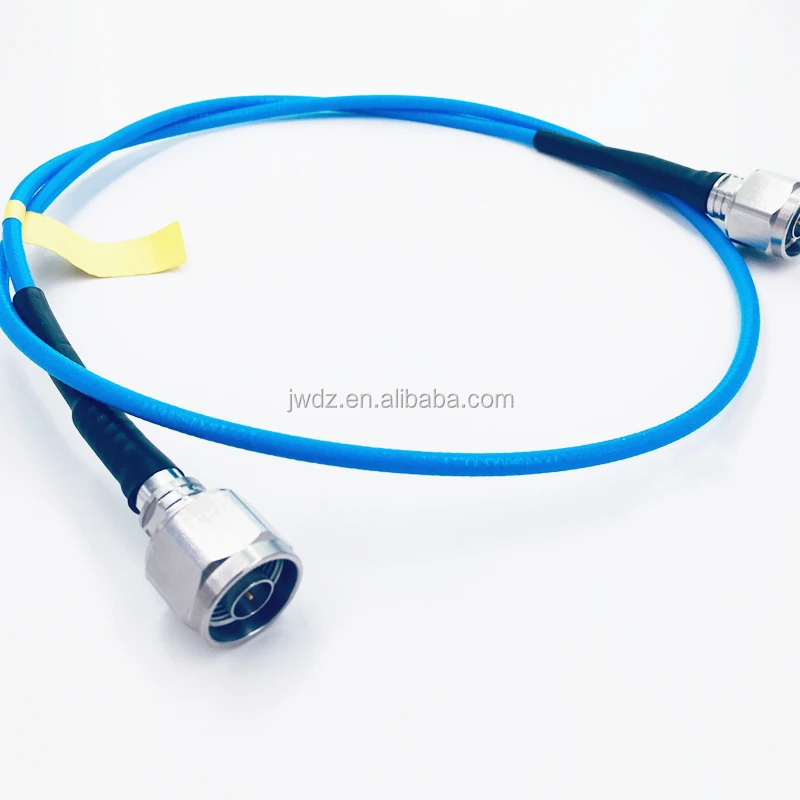
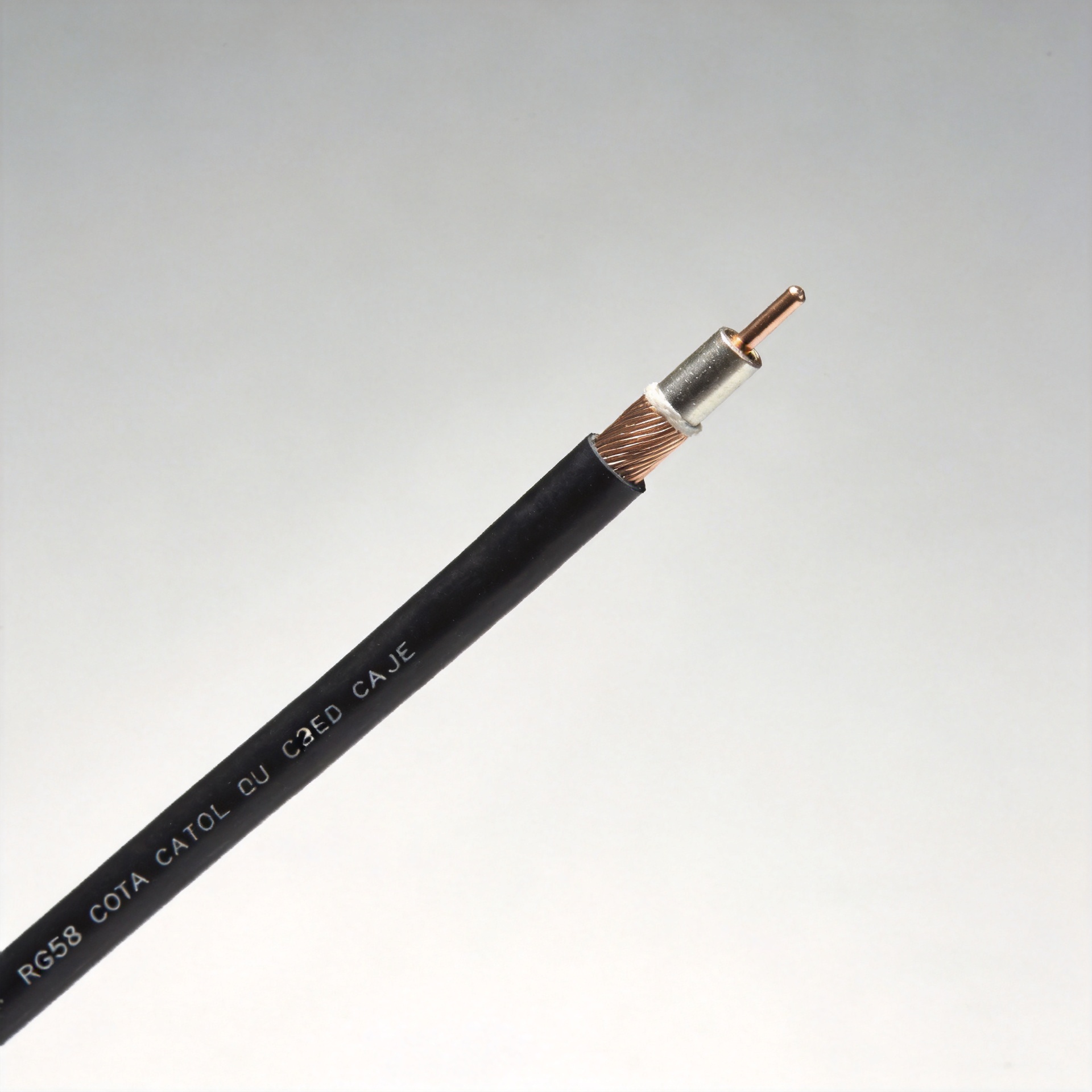
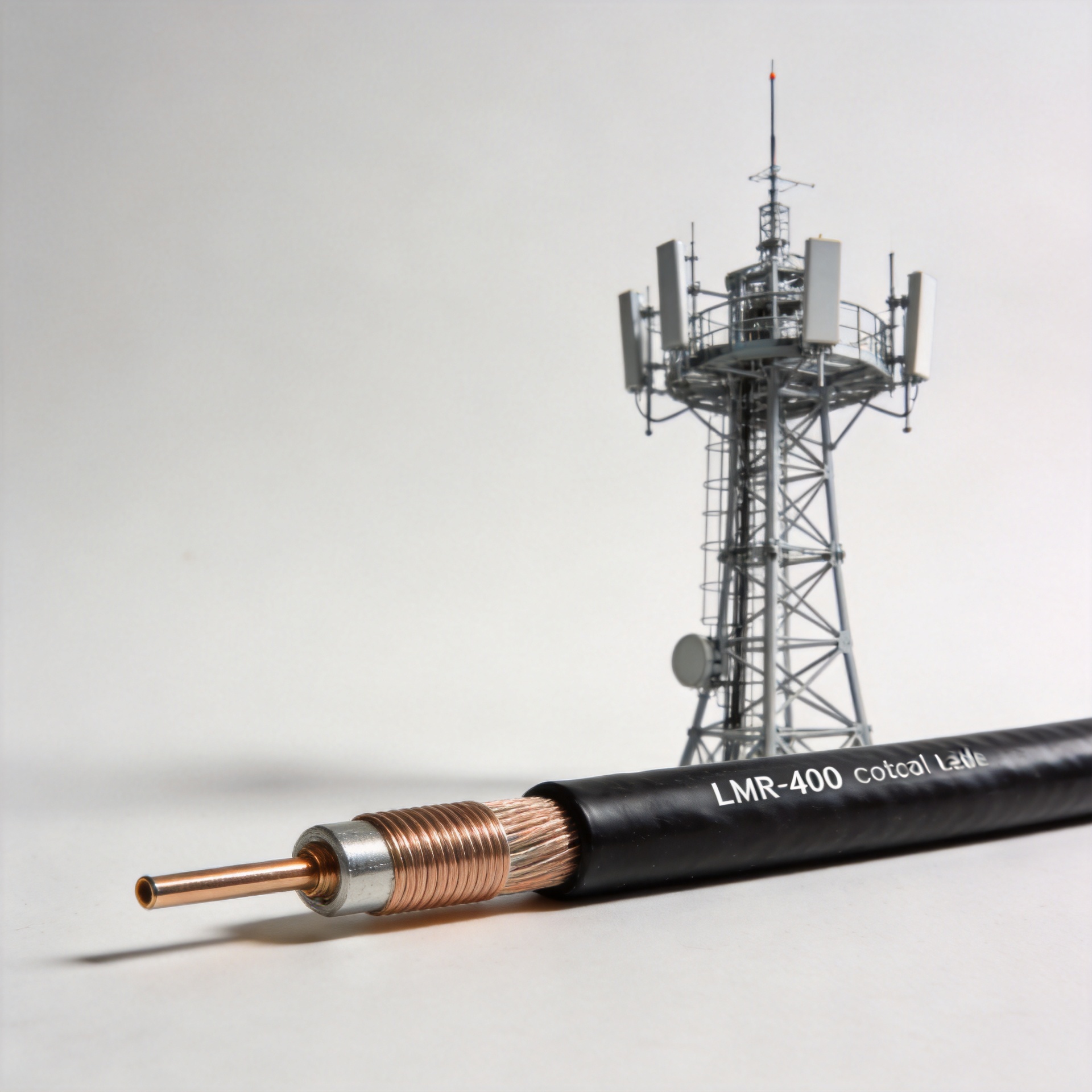
Materials: The coaxial cable, whether conformable or semi-rigid, should use non-ferrous conductors with appropriate shielding for the target frequency range. For 5G sub-6 GHz applications, cables rated to support frequencies up to 6 GHz with controlled PIM performance provide the necessary headroom. Dielectric stability across temperature ranges reduces PIM variation between lab qualification and long-term field conditions.
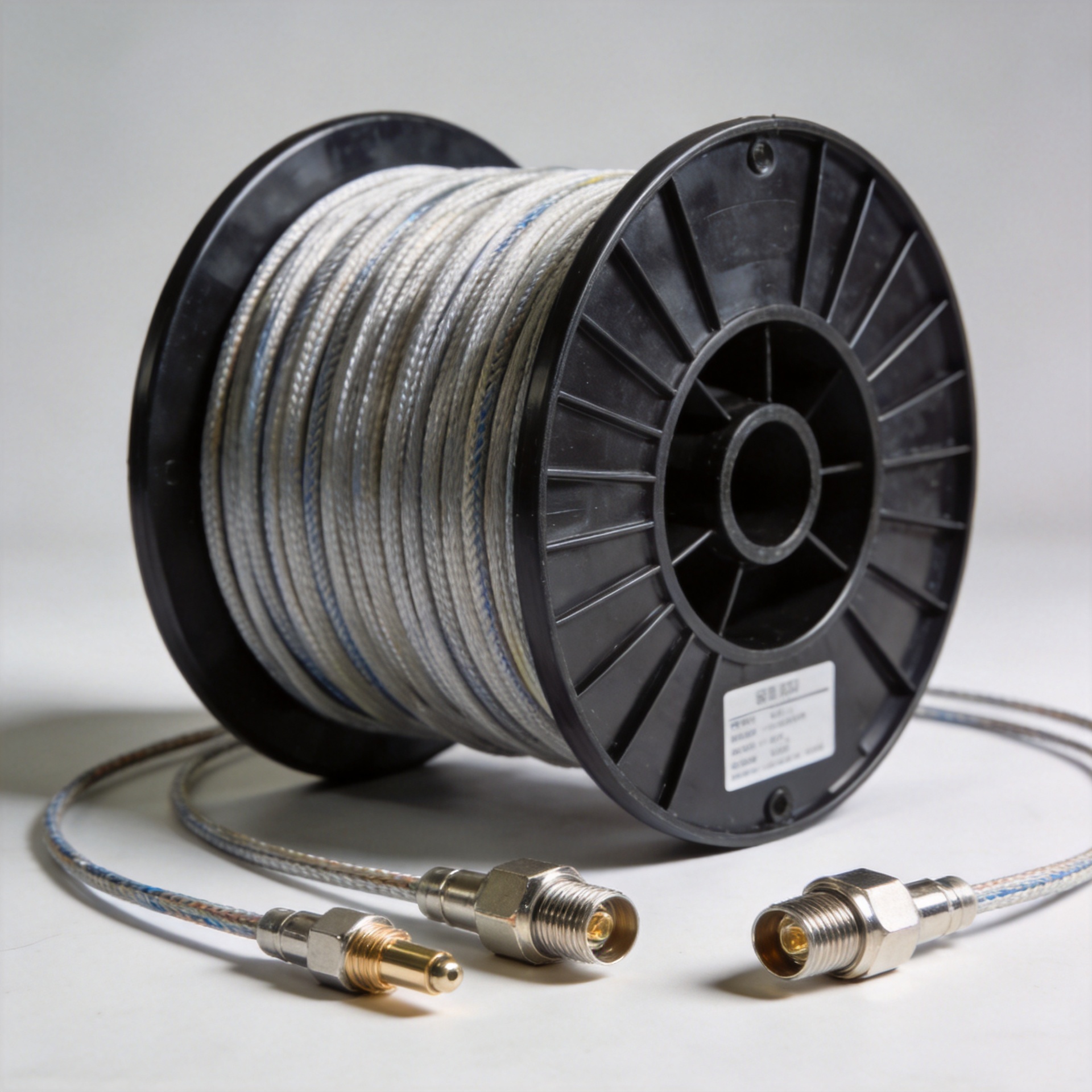
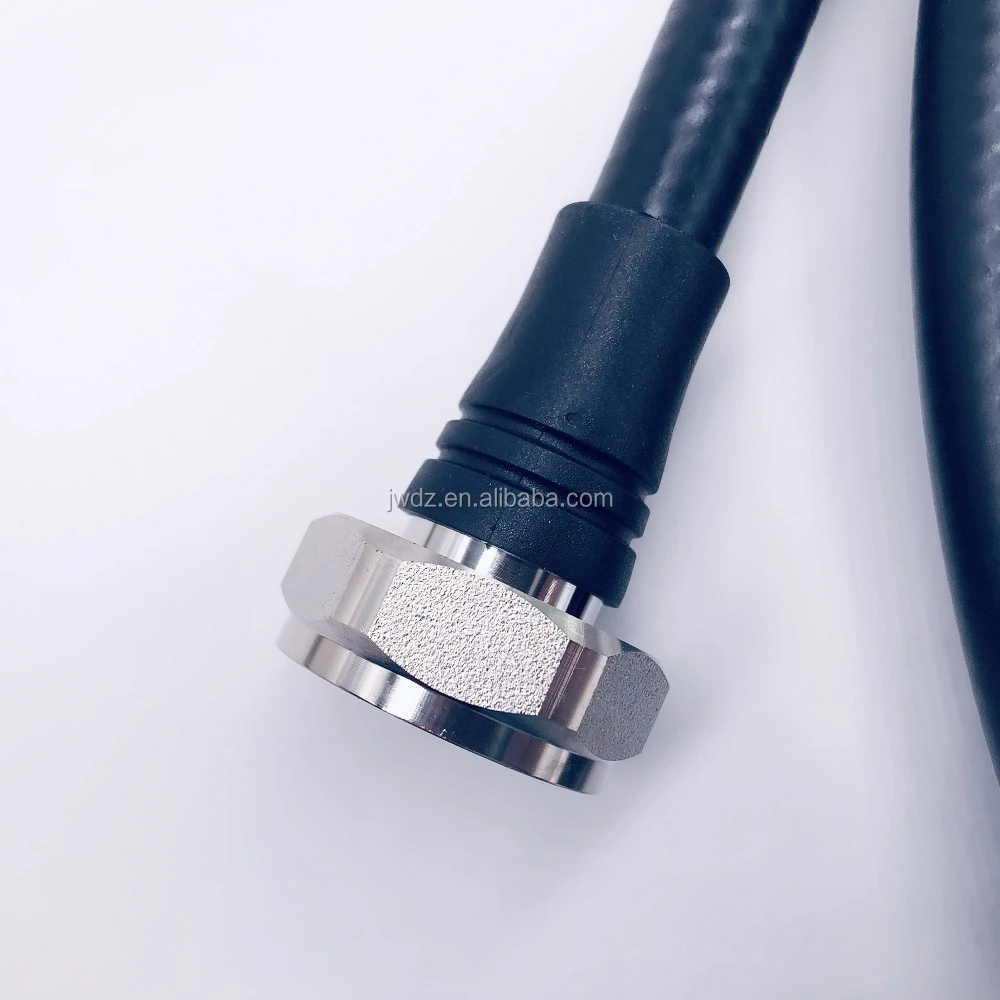
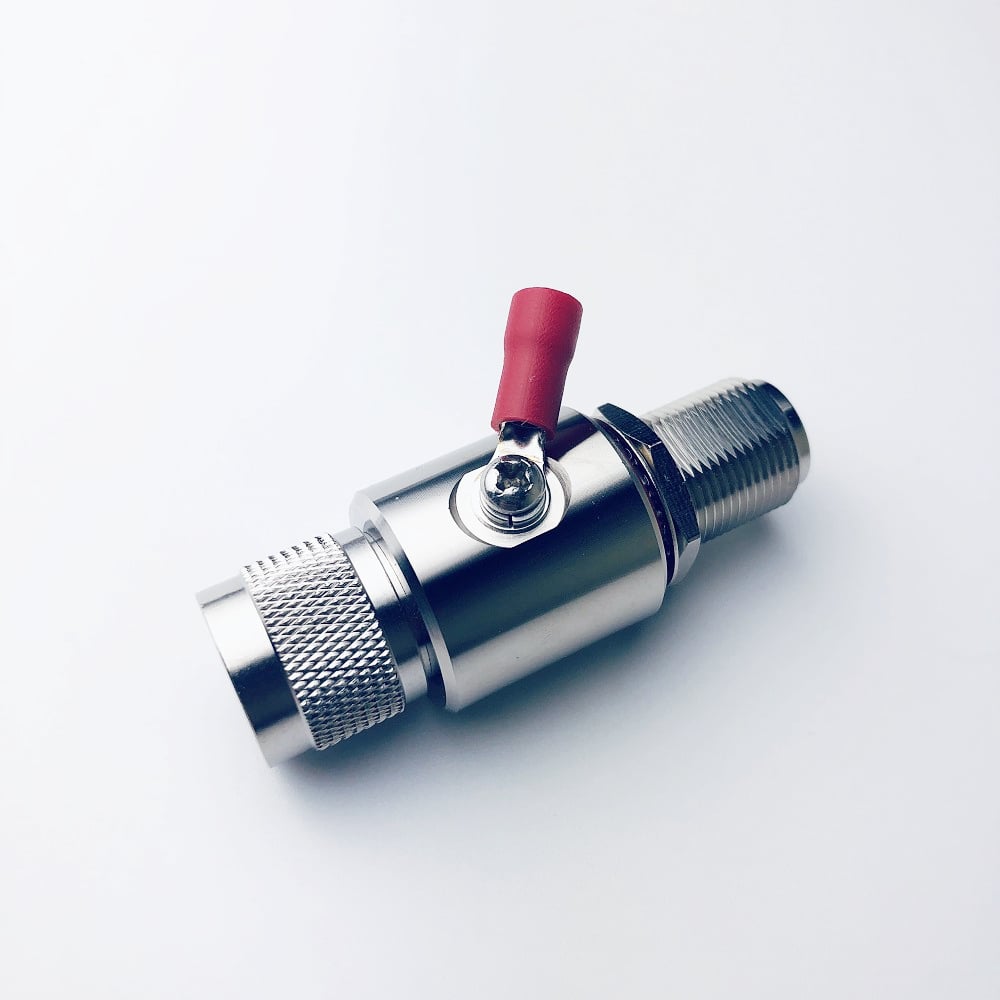
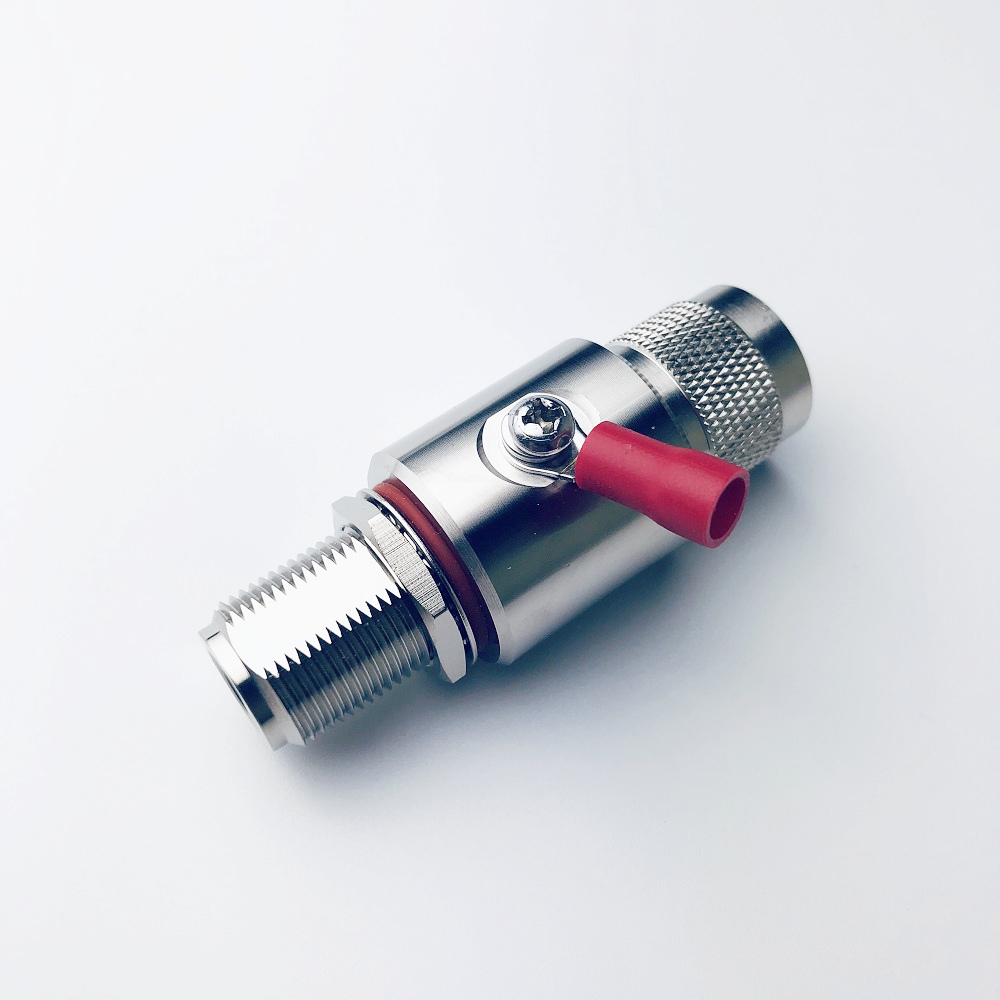
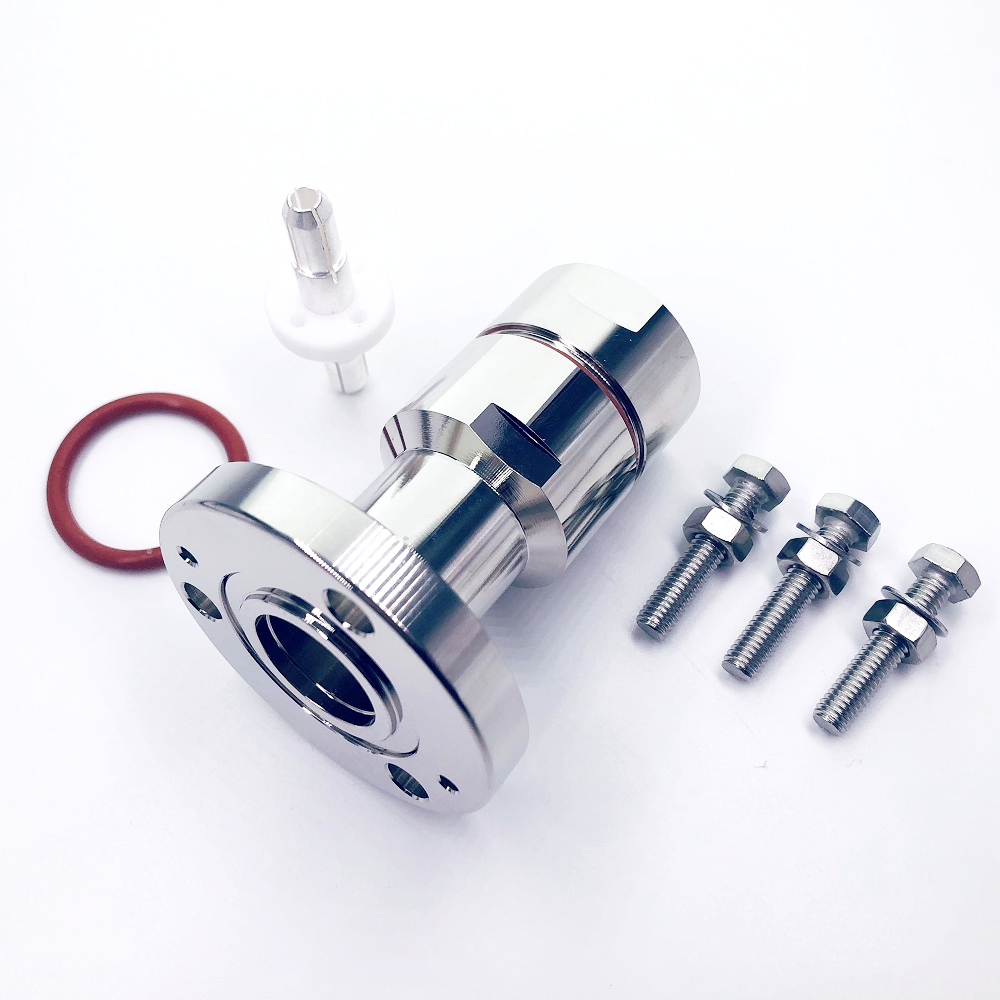
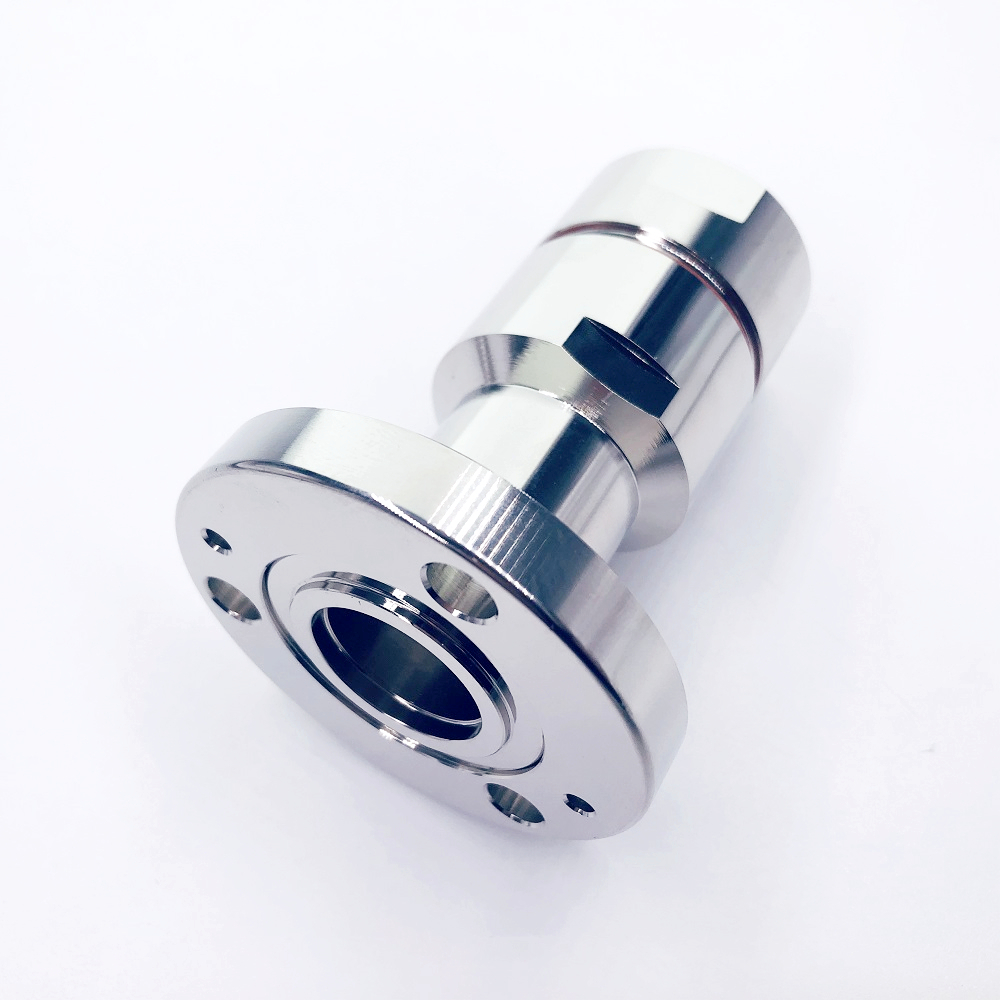
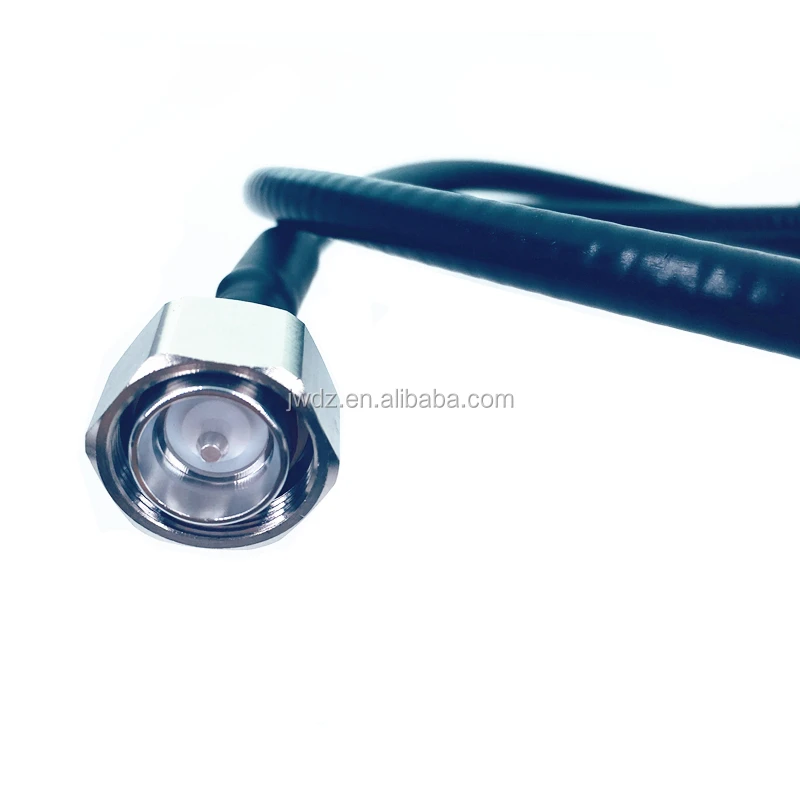
Connector design: The 7/16 DIN connector was engineered with low PIM as an explicit design objective. The 4.3-10 (Mini DIN) connector has emerged as the preferred compact alternative for 5G infrastructure where size and weight matter, offering comparable PIM performance in a smaller form factor. N-type connectors remain in use for legacy infrastructure and jumper applications, though their original 1940s-era design predates multicarrier PIM requirements, so explicit PIM ratings should be verified rather than assumed.
Assembly process: Even a correctly specified harness cable assembly can fail PIM testing if workmanship controls are not in place: contamination during termination, insufficient surface cleaning before connector installation, or inconsistent torque application. Low PIM ratings achieved in factory testing reflect process discipline as much as material specification. Lab approval does not automatically translate to field longevity if installation procedures or storage introduce contamination after the test.
Testing Standards: IEC 62037 and What the Numbers Mean
The global reference standard for PIM testing in RF components is IEC 62037, first issued in 1999 to cover RF connectors and cable assemblies. Every cable and harness assembly intended for base station use should be validated against this standard before deployment. Compliance with IEC 62037 is a baseline requirement for antenna components entering cellular base station infrastructure worldwide.
The most widely referenced system-level pass criterion is –140 dBc, measured with two 46 dBm (40 W) carriers. Cable assembly manufacturers typically target –155 dBc at the component level to maintain margin after installation and multi-component aggregation in a full antenna system. Understanding the gap between component-level and system-level specifications matters for procurement: upfront qualification with appropriate PIM margin reduces the downstream rework risk that comes from discovering borderline assemblies after network integration.
Selecting a Low PIM RF Cable and Harness Assembly for 5G Infrastructure
For telecom equipment manufacturers and base station integrators sourcing a cable and harness assembly for 5G infrastructure, the following criteria define a viable supply choice:
- Verified PIM performance to IEC 62037 with component-level specs at –155 dBc or better
- Non-ferrous connector materials with validated plating specifications (silver, white bronze, or direct gold)
- Clear conformable or semi-rigid cable specifications matched to your frequency range and bend radius requirements
- Factory-level assembly process controls with documented torque procedures and contamination prevention protocols
- Connector type compatibility: 4.3-10 for compact 5G nodes, N-type for legacy integration, 7/16 DIN for macro installations where space allows
Zhenjiang Jiewei Electronic Technology Co., Ltd has manufactured RF connectors, feeder cables, and cable assemblies for telecom and broadcast infrastructure for over 25 years. Our range covers the full RF interconnect bill of materials for digital antenna systems, from conformable coax jumpers to factory-assembled low PIM cable assemblies for 5G base station applications.
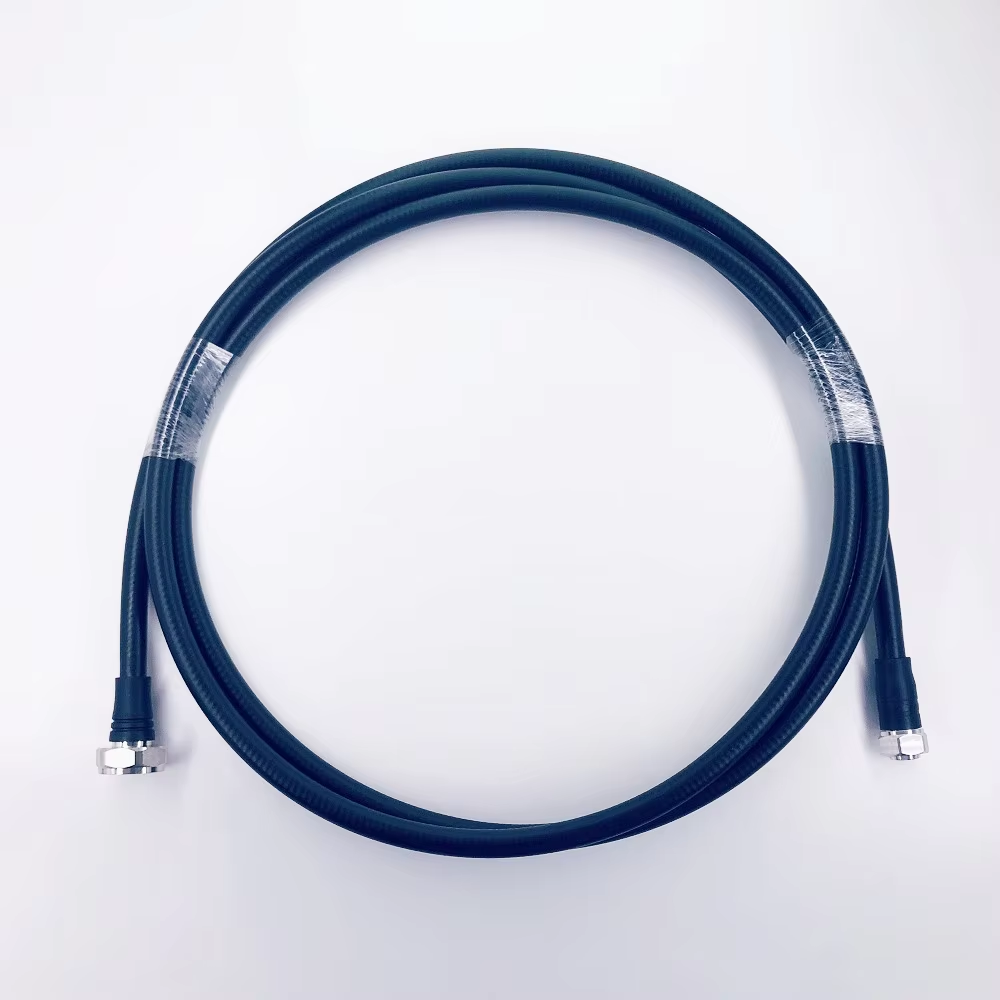
Our Low PIM 141" Conformable Semi-Rigid Coax RF Jumper Cable Assembly with N Male to N Male Connector is designed for flexible RF jumper routing in base station environments. For 5G small cell and macro site installations using compact connector formats, the Factory Low PIM 5G Cable Assembly with MINI DIN 4.3-10 Male to 4.3-10 Male Connectors provides a ready-to-install solution for 1/4" feeder cable terminations. Sourcing teams requiring IEC 62037 test reports and full material specifications can contact our technical team directly.