EN
EN

RF Coaxial Cable Assembly Manufacturer Evaluation: Key Quality Standards and Criteria for B2B Buyers
Having sourced RF interconnect components for large-scale telecom deployments, I know that a digital antenna system is only as reliable as its connectors and feeder cables, and supplier consistency matters as much as datasheet specs. When evaluating rf coaxial cable manufacturers, the gap between a qualified vendor and a capable one becomes apparent only after the first production run. Most procurement failures I've encountered didn't come from choosing the wrong specification on paper. They came from optimizing for the wrong criteria entirely.
This article provides a structured evaluation framework for engineers and procurement managers selecting rf coaxial cable manufacturers for B2B projects. Whether you are qualifying a new supplier or benchmarking existing sources, applying consistent criteria is what separates a well-managed supply chain from a reactive one, especially when dealing with rf coaxial cable manufacturers across international markets. It covers factory certification, testing rigor, customization capacity, and delivery reliability—four dimensions that separate suppliers worth qualifying from those that look good only in a catalog.
Factory Certifications: The Non-Negotiable Entry Point
Specifying to a recognized standard rather than a vendor-proprietary datasheet gives you a verifiable baseline for comparison. ISO 9001:2015 is the minimum quality management certification you should require from any shortlist candidate among rf coaxial cable manufacturers. Without this baseline, the traceability and process consistency that B2B buyers need from their rf coaxial cable manufacturers remain difficult to verify or enforce. It signals that the factory has documented processes—not just capable production lines.
Beyond the baseline, the right certification depends on your application environment:
- ISO 9001:2015 – General quality management foundation; required for telecom, broadcast, and commercial infrastructure projects.
- IPC/WHMA-A-620 (Rev. E) – The wire harness and cable assembly workmanship standard. Confirms production discipline, not just output quality.
- IATF 16949 – Required for automotive-grade RF applications including ADAS and in-vehicle connectivity assemblies.
- ISO 13485 – Necessary when cable assemblies are integrated into medical imaging or patient monitoring equipment.
- MIL-DTL-17 – The relevant military-grade coaxial cable standard for defense deployments requiring environmental ruggedization and full traceability.
When the deployment environment calls for long-term outdoor exposure or high-vibration installations, the relevant compliance threshold is MIL-SPEC or IPC/WHMA-A-620 Class 3—and not every supplier in this category meets it. Request current certificates, not historical ones, and verify that the scope of certification covers the specific product line you're sourcing.
Testing Capability: What the Spec Sheet Won't Tell You
I used to evaluate cable assemblies purely on their individual datasheets—until I realized that system performance is determined by the worst-performing connector in the RF chain, not the highest-rated cable in isolation. A manufacturer's in-house testing capability is where this gap becomes visible during supplier evaluation.
For rf coaxial cable manufacturers supplying telecom and broadcast infrastructure, the minimum testing capabilities to verify are:
- Passive Intermodulation (PIM) testing – Critical for multi-carrier base station environments. Ask for PIM test levels expressed in dBc and the tested frequency range. A supplier that cannot provide PIM documentation is not suitable for cellular or 5G antenna systems.
- Insertion loss measurement – Request data across your operating frequency band, not just at a single reference point. Insertion loss that looks acceptable at 1 GHz may degrade significantly at 3.5 GHz.
- VSWR (Voltage Standing Wave Ratio) testing – Confirms impedance matching quality at the connector interface. Deviations indicate potential signal reflection issues that compound across a full installation.
- Environmental stress testing – Temperature cycling, moisture ingress, and UV resistance data matter for any outdoor deployment. Ask whether the test methodology follows a published standard or is proprietary.
Passing the qualification test is the entry condition, not the destination. The question that changed how I specify RF cable assemblies was: what does this look like after three years of outdoor UV exposure and temperature cycling? Ask manufacturers whether their testing lab holds ISO/IEC 17025 accreditation. Accredited labs provide traceable, third-party-verifiable test documentation, which is a meaningfully higher evidence standard than in-house self-certification alone.
Custom Manufacturing Flexibility
Standard catalog assemblies cover the majority of deployment needs. But for system integrators and OEM procurement managers, the ability to specify non-standard configurations (cable length tolerances, connector type combinations, jacketing materials) directly affects installation efficiency and BOM simplification.
When evaluating wire and harness manufacturers with RF cable assembly capability, many of which also function as specialized rf coaxial cable manufacturers. Confirm the following flexibility criteria:
- Minimum order quantities for custom specifications. Some suppliers enforce catalog minimums even on engineered assemblies.
- Connector combination flexibility, particularly for mixed-standard assemblies such as 4.3-10 to N-type interfaces common in tower upgrade projects.
- Jacketing and shielding customization for specific installation environments, including plenum-rated, low-smoke, or outdoor UV-resistant variants.
- Documentation discipline: custom assemblies should ship with traceable build records and test certificates, not repurposed generic catalog datasheets.
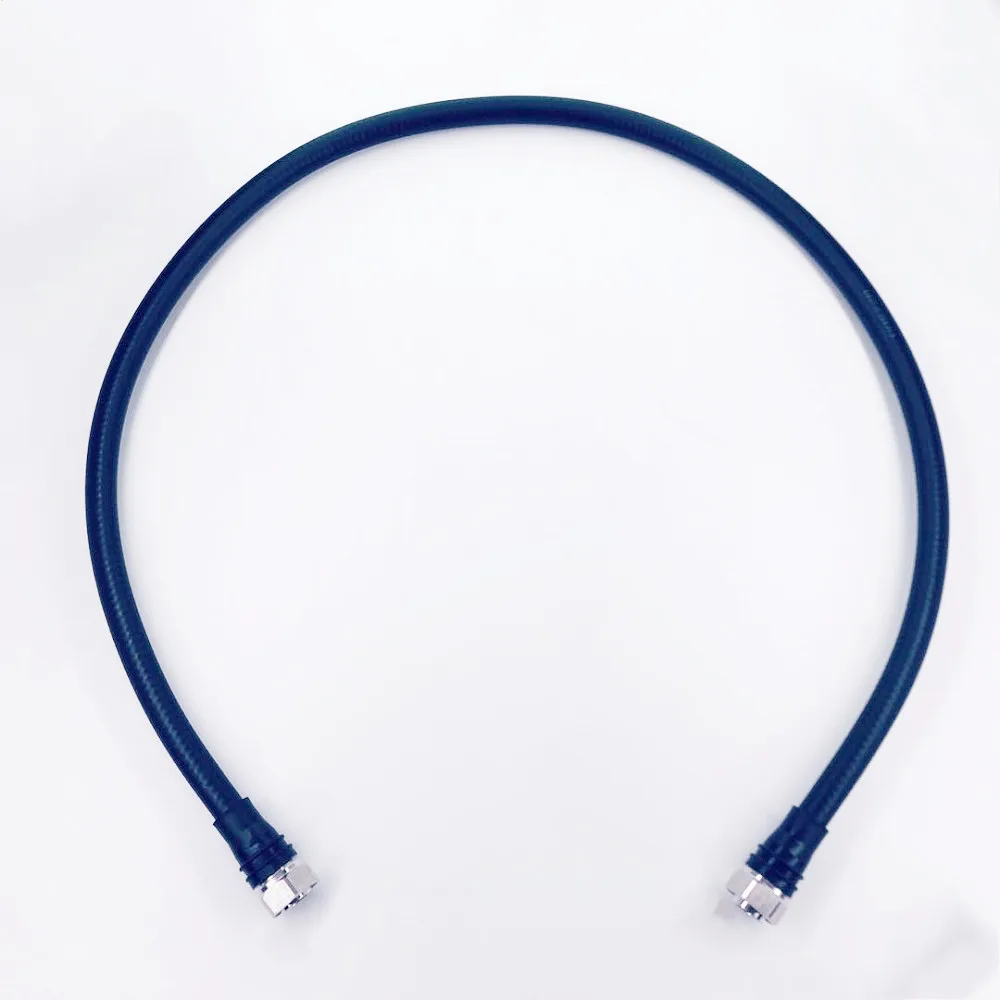
If you're deploying in a controlled indoor environment, standard-grade assemblies will likely hold up. But if there's any chance of condensation, UV exposure, or thermal cycling in the installation path, your evaluation should start from environmental rating and custom jacketing options, not from unit price. In my experience, manufacturers with direct-factory status tend to offer more accommodation on custom specs than distributors acting as intermediaries, and the supply chain documentation is meaningfully cleaner for vendor qualification submissions.
Delivery Reliability and Production Capacity
For fleet-scale infrastructure deployments, lead time consistency matters as much as unit quality. The most qualified rf coaxial cable manufacturers on your vendor list may still present delivery risk if their production capacity is misaligned with your procurement schedule. A delayed shipment on a feeder cable assembly order can push an entire tower commissioning window by weeks. When qualifying rf coaxial cable manufacturers for recurring supply relationships, evaluate these factors:
- Lead times for standard assemblies versus custom configurations, and whether stated timelines reflect current capacity or historical averages.
- Factory capacity indicators: a manufacturer running at near-full utilization during your peak procurement window represents a different supply risk than one with buffer capacity.
- Export documentation capability for international procurement: CE marking, RoHS declarations, and country-of-origin certificates are routinely required for customs clearance in North America and Europe.
- Batch consistency track record for multi-site orders where performance variation between shipments creates installation complexity.
Applying the Evaluation Framework
Structure your formal vendor qualification process around four gate criteria:
- Certification gate – ISO 9001:2015 as the baseline; application-specific certifications (IATF, ISO 13485, MIL-SPEC) where relevant to your sector.
- Testing capability gate – PIM results, frequency-band insertion loss data, VSWR documentation, and ISO/IEC 17025-accredited lab verification.
- Customization gate – Ability to fulfill non-standard connector combinations, lengths, and jacketing specifications with traceable production records.
- Delivery reliability gate – Consistent lead time performance, export documentation readiness, and capacity alignment with your procurement volume.
Suppliers clearing all four gates advance to sample validation and first-article inspection. Those clearing three of four may qualify with a compensating control—for example, a supplier with strong certifications and testing capability but limited custom configuration range may be suitable for high-volume standard-spec procurement while you maintain a separate source for engineered assemblies.
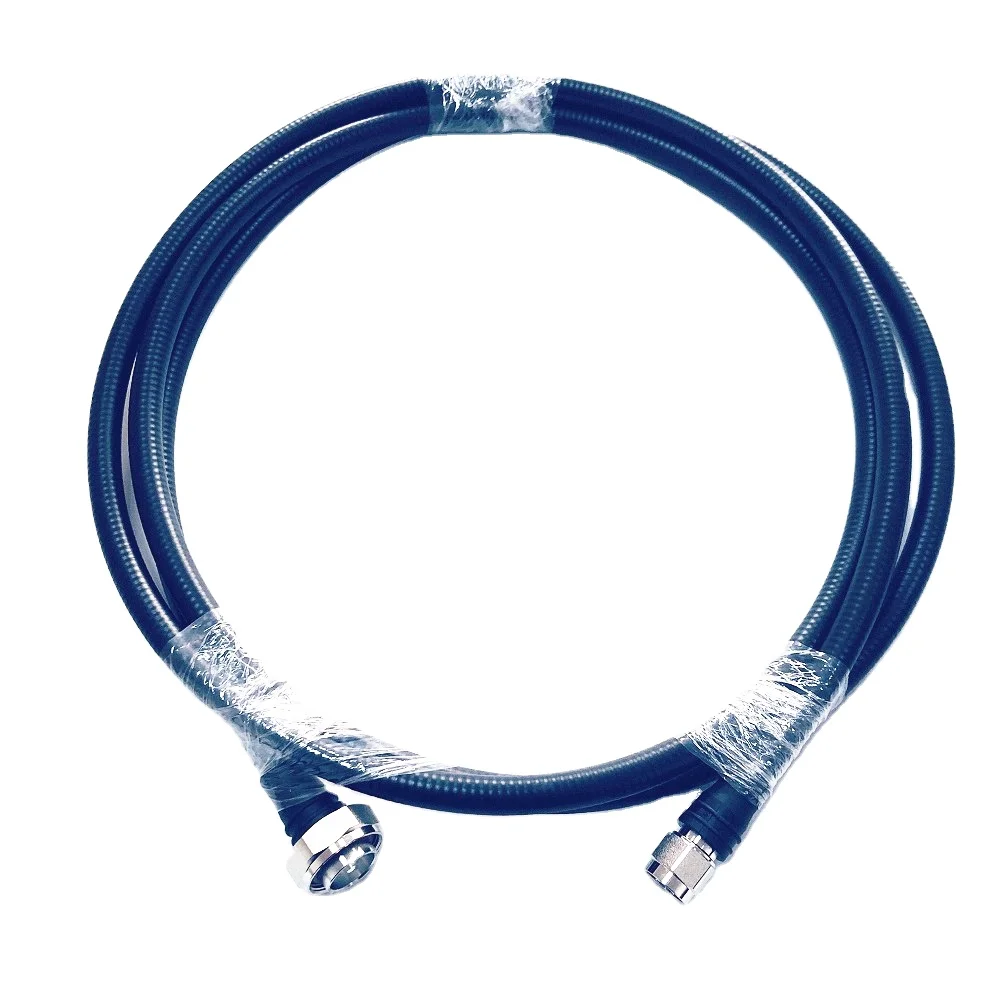
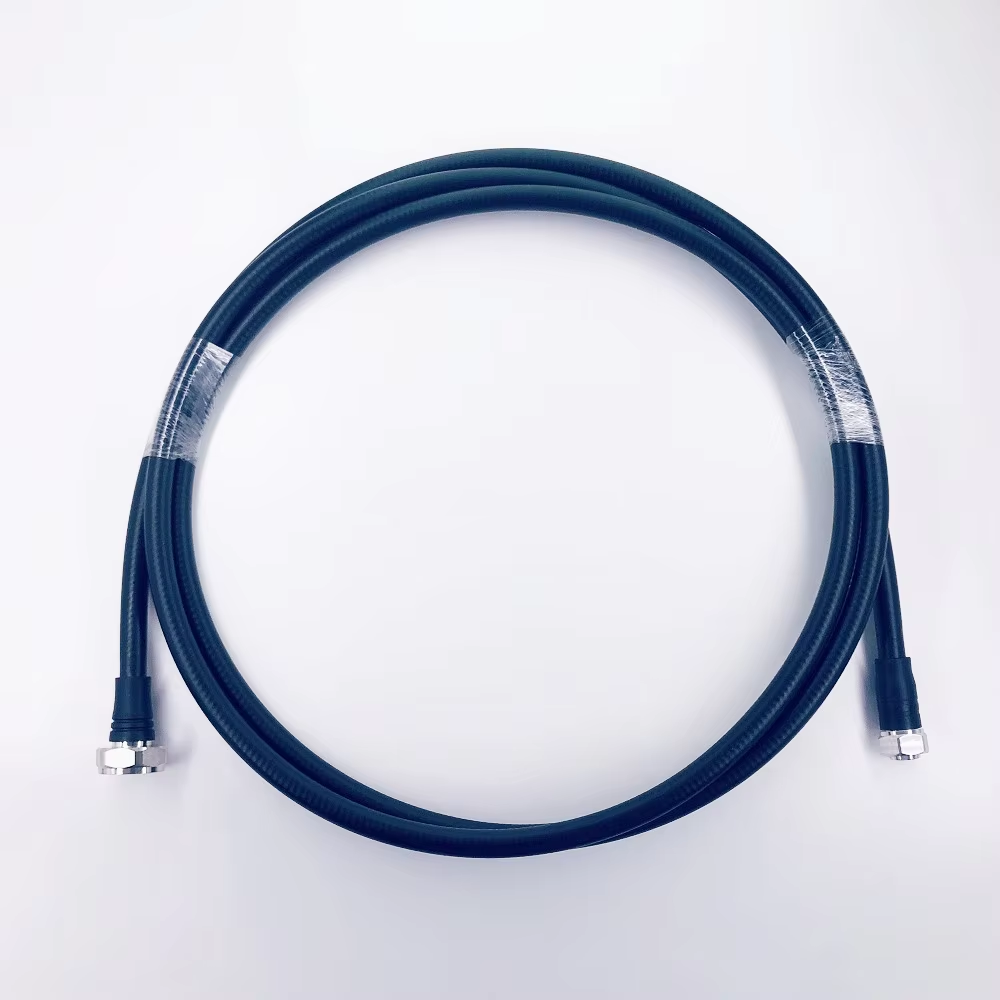
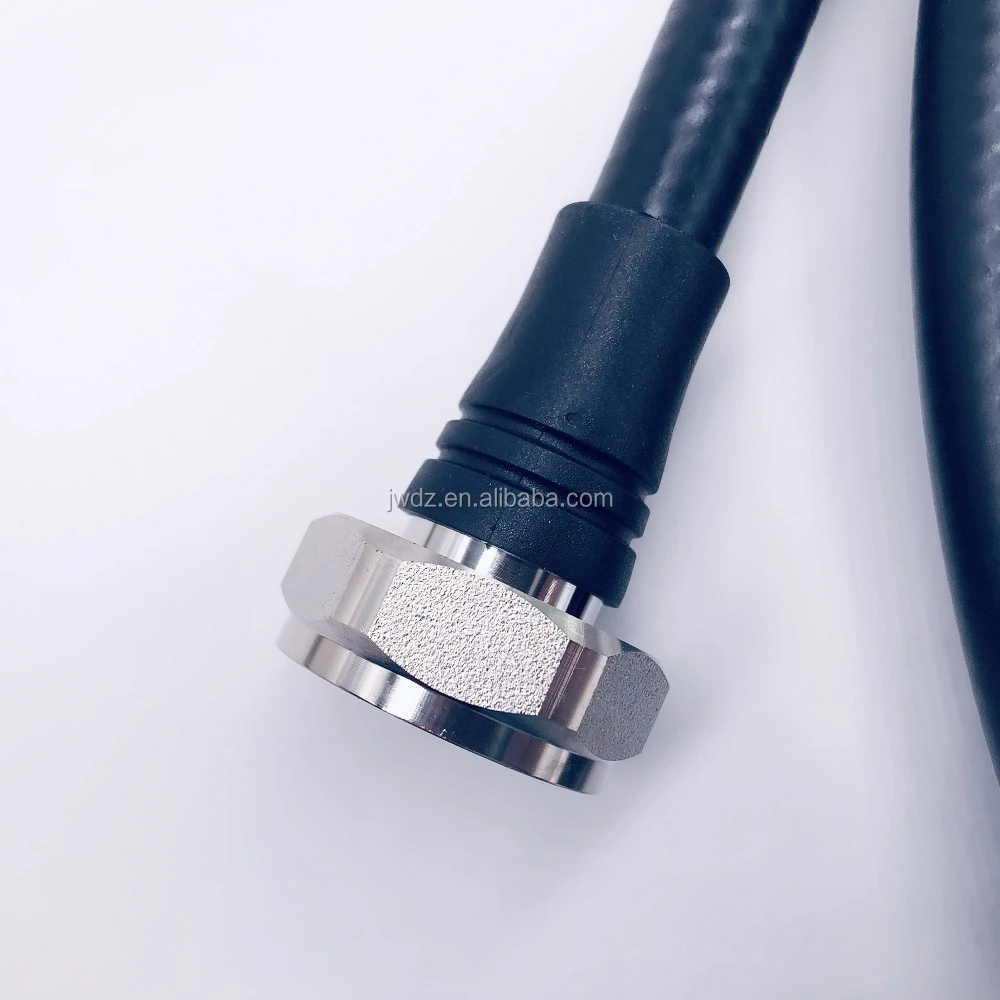
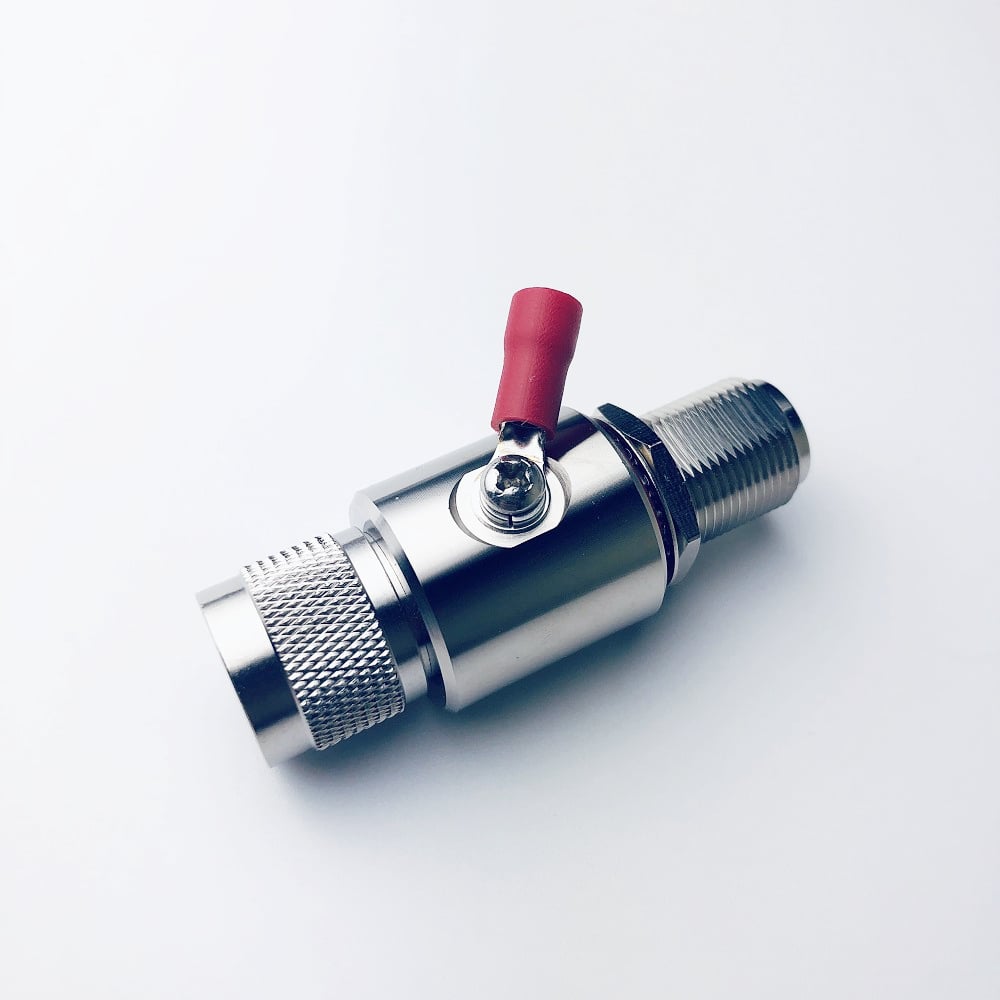
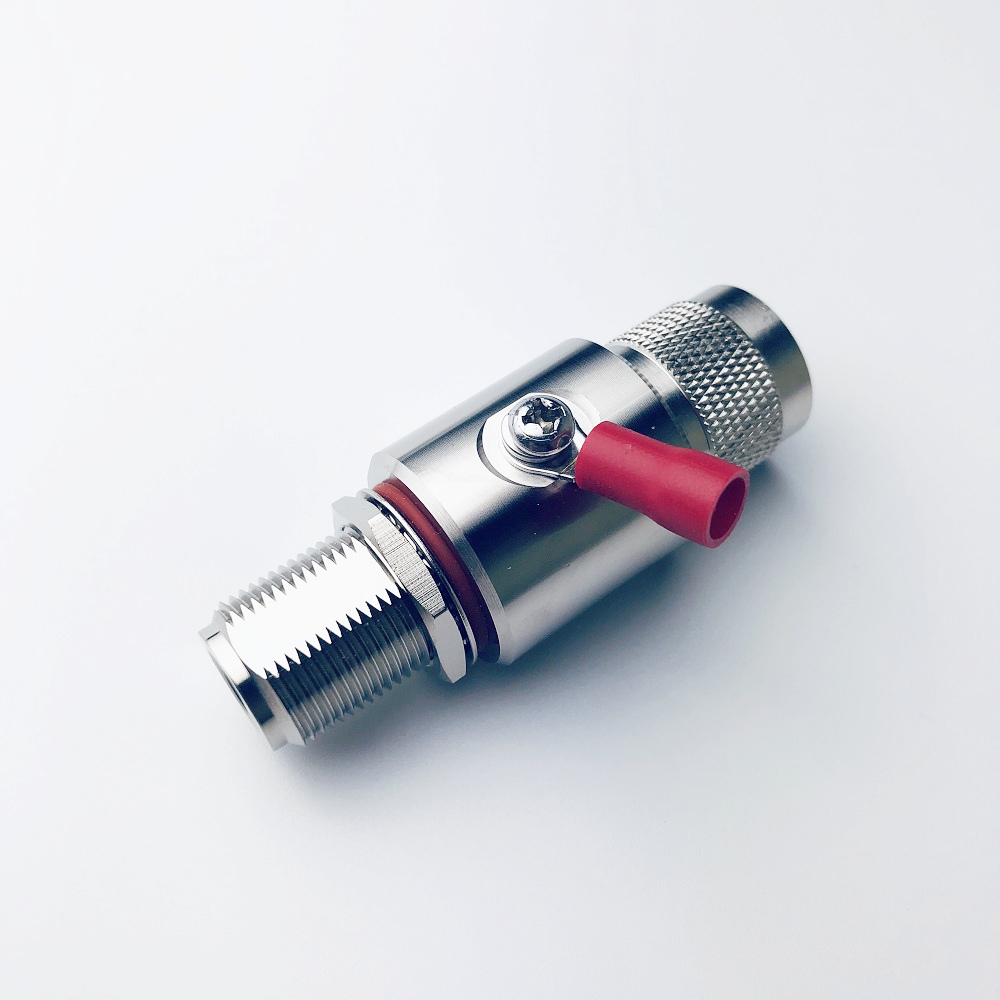
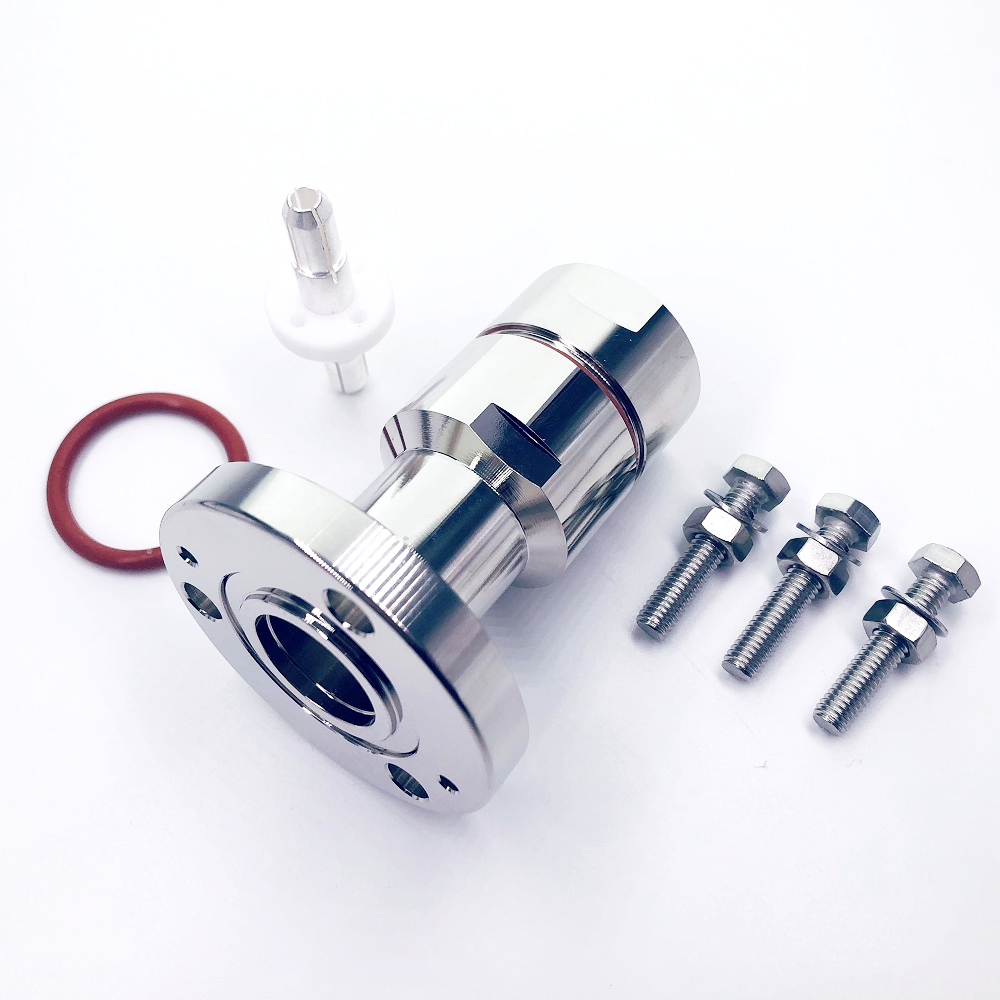
For RF coaxial cable assembly requirements spanning connector types from 4.3-10 to N-type configurations, or requiring custom jumper lengths for tower and antenna system installations, Zhenjiang Jiewei Electronic Technology Co., Ltd offers direct-factory supply with 25 years of telecom and broadcast manufacturing experience across Asia, Europe, and North America. Their 1/2 super flexible cable assembly with 4.3-10 connectors and 1/2 cable assembly with N male connector are available as off-the-shelf and custom configurations for infrastructure procurement teams.