EN
EN

RG58 Coaxial Cable Product Guide: Technical Specifications, Variants and Sourcing Tips for B2B Buyers
When evaluating RG58 cable for a bulk procurement order, the variant suffix is the first detail that matters. RG58/U, RG58A/U, and RG58C/U share the same 0.195-inch outer diameter and similar price tier, but their impedance, center conductor construction, and jacket material differ in ways that affect both electrical performance and compliance requirements. Treating all three as interchangeable is a shortcut that can surface later as return loss problems or connector compatibility failures, generating rework that does not appear in the unit price but consistently shows up in total deployment cost.
This guide is built for procurement teams comparing rg58 coax options for telecom infrastructure, test bench builds, and antenna system integration. It covers variant-level specifications for technical approval, attenuation data that defines your usable frequency range, and the supplier qualification criteria that determine whether a batch will match what you approved on paper.
RG58/U vs. RG58A/U vs. RG58C/U: Specification Comparison
The three main RG58 variants differ across impedance, center conductor, shielding, and jacket material. Here is a direct comparison for procurement evaluation:
| Parameter | RG58/U | RG58A/U | RG58C/U |
|---|---|---|---|
| Characteristic Impedance | 53.5 Ω | 52 Ω | 50 Ω |
| Center Conductor | Solid 20 AWG copper | 7 or 19-strand copper | Stranded copper |
| Insulation | Polyethylene (PE) | Solid Polyethylene | Polyethylene (PE) |
| Shield | Single braid, 70–95% coverage | Single braid | Tinned copper braid |
| Jacket | PVC | PVC | Non-contaminating compound |
| Max Voltage Rating | 1900 V RMS | 1900 V RMS | 1900 V RMS |
| Attenuation @ 400 MHz (dB/100 ft) | 11.7 | 13.2 | 14.0 |
| Outer Diameter | 0.195 in | 0.195 in | 0.195 in |
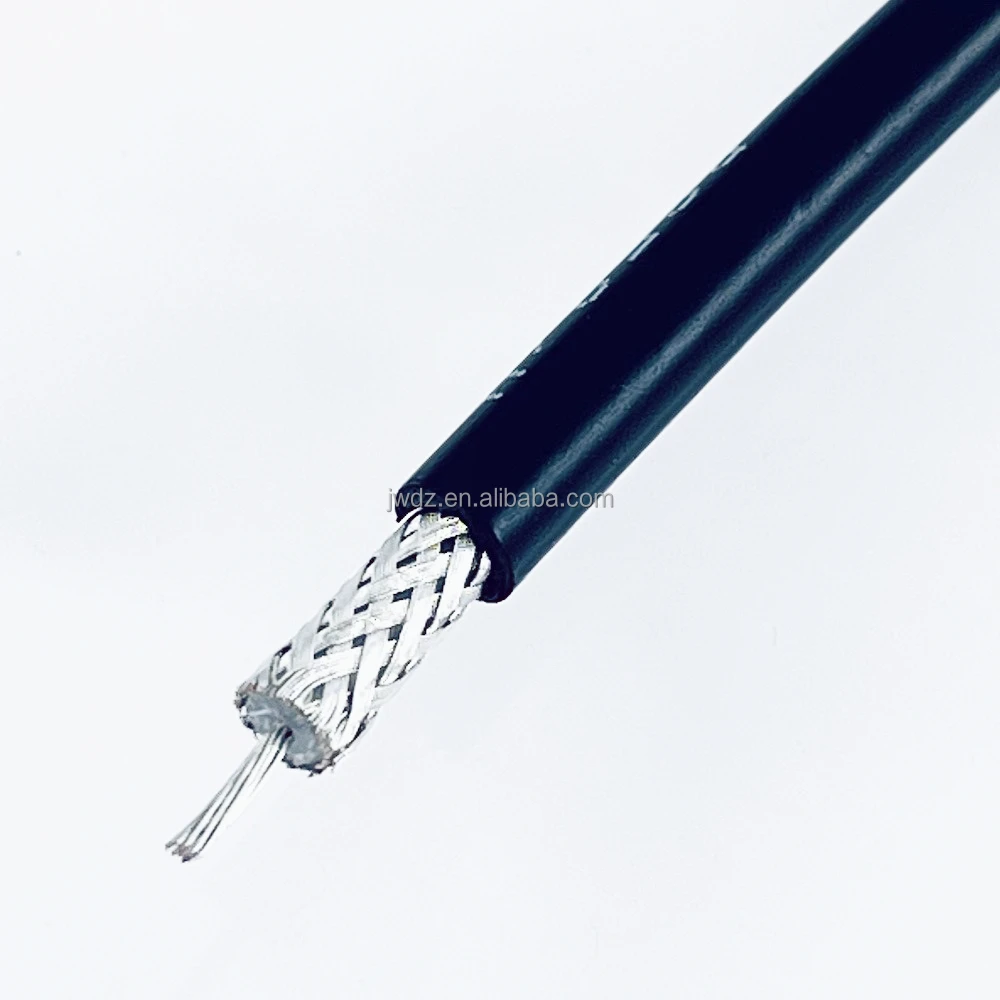
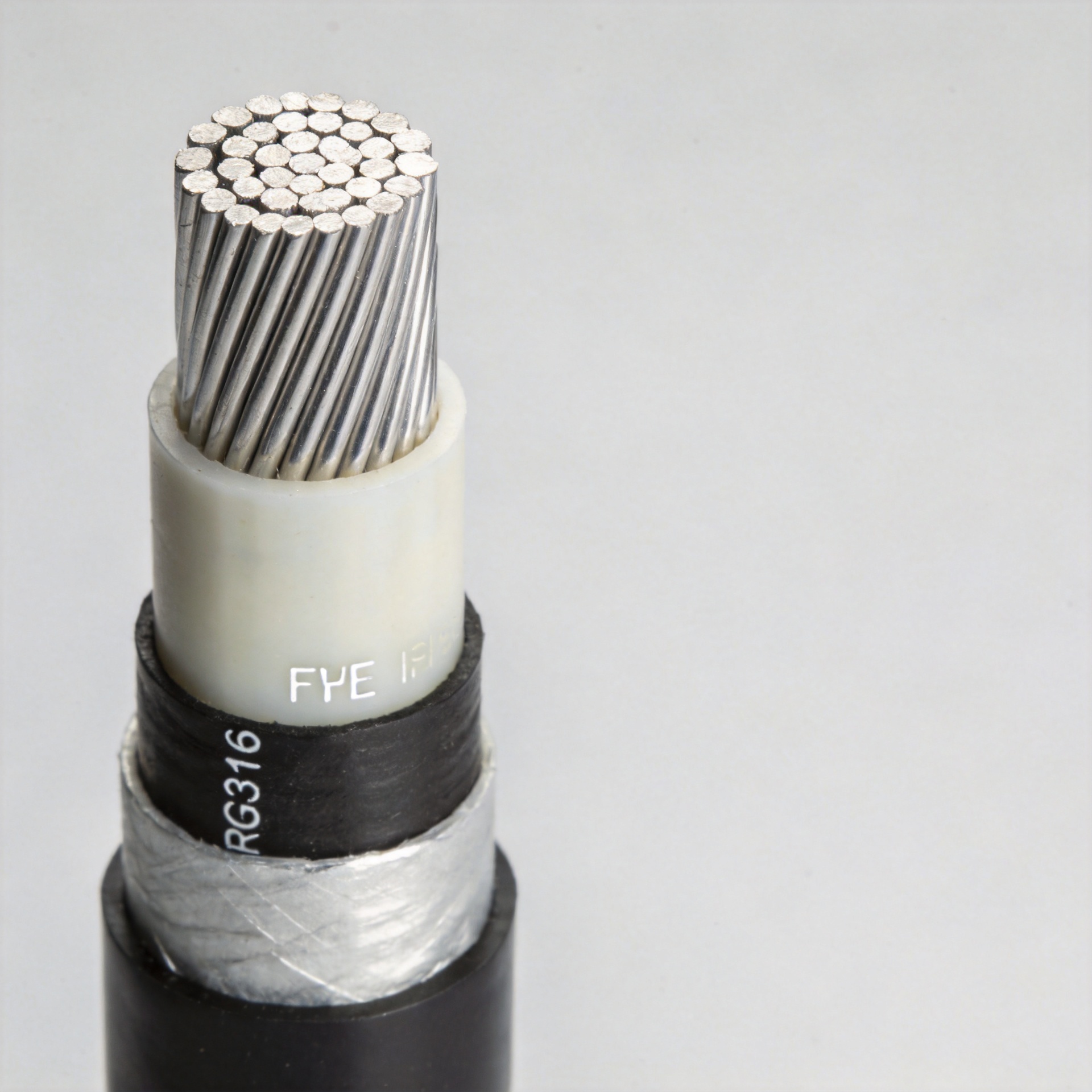
RG58C/U's 50 Ω characteristic impedance is the exact match for standard 50-ohm RF system design, making it the variant specified in MIL-C-17-compliant applications. Its non-contaminating jacket compound is required in aviation wiring harnesses and other environments where conventional PVC off-gassing or plasticizer migration creates contamination risk. RG58A/U, with its 7- or 19-strand center conductor, is the better choice when the cable will flex repeatedly rather than run as a fixed installation; the stranded construction resists fatigue cracking at bend points. Plain RG58/U with its solid 20 AWG core offers slightly lower attenuation at 400 MHz but is less suitable for dynamic installations.
For general telecom infrastructure, instrumentation, and antenna feed lines, RG58A/U and RG58C/U are the more commonly specified variants. The choice between them comes down to whether exact 50 Ω matching and jacket compliance are required, or whether flexibility and connector compatibility dominate the selection.
Attenuation vs. Frequency: Setting Realistic Limits for Your Application
Before specifying rg58 cable run lengths, review the attenuation profile. RG58 is a thin, flexible cable; its signal loss increases rapidly above 200 MHz.
| Frequency | RG58 Attenuation (dB / 100 ft) |
|---|---|
| 1 MHz | 0.4 |
| 10 MHz | 1.4 |
| 50 MHz | 3.3 |
| 100 MHz | 4.9 |
| 200 MHz | 7.3 |
| 400 MHz | 11.2 |
| 700 MHz | 16.9 |
| 900 MHz | 20.1 |
| 1 GHz | 21.5 |
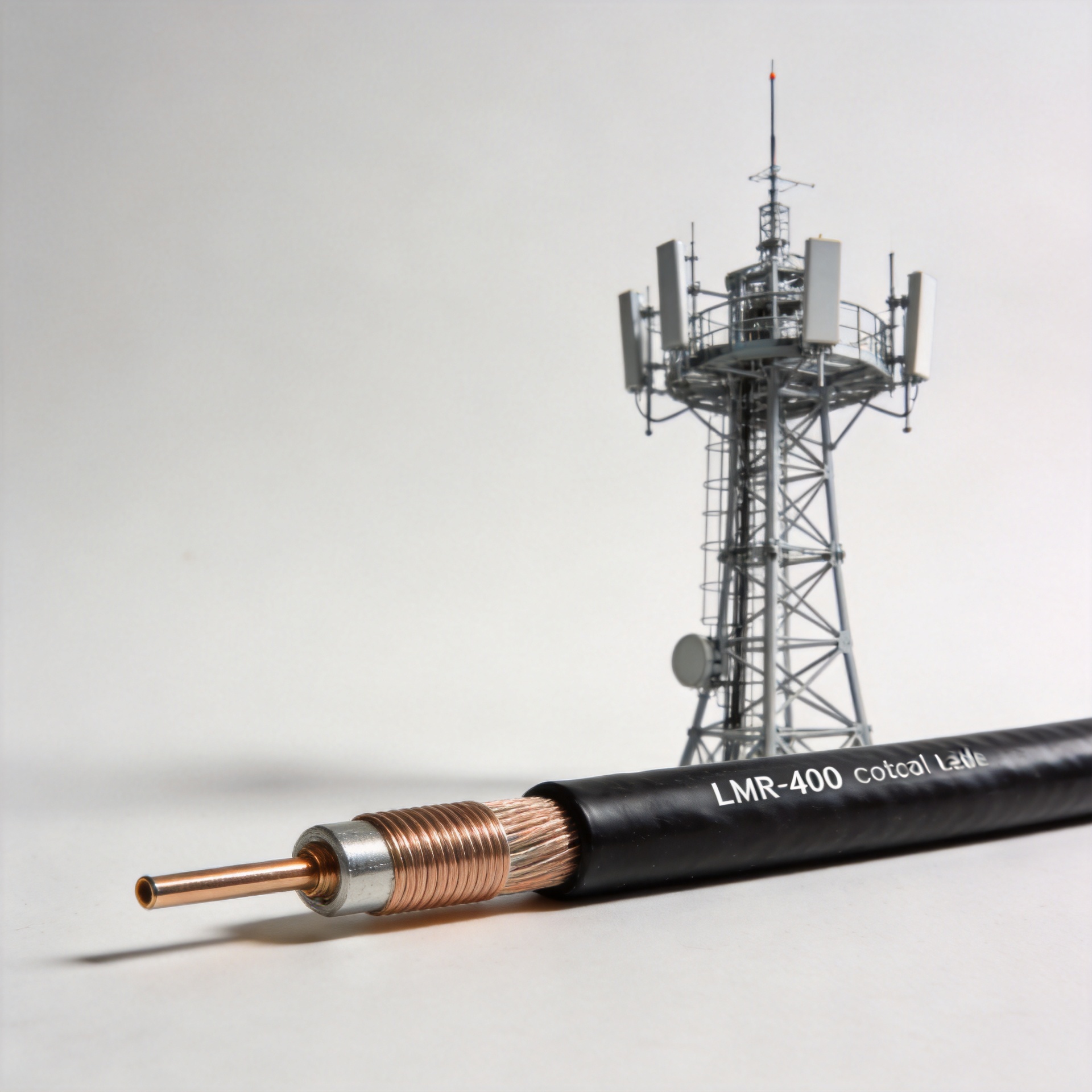
At 400 MHz, a 100-foot run accumulates over 11 dB of loss. At 1 GHz, that figure exceeds 21 dB, making it prohibitive for most signal distribution applications. If your system operates above 500 MHz and cable runs exceed 15 to 20 feet, LMR-195 or LMR-200 offers significantly lower attenuation in the same 0.195-inch outer diameter class and should be evaluated alongside rg58 coax during cable selection.
At frequencies below 300 MHz — instrumentation jumpers, short antenna feed lines, vehicle GPS, and test rack interconnects — RG58 cable remains a practical option. Its widespread connector compatibility with BNC, SMA, TNC, and N interfaces, combined with standard spool availability, supports both one-off builds and volume procurement.
B2B Sourcing Criteria: Certifications, Reel Lengths, and Cut-to-Length Options
Certification and Compliance Documentation
For defense electronics, aviation, and broadcast infrastructure procurement, confirm that the supplier can provide MIL-C-17 test data or UL listing for the specific variant ordered. The documentation matters more than the suffix alone: a cable marketed as RG58C/U should come with a test report confirming the non-contaminating jacket compound and measured electrical parameters for the specific batch. Spec sheets from a catalog describe the standard; a batch test report confirms the actual production lot. In a supplier qualification package, the second document is the one that counts.
Reel and Spool Length Options
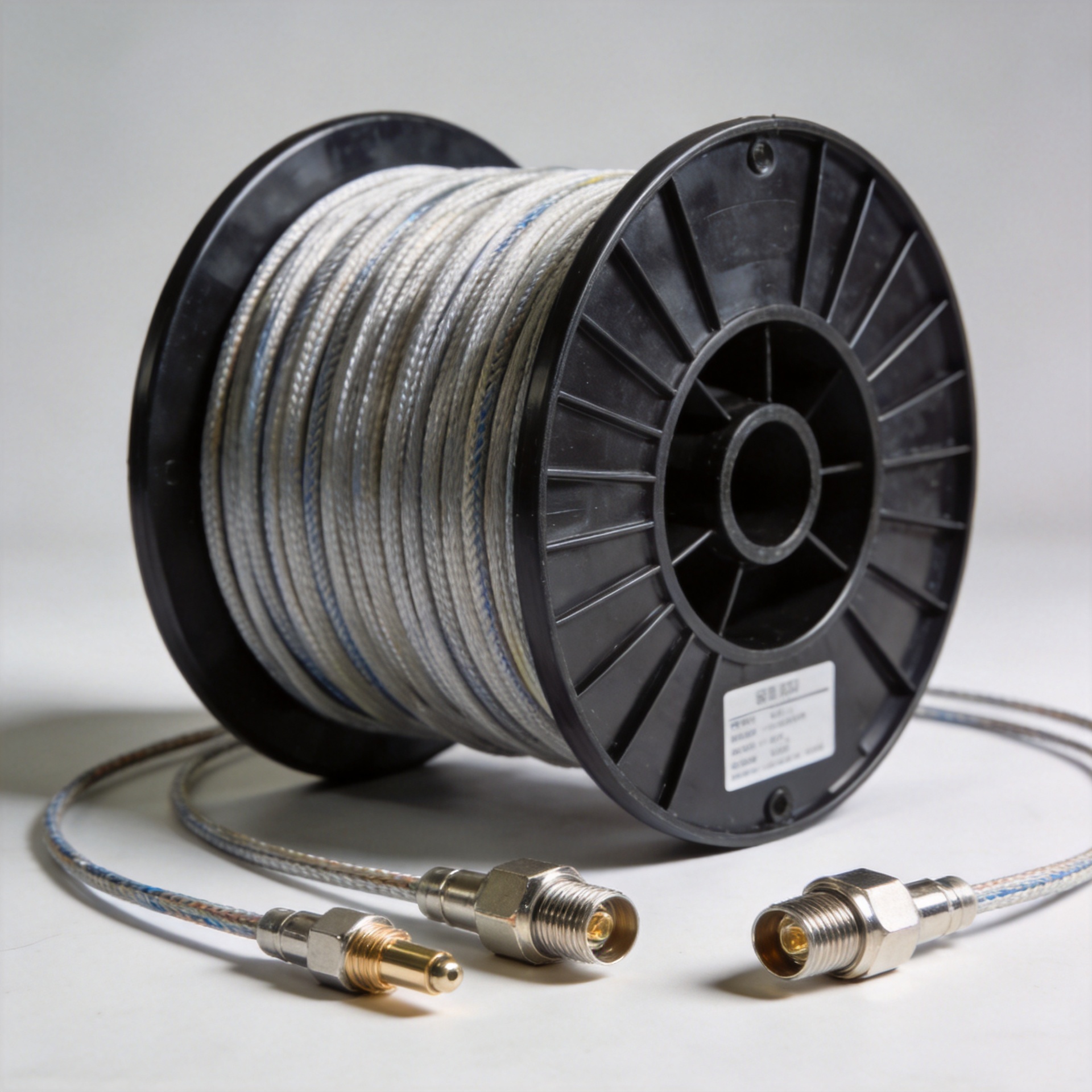
Standard commercial spool sizes for RG58 coax are typically 100 m (328 ft), 200 m, and 500 m reels. Large infrastructure projects benefit from 500 m drums to reduce mid-run splices, which are both a labor cost and a potential impedance discontinuity. One procurement risk that receives less attention than it should: batch variation across spool units. A first reel that passes incoming inspection does not guarantee the third reel from a different production lot will meet the same attenuation specification. Requesting that a multi-spool order ship from a single production batch is a straightforward requirement, and a supplier's ability to accommodate it is itself a qualification signal.
Cut-to-Length and Assembly Options
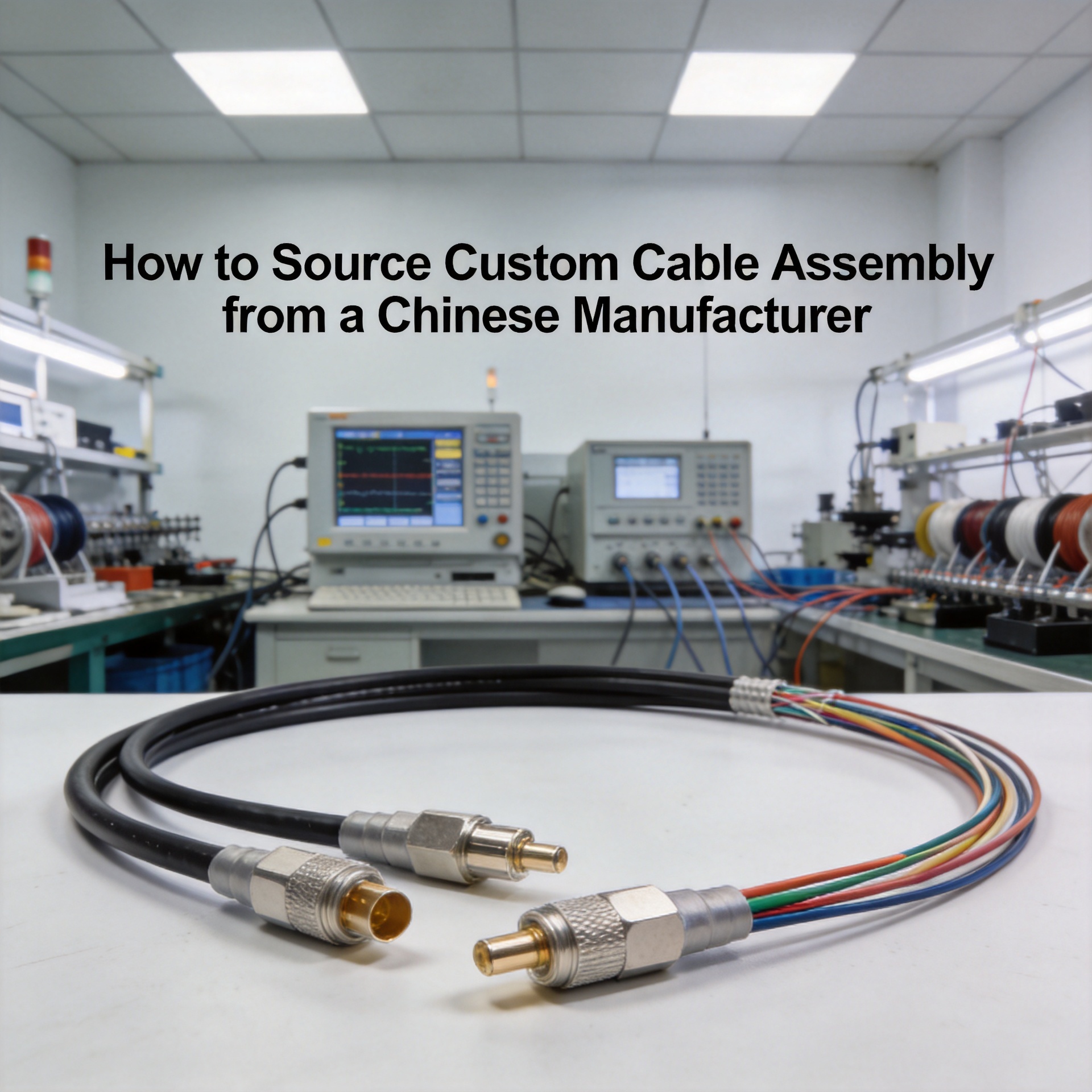
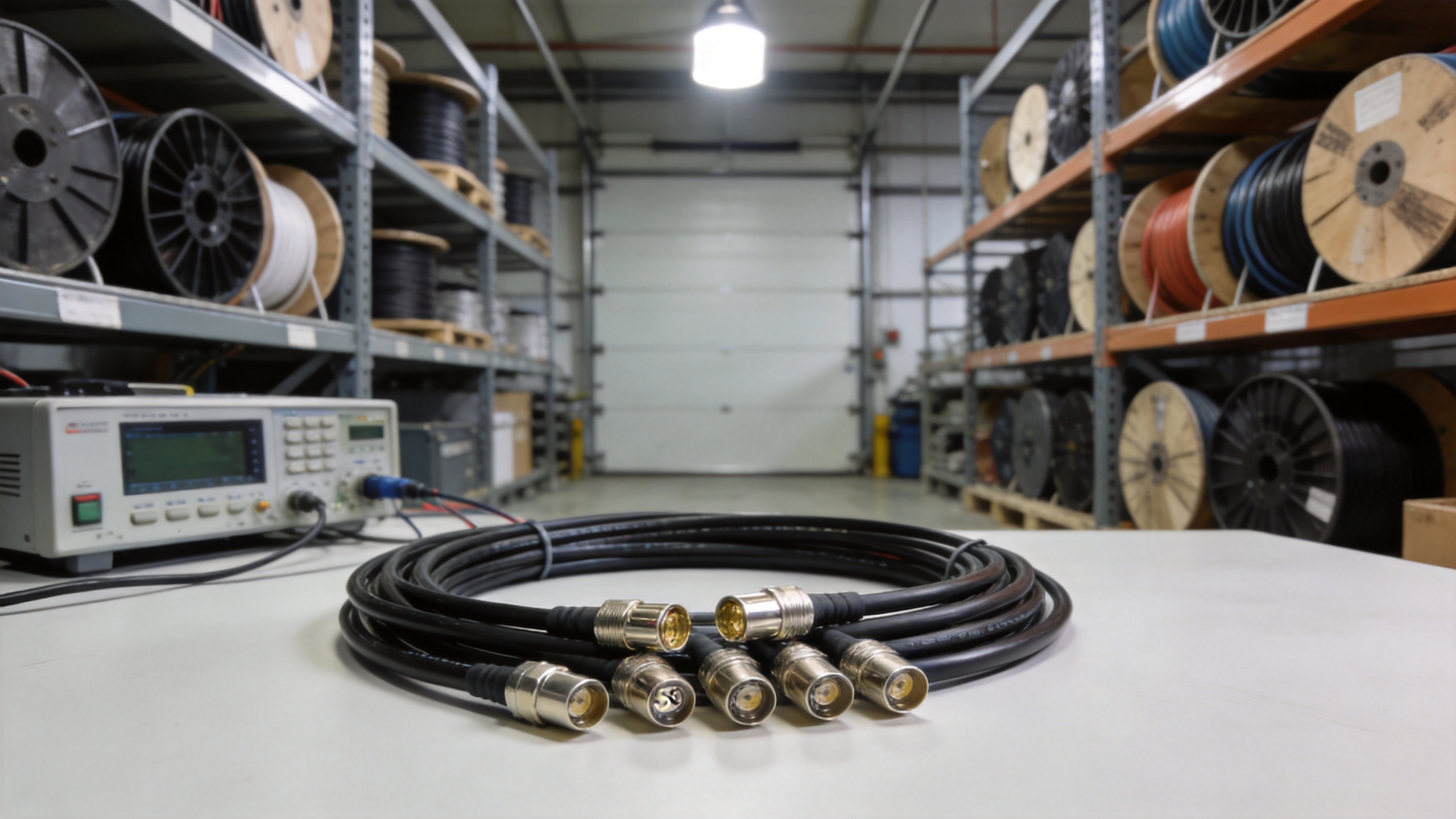
For BOMs that specify discrete cable lengths — antenna distribution panels, test rack builds, vehicle harnesses, factory cut-to-length service and pre-terminated assemblies reduce field termination variability. A factory-assembled cable with a tested insertion loss value gives quality teams an objective acceptance criterion; field-crimped connectors introduce connector-to-connector variation that is difficult to control at scale without dedicated inspection tooling.
Zhenjiang Jiewei Electronics manufactures RG58/U 50 ohm RF coaxial cable with 25 years of experience in RF coaxial cables, connectors, and cable assemblies. As a direct factory source, Jiewei offers supply chain traceability back to production records, which matters when batch consistency and certification documentation are required for procurement approval.
B2B Buyer Qualification Checklist for RG58 Cable Procurement
- Confirm the exact variant suffix (RG58/U, RG58A/U, or RG58C/U) and verify that its characteristic impedance matches your system design requirement
- Request the electrical test report for the specific production batch, not only the catalog specification sheet
- Verify spool length options and confirm that multi-spool orders can be fulfilled from the same production run
- Confirm jacket material — standard PVC versus non-contaminating compound, particularly for compliance-sensitive or contamination-controlled environment
- Ask about cut-to-length and factory-terminated assembly capability for high-volume BOM requirements
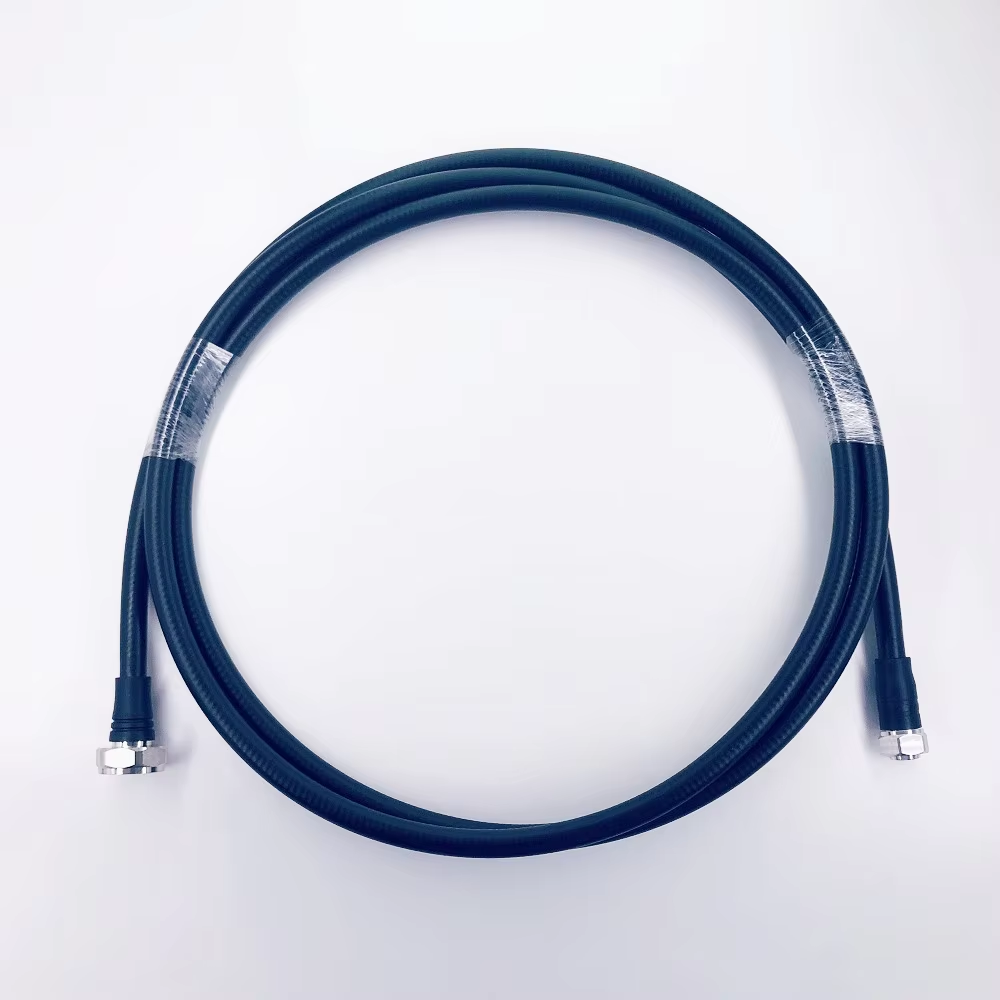
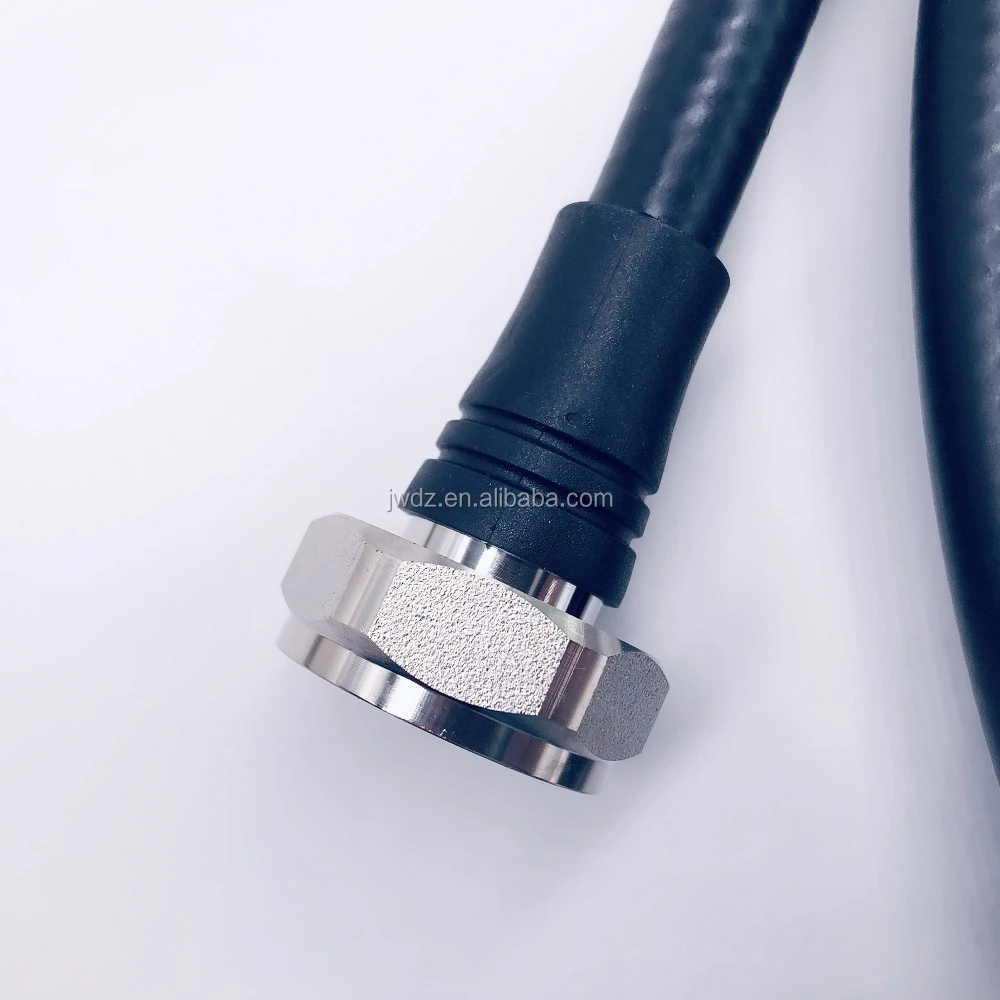
- Confirm connector compatibility and assembly options: BNC, SMA, TNC, and N are the most common terminations for RG58 cable applications. For systems requiring N-type jumpers, see Jiewei's RF coaxial jumper cable assemblies for interface compatibility reference
The specification review and supplier qualification steps described above add time upfront. What they prevent is batch-level rework after deployment. It is the kind of failure absent from a unit price calculation but consistently present in total project cost.