EN
EN

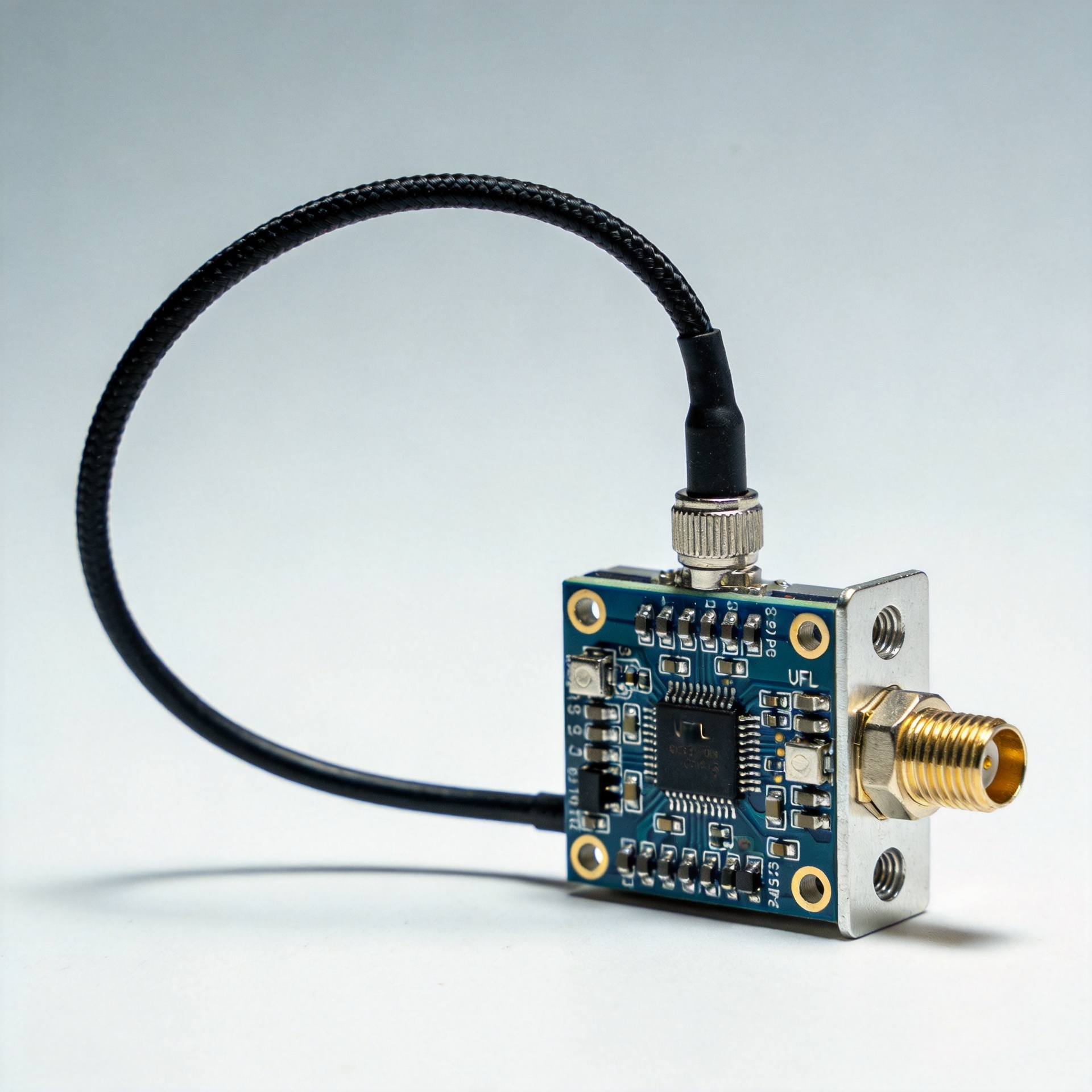
Роз’єми UFL до SMA: що перевірити перед інтеграцією
2026/09/21
2025/12/16
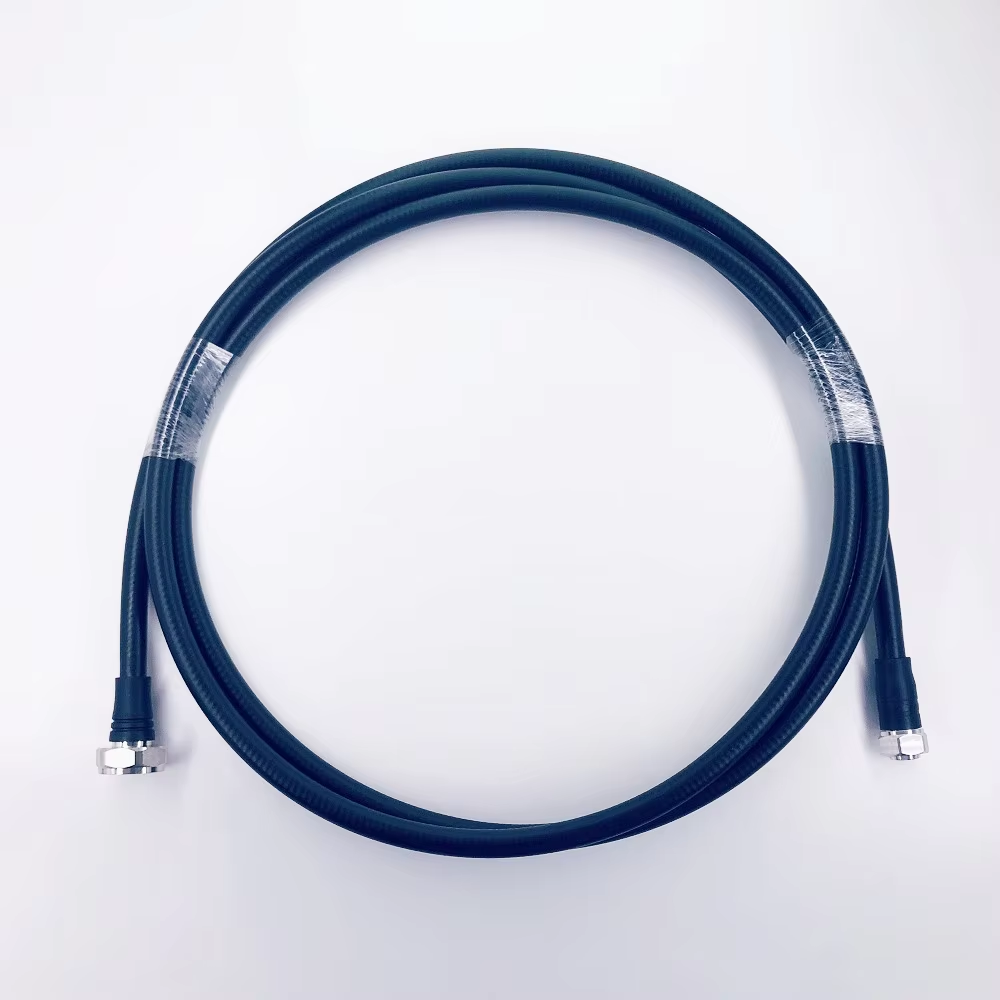
Повітряні коаксіальні кабелі забезпечують високу ефективність у радіочастотних (РЧ) системах завдяки спеціалізованій інженерії. На відміну від традиційних конструкцій із суцільним діелектриком, ці кабелі замінюють суцільну ізоляцію точно розташованими прокладками, які утримують провідники на відстані за допомогою повітря — середовища з найнижчими втратами серед доступних діелектриків.
Порожнисті повітряні діелектричні структури зменшують кількість зіткнень електронів, коли сигнали проходять крізь них, що означає менше поглинання енергії на шляху. Повітря має діелектричну проникність, близьку до 1,0, тоді як матеріали, такі як поліетилен, мають значення близько 2,3 або вище. Через цю різницю повітря спричиняє значно менше фазових спотворень і створює меншу ємність у системі. Випробування в галузі показали, що конструкції з повітряним заповненням мають приблизно на 40% менші втрати сигналу на частотах 6 ГГц порівняно з традиційними альтернативами з пінополіетиленом, згідно з останніми дослідженнями РЧ-матеріалів минулого року. Для інженерів, які працюють з високочастотними системами, це має велике значення, оскільки навіть невеликі втрати з часом можуть суттєво позначитися на загальній продуктивності.
Кабелі з повітряним діелектриком та з суцільним поліетиленом (ПЕ) мають принципові відмінності, що впливають на РЧ-продуктивність:
| Характеристика | Повітряний діелектрик | Суцільний діелектрик із ПЕ |
|---|---|---|
| Діелектричний матеріал | Повітряні проміжки з пластиковими розпірками | Суцільний пінополіетилен |
| Загасання (6 ГГц) | ~0,15 дБ/м | ~0,25 дБ/м |
| Фазова стабільність | Вище (нижчий діелектричний коефіцієнт) | Помірна мінливість |
Механічна жорсткість конструкцій із повітряним проміжком запобігає деформації діелектрика при вигині, забезпечуючи стабільний опір. Навпаки, кабелі з ПЕ більш схильні до змін ємності під тиском, що збільшує коефіцієнт стоячої хвилі напруги (КСХН).
Повітряний коаксіальний кабель із діелектриком справді вирізняється збереженням якості сигналу в діапазоні високих частот завдяки конструкції з повітряним осердям, що зменшує втрати сигналу. Згідно зі стандартним тестуванням IEC 61196, ці кабелі мають коефіцієнт послаблення близько 0,15 дБ на метр на частоті 6 ГГц, що майже вдвічі менше, ніж у традиційних кабелів із суцільним поліетиленовим діелектриком. Чому вони такі ефективні? По суті, вони втрачають менше енергії через ізоляційний матеріал, що дозволяє сигналам поширюватися на значно більші відстані, перш ніж знадобиться підсилення. Для фахівців з радіочастотної техніки це означає менше проблем із ослабленням сигналу на довгих дистанціях і потенційну економію на додатковому обладнанні.
| Частотний діапазон | Послаблення повітряного діелектрика (дБ/м) | Послаблення суцільного ПЕ (дБ/м) |
|---|---|---|
| 1 ГГц | 0.03 | 0.07 |
| 3 ГГц | 0.08 | 0.18 |
| 6 ГГц | 0.15 | 0.29 |
Системи, що використовують цю технологію, забезпечують ефективність передачі потужності на рівні 96% у мережах зворотного зв'язку 5G (IEEE 2023), що дозволяє щороку економити 740 тис. доларів на кожну реалізацію з 1000 вузлів.
Порожниста конструкція забезпечує неперевершену теплову продуктивність. Кабелі з повітряним діелектриком витримують постійну потужність 5 кВт за температури навколишнього середовища 40°C — у два рази більше, ніж пінозаповнені аналоги. Основні переваги включають:
Ця термічна стійкість запобігає змінам імпедансу під час передачі потужного сигналу, знижуючи КСХН до 1,05:1 у радіолокаційних системах 6 ГГц. Польові випробування показали 99,8% часу роботи без перерв у трансляційних передавачах після 15 000 годин роботи.
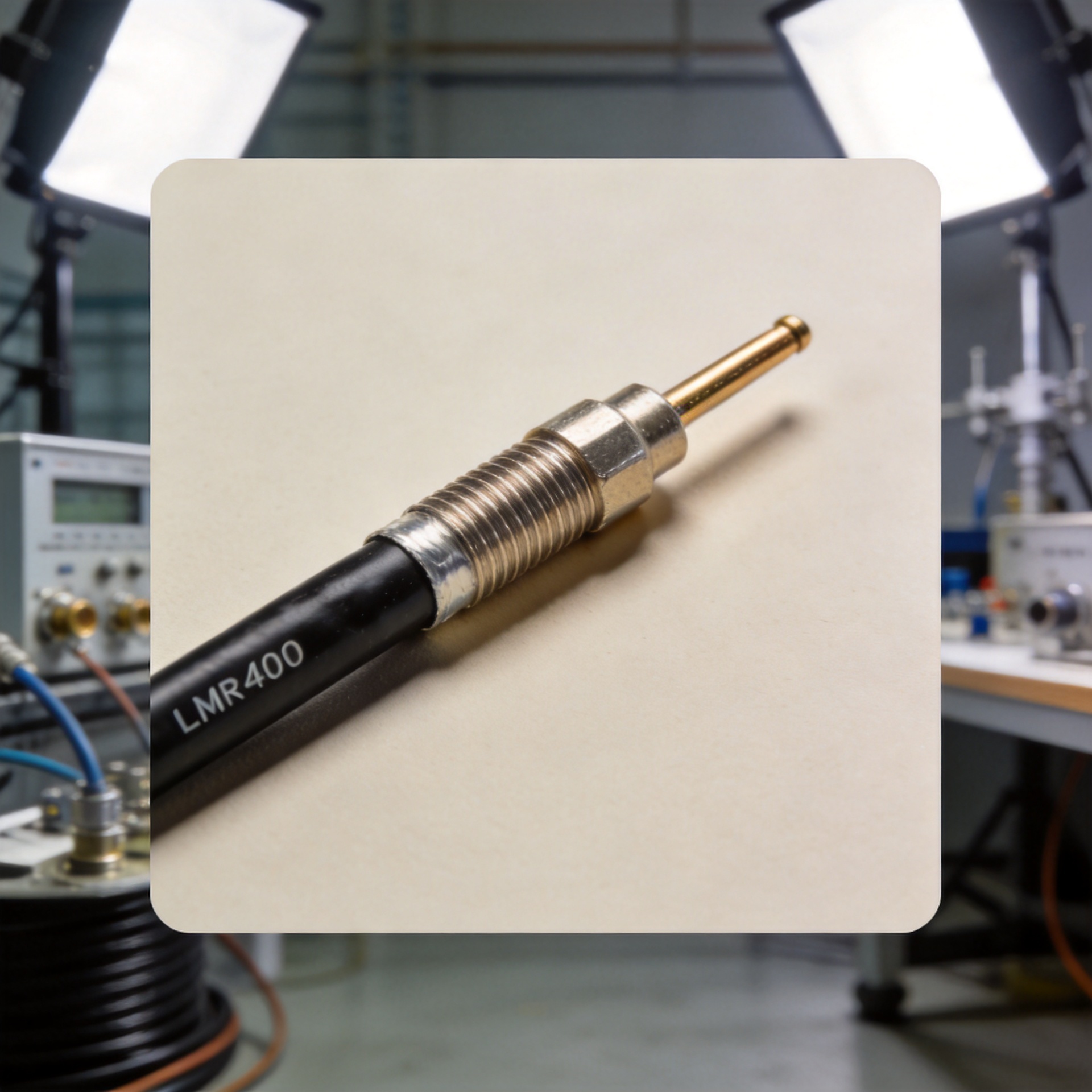
Порівняння варіантів повітряного діелектричного коаксіального кабелю з його пінними аналогами, такими як LMR® або типи LDF/AL4, виявляє три основні фактори, що мають значення для РЧ-систем: втрати сигналу на лінії (вносні втрати), коефіцієнт стоячої хвилі напруги (КСХН) та стійкість до впливу навколишнього середовища. Кабелі з повітряним діелектриком втрачають приблизно на 20–30 відсотків менше потужності сигналу на частотах понад 2 ГГц, оскільки вони мають менше діелектричного матеріалу, що їх поглинає, що робить їх ідеальними для довгих з'єднань базових станцій та розподілених антенних систем. Але є один недолік. Кабелі з пінним діелектриком насправді краще підтримують стабільні фазові характеристики та стійкіші до накопичення вологи, що особливо важливо в умовах зволоження на вулиці, де в кабелях з повітряним заповненням можуть виникати проблеми з внутрішньою конденсацією. Показники КСХН розповідають іншу історію. Прямі ділянки повітряних кабелів зберігають досить гарні значення близько 1,15:1, але надмірне згинання призводить до зміни хвильового опору понад 1,25:1. Пінні кабелі залишаються нижче 1,2:1 навіть при складних шляхах прокладання. З огляду на загальну надійність системи, пінні варіанти забезпечують кращий баланс, незважаючи на трохи вищі втрати сигналу. Вони пропонують більш стабільний екран та набагато краще витримують стискуючі навантаження, на відміну від повітряних діелектриків, які відомі своєю жорсткістю та ускладнюють монтаж у певних ситуаціях.
Кабелі з повітряним діелектриком забезпечують вищу цілісність ВЧ-сигналу завдяки меншому затуханню сигналу та вищій фазовій стабільності, що обумовлено конструкцією з повітряним осердям.
Кабелі з повітряним діелектриком мають нижчу діелектричну проникність і ємність, що мінімізує фазові спотворення та затухання у високочастотних застосуваннях.
Кабелі з повітряним діелектриком мають менше загасання сигналу, але гіршу стійкість до вологи та можуть ускладнювати монтаж через жорсткість.
2026/09/21