Jumper Cable: Flexible Connection Solution for Equipment

+86 18652828640 +86 18652828640
All Categories
Jumper Cable: Short - Length Connection Cable

Jumper Cable: Short - Length Connection Cable

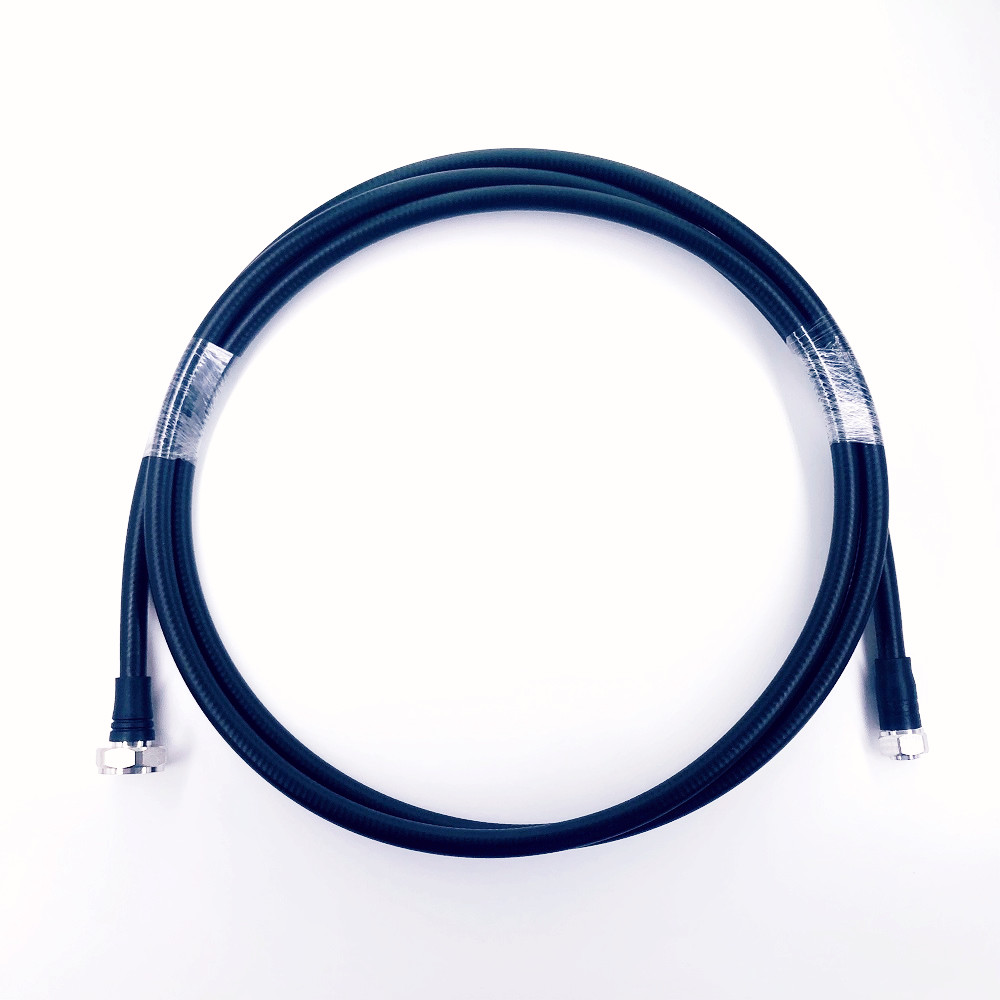
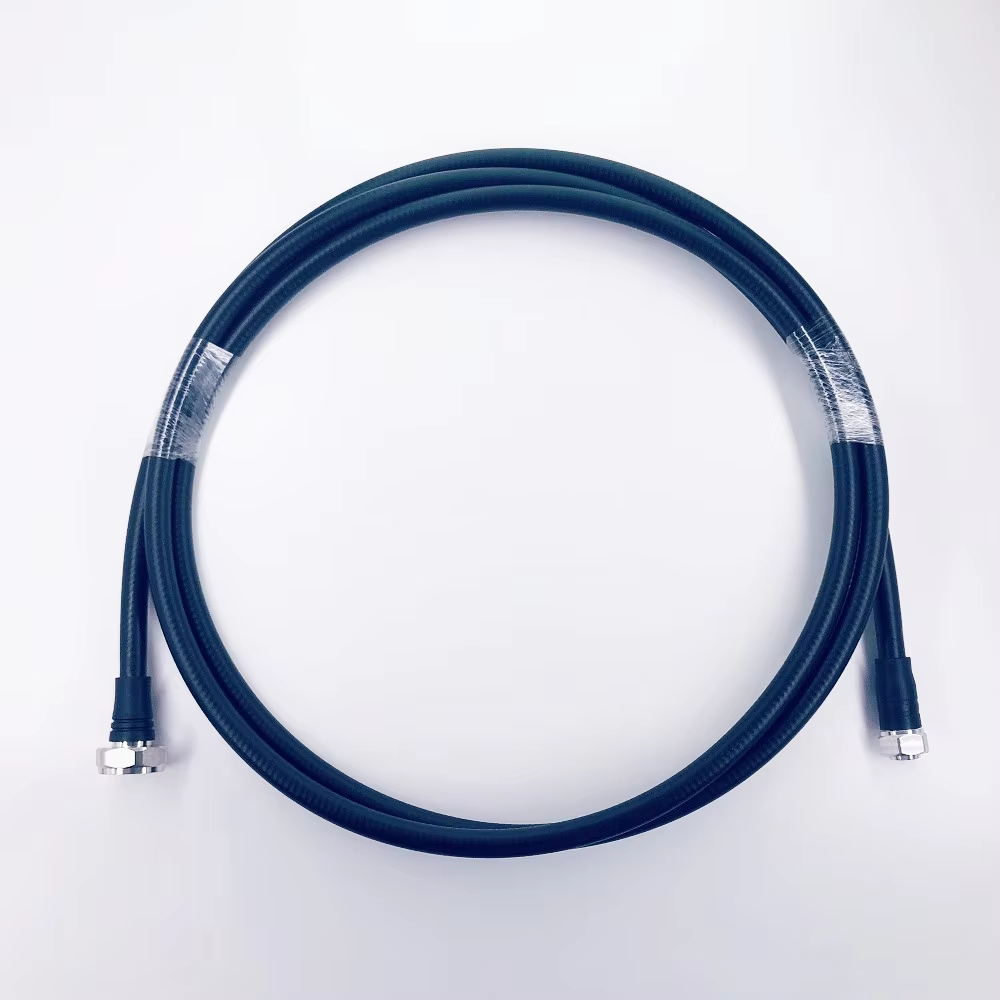
Jumper cable is a short - length cable used to connect interfaces between two different devices or circuits. It usually has a flexible structure and easy - to - plug - in connectors, convenient for temporary connection and circuit adjustment during equipment installation, debugging, and maintenance.
Get A Quote

Advantages of the product

Easy Plug - and - Play

These cables feature thick insulation to shield conductors from abrasion, moisture, and extreme temps. Connectors, often brass, resist corrosion. A durable set can serve you for years, reliable for jump - starting.

Lightweight and Portable

Lightweight and portable, making it convenient to carry and use in different locations.

Related products

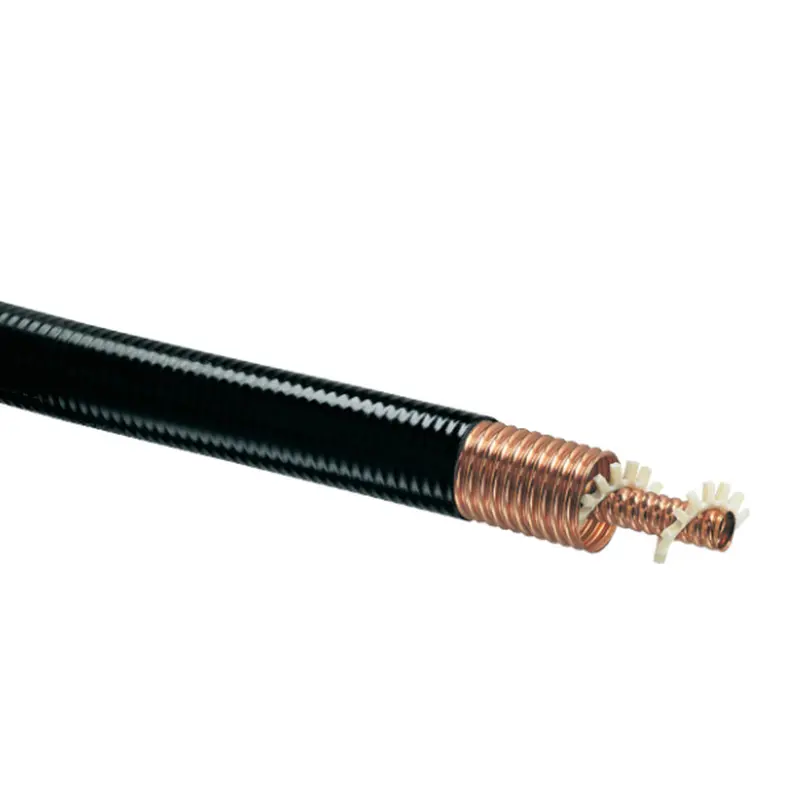
Belonging to the LMR series which focuses on low-power coaxial cables, the LMR600 jumper cables have a larger diameter which results in lower signal attenuation. These pipes are common in professional wireless communication systems such as cellular base stations because they help maintain the strong signals that are required to provide servic
common problem

What is a jumper cable used for?

A jumper cable is used to connect interfaces between two different devices or circuits. It has a flexible structure and easy - to - plug - in connectors, facilitating temporary connection and circuit adjustment during equipment installation, debugging, and maintenance.
Its short length is designed for easy and quick connection between nearby devices. It’s mainly used for temporary setups, so a short length is more convenient and reduces signal loss.
Yes. Jumper cables are available in different specifications, varying in cable diameter, length, and connector types to meet different application needs.

Related article

How to Choose Between LMR600 and LDF4-50C Coaxial Cables?

24

Mar

How to Choose Between LMR600 and LDF4-50C Coaxial Cables?

Key Differences Between LMR600 and LDF4-50C Coaxial CablesConstruction and Material CompositionThe construction of the LMR600 coaxial cable is designed to optimize signal transmission while maintaining durability. This cable typically includes a soli...
View More
Why Are LMR400 Cables Popular in Cellular Infrastructure?

24

Mar

Why Are LMR400 Cables Popular in Cellular Infrastructure?

Key Advantages of LMR400 Cables in Cellular Infrastructure Low Signal Attenuation at High Frequencies LMR400 cables are renowned for their remarkably low signal attenuation, making them particularly suitable for high-frequency applications such...
View More
How Do Air Dielectric Coaxial Cables Improve Signal Integrity?

24

Mar

How Do Air Dielectric Coaxial Cables Improve Signal Integrity?

Fundamentals of Coaxial Cable Signal Transmission Key Components: Conductor, Dielectric, and Shielding Coaxial cables are engineered with specific structural designs that optimize their ability to transmit electrical signals efficiently. At the core ...
View More
RF Cables What Parameters Should Be Focused on in Selection?

07

Apr

RF Cables What Parameters Should Be Focused on in Selection?

Impedance and Frequency Fundamentals 50Ω vs 75Ω Systems The primary distinction between 50Ω and 75Ω systems lies in their impedance values, which significantly affect their applications and performance characteristics. 50&Ome...
View More

User evaluation of the product

Frederick

Short and handy, this jumper cable meets my needs for quick circuit adjustments.

Benjamin

It's an essential tool for equipment installation and maintenance, making the jumper cable very useful.

Get a Free Quote

Our representative will contact you soon.
Email
Name
Company Name
Message
0/1000
Multiple Application Scenarios

Multiple Application Scenarios

Suitable for various applications, from laboratory testing to field equipment installation.