EN

Custom RF Cable Assemblies: Information to Prepare Before Requesting a Quote
For an RF buyer, a fast quotation starts with a precise technical brief. Custom RF cable assemblies are not defined by connector names alone: the mating interface, cable construction, frequency range, mechanical routing, and acceptance criteria all influence what can be built, tested, priced, and delivered. A clear request helps an engineering team compare practical options before production begins.
This checklist is written for telecom equipment teams, system integrators, test labs, and OEM purchasers. Use it to turn an informal inquiry into a usable RFQ for custom RF cable assemblies, reduce clarification cycles, and make quotations easier to compare.
Start with the two end interfaces
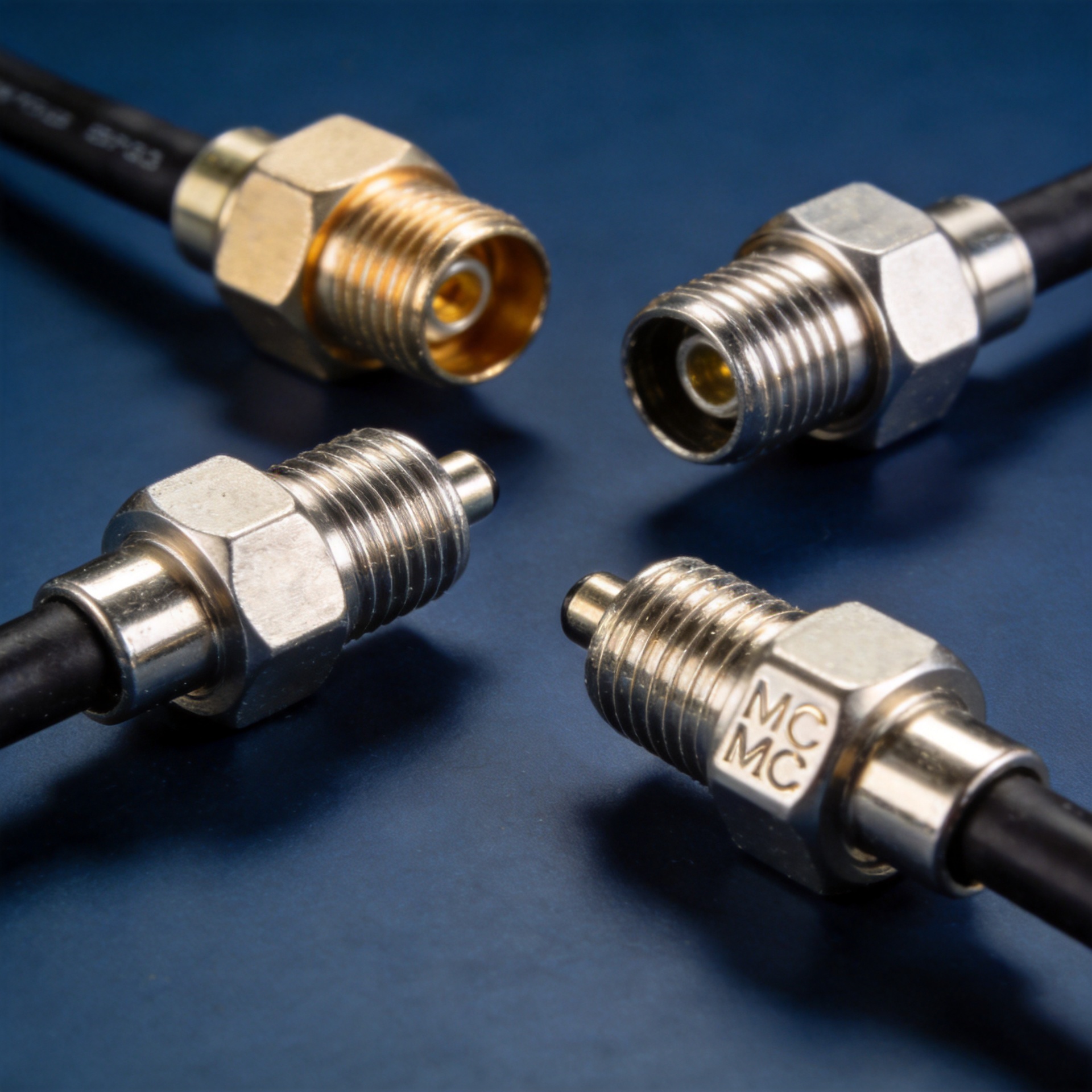
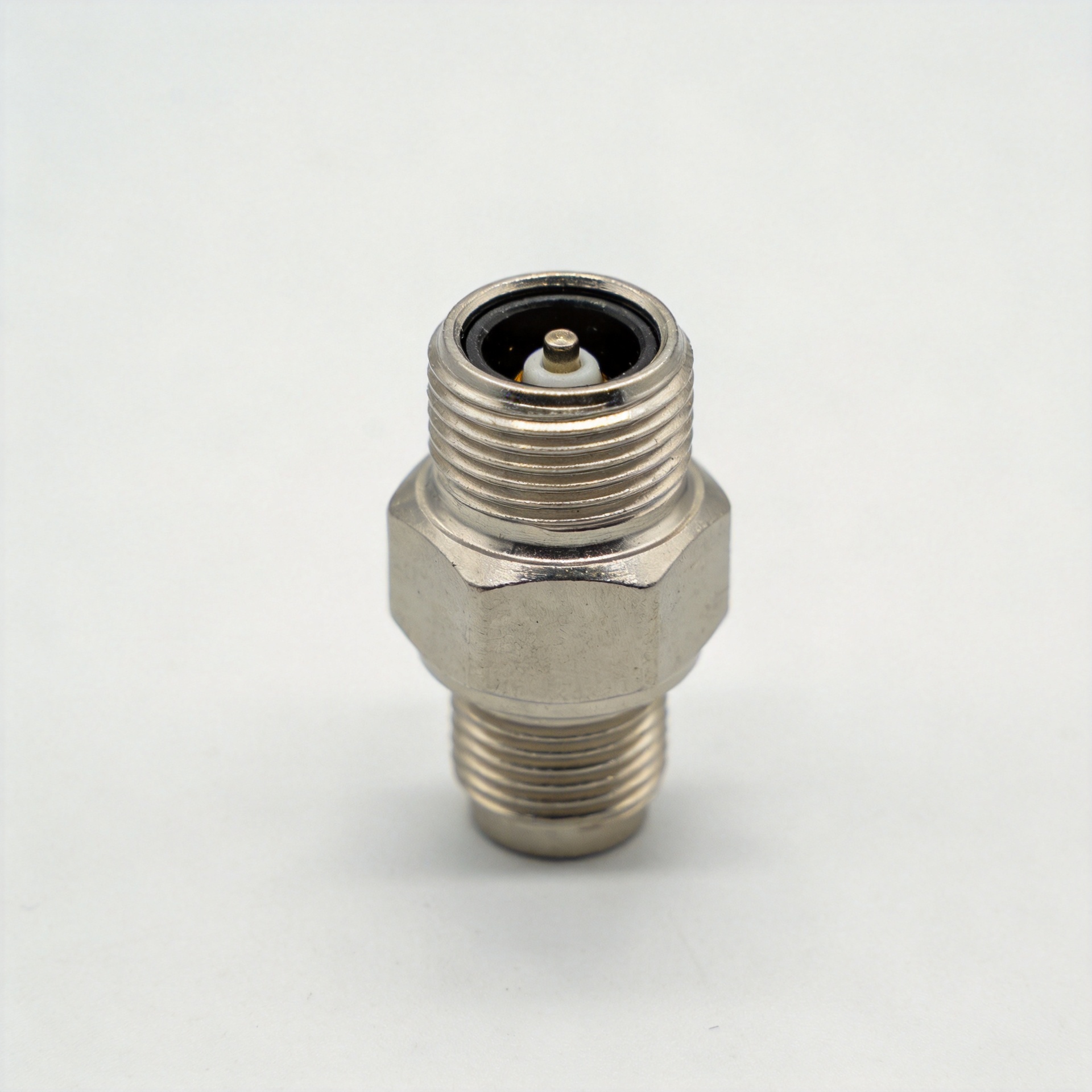
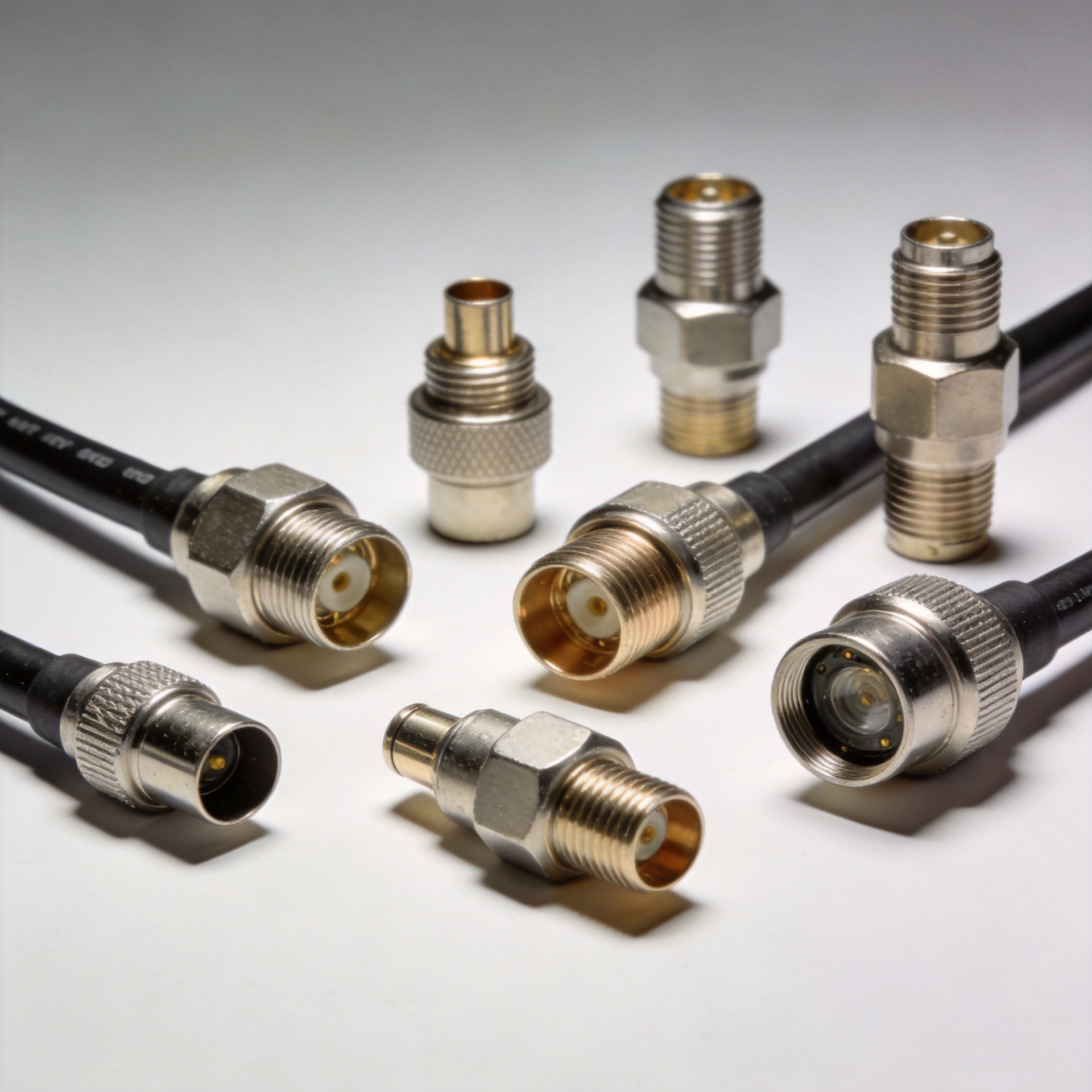
The first item for custom RF cable assemblies is the exact connector requirement at each end. State the connector series, gender, polarity when applicable, and whether each side mates with a jack, plug, bulkhead, module port, or adapter. A photo of the existing interface and the mating part number can prevent a costly assumption.
Also specify the termination style you need: straight, right-angle, panel mount, or another mechanical form. If the assembly will pass through an enclosure, include the cutout or mounting details. A request such as “N-type to 4.3-10 cable” is a useful start, but it is not yet enough to finalize custom RF cable assemblies.
- Connector series and manufacturer part number, if known
- Gender, interface orientation, and mating-side description
- Straight, right-angle, bulkhead, or panel-mount requirement
- Requested plating, locking feature, or connector material when these are specified by your project
Define the cable construction and routing conditions
The cable is the performance and installation backbone of custom RF cable assemblies. Provide a preferred cable family or describe the application constraints that guide selection. For example, a cabinet jumper, an outdoor feeder connection, and a repeatedly flexed laboratory lead may need very different constructions.
Share the finished length, including the length tolerance and whether the measurement is connector end-to-end or cable cut length. If routing is tight, identify the minimum bend area, available space, and whether the cable must flex during service. Flexibility, frequency range, and operating environment are common selection factors, so this information should be part of the RFQ rather than an afterthought.
| RFQ item | Why it matters |
|---|---|
| Target length and tolerance | Sets material consumption and supports fit-up planning. |
| Preferred cable type or outside diameter | Helps balance attenuation, flexibility, and routing space. |
| Installation route and bend constraints | Helps avoid an assembly that is difficult to install or overstressed in use. |
| Movement or flexing requirement | Guides selection between a static interconnect and a more flexible solution. |
State the electrical performance window
For custom RF cable assemblies, give the intended operating frequency range and system impedance. Most RF interconnect applications are specified around a nominal impedance, commonly 50 ohms, but the RFQ should reflect your actual system requirement rather than a default assumption. Include maximum power, expected signal type, and any loss budget where relevant.
Acceptance expectations should be equally clear. Depending on the application, buyers may request VSWR, return loss, insertion loss, phase matching, or time-delay matching over a defined frequency range. These are examples, not universal requirements. The useful question is: which measurements must be reported for your assembly, over what band, and at what acceptance limit?
When a project needs multiple matched paths, identify the number of assemblies and the matching target. That makes it possible to evaluate custom RF cable assemblies as a set rather than as unrelated individual jumpers.
Describe the operating environment and compliance needs
Environmental details affect both the cable and the connector choice for custom RF cable assemblies. Include indoor or outdoor use, temperature range, humidity, UV exposure, vibration, handling frequency, and the presence of oils, chemicals, or salt spray if those conditions apply. For an outdoor installation, note the sealing expectation at the interface; for an indoor rack, explain any flame, space, or maintenance constraints.
If your procurement process requires documentation, list it in the initial request. Examples may include dimensional confirmation, material declarations, test reports, first-article approval, labeling rules, packaging instructions, or traceability information. Listing these needs early makes the quotation more comparable and avoids treating documentation as a late-stage change.
Provide drawings, samples, and application context
A drawing is one of the most useful attachments for custom RF cable assemblies. It does not need to be a finished production drawing to be valuable. A sketch showing end A, end B, length, route, connector orientation, and installation point can clarify the inquiry. Include photos of the existing equipment, labels, or a sample cable when available.
Application context is also valuable. Tell the supplier whether the assembly connects antenna equipment, a radio module, a test instrument, an enclosure, or another RF subsystem. This context helps engineers flag questions about bend radius, connector access, cable support, or test criteria without requiring them to guess at your system design.
Turn the checklist into a quote-ready package
Before sending an RFQ for custom RF cable assemblies, assemble the following: connector specifications for both ends, cable preference or constraints, finished length and tolerance, impedance and frequency range, power and electrical limits, environment, test requirements, quantities, documentation needs, and drawings or photos. Mark any item as “to be recommended” when you want an engineering proposal rather than a fixed build.
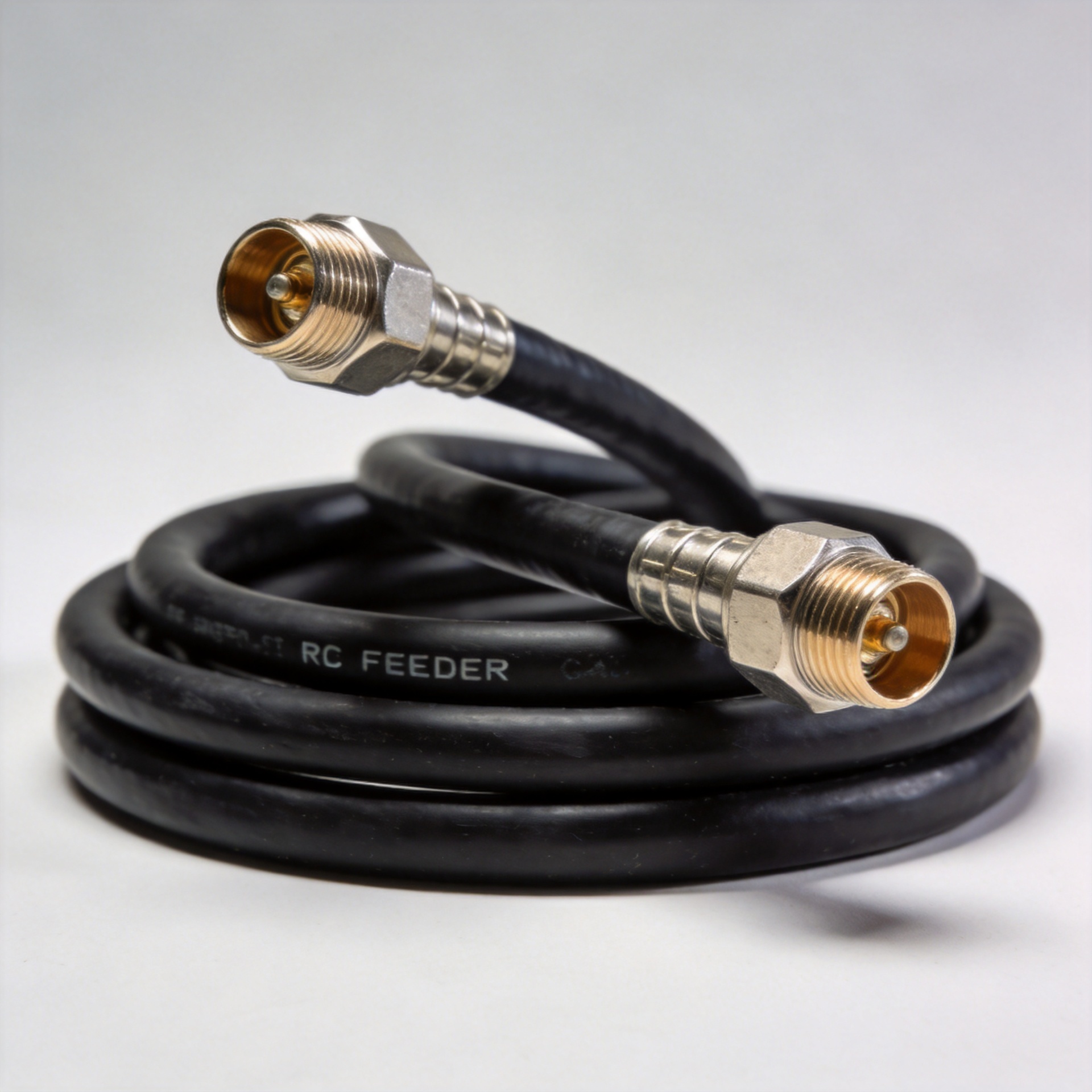
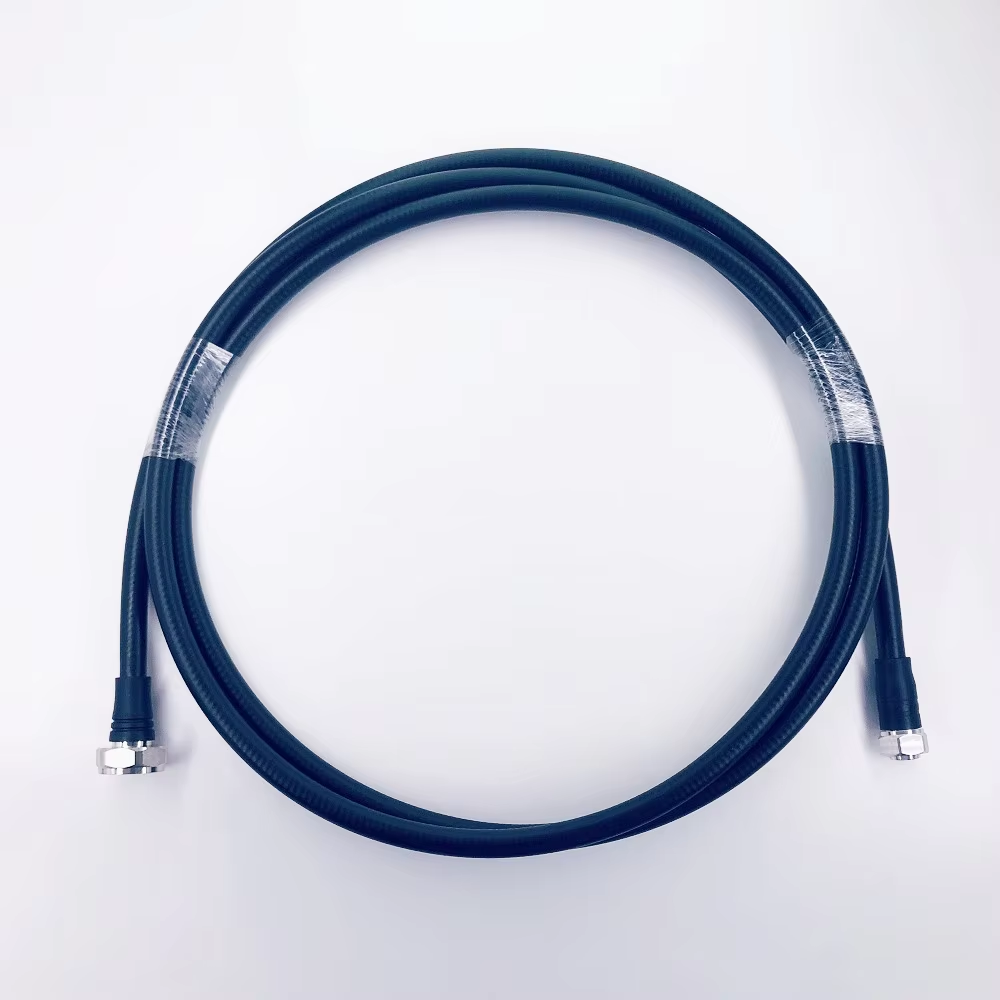
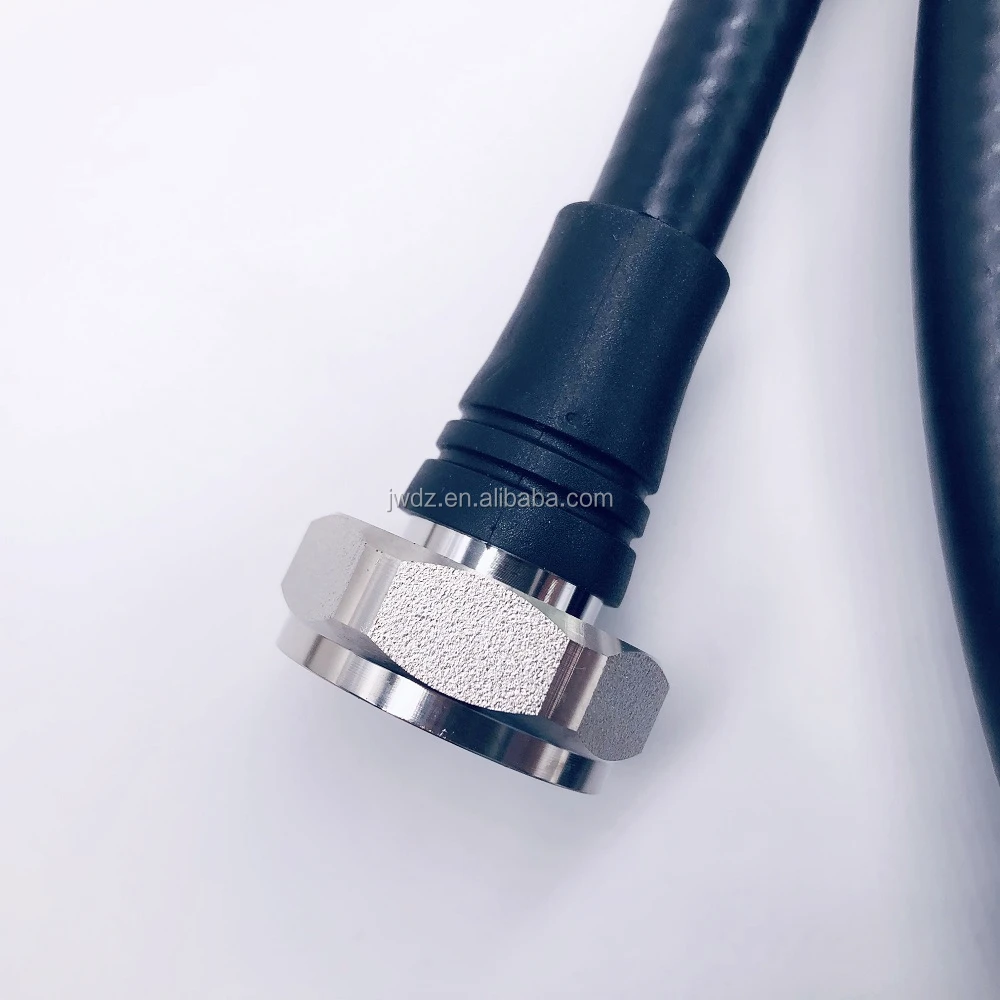
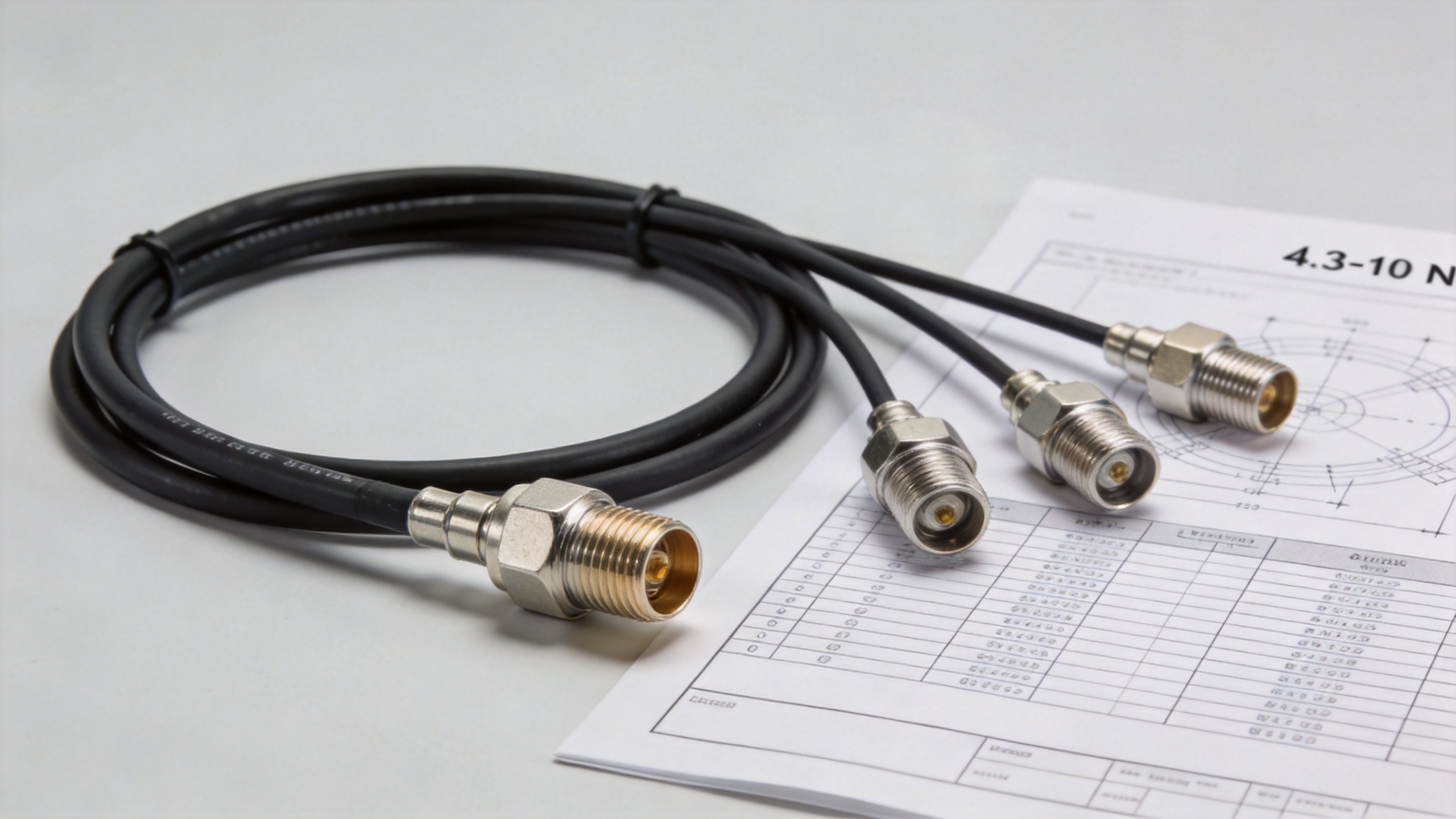
For a practical example of an available interconnect format, review this 4.3-10 to N male RF coaxial jumper cable assembly. Its product title illustrates why an RFQ benefits from naming both connector ends and the cable family instead of relying on a general description.
Well-prepared custom RF cable assemblies inquiries create a better starting point for technical review, quotation, sampling, and production. The goal is not to know every construction detail before you ask; it is to supply the conditions that allow the supplier to make the right recommendations and document the final configuration clearly.