EN
EN

How to Evaluate Low PIM DAS Antenna Specifications: Key Parameters for 5G Deployments
When you're sourcing antennas for a distributed antenna system (DAS) deployment, the difference between a project that passes commissioning and one that fails interference testing often comes down to a few critical numbers on a datasheet. As someone who has reviewed specifications for indoor coverage infrastructure across telecom environments, I've seen procurement teams approve components based on surface-level specs only to discover incompatibilities during integration. What follows covers the four specification parameters that carry the most weight when evaluating a digital antenna system antenna for 5G deployments.
Why Specification Review Matters Before You Order
A datasheet communicates what a product achieves under controlled lab conditions. The challenge is that a digital antenna system installation exposes components to real-world variables, something procurement engineers learn fairly quickly: cable routing constraints, temperature cycling, multi-carrier signal loads, and legacy band coexistence. Reviewing specifications thoroughly before ordering is not about distrust; it is about making sure that what is written on the spec sheet translates to system performance in the field.
The four parameters below form a minimum evaluation framework for 5G-capable antenna das deployments. If any one of them falls outside acceptable bounds, the product will require rework or replacement after installation.
Parameter 1: PIM Rating — The Non-Negotiable Threshold
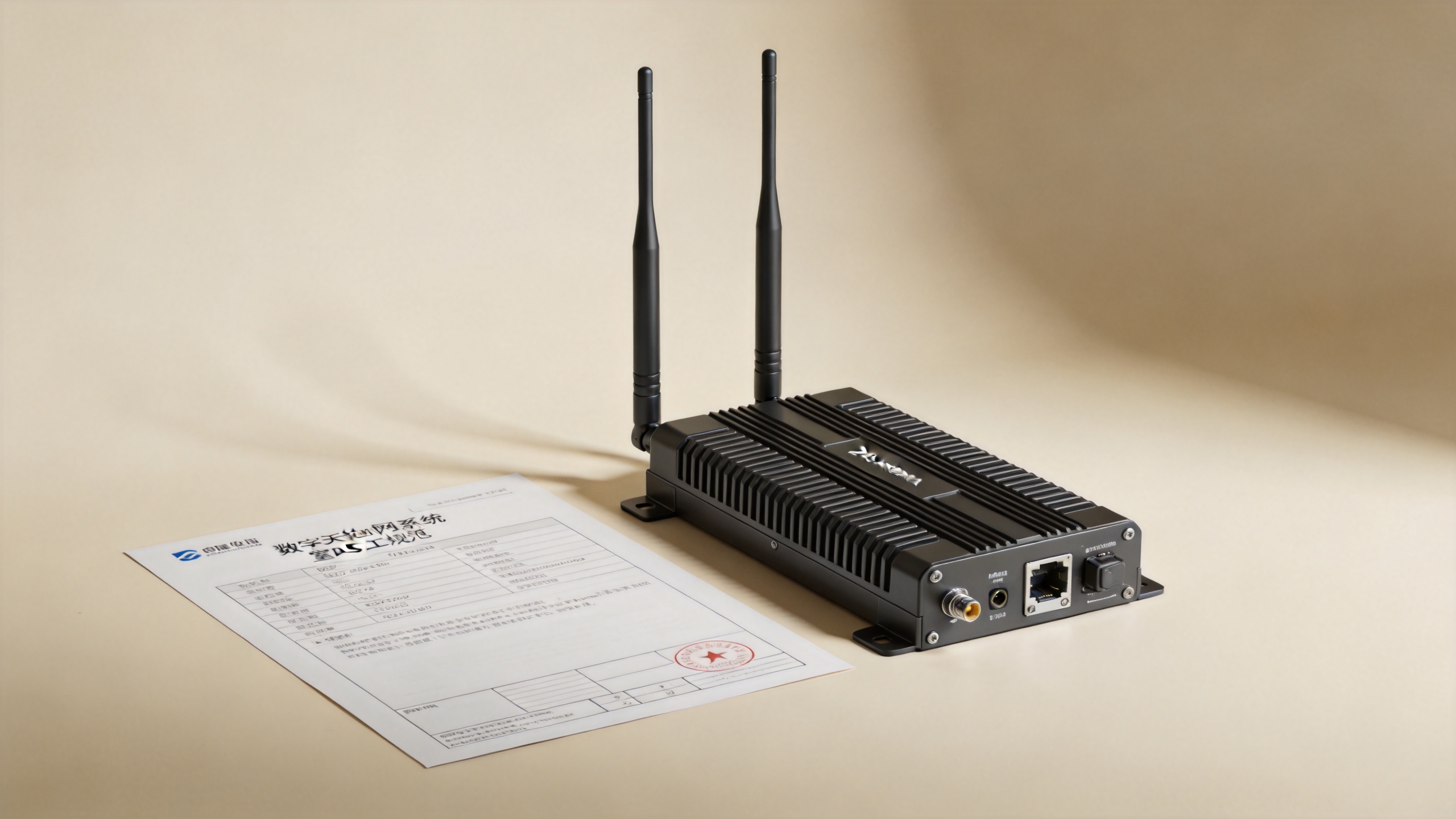
Passive Intermodulation (PIM) is the single most scrutinized specification in modern DAS antenna procurement. PIM arises when two or more carrier signals interact with non-linear passive components—connectors, antenna radiators, or cable terminations—generating interference products at frequencies that land inside receive bands.
For 5G NR deployments, the industry standard benchmark is PIM ≤ −150 dBc measured at 2×43 dBm. Most commercial-grade DAS antennas targeting 5G compliance specify −153 dBc as their standard rating, while premium products push to −163 dBc. If a datasheet does not explicitly state the test power level alongside the PIM figure, treat the rating as unverified—test methodology matters as much as the number itself.
In practice, confirm three things when reviewing a vendor's PIM specification: the test frequency combination matches the bands in your deployment plan; the measurement conforms to IEC 62037 or an equivalent industry standard; and the rating is stated for third-order intermodulation products (IM3), which are the most problematic in cellular band coexistence scenarios.
Parameter 2: Frequency Range Coverage
A 5G-ready antenna das component in any digital antenna system must cover the full operating band of your deployment, including legacy 4G LTE bands that continue to carry voice and IoT traffic. The baseline requirement for most multi-operator 5G NR sub-6 GHz indoor deployments is 698–6000 MHz, which maps to:
- 700 MHz / Band 28 / B17 — LTE coverage layer
- 850–900 MHz — regional 5G NR and LTE bands
- 1700–2100 MHz — AWS and PCS bands in North American deployments
- 2500–2700 MHz — LTE Band 41, 5G NR n41
- 3300–3800 MHz — 5G NR primary mid-band (n77/n78)
- 4900–6000 MHz — 5G NR upper mid-band and CBRS
A product covering only 700–2700 MHz will leave 5G NR mid-band and upper mid-band unserved. Verify that the specified VSWR across the entire range stays within acceptable bounds—typically ≤2.0 or ≤2.3—since elevated VSWR outside the primary design band indicates that the antenna is not reliably radiating at those frequencies.
Parameter 3: MIMO Port Configuration
5G NR relies on spatial multiplexing to achieve the throughput improvements promised over LTE. In a passive digital antenna system, the antenna port count directly determines how many independent spatial streams can reach the DAS remote unit. For a 5G-capable installation, you need to understand whether the antenna supports 2T2R or 4T4R MIMO.
A 2T2R (dual-port) configuration is adequate for 4G LTE deployments and provides backward compatibility, but it caps 5G NR at two spatial streams. A 4T4R (four-port) configuration enables four simultaneous spatial layers, supporting the higher-order MIMO gains that 5G NR mid-band deployments are designed to deliver. When evaluating an omni mimo antenna for a large indoor venue or commercial building, confirm that port isolation between MIMO paths meets ≥25 dB to prevent cross-path interference that would negate the spatial multiplexing gain.
Think of a 2T2R antenna as a two-lane road: it handles current traffic efficiently, but 5G NR traffic volume will eventually expose the constraint. A 4T4R configuration starts with four lanes and keeps headroom for higher-order MIMO throughput.
Parameter 4: Connector Interface Standards
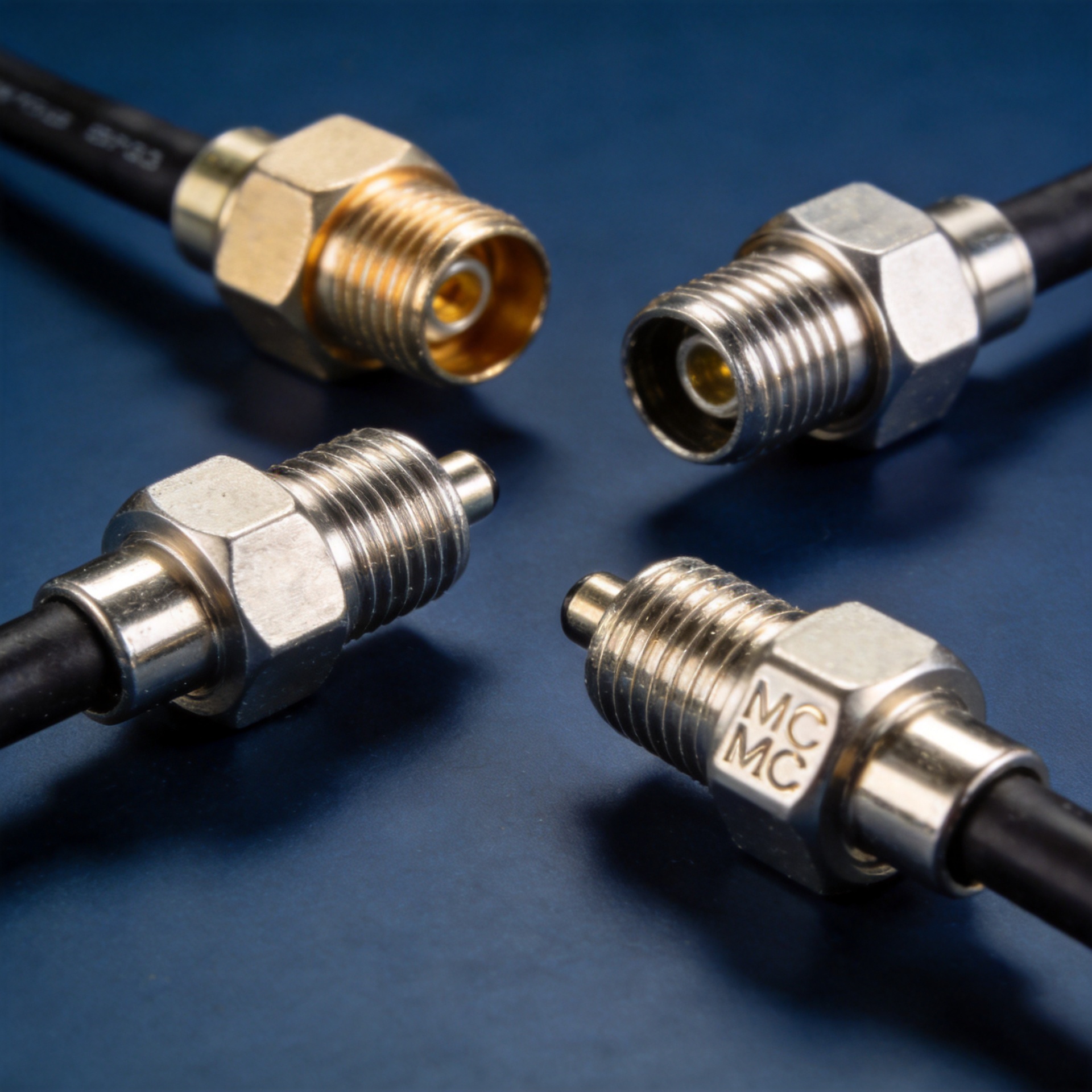
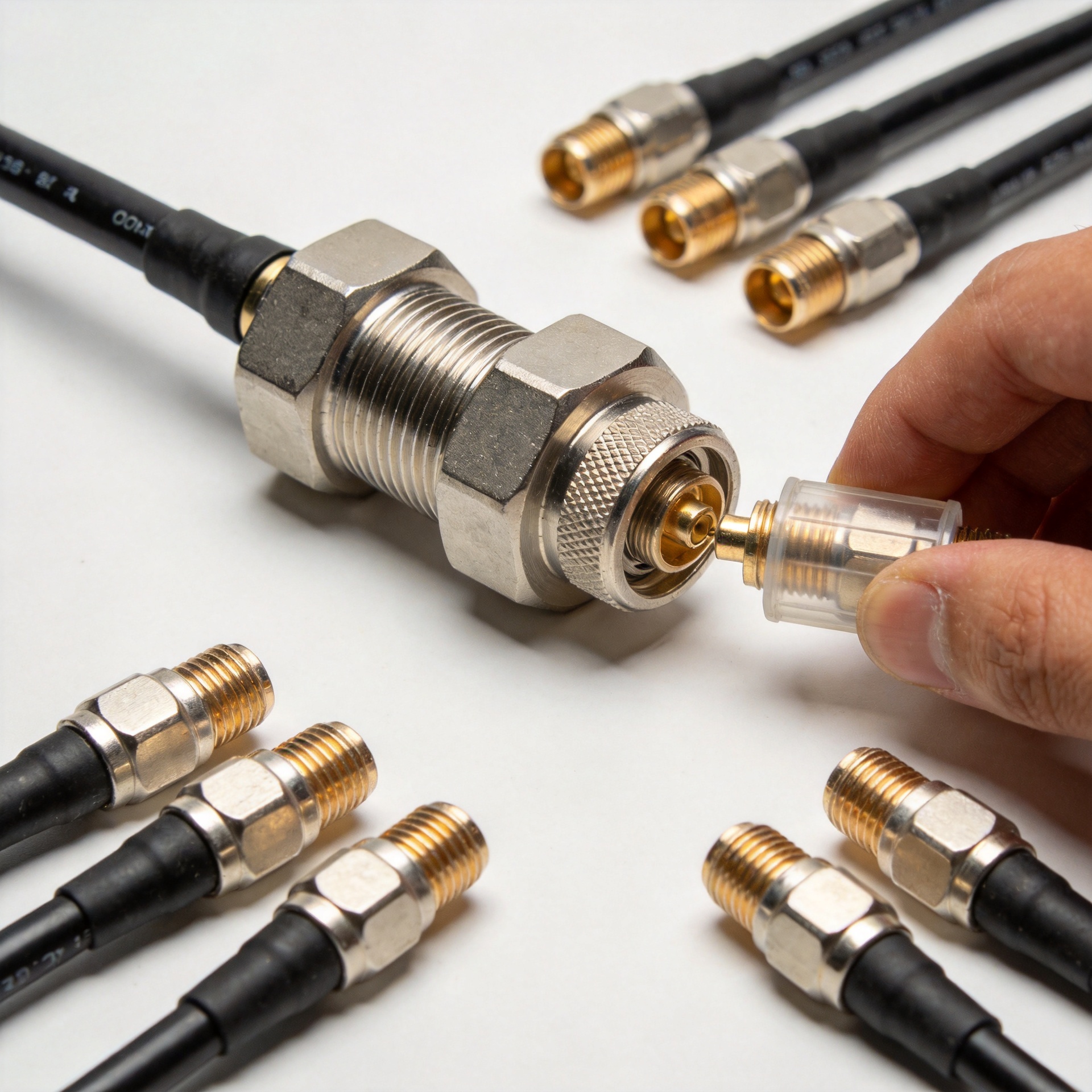
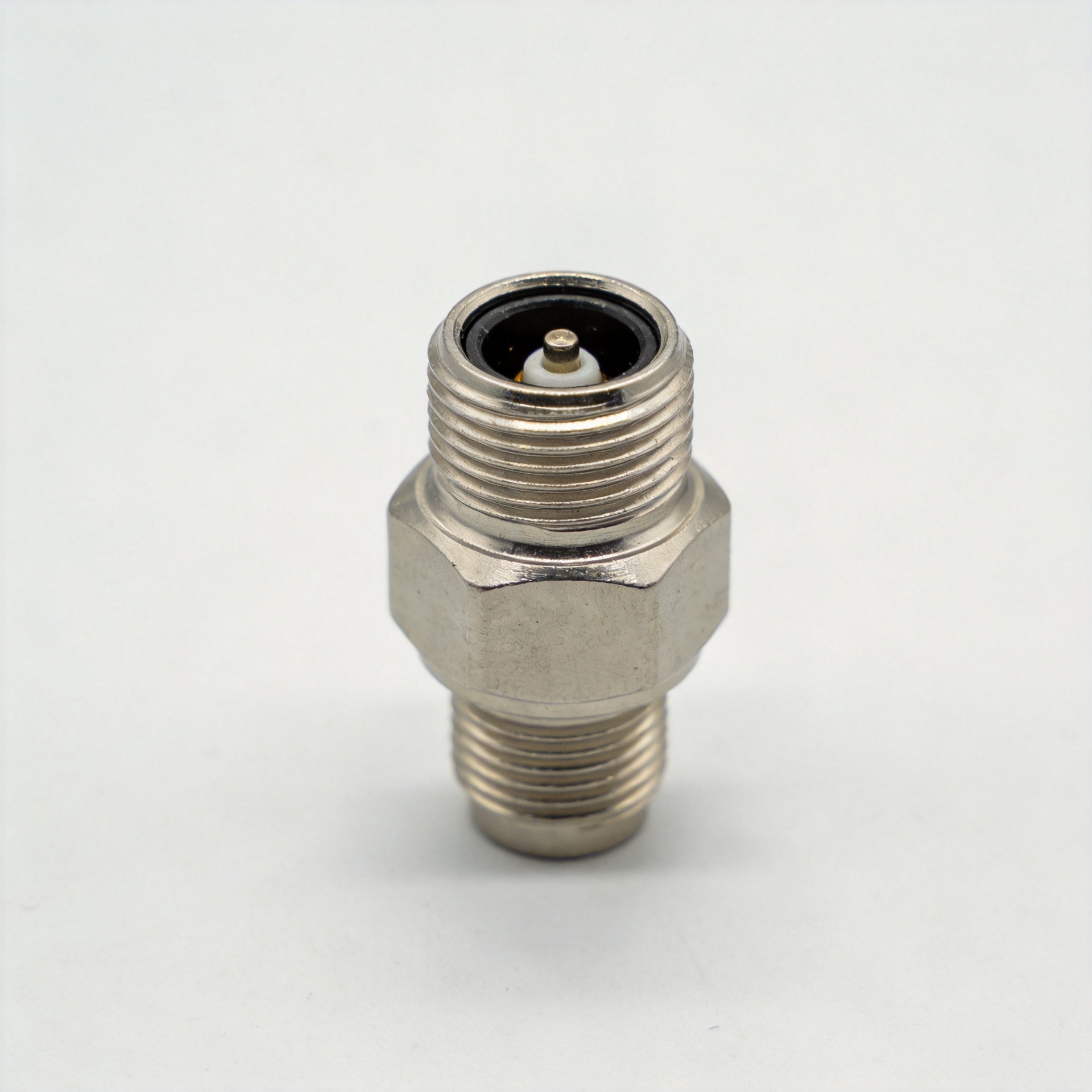
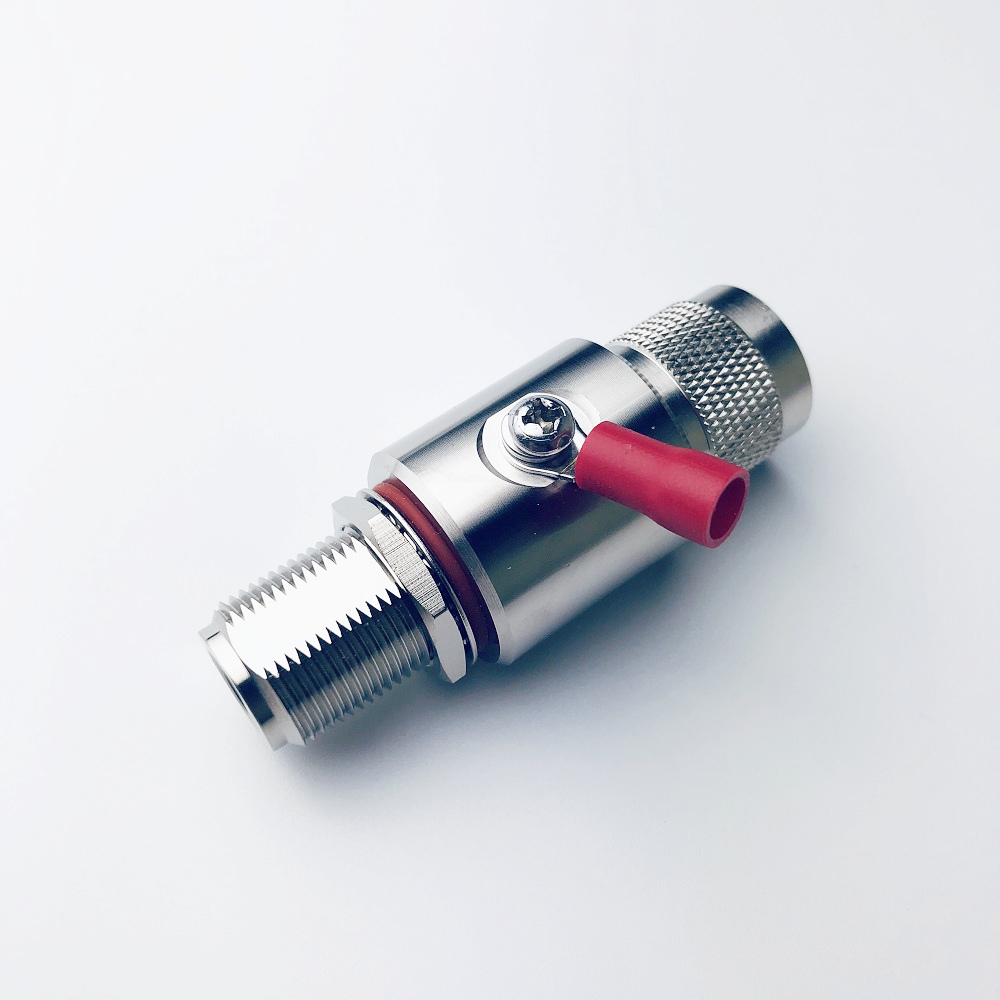
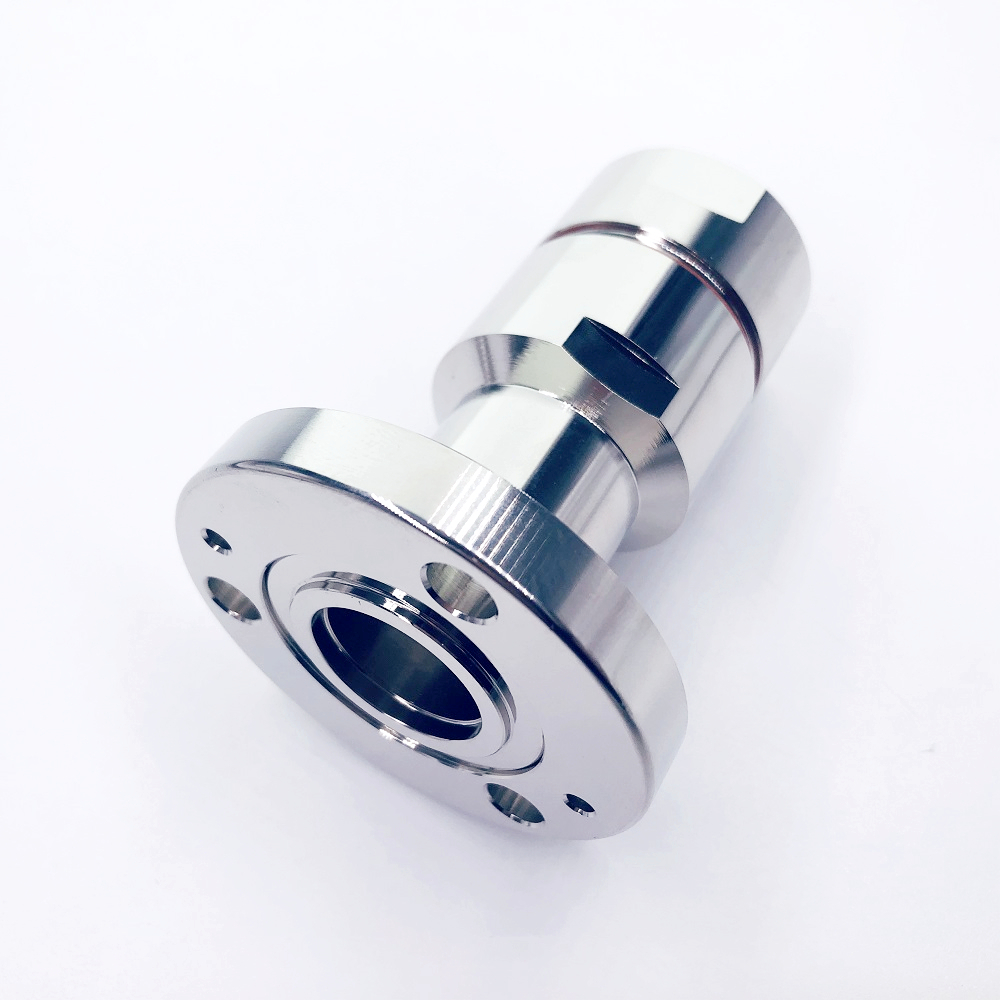
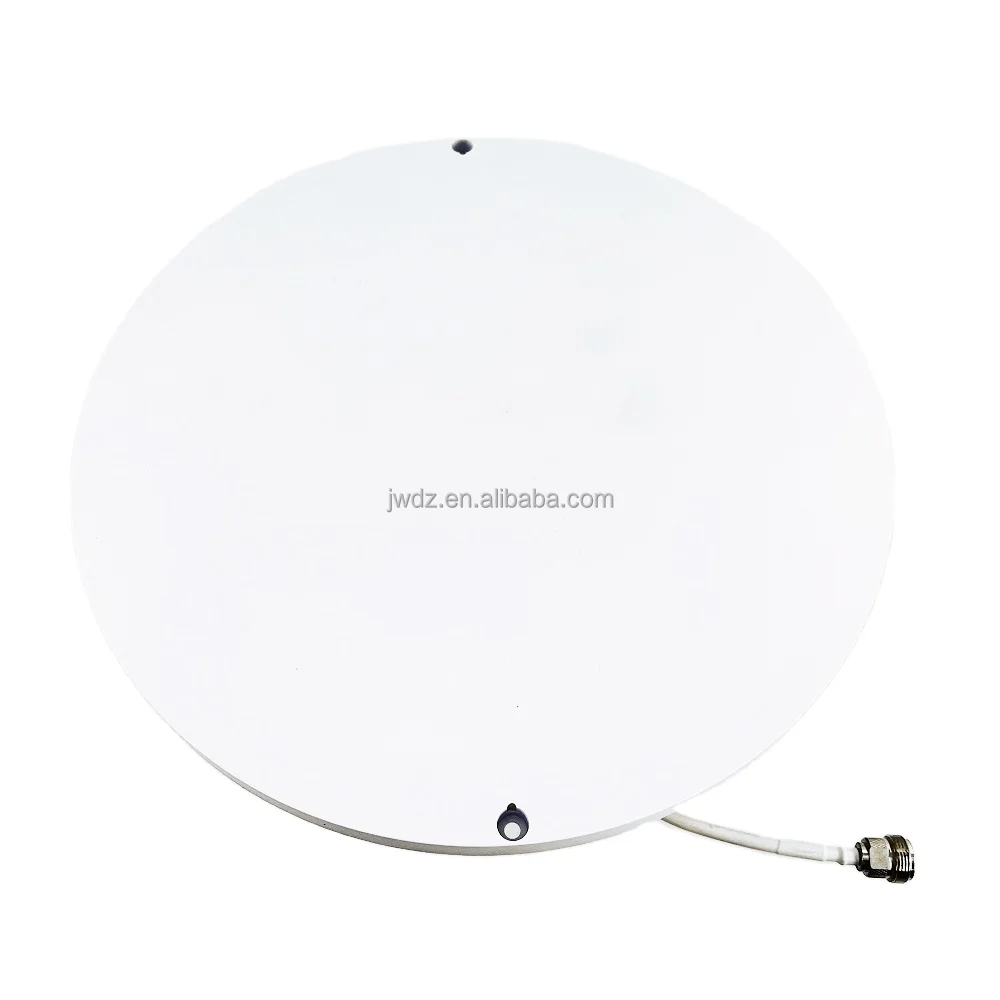
For passive digital antenna system distribution networks, the N-Female connector is the standard interface for indoor antenna das nodes. N-type connectors provide the mechanical stability, low-loss performance, and weatherproofing capability required in professional RF infrastructure. When reviewing a datasheet, confirm the following: connector type and gender at the antenna port; thread specification (N-type, 7/16 DIN, or other); and plating material (silver, gold, or nickel), which affects long-term contact resistance at the interface.
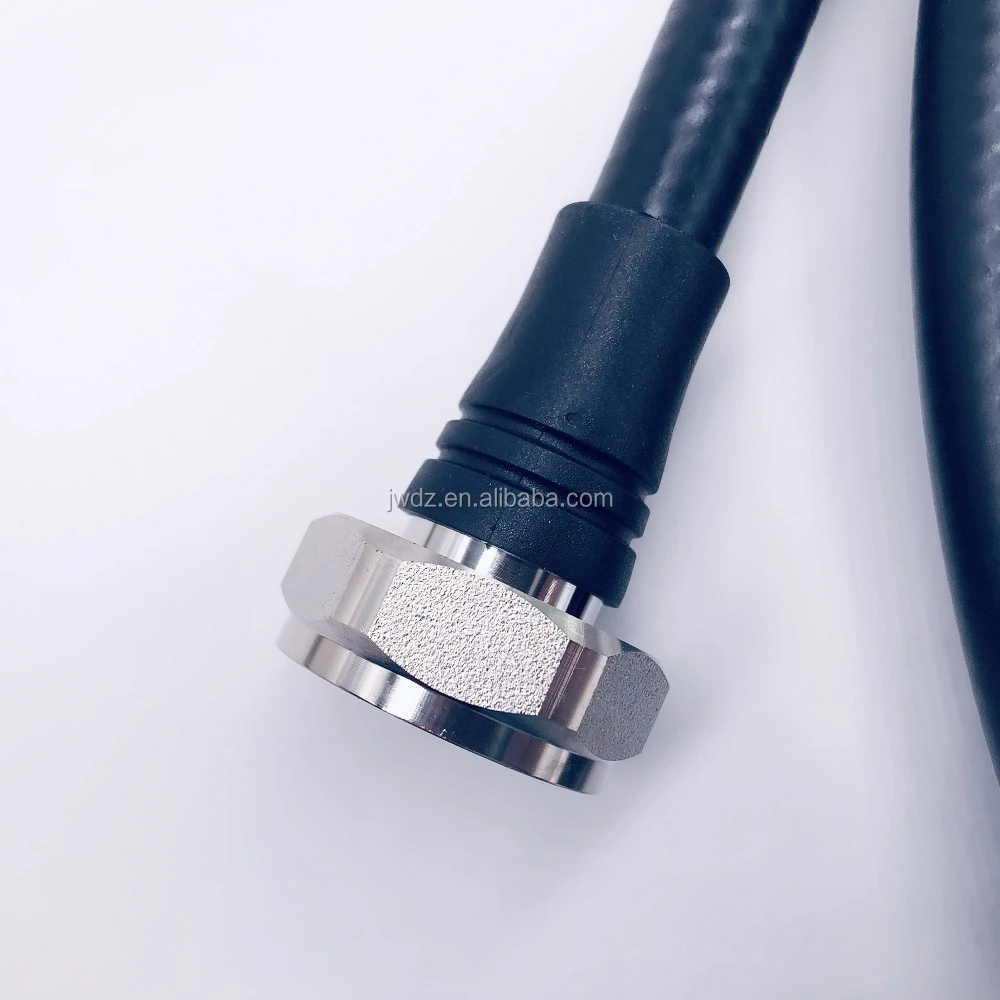
Component-to-ecosystem compatibility—making sure a single antenna interfaces cleanly with cables, combiners, and remote units from different vendors—requires that connector specifications match across the entire BOM. Substituting a non-standard connector in a passive DAS to save cost is one of the most common sources of PIM degradation after installation, because connector quality directly influences the passive intermodulation performance of the assembled system.
A Practical Specification Checklist
Before approving any antenna das component for use in a digital antenna system deployment, run the following checklist against the supplier's datasheet:
| Parameter | Minimum Acceptable | Target Specification |
|---|---|---|
| PIM (3rd order, 2×43 dBm) | ≤ −150 dBc | ≤ −153 dBc |
| Frequency range | 698–6000 MHz | 617–6000 MHz (public safety bands included) |
| VSWR across band | ≤ 2.3 | ≤ 2.0 |
| MIMO configuration | 2T2R (LTE baseline) | 4T4R (5G NR ready) |
| MIMO port isolation | ≥ 20 dB | ≥ 25 dB |
| Connector type | N-Female | N-Female, silver-plated |
| PIM test standard cited | IEC 62037 or equivalent | IEC 62037 with test frequencies specified |
Any supplier that cannot provide the test power level, measurement standard, and frequency conditions alongside the PIM figure should be treated as unable to confirm compliance, regardless of the headline number on the datasheet.
Matching Antenna Specifications to Your DAS Architecture
These evaluation parameters apply across digital antenna system topologies regardless of whether the architecture is active, passive, or hybrid. In antenna das installations with omni mimo indoor nodes, the interaction between PIM, frequency coverage, and MIMO configuration determines end-to-end system quality.
To frame this more concretely: The practical priority weighting shifts by deployment type. In a passive digital antenna system with long feeder runs, PIM and connector quality carry the most risk because intermodulation products accumulate along the distribution path. In an active DAS or remote radio unit installation, frequency range and MIMO port count become the dominant specification considerations because the signal processing happens closer to the antenna element.
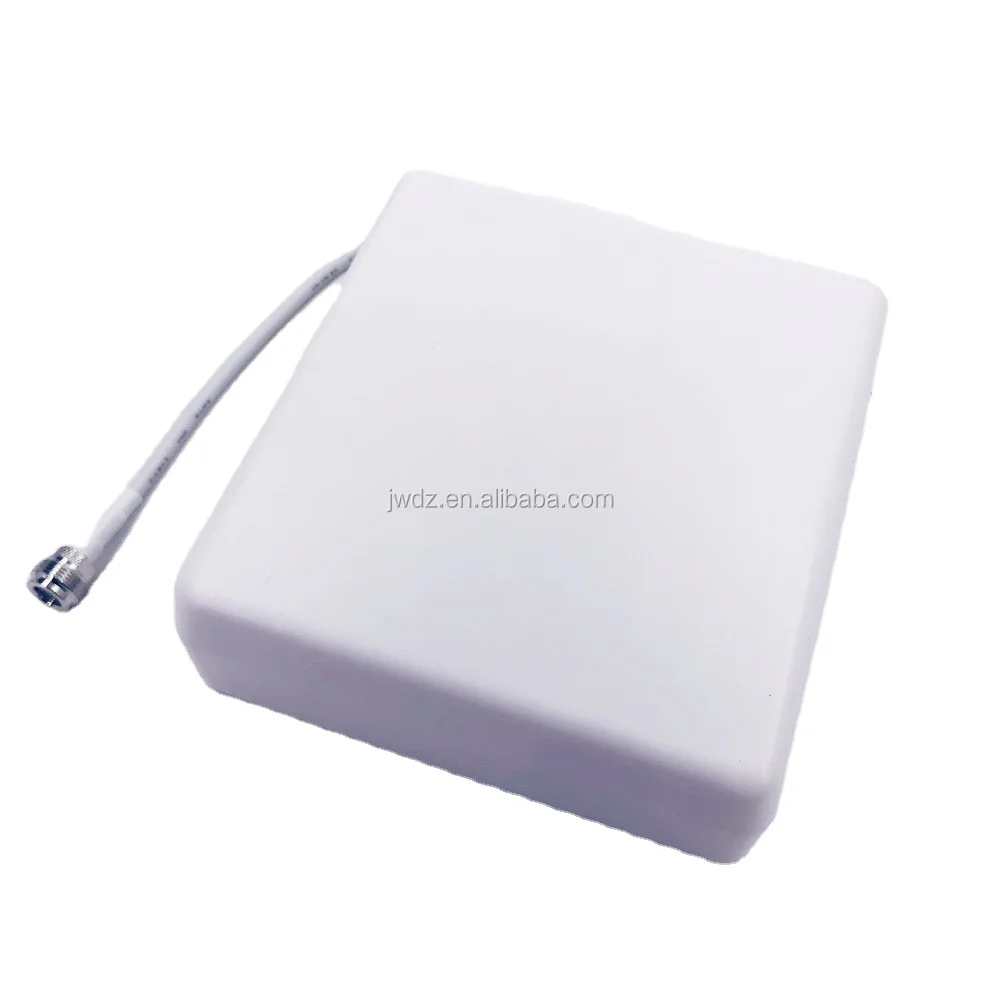
Zhenjiang Jiewei Electronic Technology Co., Ltd. supplies a range of indoor DAS antennas designed to meet these specification requirements for 5G deployments. The 380–6000MHz Low PIM Indoor MIMO Omni Antenna With N-Female Connector covers a wide frequency range with a MIMO omni mimo configuration and a standard N-Female interface suited to passive DAS infrastructure. For outdoor IBS or panel antenna requirements in 5G DAS deployments, the 5G 698–3800 MHz RF High Gain Outdoor Panel Antenna for IBS DAS provides directional coverage for building facade or tunnel deployment scenarios.
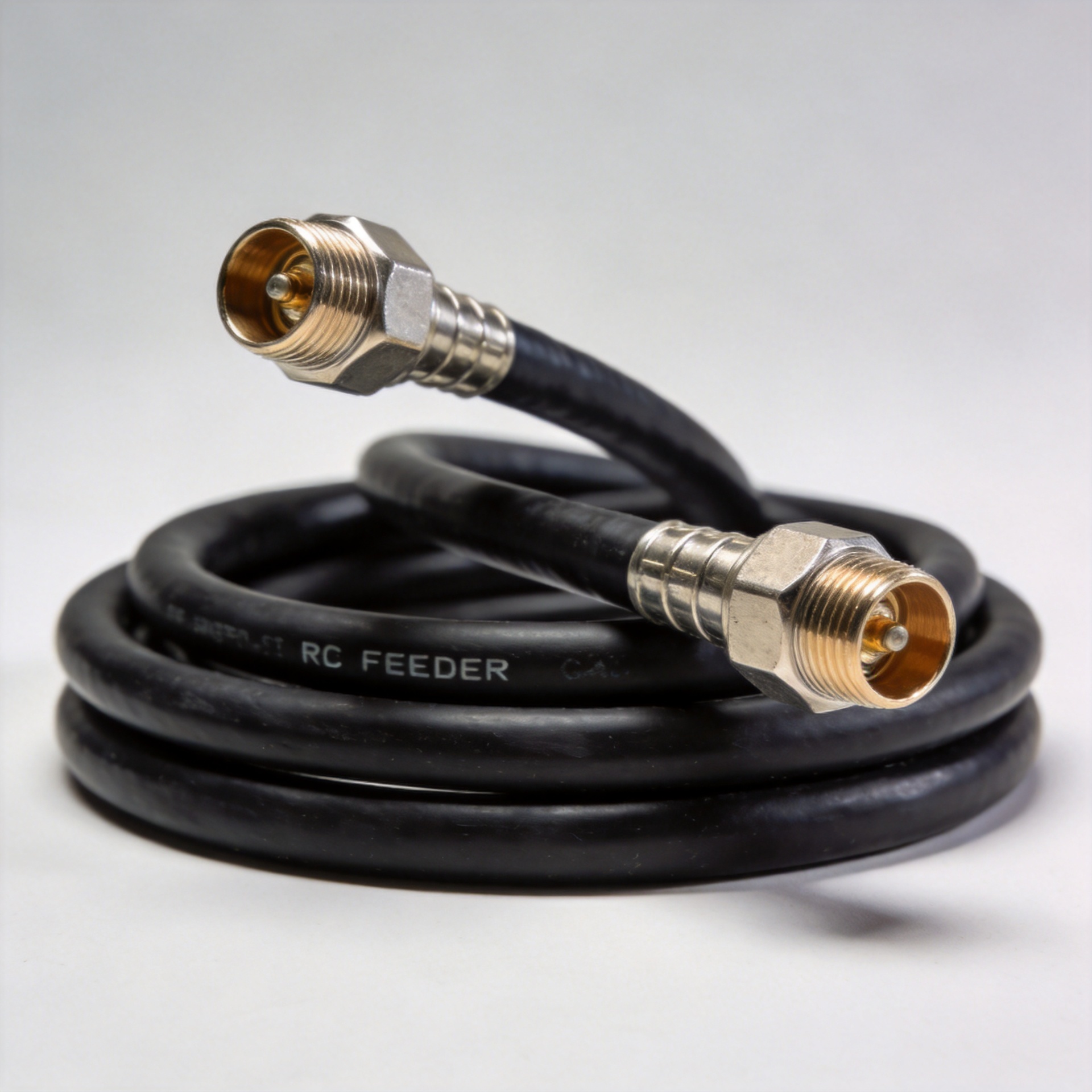
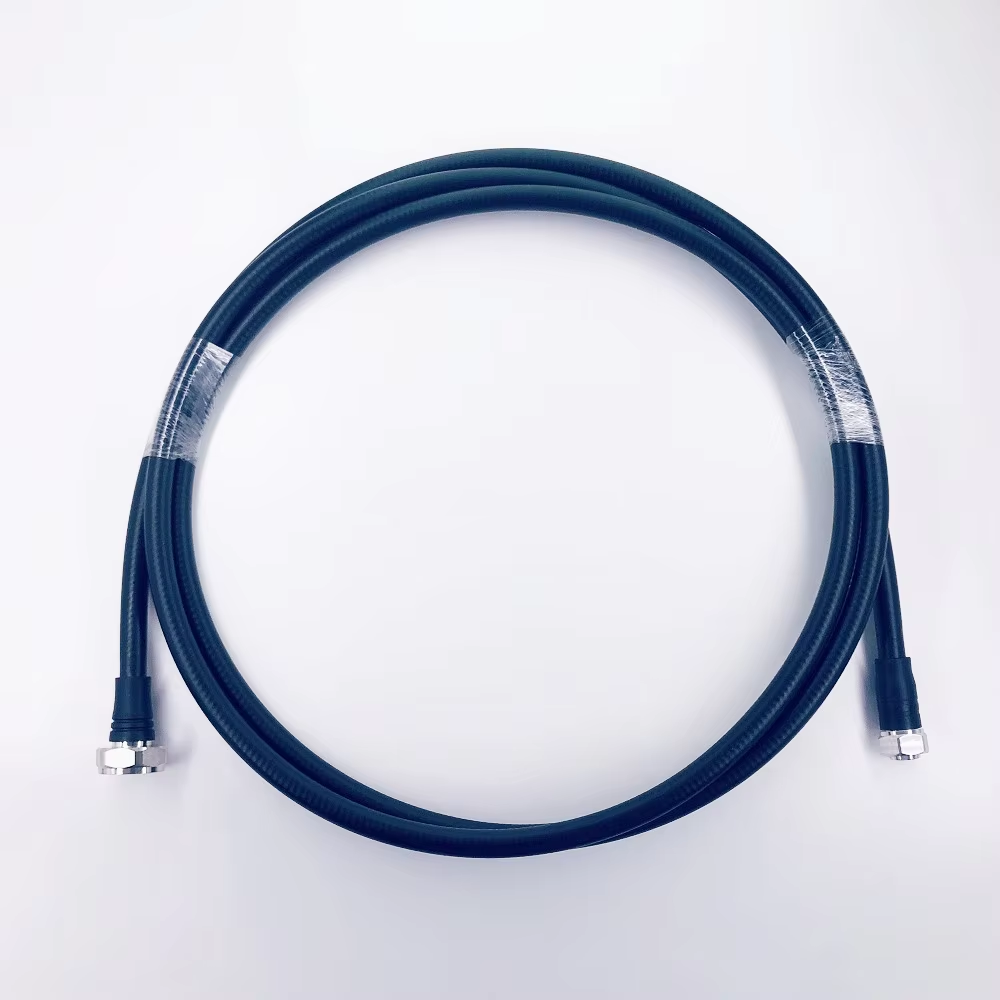
With 25 years of focused manufacturing experience in RF connectors, feeder cables, cable assemblies, and loads for the telecom industry, Jiewei covers the full RF interconnect BOM for DAS deployments—enabling procurement teams to consolidate multi-component sourcing at a single qualified manufacturer with direct factory traceability.
Conclusion
Evaluating a digital antenna system—whether a passive antenna das node, an omni mimo indoor antenna, or a directional panel—for 5G deployments is not a matter of finding the lowest-cost component that approximately meets the frequency range requirement. It requires a structured review of PIM rating methodology, frequency coverage verification against your deployment band plan, MIMO port configuration aligned to your 5G NR architecture, and connector interface compatibility across the full passive distribution BOM. Use the checklist above as your first filter before engaging any supplier quotation, and require documented test conditions—not just headline numbers—before approving a component for deployment.