EN
EN

Low Loss Coaxial Cable Wholesale: Factory Direct 1/2 Inch Flexible Feeder Cable and LMR400 Series
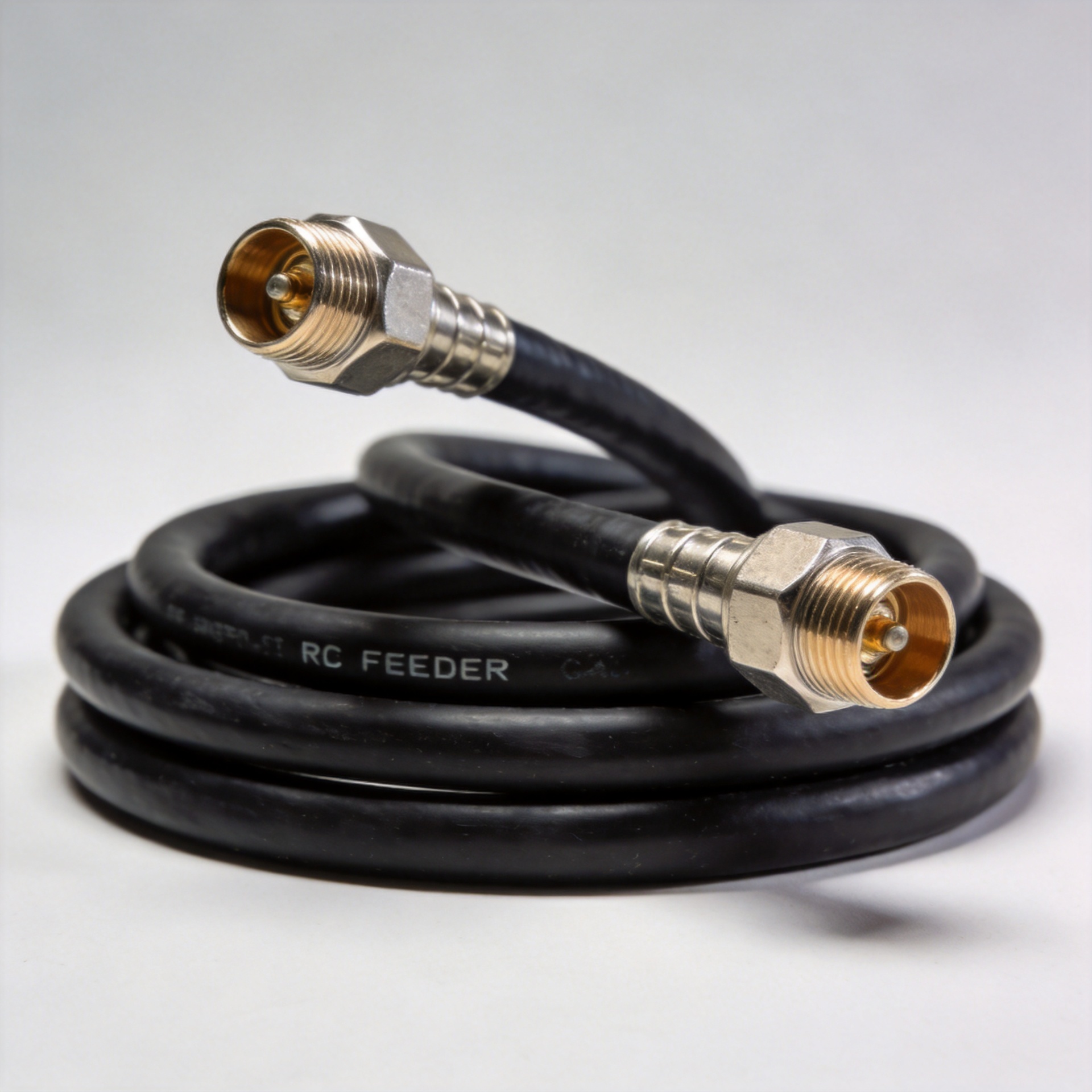
When you're building a procurement case for bulk coaxial cable (whether for a base station rollout, a distributed antenna system, or a broadcast infrastructure project), the choice between an LMR 400 cable equivalent and a 1/2 inch flexible feeder cable isn't simply a spec sheet exercise. It's a decision that affects your installation timeline, rework exposure, and long-term link budget. This overview covers what matters most from a factory-direct sourcing perspective, including OEM customization options, MOQ thresholds, test documentation formats, and the qualification questions worth asking any RF coaxial cable manufacturers before placing a wholesale order.
LMR 400 Cable: Core Specifications and Deployment Fit
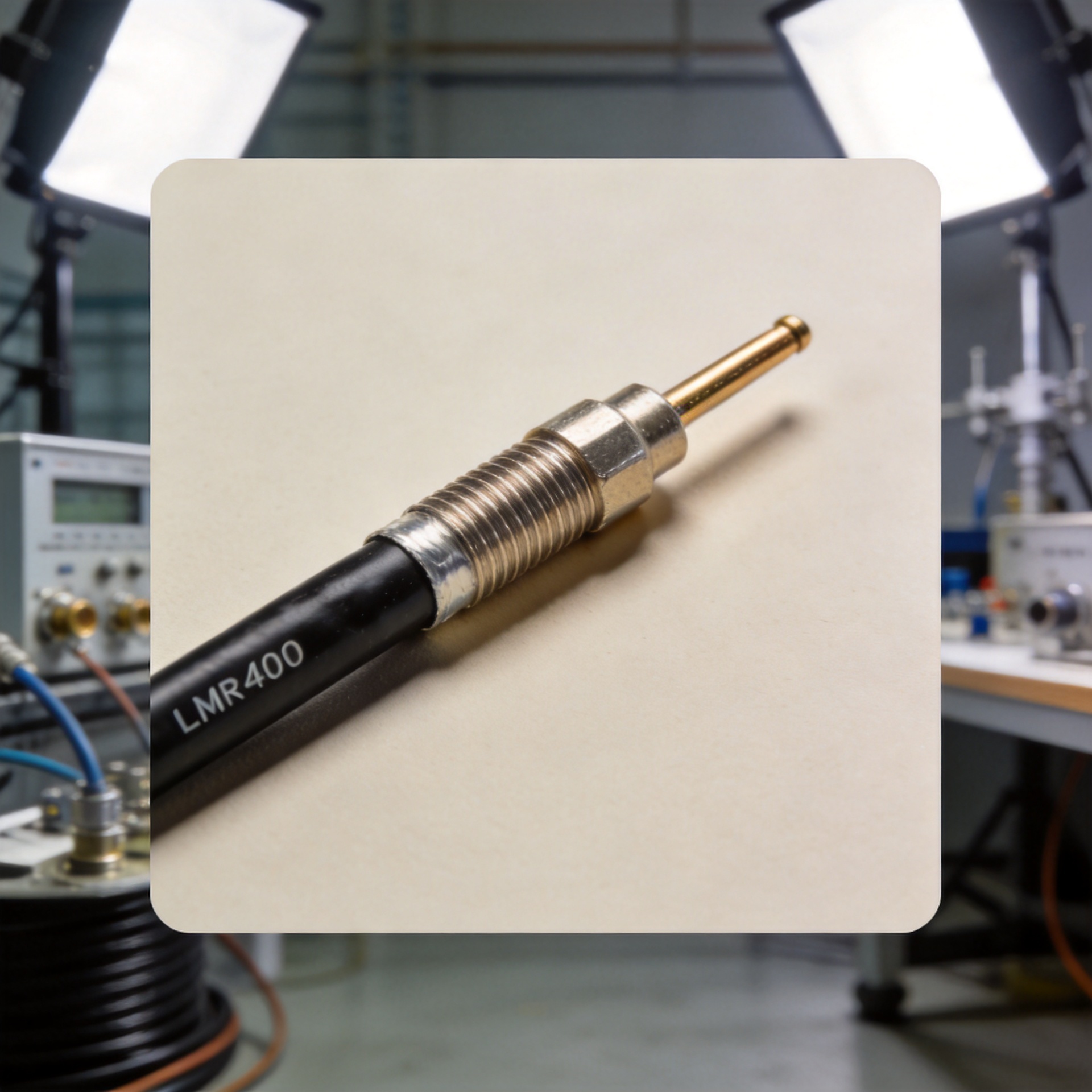
The LMR 400 cable is a 50-ohm, low-loss flexible coaxial cable operating from DC to 6 GHz. Its attenuation profile is approximately 2.7 dB per 100 feet at 450 MHz and 6.6 dB per 100 feet at 2.4 GHz, making it a widely specified option for runs up to roughly 25–30 meters where routing flexibility is a priority at the installation point.
Power handling is a relevant procurement spec for active transmit paths: the lmr 400 platform is rated at approximately 2,100W at 30 MHz and 380W at 900 MHz, covering typical base station feeder loads without thermal derating under most deployment conditions. The UV-resistant polyethylene outer jacket supports outdoor rooftop and tower installations in most climate zones without additional conduit protection.
Where LMR 400 cable fits well: rooftop-to-equipment room runs under 25 meters, DAS trunk cables in commercial buildings, and laboratory or test bench interconnects that require repeated flexing. Where it approaches its limit: long fixed-routing runs from antenna mast to ground-floor equipment rooms, where cumulative signal loss starts pressuring link budget margins.
1/2 Inch Flexible Feeder Cable vs LMR 400 Cable: A Procurement Comparison
When evaluating LMR 400 cable against 1/2 inch flexible feeder cable, including HCAAY series and LDF4-50A equivalents, the attenuation difference becomes the primary variable for runs beyond 20 meters.
| Specification | LMR 400 Cable | 1/2" Flexible Feeder (HCAAY / LDF4) |
|---|---|---|
| Impedance | 50 Ohm | 50 Ohm ±1 Ohm |
| Attenuation @ 450 MHz | ~2.7 dB/100ft | ~1.5 dB/100ft |
| Attenuation @ 900 MHz | ~3.9 dB/100ft | ~2.2 dB/100ft |
| Flexibility | High — suitable for tight routing | Moderate — minimum bend radius applies |
| Jacket options | Standard PE / UV-rated | Standard or flame-retardant halogen-free (LSZH) |
| Typical application | Runs under 25m, frequent bends | Long fixed runs 25–100m+ |
The 1/2 inch flexible feeder cuts signal loss roughly in half at 900 MHz relative to LMR 400 cable. On a 50-meter run feeding a 900 MHz antenna, that difference is approximately 2 dB recovered, which is meaningful in systems where every dB of margin matters. If your deployment involves fixed routing with standard bend geometry and runs exceeding 20–25 meters, the 1/2 inch feeder option typically justifies its higher per-meter cost once you factor in avoided downstream signal compensation hardware.
Conditional on your cable routing requirements: LMR 400 cable remains the more practical choice where access corridors require multiple tight bends, or where cables will be re-terminated during the system lifecycle. Neither decision is universally correct; the right call depends on the run length, routing constraints, and your link budget headroom.
OEM Customization: Cut-to-Length, Connector Options, and Jacket Specification
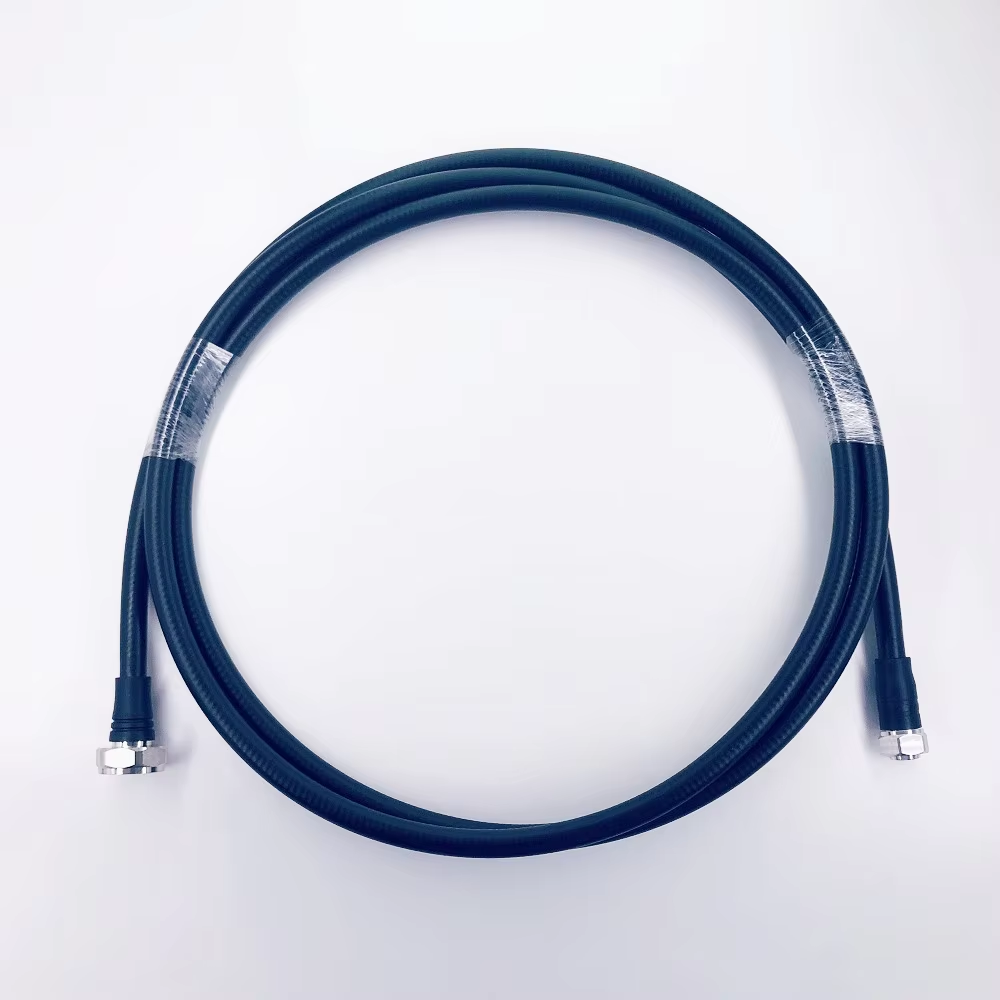
One sourcing advantage of working directly with RF coaxial cable manufacturers rather than distributors is specifying cable length, connector interface, and jacket material as part of the original order. Standard factory OEM options available on both LMR 400 cable equivalents and 1/2 inch flexible feeder cable include:
- Cut-to-length production: Meter-segment or custom reel lengths, eliminating on-site cutting waste and reducing installation labor overhead on large-scale deployments.
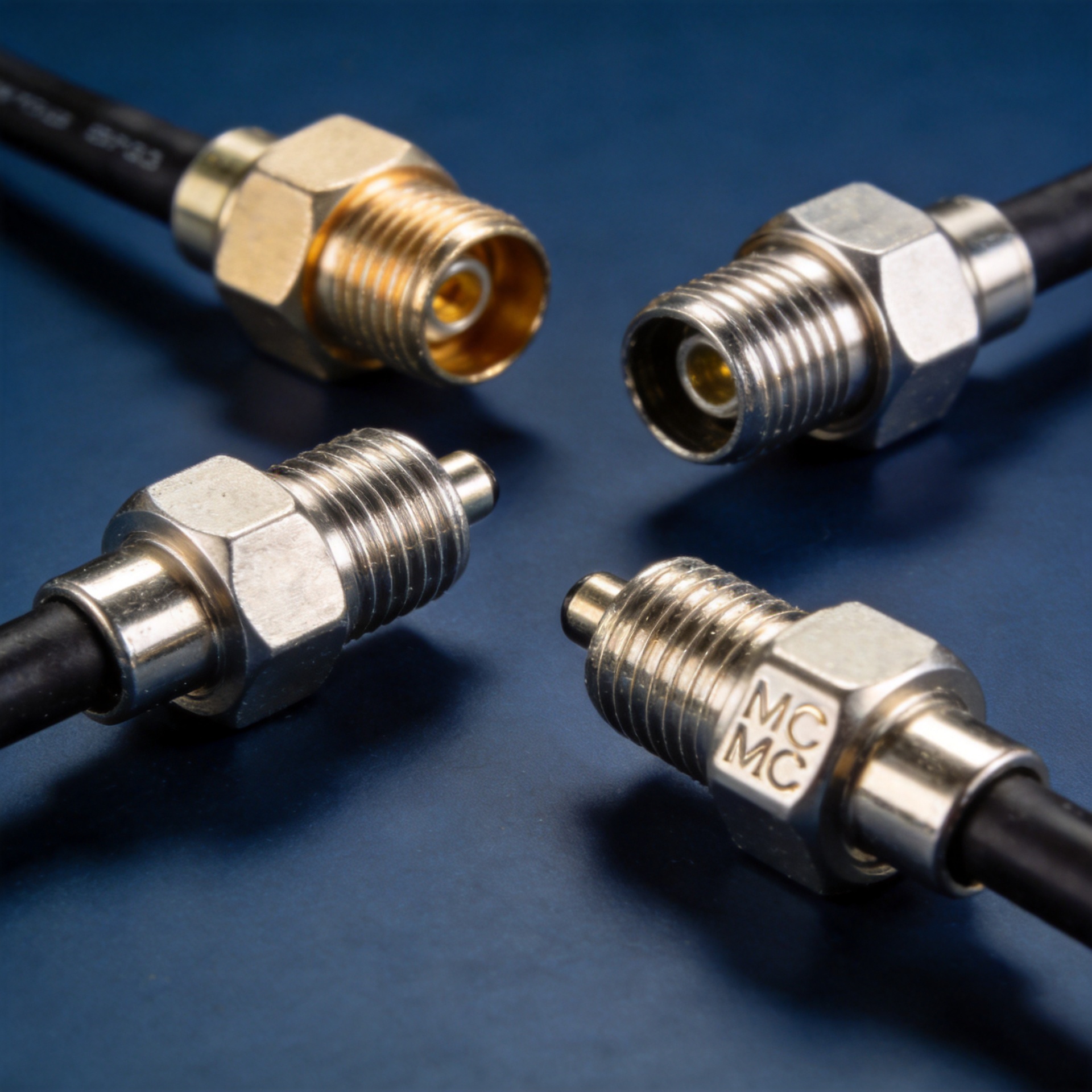
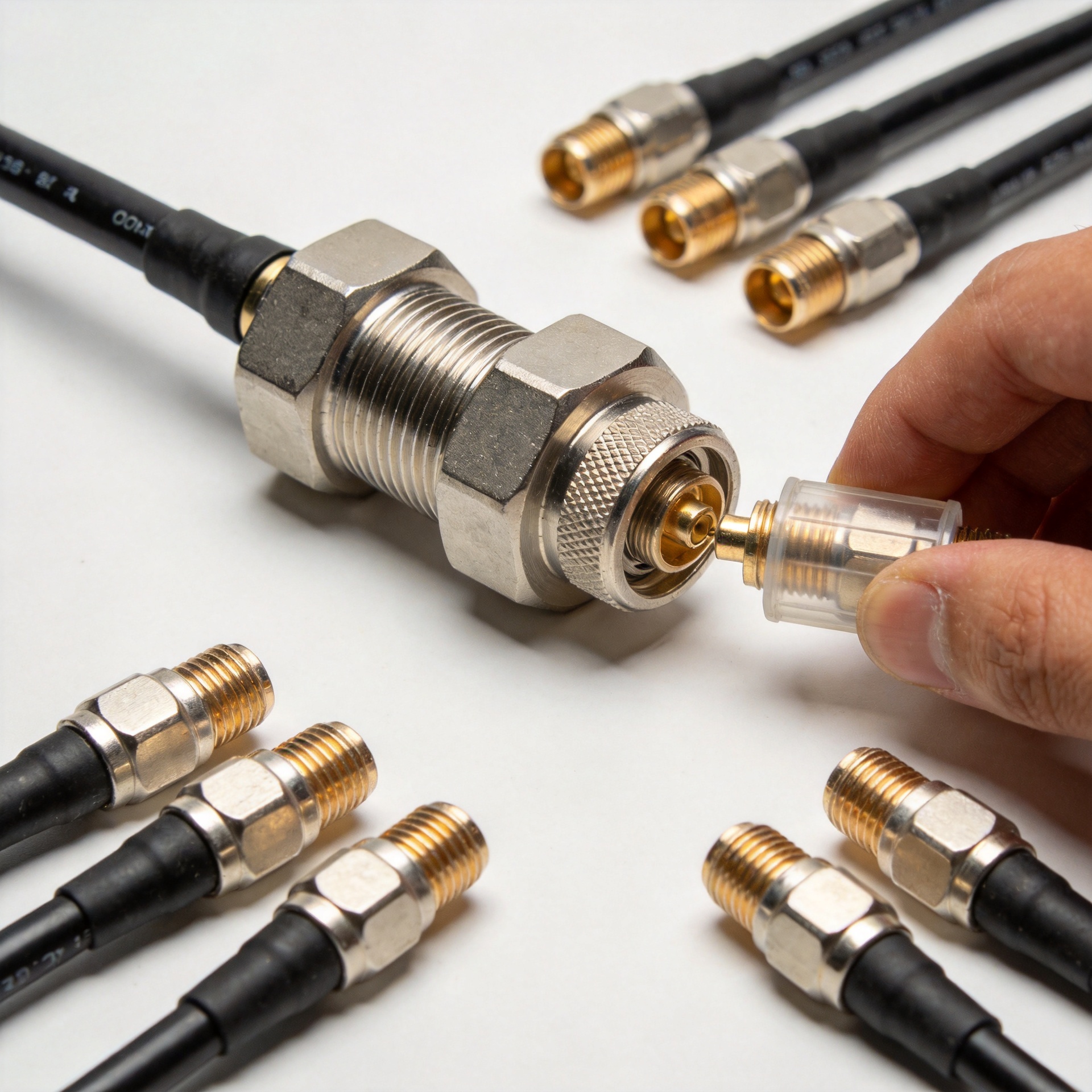
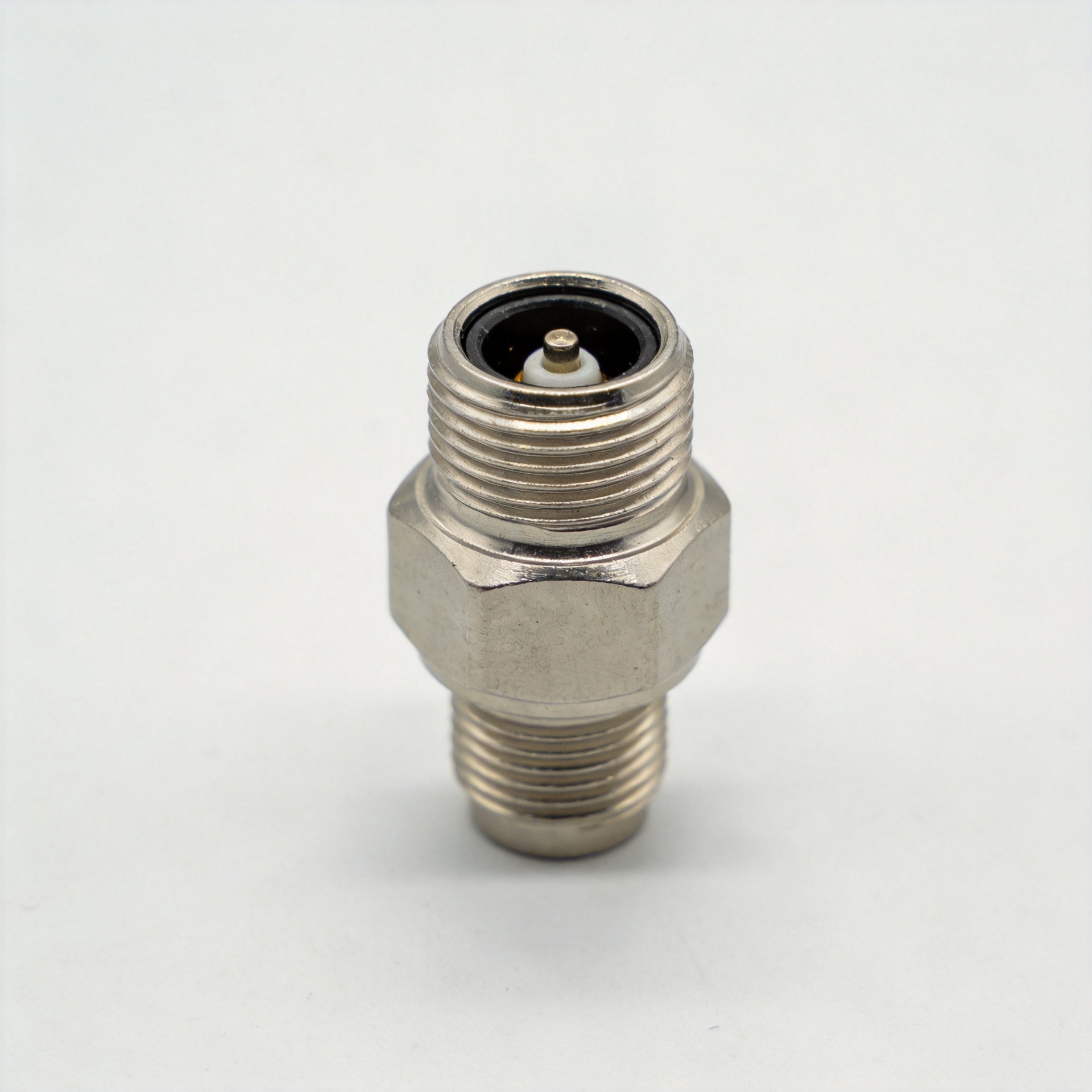
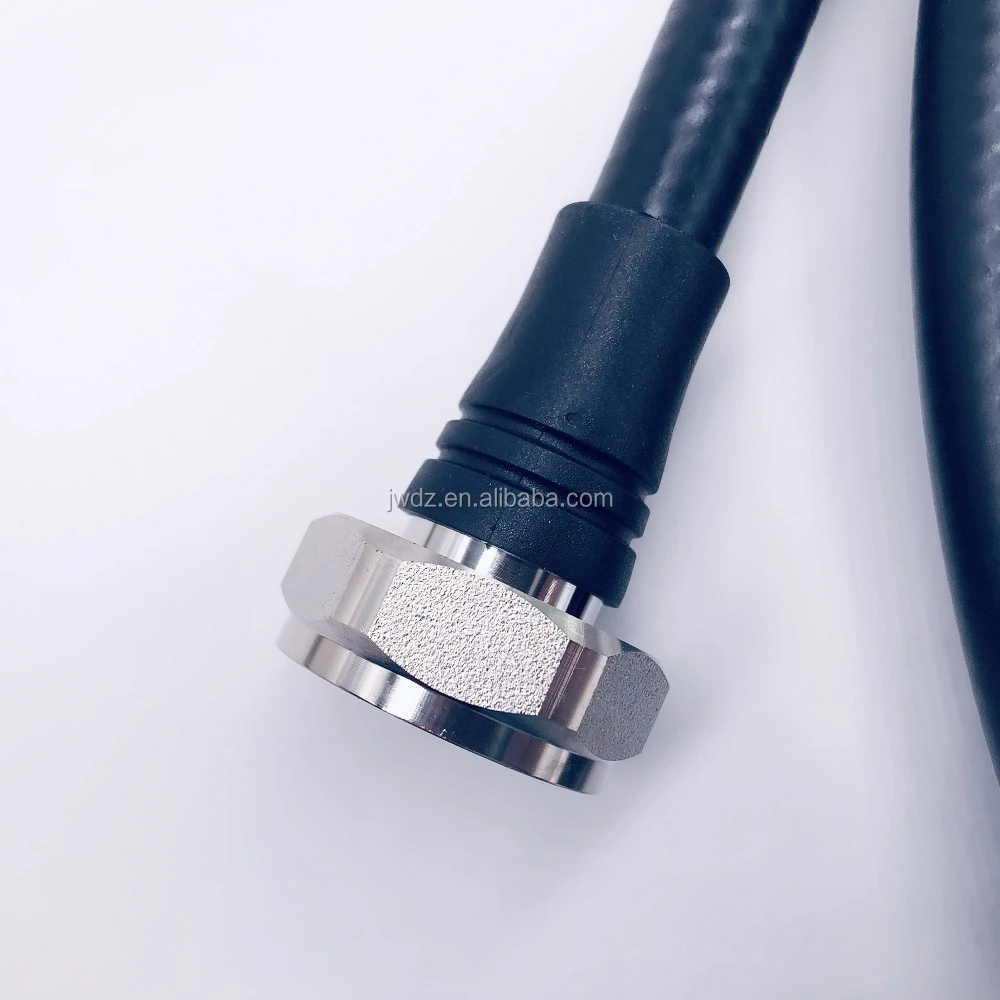
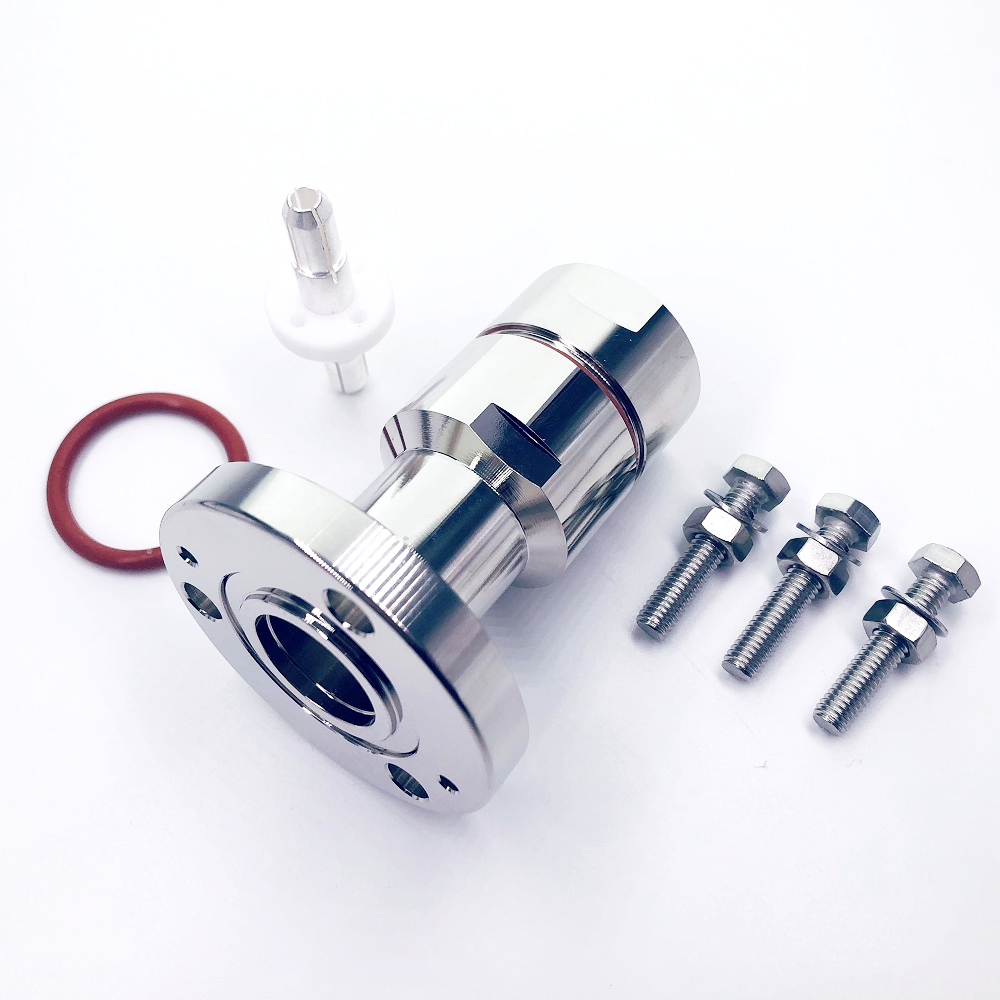
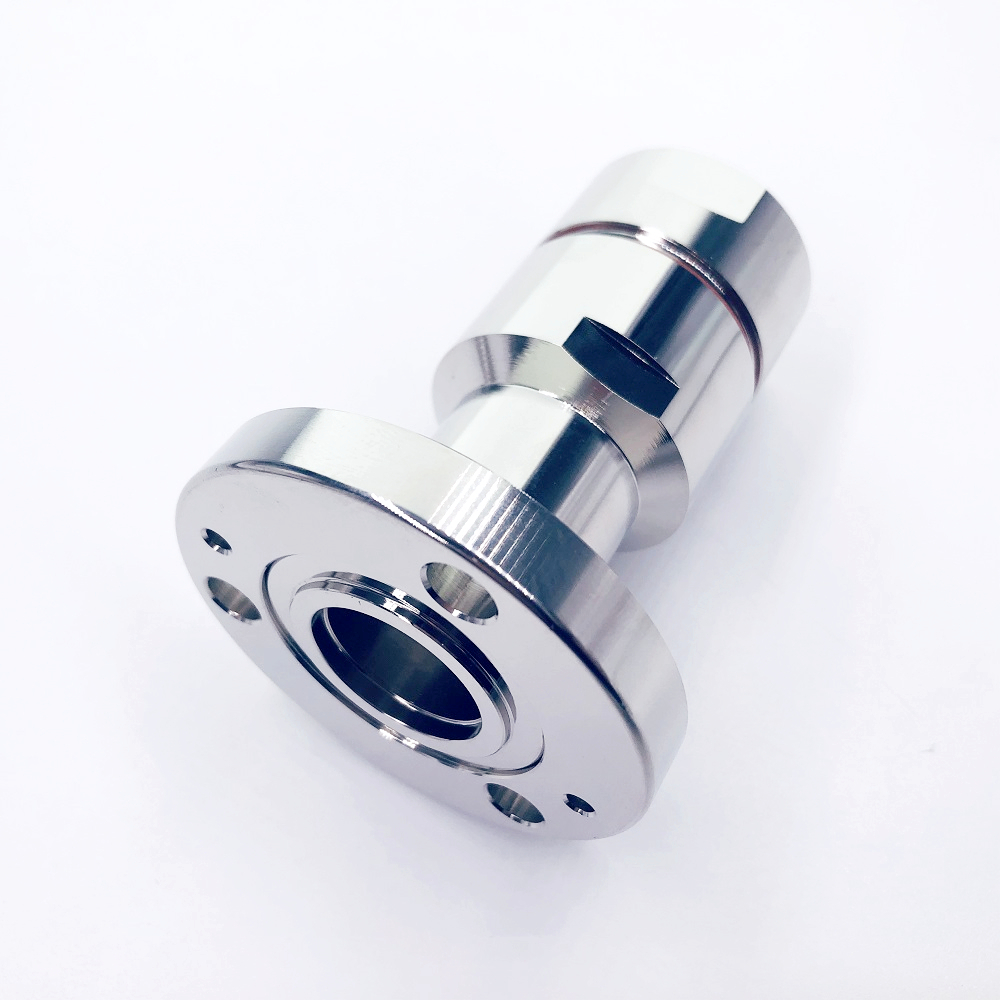
- Connector combinations: N-type, DIN 7/16, TNC, SMA, and other RF interface standards available as factory-terminated assemblies or bare cable for field termination workflows.
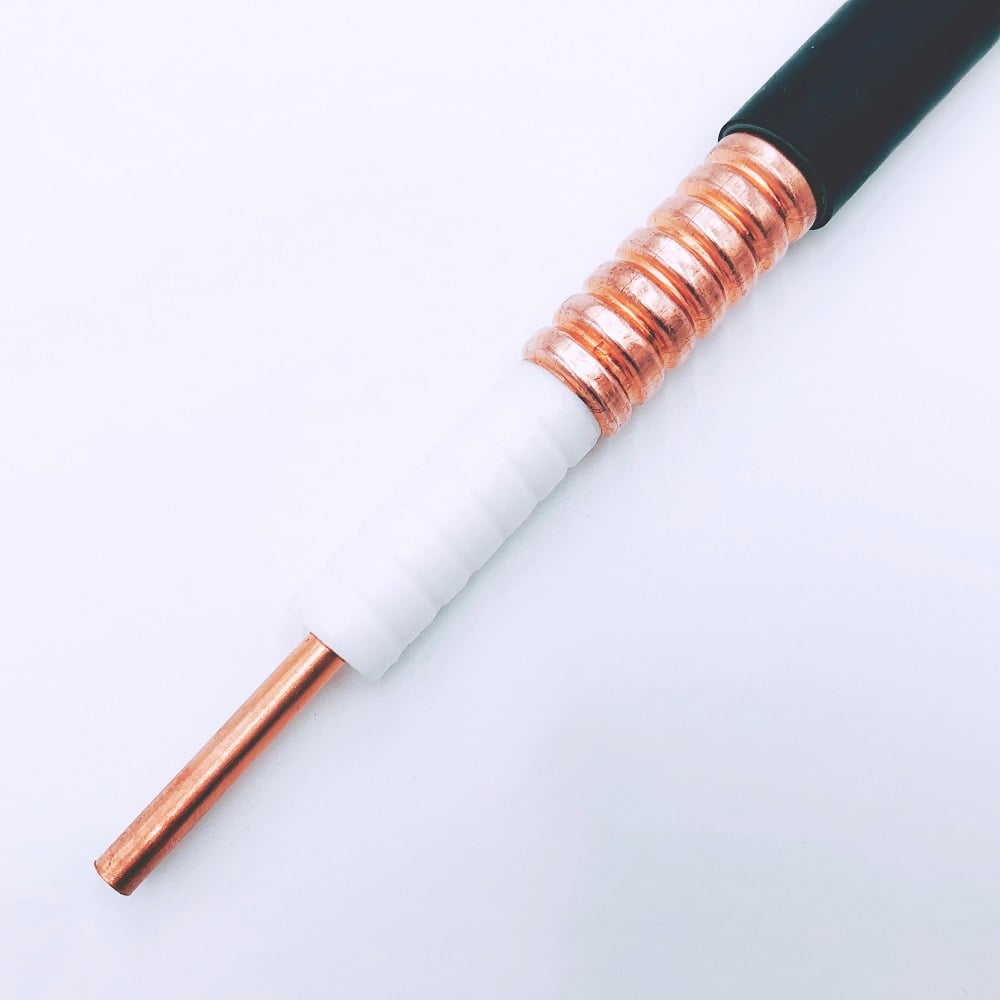
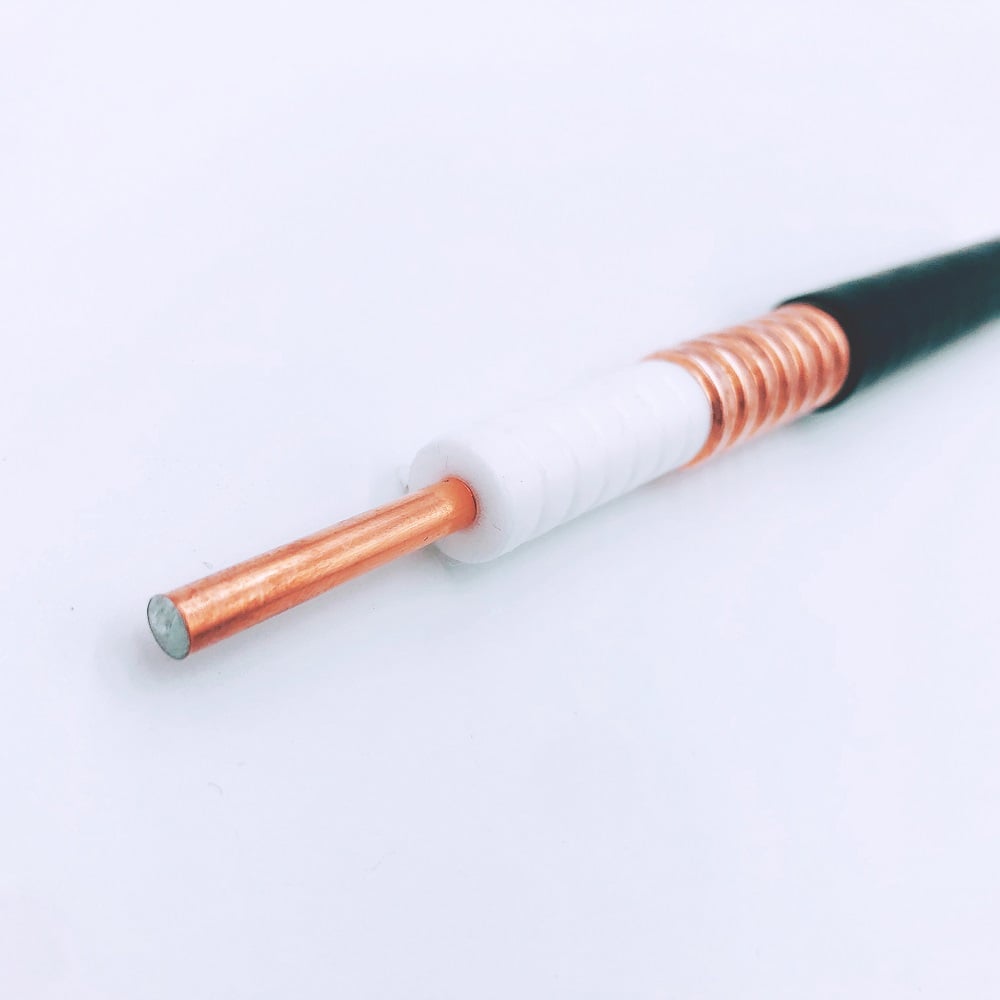
- Flame-retardant halogen-free (LSZH) jacket: The HCAAY(Z)-50-12 variant uses a halogen-free outer jacket meeting indoor fire safety requirements for transit infrastructure, public buildings, and enclosed commercial environments. View the 1/2 inch low loss flexible feeder cable with flame-retardant halogen-free jacket.
One question worth raising with any factory at this stage: what is the actual production lead time for non-standard jacket variants, and is batch RF testing conducted separately from standard catalog items? A custom assembly vs. stock component procurement decision should factor in not just unit price but qualification timeline. Custom jacket variants typically add one to two weeks to delivery, which matters when installation windows are fixed by project handover dates.
Wholesale Procurement: MOQ, Test Reports, and Delivery Terms
For procurement teams, the operational detail behind a factory-direct claim determines whether it delivers its cost advantage in practice. Key wholesale parameters for LMR 400 cable equivalents and 1/2 inch flexible feeder cable sourced from Jiewei's production facility:
- Reel and segment MOQ: Standard reel configurations in 100m, 200m, and 500m lengths; cut-to-length minimums vary based on connector assembly complexity. Contact the factory directly for current MOQ schedules aligned to your project volume.
- Test documentation: Batch test reports covering VSWR, insertion loss, return loss, and impedance uniformity per production lot. Third-party certification documentation available upon request for key market compliance requirements.
- Lead time: Standard catalog cable ships within standard production cycles; LSZH and other custom jacket variants require additional lead time. Confirmed delivery dates available based on current production scheduling.
The upfront investment in supplier qualification—requesting batch test reports, verifying cable material traceability, confirming jacket compound certifications against your installation specification consistently proves its value. A substituted cable material that passes visual inspection but fails RF sweep testing at commissioning generates rework costs that dwarf any procurement-stage savings from skipping the qualification step.
Qualifying RF Coaxial Cable Manufacturers for Approved Vendor Lists
If you're adding a new factory-direct source for LMR 400 cable or 1/2 inch flexible feeder cable to your approved vendor list, specification comparison is only one part of the evaluation. The qualification questions that matter most in practice:
- Can the manufacturer provide batch-level traceability linking test reports to specific shipment lots and production records?
- What is the outer conductor construction (corrugated copper tube, foil, or braid), and how is it documented in the product specification?
- For custom jacket variants: what quality control steps exist between cable extrusion and final assembly, and are they covered in the standard test report?
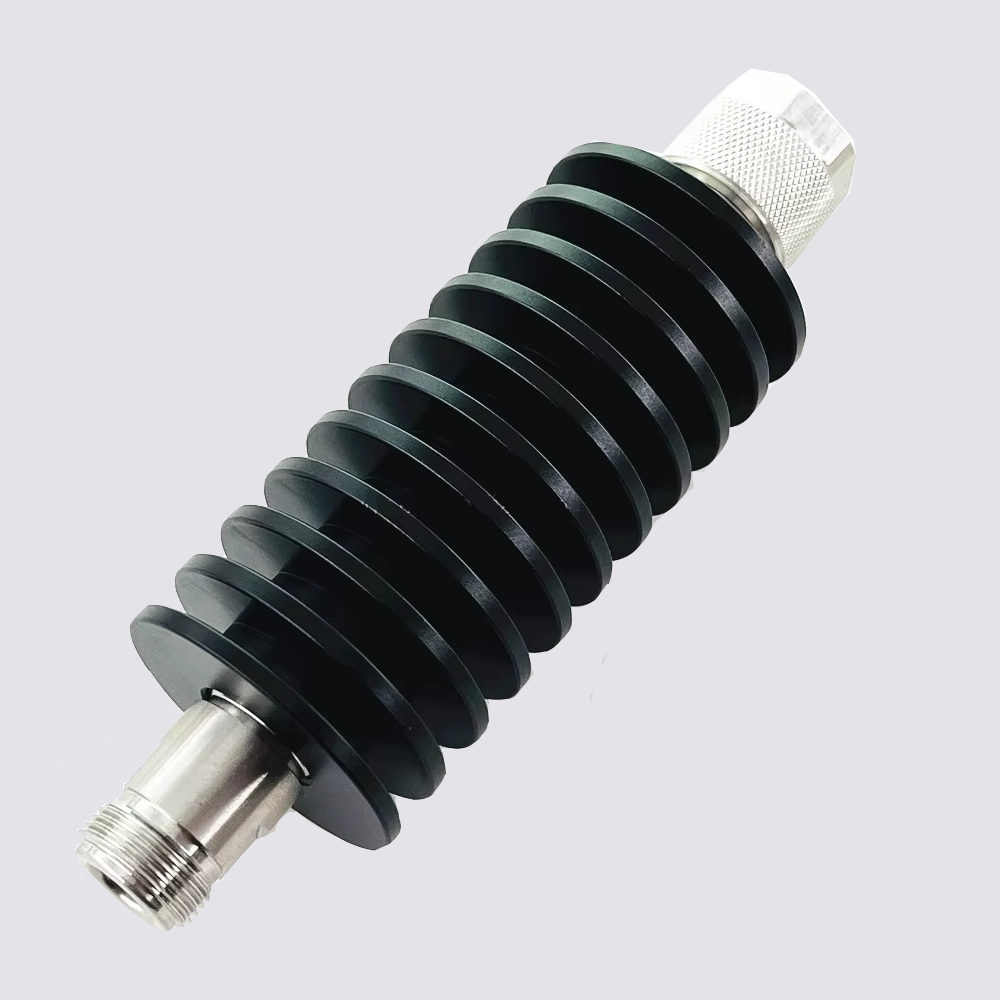
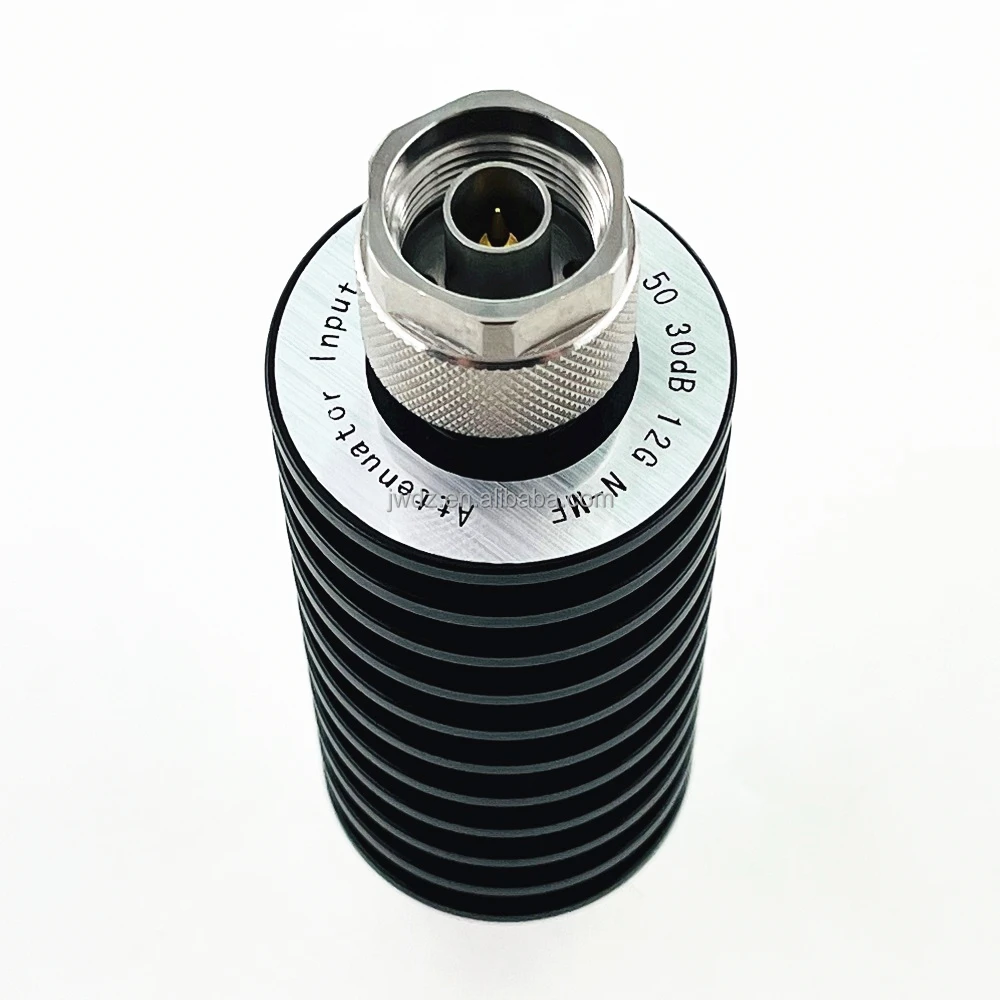
Zhenjiang Jiewei Electronic Technology Co., Ltd. brings 25 years of focused manufacturing experience in RF connectors, feeder cables, cable assemblies, and RF loads for telecom and broadcast applications. Direct factory manufacturing status provides buyers with clear supply chain traceability back to production records, a documentation requirement in most operator-approved vendor list submissions and procurement audit workflows. For teams consolidating multi-component RF interconnect procurement, connectors, feeder cables, cable assemblies, and loads available from a single qualified production source reduces incoming inspection overhead and supply chain coordination complexity.