EN
EN

N-Type RF Connector Factory Direct: Bulk Order N Male and N Female for LMR400, RG213, and RG8
Having managed RF interconnect procurement across multiple large-scale telecom infrastructure rollouts, I've found that a type n connector rarely fails because of the spec sheet—it fails because of how it was sourced. A connector that passes incoming inspection on a 50-piece qualification batch can introduce commissioning failures and batch inconsistency once you're scaling into hundreds or thousands of terminations per project phase. The difference, in my experience, in most cases traces back to whether the supply path includes a factory qualification step or just a distributor catalog click.
This guide walks through the procurement framework I use when evaluating factory-direct type n connector supply for B2B bulk orders. It covers both the N male series for larger-diameter cables and the N female series for lighter feeder runs—along with the specification anchors, plating options, MOQ structures, and OEM requirements that determine total supply chain cost.
N Male vs. N Female: Matching the Right Type N Connector to Your Cable Series
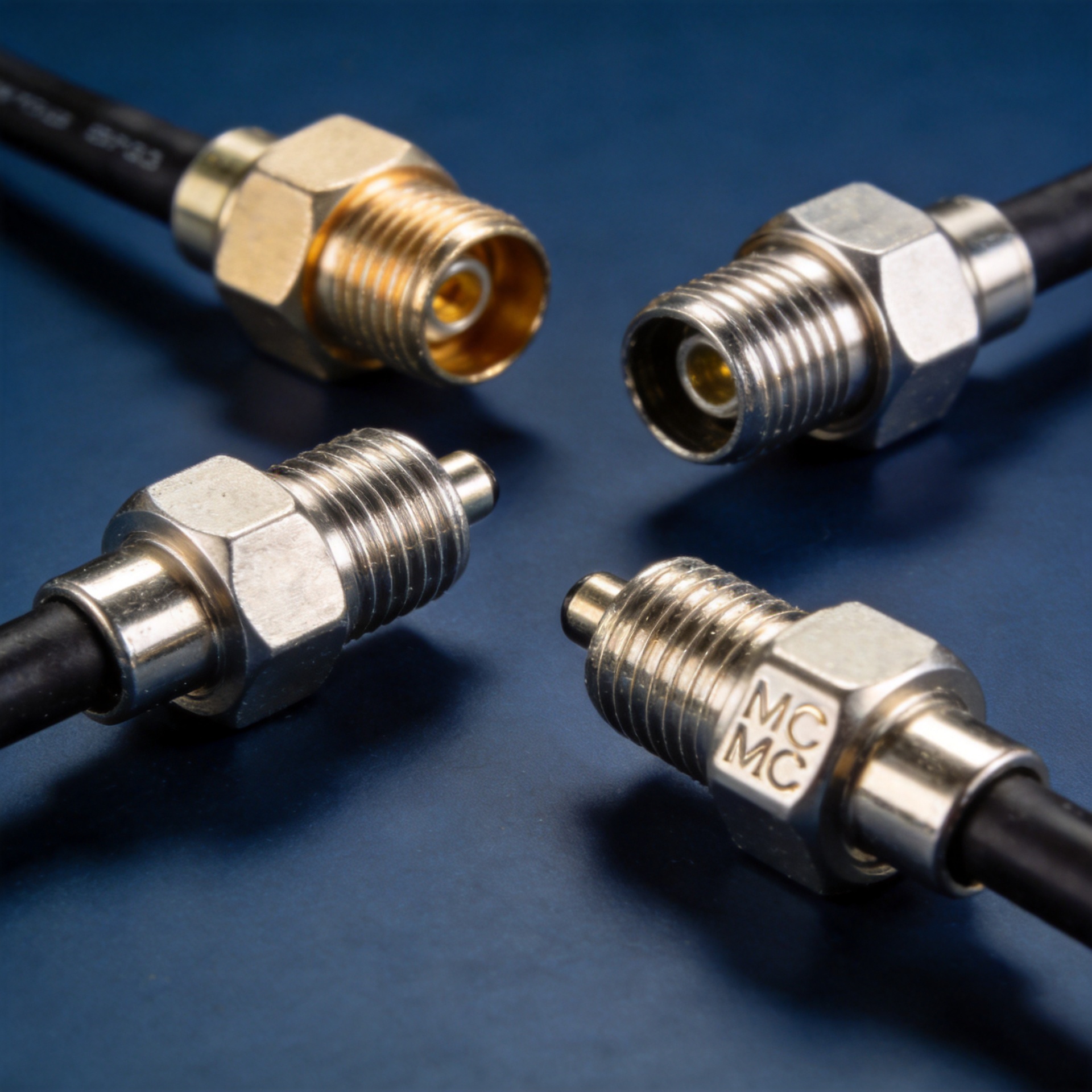
Before placing any type n connector order, the key question is whether you need N male plugs, N female jacks, or bothand which cable families each variant must terminate. The cable compatibility matrix differs between the two genders. Getting that split right upfront prevents SKU proliferation on your bill of materials.
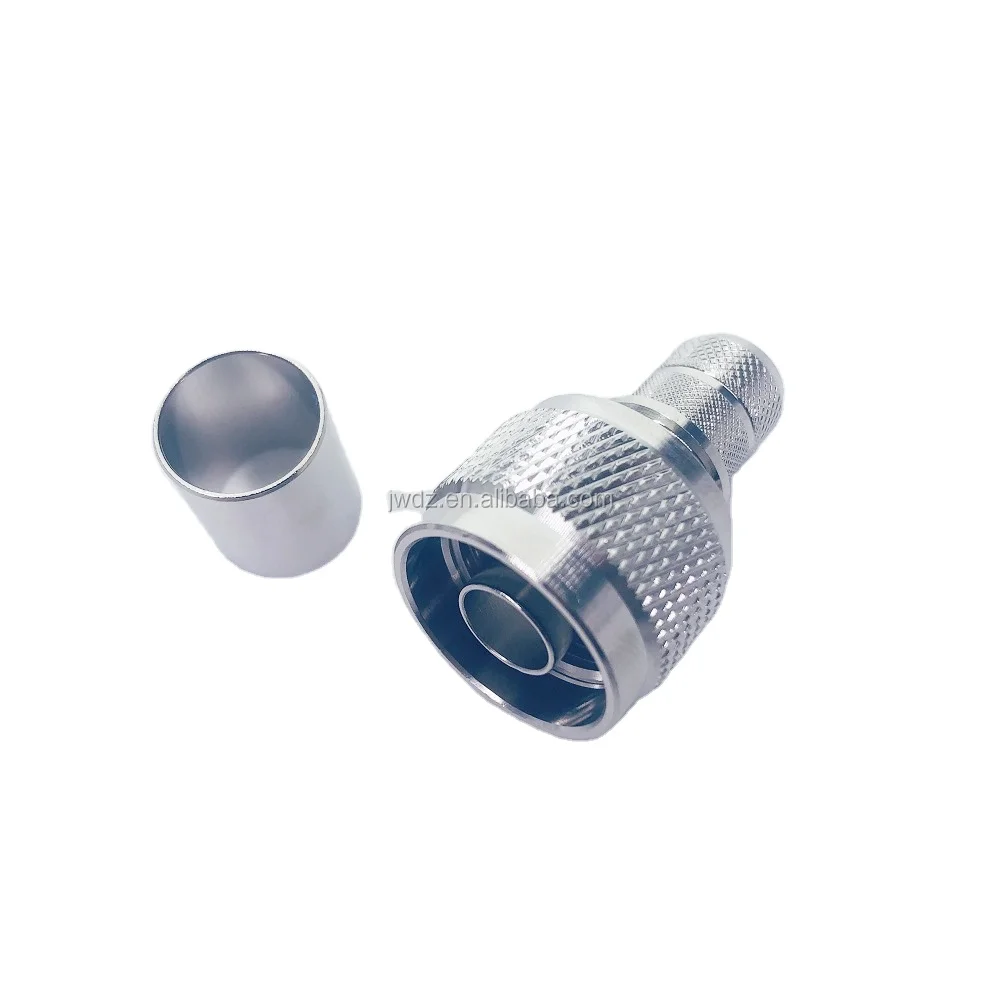
N Male Connector Series (for LMR400, RG213, RG8)
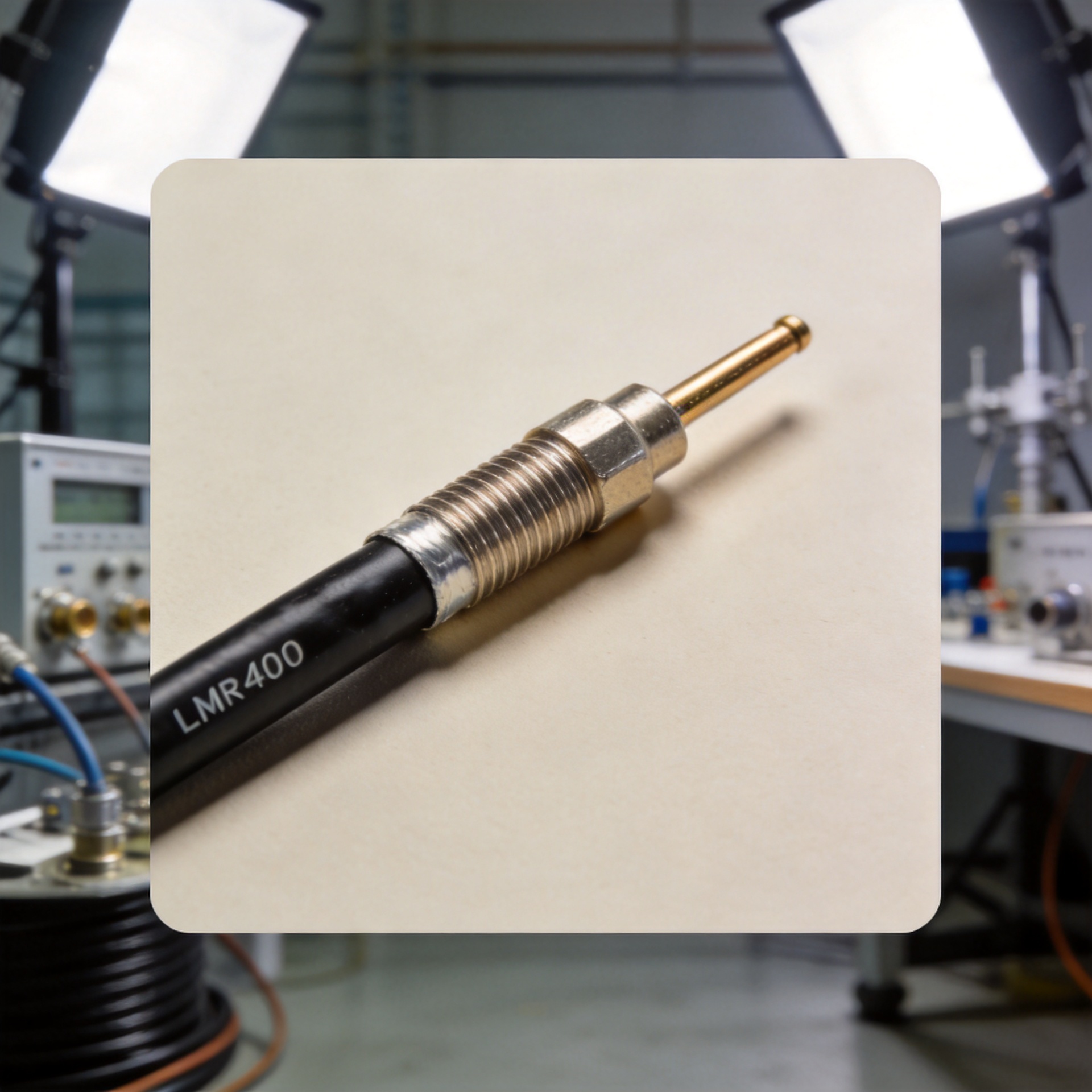
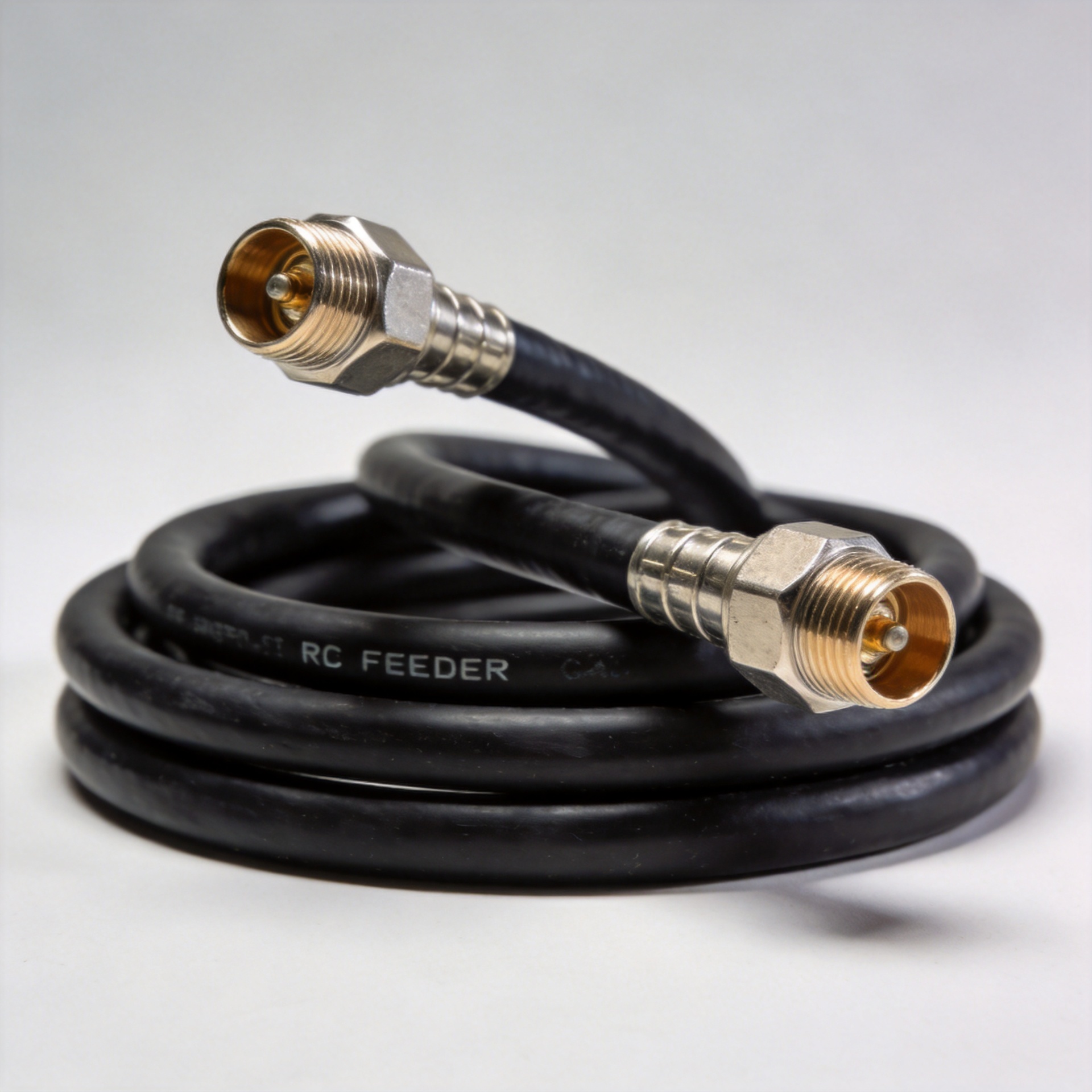
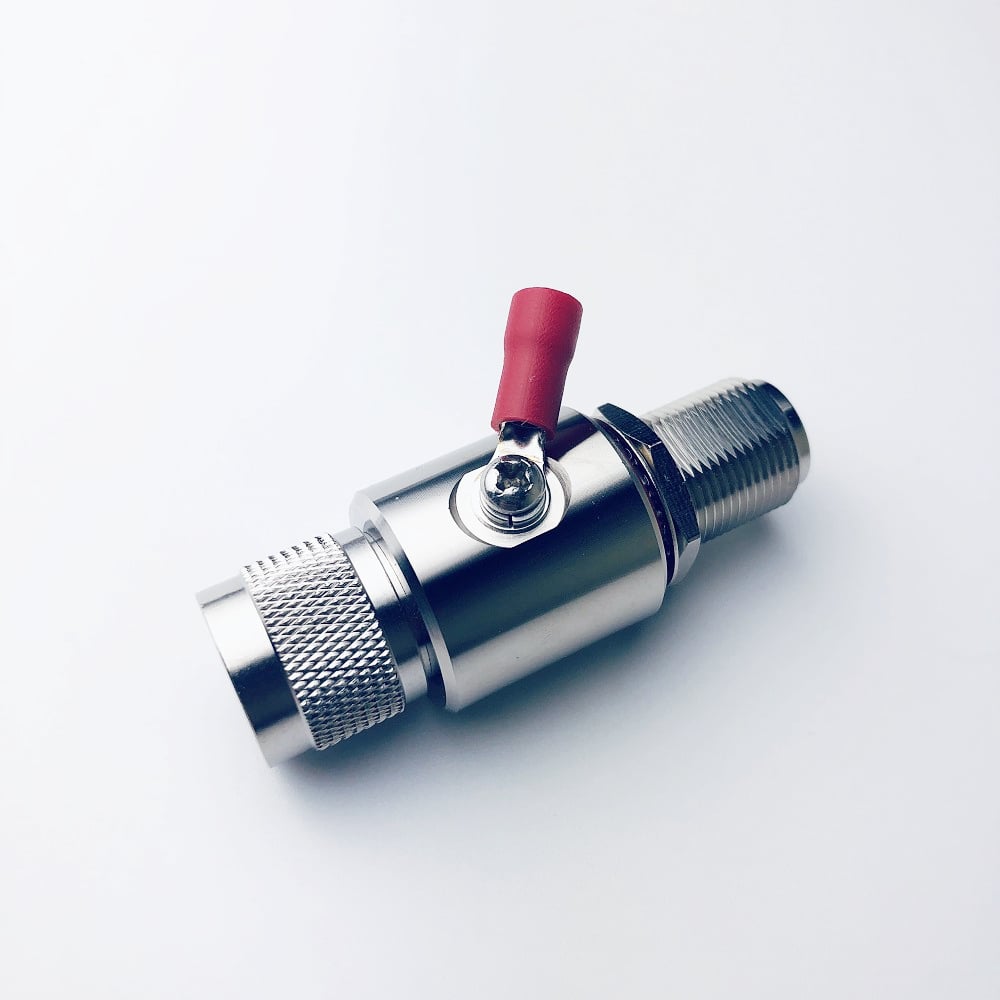
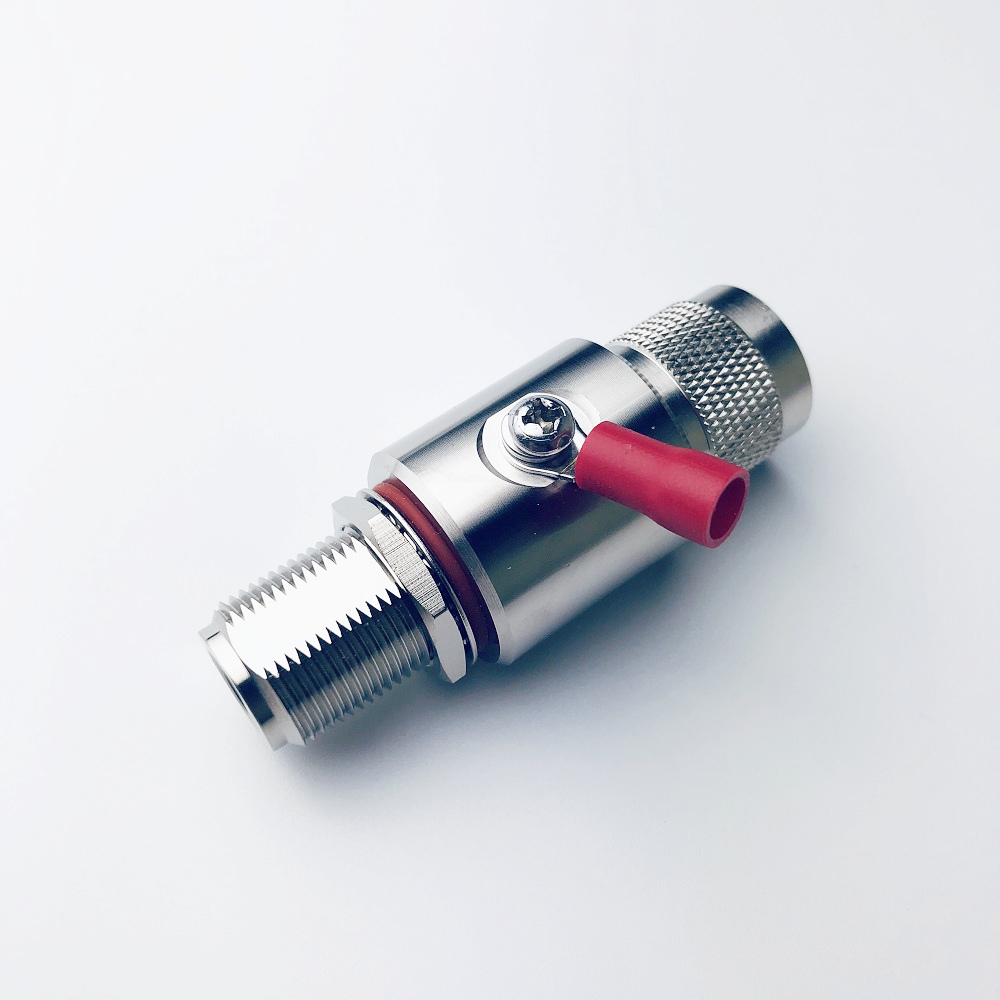
N male connectors are the standard termination choice for larger outer-diameter coaxial cables. LMR400, RG213, and RG8 are the three most frequently specified cables in B2B infrastructure projects, and they share a closely matched outer diameter of approximately 10.3 mm (0.405 inches) with a common 50Ω impedance. Because the physical and electrical profiles align, a single type n connector male SKU is typically rated for all three cable types; this consolidates your procurement and simplifies incoming inspection against a single acceptance standard.
- LMR400: Low-loss, flexible construction; the dominant choice for outdoor base station feeder runs and short-haul microwave links
- RG213: Military-heritage design; commonly specified in defense, government, and high-reliability commercial infrastructure
- RG8: Older but active standard; frequently encountered in legacy system upgrades and amateur radio infrastructure maintenance
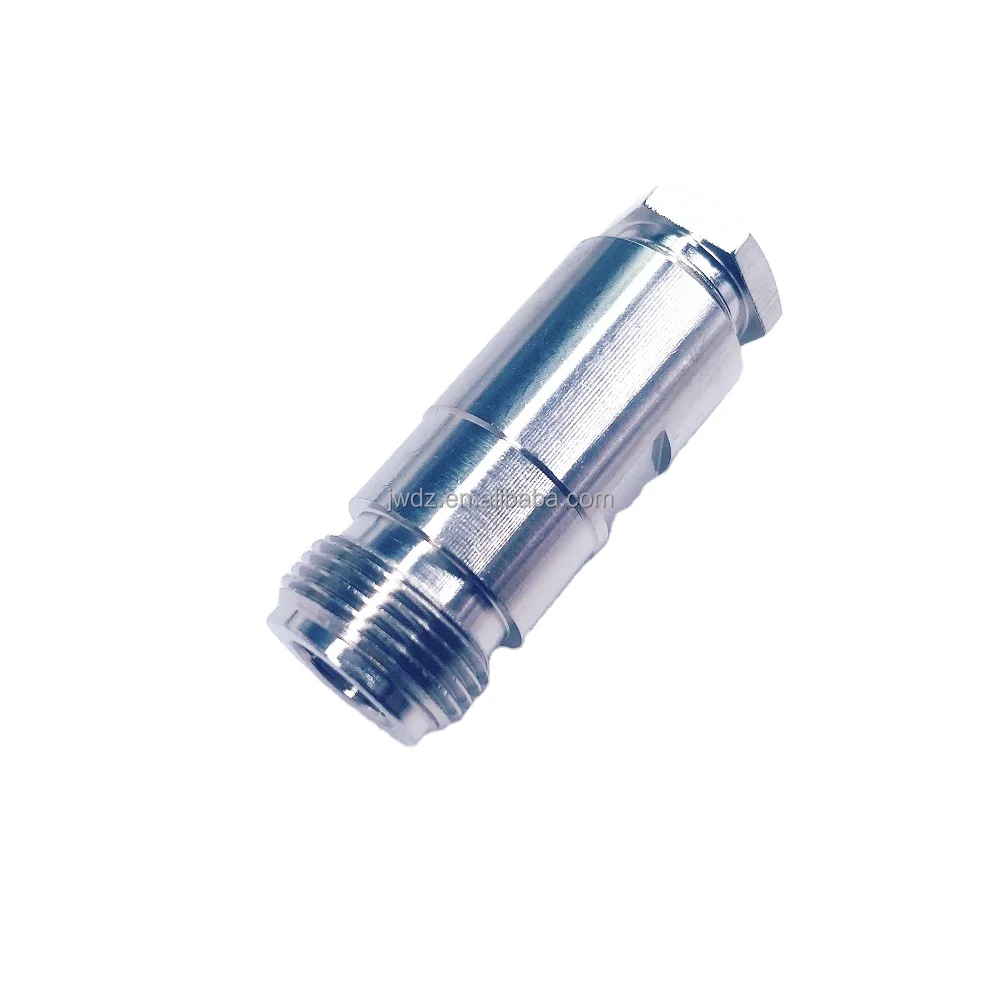
N Female Connector Series (for LMR195, LMR200, RG58)
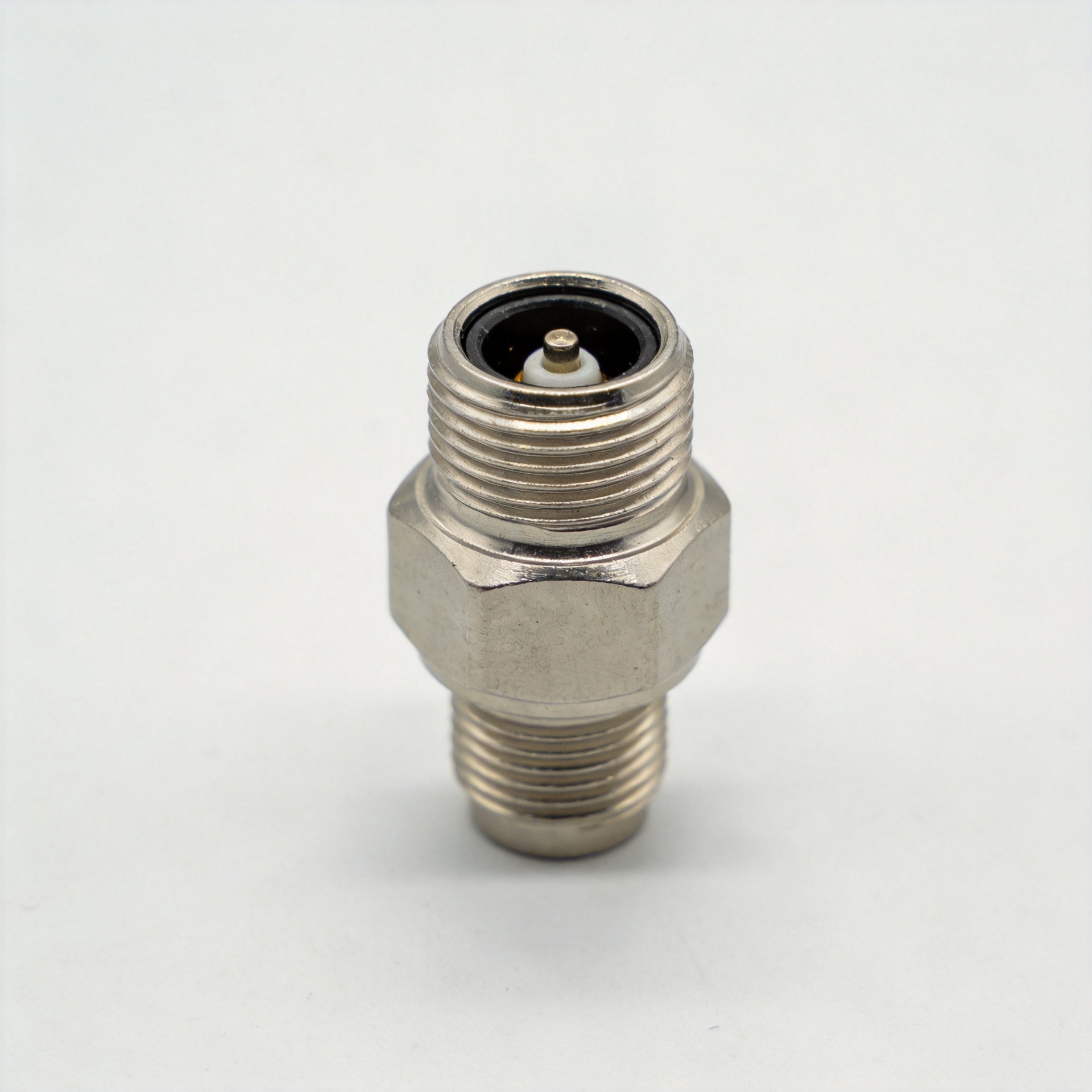
The n female series targets smaller-diameter cables running in the 4.95–5.00 mm outer diameter range. LMR195, LMR200, and RG58 are all 50Ω cables, and they appear most often in indoor DAS systems, signal distribution panels, short jumper assemblies, and equipment rack-to-antenna connections. The female n jack is typically mounted on a panel or bulkhead, and its cable-side configuration must match the thinner cable OD accurately to achieve reliable impedance continuity.
Procuring both N male and n female series from the same production source matters when your project requires matched quality documentation, consistent plating, and unified certification paperwork across all connector types.
Technical Baseline: Four Parameters That Determine Whether a Type N Connector Qualifies for Production Supply
Most type n connector evaluation failures I've encountered happen when buyers rely solely on a manufacturer's generic product datasheet rather than requesting batch-level test results. A datasheet tells you what a connector design is capable of; a production batch test report tells you what the connectors in your order actually measured.
The four parameters I anchor every type n connector qualification on are:
| Parameter | Target Specification |
|---|---|
| Impedance | 50Ω nominal (IEC 61169 / MIL-C-39012) |
| Frequency range | DC to 11 GHz standard; DC to 18 GHz extended-range |
| VSWR (straight, DC–11 GHz) | 1.30 max |
| Operating temperature | −65°C to +165°C |
| Rated mating cycles | 500 minimum |
If a supplier can provide production batch data against these parameters—not just a catalog page—you have a meaningful baseline for supplier qualification before committing to volume.
Factory Direct Procurement: MOQ, Plating Options, and OEM Labeling for Type N Connectors
The most concrete advantage of sourcing type n connector stock factory direct is the ability to configure batch specifications rather than accepting a distributor's stocked SKU. From a total cost of ownership standpoint, the three variables that most consistently affect B2B buyer economics are minimum order quantity, plating selection, and OEM labeling requirements.
Minimum Order Quantity. Factory-direct suppliers for type n connector production typically set MOQs in the range of 100 to 500 pieces per SKU. If your project spans both N male and n female variants across multiple cable types, confirm whether the MOQ applies at the individual SKU level or aggregates across the full order. Flexible per-SKU minimums reduce inventory carrying cost on lower-volume cable types—a meaningful difference when one cable family makes up 80% of your project and the other is a small fraction.
Plating Selection: Gold vs. Silver. Type n connector contacts are available in gold-plated or silver-plated finishes. Gold plating provides superior corrosion resistance in high-humidity, coastal, or outdoor exposure environments, and it justifies a modest unit-cost premium when the connector will spend its service life at an outdoor antenna mounting point. Silver plating delivers excellent electrical conductivity at lower cost and performs reliably in climate-controlled indoor installations. Conditional on your deployment environment, the right choice shifts. If you're running N female panel connectors in an equipment room, silver is a defensible procurement decision. If you're running N male terminations on outdoor LMR400 runs exposed to weather, gold plating typically reduces long-term maintenance costs.
OEM Labeling and Custom Packaging. Cable assembly manufacturers and system integrators sourcing type n connector inventory for resale or branded assembly kits typically require private-label packaging, custom part number documentation, or country-of-origin certificates. Factory-direct suppliers can accommodate these requirements at production volumes; clarify the labeling MOQ threshold before evaluating suppliers, as it varies significantly between factories.
Certification Documentation for B2B Procurement
For telecom infrastructure, defense, or public safety applications, type n connector certification documentation is not optional. The minimum documentation package for serious B2B procurement typically includes IEC 61169 compliance records for the applicable N-type variant, MIL-C-39012 qualification records where government or defense specifications apply, production batch test reports with VSWR and insertion loss measurements, and RoHS/REACH compliance statements for shipments into EU markets.
From a TCO perspective, the gap between a fully documented supplier and an undocumented one shows up in incoming inspection labor, project hold costs during commissioning audits, and—in the worst case—re-termination work if non-compliant connectors are flagged after installation. The documentation cost is absorbed once; the rework cost scales with every site in your deployment.
Sample Request and Bulk Order Process
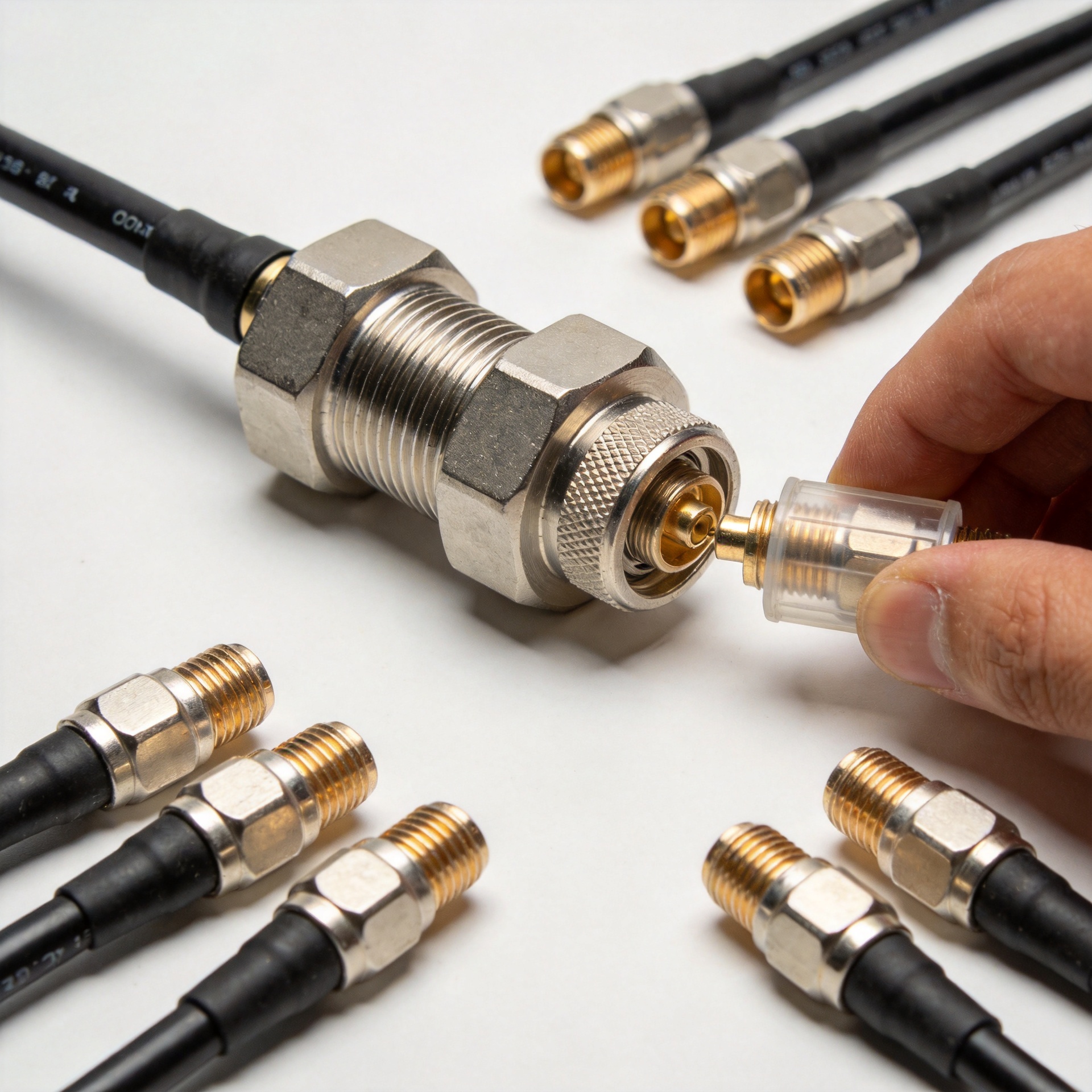
The standard path for qualifying a new type n connector factory source runs: sample request → technical evaluation against your acceptance criteria → batch qualification test → production order. With a specialized RF connector factory, the sample-to-qualification cycle can often be compressed to two to four weeks when the buyer provides clear dimensional requirements and electrical acceptance criteria upfront.
Zhenjiang Jiewei Electronic Technology manufactures both the N male and n female series covered in this guide. Their N Male Connector for RG213, RG8, and LMR400 and N Female Connector for RG58, LMR195, and LMR200 are available for factory-direct bulk orders with OEM labeling, plating options, and production batch documentation. If your procurement timeline is active, requesting samples against your specific cable diameters and project acceptance criteria is the most efficient first step before committing to production volumes.