EN
EN

RF Power Divider Wholesale: Low PIM N Female and 7/16 DIN Models for 5G DAS Applications
When specifying RF passive components for a multi-band DAS rollout, the wilkinson divider remains the most widely deployed signal-splitting solution—and for good reason. Its combination of equal-phase output, port-to-port isolation, and compact microstrip form makes it a practical fit for in-building 5G infrastructure. But translating that circuit-level performance into a reliable wholesale procurement decision requires more than a datasheet comparison. Connector interface compatibility, power handling capacity, architecture selection, and supplier qualification all carry real downstream cost implications that spec sheets alone don't surface.
The following evaluation addresses key decision points telecom integrators and procurement managers need to work through before committing to bulk orders for low-PIM wilkinson power splitter units destined for 5G DAS and 4G LTE antenna feeds.
Wilkinson Dividers in 5G DAS: What the Circuit Architecture Means for Procurement
The wilkinson divider, first described by Ernest Wilkinson in the 1960s, uses quarter-wave transmission line transformers to split an input signal into equal-amplitude, equal-phase outputs with a resistive termination between output ports that provides isolation. In a connectorized, cavity or microstrip housing intended for DAS deployment, this architecture translates to 3 dB insertion loss per split, low amplitude and phase imbalance across the operating band, and high return loss at all ports when the system is matched.
For 5G DAS applications targeting the 698–3800 MHz range—which covers Band 13/14, LTE Band 4, and sub-6GHz NR bands n77/n78/n79—this wideband behavior is a core procurement requirement. A single wilkinson power splitter covering the full 698–3800 MHz window eliminates the need for frequency-band-specific components, reducing BOM complexity in multi-operator in-building deployments.
N Female vs. 7/16 DIN: Connector Interface Selection for DAS Antenna Feeds
One of the most consequential interface decisions in DAS infrastructure procurement is the choice between N Female and 7/16 DIN Female connector terminations—and this is a gap the standard Wilkinson divider literature rarely addresses from a procurement standpoint.
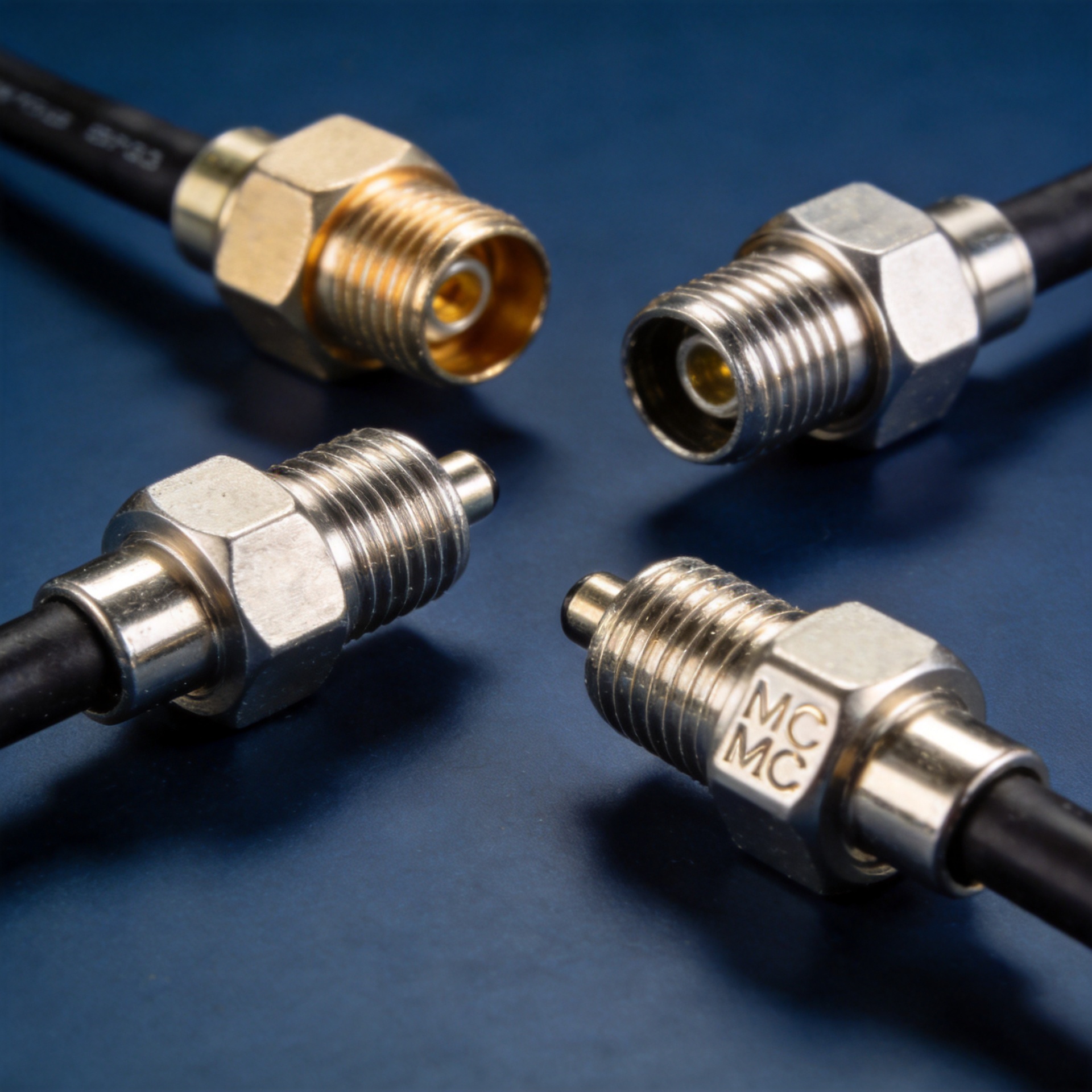
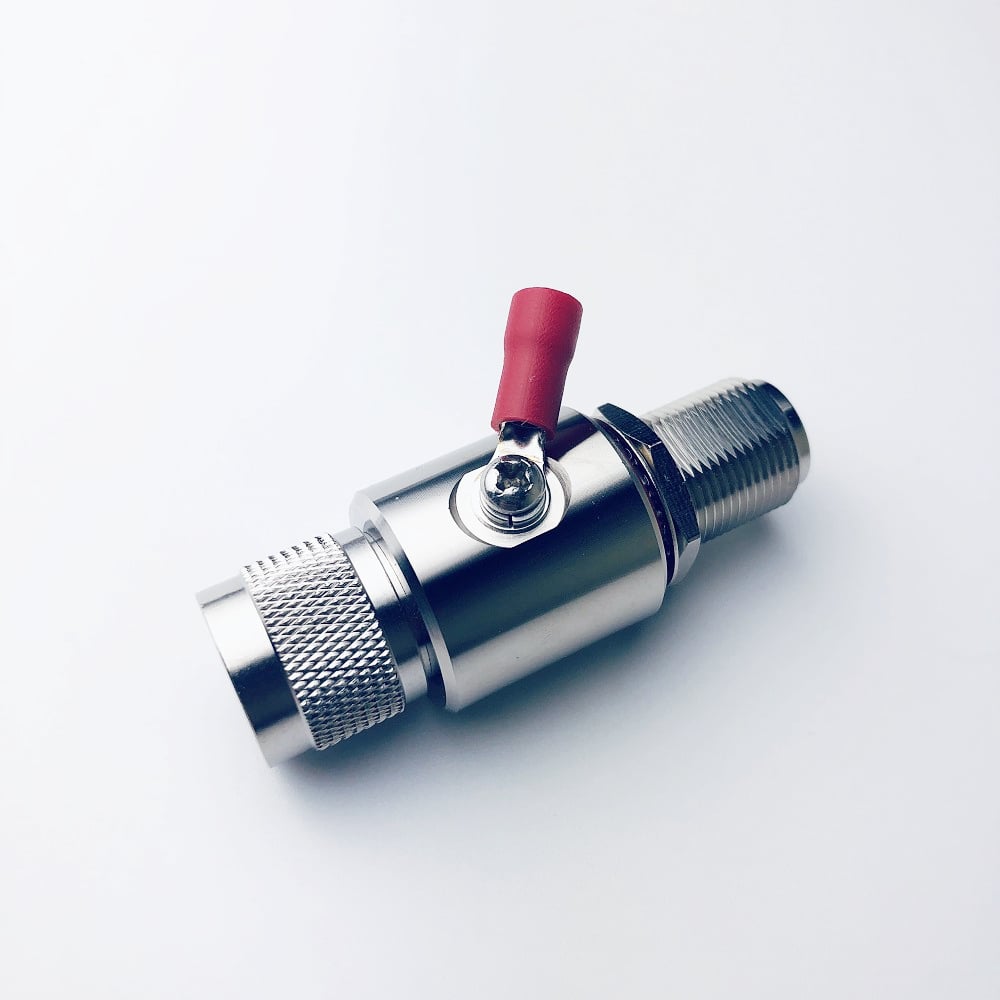
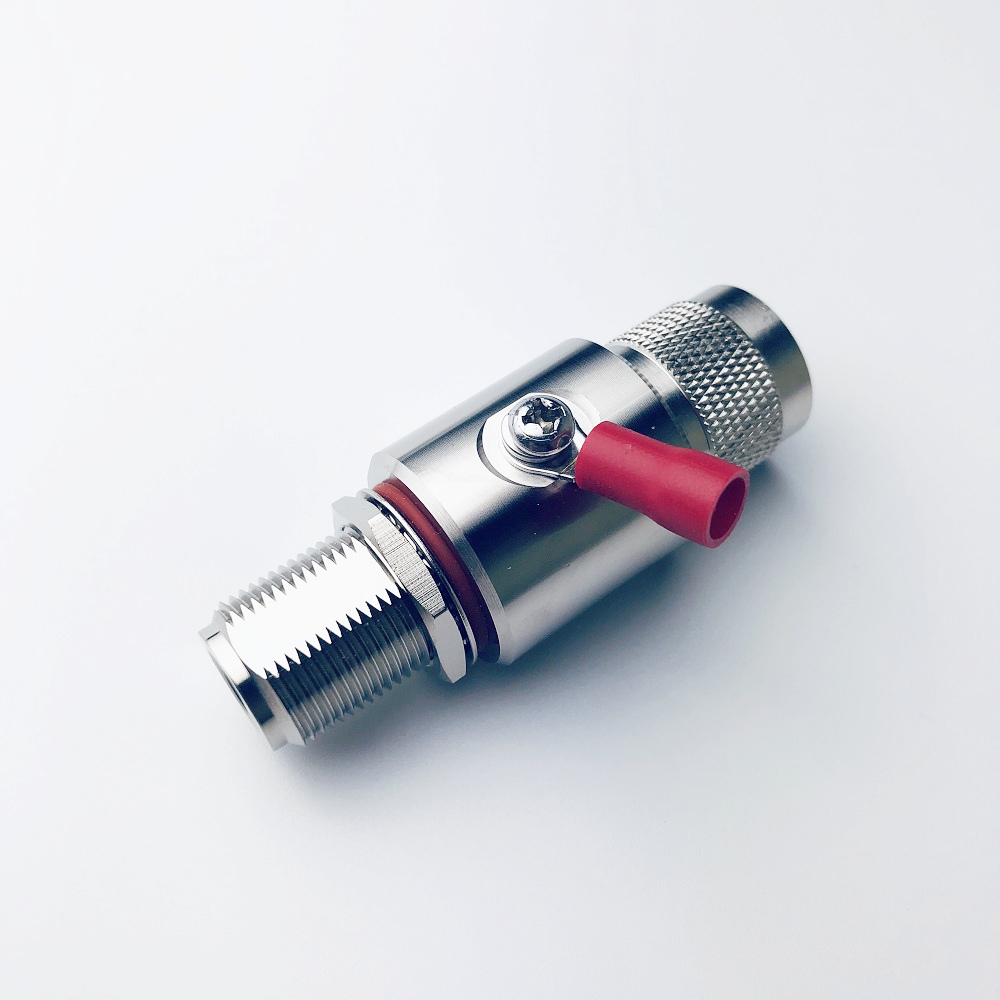
- N Female (50Ω): Standard interface for indoor DAS, distributed antenna units, and remote radio heads operating at power levels below 150W. Lower profile and wider OEM ecosystem availability. Preferred when interconnecting with jumper cables in IDF/MDF closets or antenna ceiling mounts.
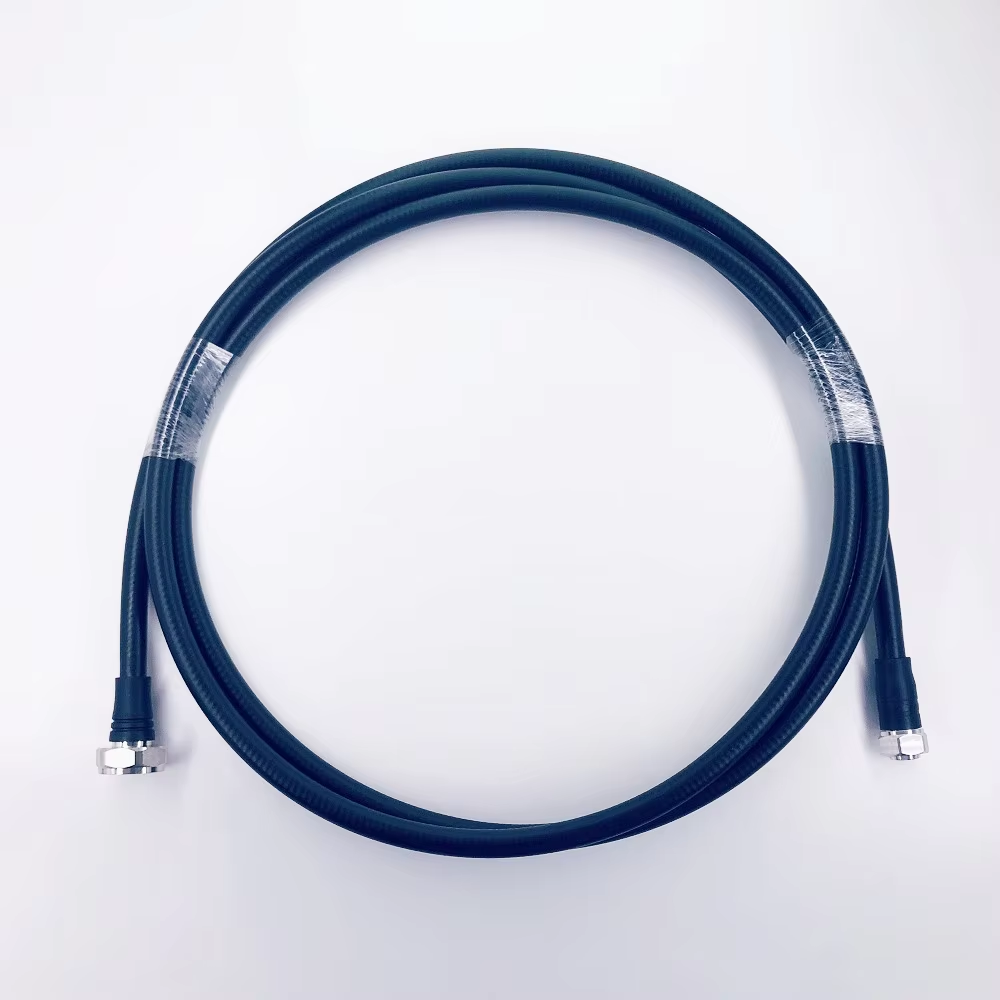
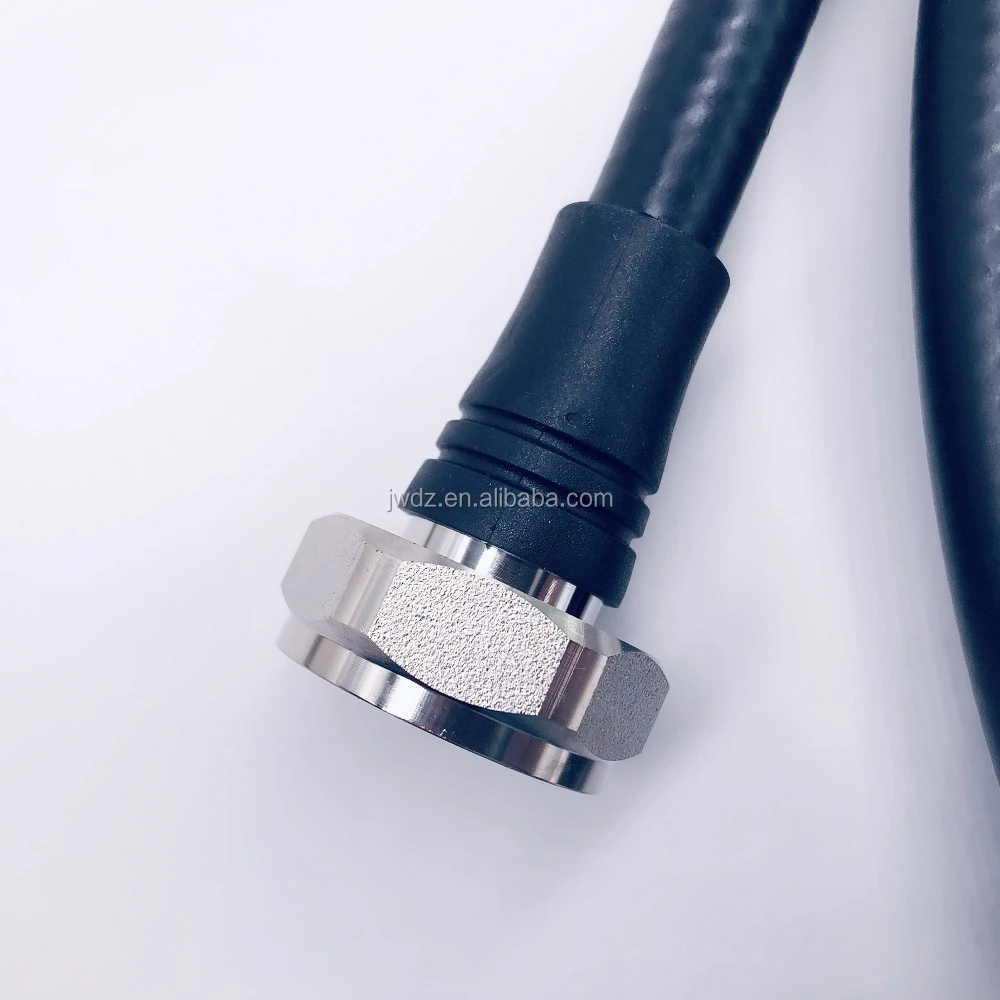
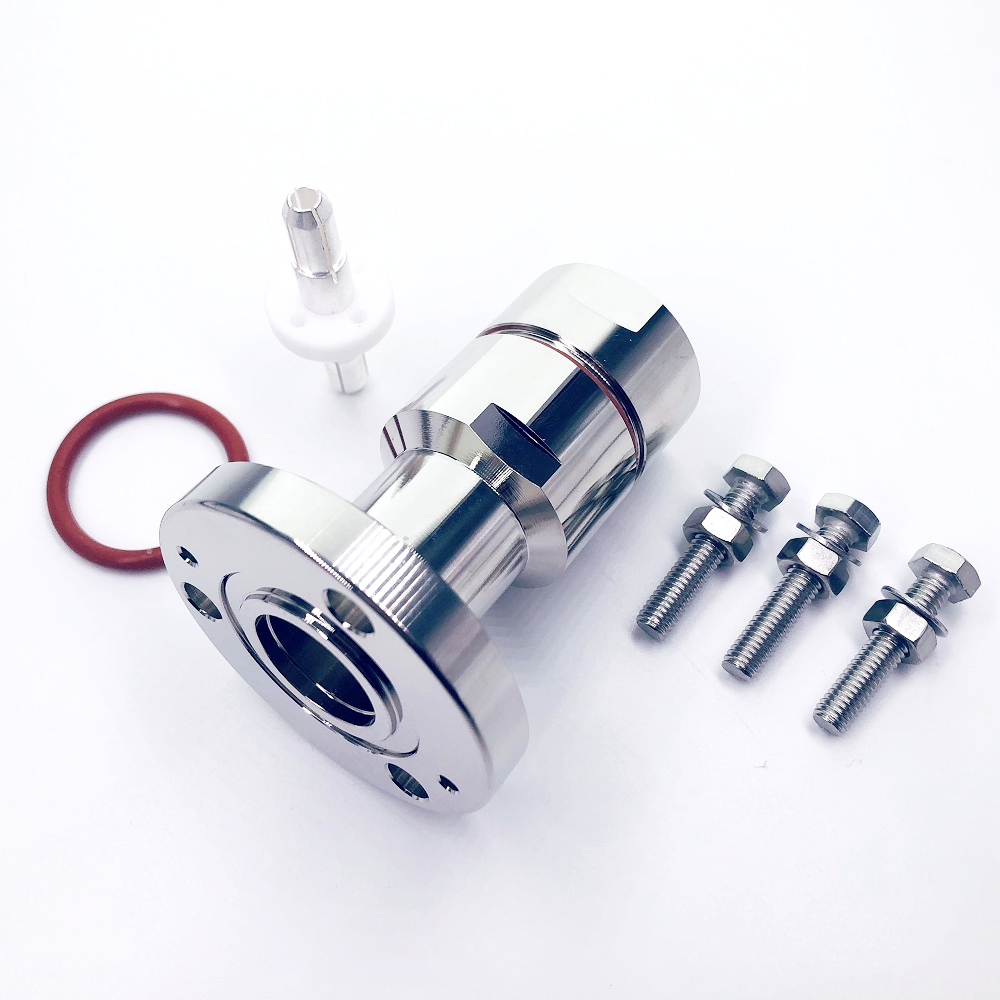
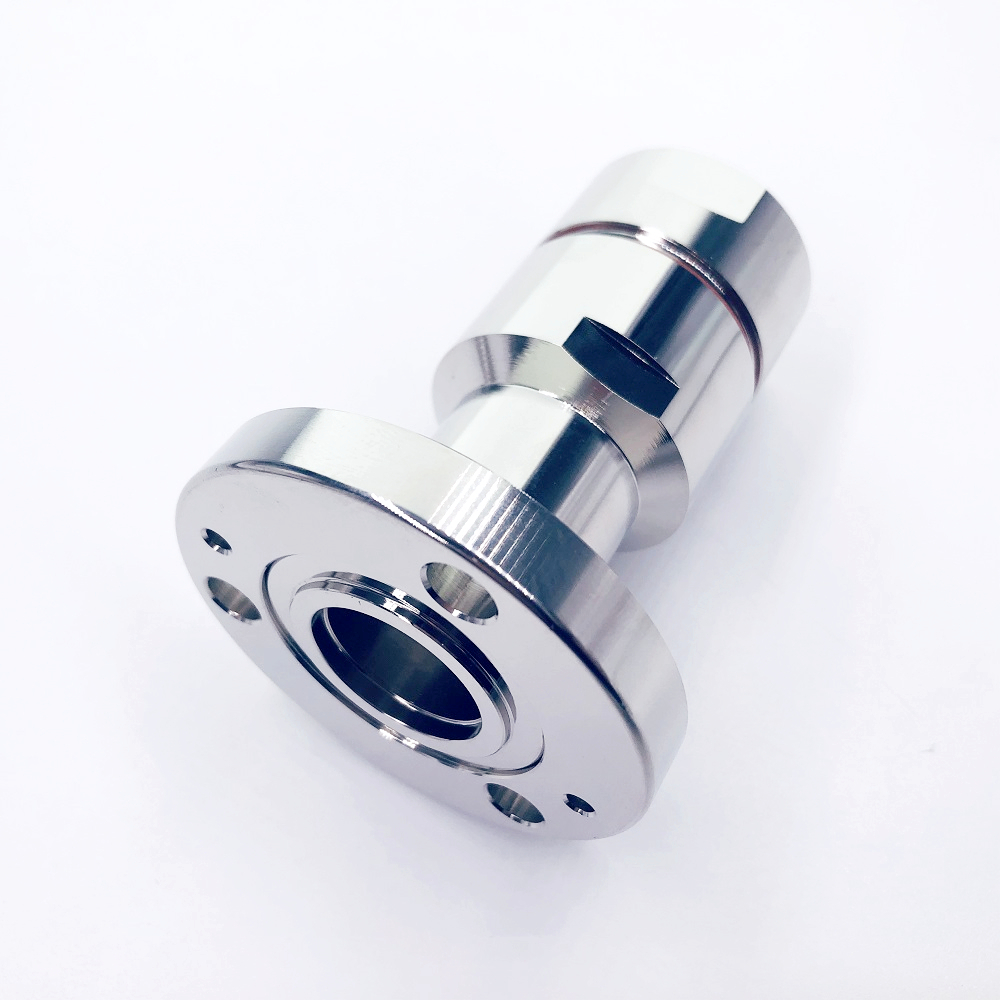
- 7/16 DIN Female: Preferred for high-power macro-cell feeder lines, outdoor DAS nodes, and rooftop installations where the 7 16 din connector power rating advantage—typically up to 300W+ at DAS frequencies—reduces thermal stress at the junction. The larger mating interface also offers better PIM performance in field-assembled connections.
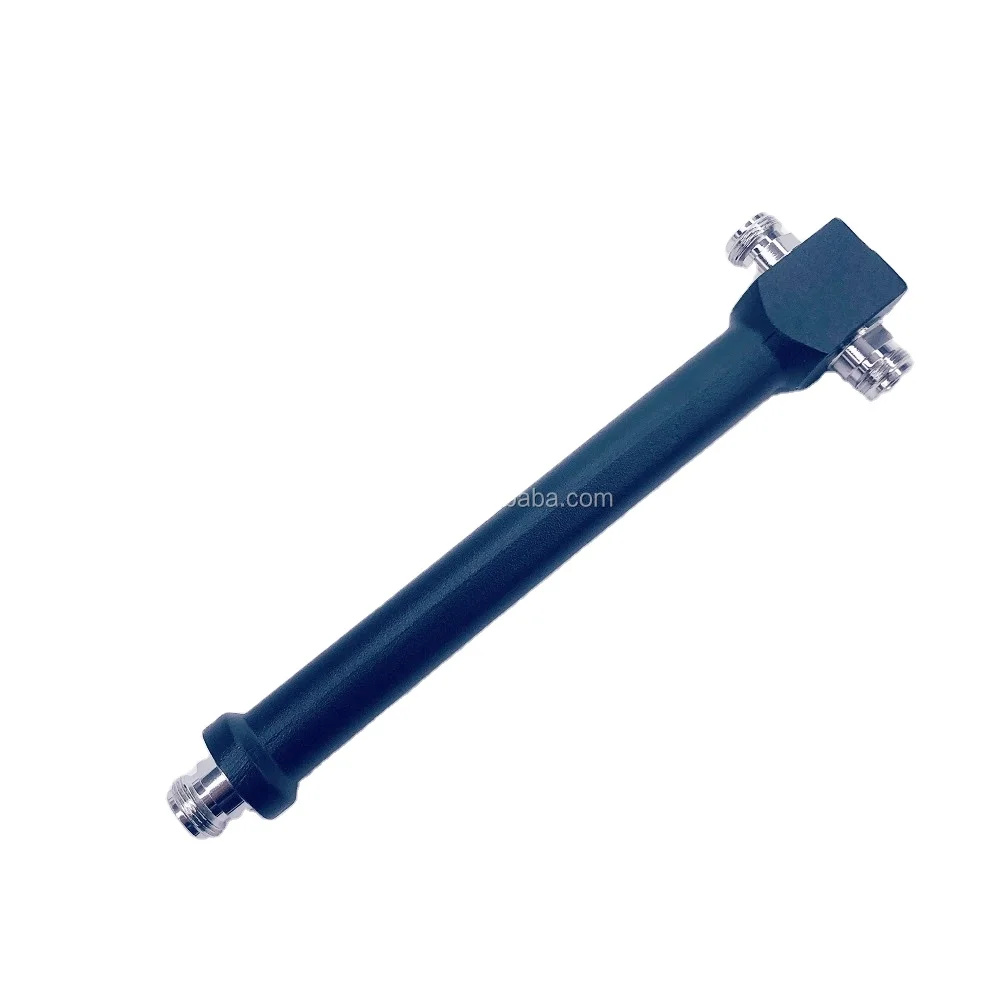
For deployments mixing indoor and outdoor segments, procuring a supplier who offers the same wilkinson divider platform with both connector options—N Female and 7/16 DIN Female—across 2-way, 3-way, and 4-way configurations provides long-term supply chain flexibility without requalifying a second vendor.
Cavity vs. Microstrip Architecture: Trade-offs for High-Power DAS Procurement
The two dominant hardware architectures available in wholesale RF power dividers for DAS are cavity (reactive) splitters and microstrip (Wilkinson) splitters. Each carries distinct procurement trade-offs:
| Factor | Cavity Splitter | Microstrip / Wilkinson |
|---|---|---|
| Power handling | Up to 300W+, suitable for macro-cell feeds | Typically 50–150W; select models rated 300W |
| Insertion loss | Low (0.2–0.5 dB typical per split) | Low (0.3–0.8 dB typical per split) |
| PIM performance | Low PIM (≤ −160 dBc at 2×43 dBm) | Low PIM achievable with careful substrate selection |
| Form factor | Larger, heavier; suited for equipment rooms | Compact; suited for in-ceiling or hidden distribution |
| OEM flexibility | Moderate; cavity machining limits customization speed | High; PCB substrate changes enable fast OEM variants |
For macro-cell aggregation points and outdoor DAS node feeds where the 7 16 din connector power rating requirement drives toward 300W+ handling, cavity splitters are the standard choice. For in-building distributed units and compact antenna controllers, microstrip-based wilkinson power splitter modules offer better size-to-performance ratios and shorter OEM lead times.
2-Way, 3-Way, and 4-Way Split Ratios: Matching Configuration to DAS Topology
Wholesale procurement typically requires stocking all three split-ratio variants to cover the range of DAS topologies encountered across a project portfolio:
- 2-Way: Used at primary distribution nodes, combining feeds from two remote radio heads, or splitting to two antenna sectors. The 2-Way N Female Power Divider is the entry-point wilkinson divider configuration for most indoor DAS BOM lists.
- 3-Way: Common in triangular cell configurations or when feeding three distributed antenna units from a single source port.
- 4-Way: Standard for hub-and-spoke DAS architectures with four antenna sectors or distribution zones. The 698-3800MHz Power Splitter 2/3/4 Way series covers all three configurations in a common platform, simplifying vendor qualification and reducing procurement SKU proliferation.
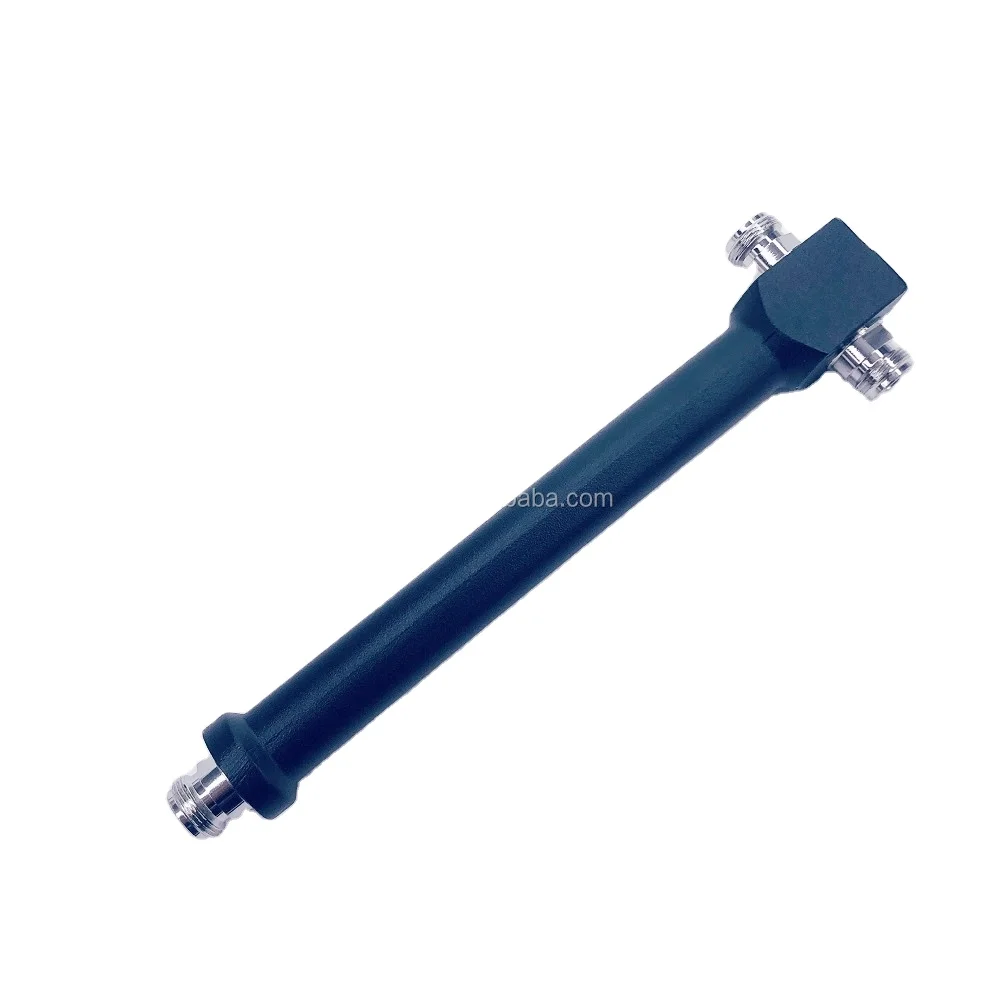
When evaluating batch-order pricing, integrators consistently find that consolidating split-ratio procurement under one supplier—rather than sourcing 2-way, 3-way, and 4-way from separate vendors—reduces qualification overhead and enables better unit economics at volume.
Supplier Evaluation: Factory Certification, OEM Customization, and Low-PIM Consistency
Upstream risk in RF passive component procurement is concentrated in two areas: batch variation and PIM consistency. A wilkinson divider that passes incoming inspection on a sample lot can still introduce field failures if substrate material or connector-seating processes vary across production runs—a risk that standard datasheet review cannot catch.
Key supplier evaluation criteria for DAS-grade wholesale procurement include:
- Direct factory manufacturing: Suppliers running their own production facilities can trace components back to specific production batches and remove the intermediary tier where substitution risk tends to accumulate.
- PIM test documentation per batch: Low-PIM specifications (typically ≤ −150 dBc at 2×43 dBm test conditions) should be verifiable per production batch, not just per product family.
- OEM customization capability: Integrators with project-specific connector combinations, custom housing markings, or non-standard split ratios need suppliers able to accommodate engineering change orders without triggering full re-qualification cycles.
- Export and documentation capability: Multi-continent deployments require English-language technical documentation, country-specific compliance support, and demonstrated export logistics experience.
Zhenjiang Jiewei Electronic Technology Co., Ltd., with 25 years of specialized RF interconnect manufacturing experience covering connectors, feeder cables, cable assemblies, and passive components, operates as a direct factory supplier with multi-continent export coverage across Asia, Europe, North America, South America, and Oceania.
Sample Request and Quotation Process for Large-Scale 5G DAS Projects
For integrators evaluating a new wilkinson power splitter supplier before committing to a project-scale purchase order, the standard qualification workflow runs through three stages:
- Technical alignment: Submit frequency band, connector interface, split-ratio, and power rating requirements. Confirm PIM test standard and certification requirements (CE, RoHS, factory test report format).
- Sample evaluation: Request production-representative samples—not pre-production prototypes—for PIM testing, insertion loss sweep, and mechanical inspection against installation hardware. Target evaluation quantities are typically 2–5 units per SKU.
- Volume quotation: After sample qualification, request tiered unit pricing across your expected annual volume bands. Confirm lead time, MOQ, and OEM customization surcharge schedule.
Qualified wholesale inquiry for low-PIM N Female and 7/16 DIN wilkinson divider models covering the 698–3800 MHz band can be initiated through the Jiewei team. Contact details are available on www.chjwdz.com.