EN
EN

RF Surge Arrester Wholesale: N-Type Lightning Protector Factory Direct Supply DC-3GHz and DC-6GHz
When sourcing an RF arrester for a telecom infrastructure rollout or an antenna system upgrade, the difference between a well-matched arrester and a misspecified one only becomes clear at commissioning—or worse, after a lightning event. As a procurement manager responsible for qualifying and sourcing RF protection components across multiple sites, the variables that determine arrester selection are not hard to define: frequency range, connector configuration, gas discharge tube (GDT) voltage rating, and supply chain reliability. This guide addresses each of those criteria against the N-type lightning surge arrester series manufactured by Zhenjiang Jiewei Electronic Technology Co., Ltd., available for wholesale and OEM procurement directly from the factory.
What Makes an RF Surge Arrester Different from a General Power Arrester
A standard power-system arrester is designed to divert high-voltage transients in AC or DC power lines. An RF arrester—also called an RF lightning arrester or inline coaxial lightning surge arrester—serves a fundamentally different purpose: it protects the signal path of a coaxial transmission line while maintaining the RF electrical characteristics of that path. The key parameters that distinguish an RF lightning arrester from a power arrester are characteristic impedance (50Ω for most telecom applications), insertion loss, VSWR, and frequency range. A power arrester inserted into a coaxial feed line would destroy signal integrity; an RF surge arrester must be transparent to the signal while simultaneously clamping transient energy to ground.
Gas discharge tube (GDT) technology is the dominant protection mechanism in N-type coaxial surge arresters because GDTs offer low capacitance, which preserves RF performance at higher frequencies. The 90V and 230V ratings specify the DC sparkover voltage of the arrester's discharge tube: the threshold at which the tube ionizes and diverts surge current to ground. Selecting the wrong voltage rating for the arrester can result in either nuisance triggering (too low) or inadequate protection (too high) relative to the system's DC bias or phantom power configuration.
DC-3GHz vs DC-6GHz: Matching Arrester Frequency Range to Your Application
The N-type lightning surge arrester series from Zhenjiang Jiewei covers two primary frequency tiers that align with the most common wireless infrastructure band plans:
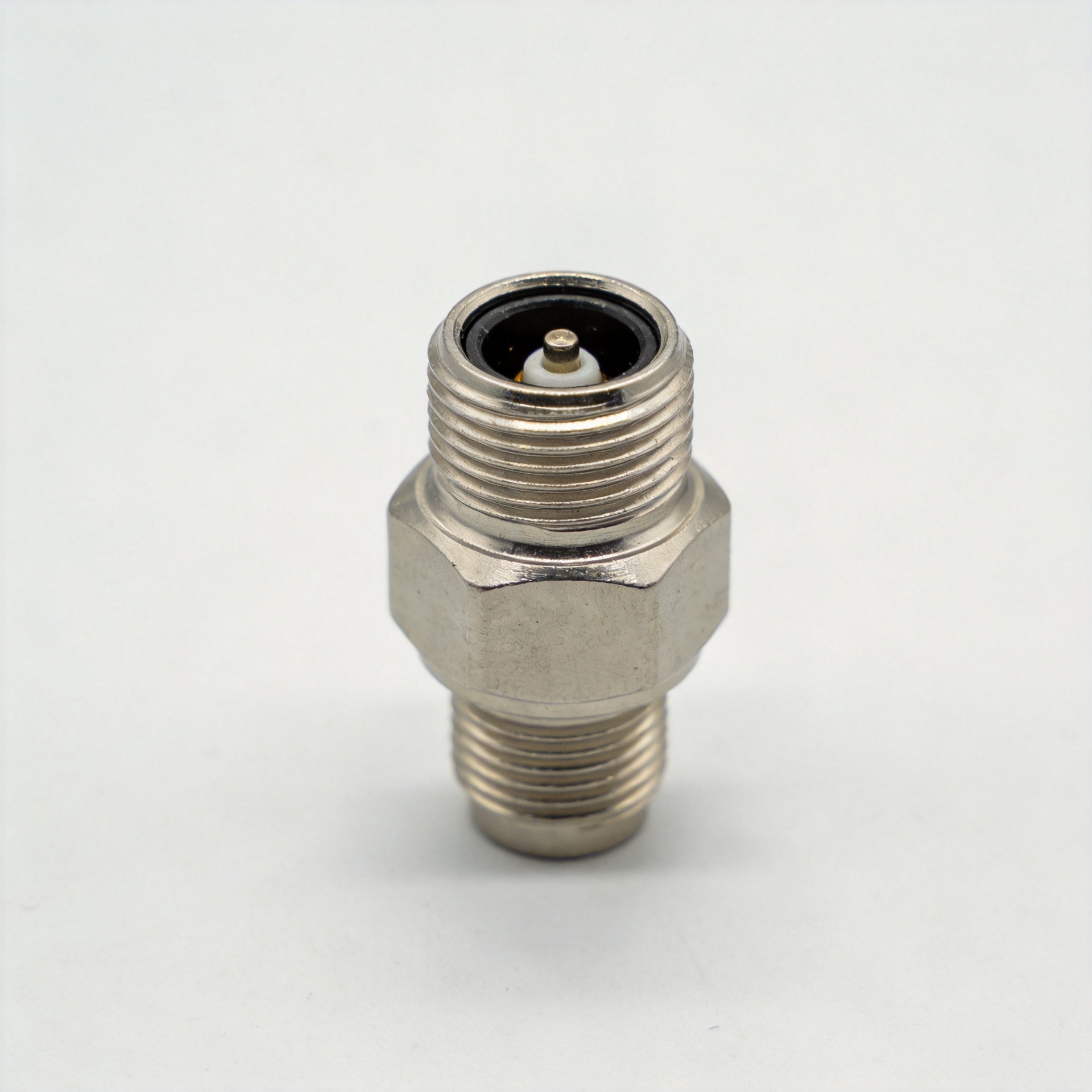
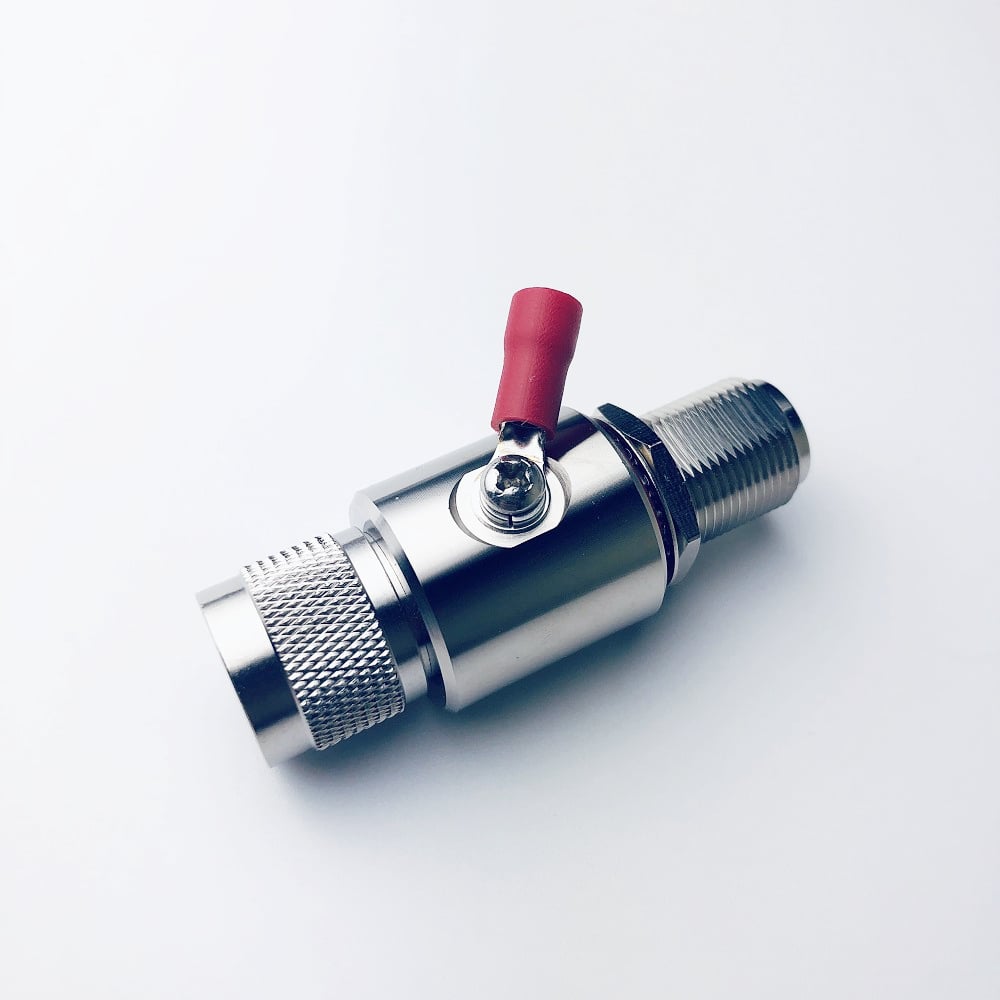
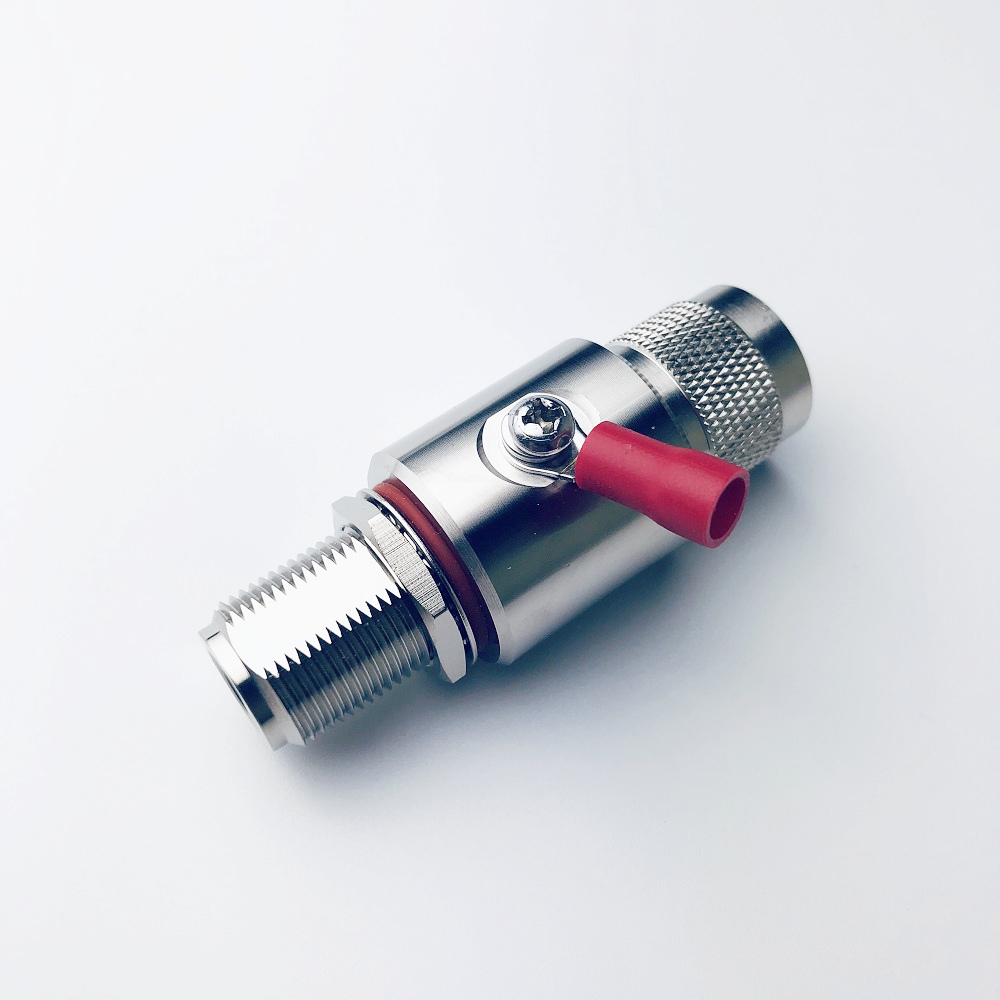
- DC-3GHz arrester models (CA-23RP series): This arrester covers the antenna feed bands used in 2G, 3G, 4G LTE, and sub-3GHz 5G deployments. The 3GHz upper frequency limit accommodates the majority of legacy and current macro cell antenna interfaces. The CA-23RP arrester is suitable for cellular base stations, DAS installations, and broadcast transmitter sites operating in the 700MHz–2.7GHz range. CA-23RP DC-3.0GHz N Male to N Female Surge Arrester Lightning Protector provides a validated entry point for this frequency tier.
- DC-6GHz arrester models (N-JKYP-6G series): This arrester extends coverage to 5GHz Wi-Fi, sub-6GHz 5G NR bands, and C-band satellite ground station feeds. The added headroom to 6GHz handles multi-band antenna systems that combine sub-3GHz cellular with 5GHz unlicensed bands on a single tower. The N-JKYP-6G DC-6GHz lightning surge arrester with 90V/230V GDT addresses this requirement in an N male-to-N female inline configuration.
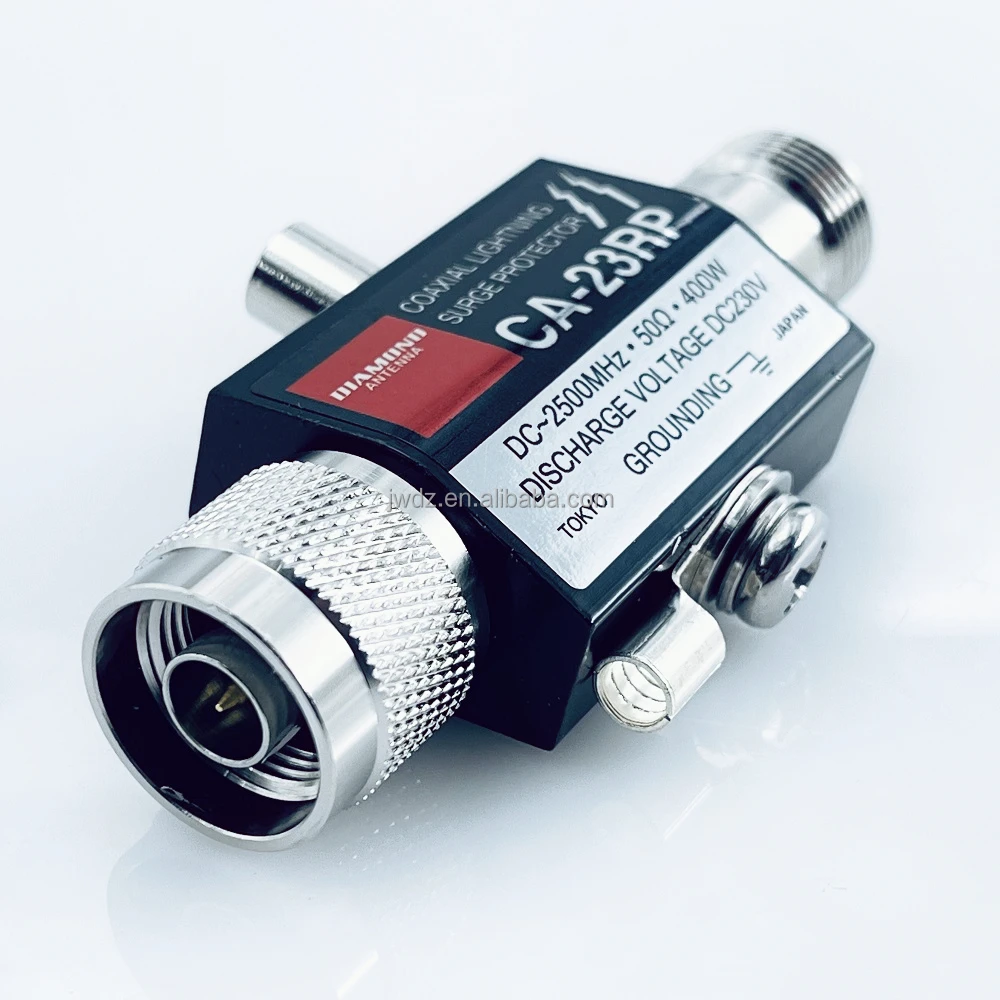
A common procurement error when buying lightning arresters in bulk is specifying the DC-3GHz arrester across an entire project without auditing the actual band plan of the antenna equipment. If even a portion of the installation uses 5GHz or C-band equipment, those positions require a DC-6GHz arrester or higher. Mixing frequency-tier mismatches in a batch order creates a hidden signal quality risk that is difficult to trace post-installation.
GDT Voltage Rating: Choosing the Right Arrester for Your System Voltage
The N-JKYP-6G lightning surge arrester is available in both 90V and 230V GDT variants. The selection logic is straightforward when the system design is known:
| Arrester GDT Voltage Rating | Typical Application | Selection Rationale |
|---|---|---|
| 90V arrester | Passive antenna feed lines, non-DC-pass configurations | Lower sparkover threshold provides faster protection response for low-voltage signal-only lines. Avoid this arrester variant if the line carries DC bias above 48V. |
| 230V arrester | Remote electrical tilt (RET) control lines, DC-pass antenna configurations, active antenna units (AAU) with DC bias | Higher sparkover voltage prevents nuisance triggering on lines carrying elevated DC control voltages (typically 48V–120V in tower-top active systems). Use this arrester variant for any DC-pass feed line. |
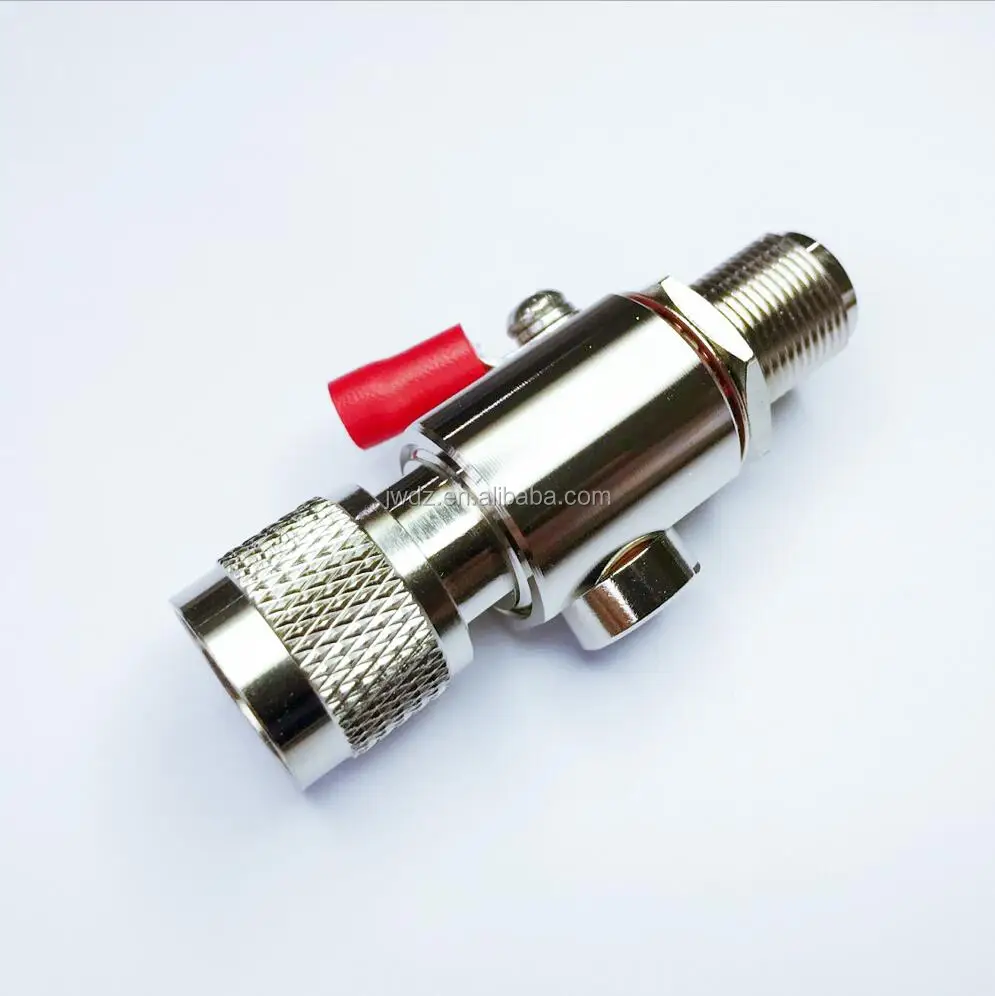
When placing a wholesale arrester order for a large antenna project, buyers frequently consolidate to a single GDT rating for purchasing simplicity. This supply chain shortcut carries a technical risk: active antenna units with DC bias on the feed line will prematurely trigger the 90V arrester, potentially degrading the protection element within months rather than years. Confirming the DC bias voltage for each port type before finalizing the arrester order is a step that pays dividends across the life of the deployment.
N Male-to-Female Connector Interface: Standard Arrester Configuration for Inline Feed Line Use
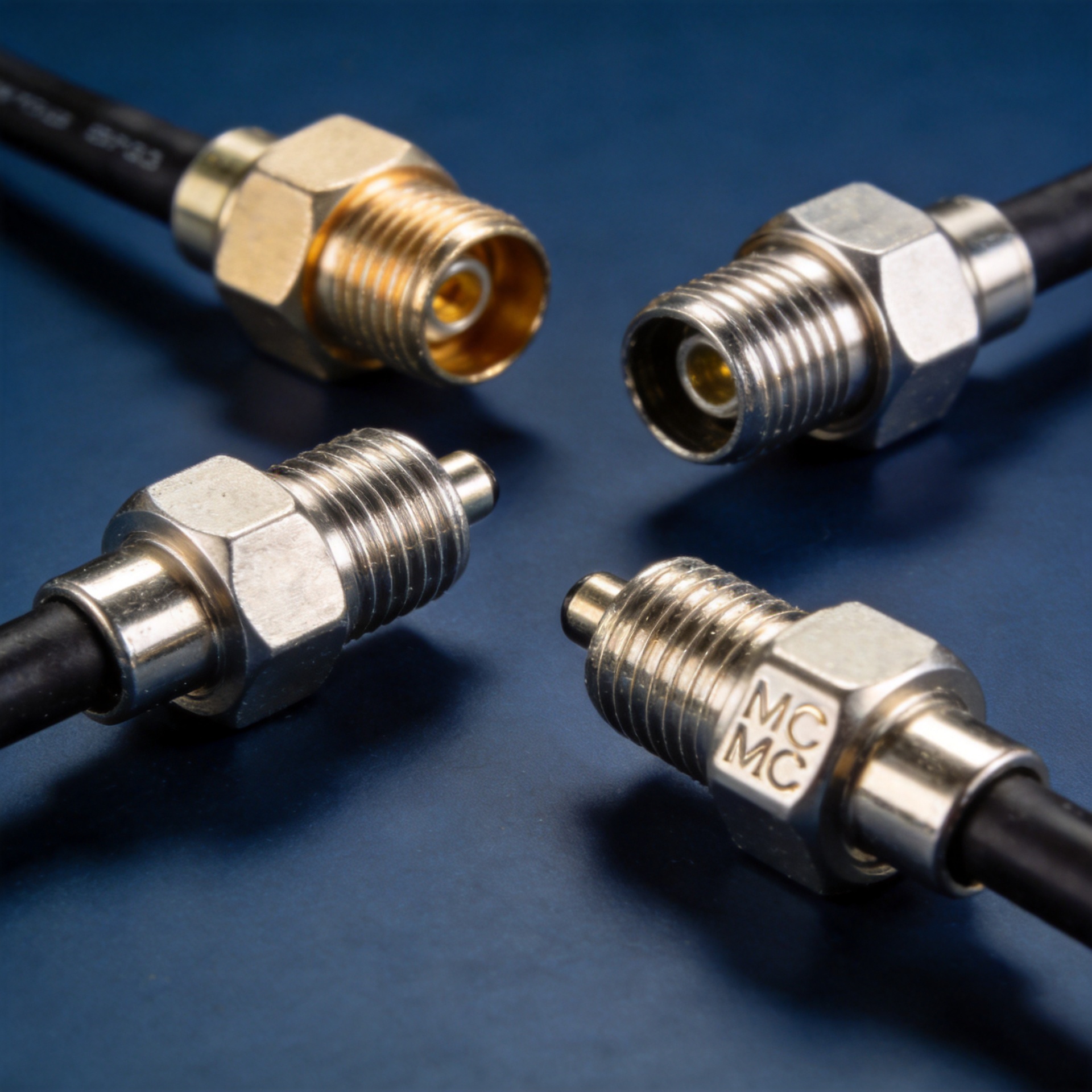
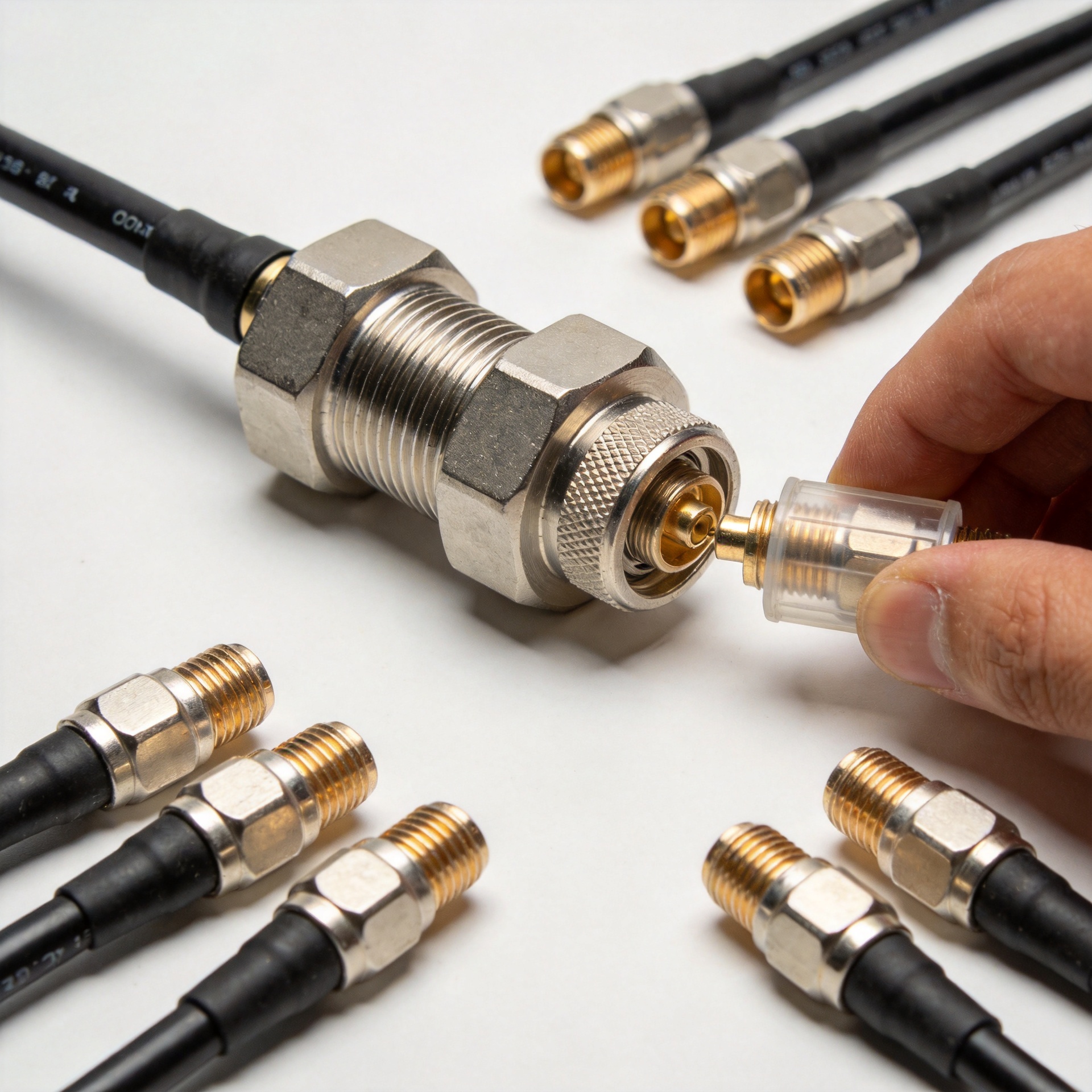
The N male input / N female output (N-male-to-N-female) configuration is the standard inline arrester geometry for antenna feed lines because it inserts directly into the existing cable run without requiring additional adapters. The male connector on the arrester body engages the cable assembly's female end at the antenna or port side; the arrester's female output connects to the next cable segment. This is the dominant configuration in both the CA-23RP and N-JKYP-6G lightning surge arrester products.
Buyers occasionally request N female-to-N female (bulkhead) arrester configurations for tower penetration panel installations where the arrester is mounted to a grounding panel. Both arrester configurations are available through the factory's OEM order process—clarifying the mounting context and connector gender requirement at the RFQ stage eliminates the most common arrester return scenario in bulk orders.
Wholesale and OEM Arrester Ordering: Qualification Checkpoints Before Placing a Bulk Order
Sourcing a lightning arrester directly from a Chinese manufacturer reduces landed cost but introduces qualification questions that a distributor relationship typically obscures. The relevant verification checkpoints for a first wholesale arrester order are:
- Batch consistency documentation: Request a production quality inspection report for a recent arrester production batch covering insertion loss, VSWR, and GDT sparkover voltage. A factory with 25 years of RF connector and component manufacturing history should have a defined arrester test protocol and traceable batch records.
- Connector interface tolerances: N-type connector mating dimensions under IEC 61169-16 define the mechanical tolerances that determine whether the arrester will mate repeatably with cables from other manufacturers. Ask for the arrester connector body drawing reference or test mate confirmation with your specific cable assembly connectors before committing to a full volume arrester order.
- Minimum order quantity (MOQ): Factory direct sourcing for standard N-type RF arrester models typically carries lower MOQ thresholds than equivalent catalog distributor orders, with price breaks structured by volume tier. Contact Zhenjiang Jiewei directly via their Alibaba-verified storefront (jwdz.en.alibaba.com) or direct inquiry to discuss volume pricing for project arrester quantities.
- OEM marking and packaging: If the project requires specific labeling, packaging, or barcode integration for field logistics, confirm the factory's OEM labeling capability and minimum quantity thresholds for custom arrester packaging runs.
Zhenjiang Jiewei Electronic Technology Co., Ltd. has served telecom equipment manufacturers, data center operators, and broadcast RF integrators across Asia, Europe, and North America for over two decades. The company's direct factory model provides buyers with a documented supply chain path from arrester production to delivery—relevant for vendor qualification submittals and approved vendor list (AVL) management in infrastructure projects.
RF Arrester Selection Summary: Procurement Checklist
- Confirm the highest frequency band in use: DC-3GHz arrester (sub-3GHz cellular) or DC-6GHz arrester (5GHz / C-band / multi-band).
- Verify whether any feed line carries DC bias voltage; if yes, specify the 230V GDT arrester variant; if passive signal only, the 90V arrester is appropriate.
- Confirm arrester connector gender: N male-to-female (inline) or N female-to-female (bulkhead panel).
- Request batch QC documentation (insertion loss, VSWR, GDT sparkover) for any arrester model before committing to volume order.
- Clarify OEM labeling or arrester packaging requirements at RFQ stage to avoid post-order lead time surprises.
For project quotations, technical specification clarifications, or sample requests on the CA-23RP or N-JKYP-6G lightning surge arrester series, contact Zhenjiang Jiewei Electronic Technology Co., Ltd. at [email protected] or visit www.chjwdz.com.