 EN
EN

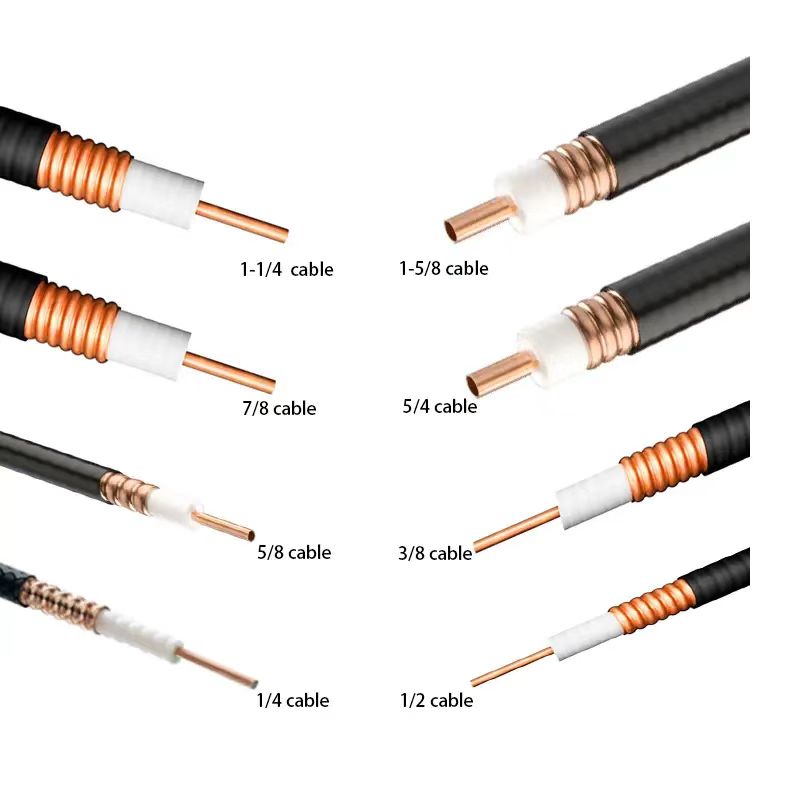
Proiectare structurală robustă pentru instalare aeriană pe turn
Armare mecanică împotriva vântului, gheții și sarcinilor de tensiune
Cablu de alimentare pentru turnuri de telecomunicații necesită o armare specială pentru a rezista la toate tipurile de condiții meteo extreme. Componentele principale din aceste proiecte sunt conductoarele cu proprietăți de întindere foarte puternice, având cel puțin 600 kg rezistență la tensiune. De asemenea, acestea includ straturi de fir aramid care reduc întinderea atunci când este aplicată greutate, cu aproximativ 40% mai puțin decât proiectele obișnuite fără această armare. Un alt aspect important este modelul de împletire elicoidală utilizat în întregime, care ajută la prevenirea răsucirii în timpul schimbărilor de temperatură. Toate aceste alegeri inginerești sunt importante deoarece mențin structura cablului chiar și atunci când este expus la vânturi de uragan de categoria 3, peste 178 km/h, sau când trebuie să facă față acumulării de gheață mai groasă de 12 mm în jurul turnului. Acest tip de durabilitate asigură menținerea conexiunii semnalelor atunci când turnurile sunt supuse celor mai mari sarcini.
Materiale de manta rezistente la UV și la abraziune pentru expunere pe termen lung
Stratul exterior acționează ca principalul nostru scut împotriva deteriorării cauzate de mediul înconjurător pe parcursul anilor. Amestecăm polietilena de înaltă densitate cu stabilizatori din negru de fum care blochează aproape toate razele UV conform testelor ASTM. Materialul conține, de asemenea, polimeri reticulați care se pot întinde cu peste cinci sute la sută atunci când este necesar, pentru a rezista impacturilor cauzate de obiecte în mișcare. Aditivi speciali ajută la reducerea uzurii mantalei cu aproximativ două treimi în timpul instalării prin scripeți. Împreună, aceste componente asigură stabilitatea produsului în fața luminii UV timp de aproximativ douăzeci și cinci de ani, fără a dezvolta crăpături sau a deveni casant, chiar și în medii extreme precum deșerturile, unde nivelurile de UV pot depăși valoarea unsprezece. Testele în condiții reale arată o uzură de mai puțin de zero virgulă doi milimetri pe an după expunere continuă.
Rezistență Mediu: Protejarea Cablului Alimentator în Condiții Extreme
Turnurile de telecomunicații necesită cabluri de alimentare proiectate să reziste la stresori mediatici extremi, inclusiv temperaturi extreme, umiditate și expunere la substanțe chimice, care pot degrada performanța și pot compromite continuitatea semnalului. Rezistența nu este opțională; este fundamentală pentru fiabilitatea operațională.
Stabilitate termică în domeniul de operare de la -40°C la +70°C
Cablurile de alimentare trebuie să mențină integritatea dielectrică în condiții severe de cicluri termice. Cablurile certificate pentru domeniul de la –40°C la +70°C (conforme cu IEC 60794-4) utilizează izolație din polietilenă reticulată (XLPE), care își păstrează flexibilitatea pe întregul interval de 110°C — prevenind microfisurile cauzate de contracție și dilatare, o cauză principală a pierderii semnalului în aplicațiile pentru turnuri.
Prevenirea pătrunderii umidității prin tehnologii cu miez umplut cu gel sau cu blocare uscată
Umiditatea provenită din umezeală și ploaie poate reduce semnificativ durata de viață a cablurilor de alimentare. Nucleele umplute cu gel funcționează prin crearea unui fel de scut hidrofob în interiorul mantelei cablului, care respinge orice apă care pătrunde în interior. Tehnologia dry block funcționează diferit — utilizează materiale speciale care absorb umiditatea la contactul cu aceasta, mărirându-se cu aproximativ trei ori față de dimensiunea lor inițială. Ambele metode îndeplinesc cerințele GR-20-CORE privind protecția împotriva inundațiilor. Testele în teren arată că aceste sisteme etanșate reduc problemele de coroziune cu aproximativ 90% mai eficient decât cablurile obișnuite fără etanșare. Cel mai important, acest lucru înseamnă că cablurile instalate în apropierea coastei sau în zone cu climă caldă și umedă tind să rămână funcționale mult peste douăzeci de ani înainte de a necesita înlocuire.
Performanță electrică și siguranță în medii cu turnuri de înaltă densitate
Integritate dielectrică și rezistență la tracking în apropierea echipamentelor de înaltă tensiune
Integritatea dielectrică nu poate fi în niciun caz compromisă atunci când vine vorba de siguranța cablurilor de alimentare la turnurile de telecomunicații, pline de echipamente diverse cu înaltă tensiune. Cablurile trebuie să suporte câmpuri electrice intense fără ca izolația să cedeze, ceea ce în general presupune o rigiditate dielectrică undeva între 20 și poate chiar 30 kV pe mm. Probleme apar atunci când aceste cabluri sunt situate în apropierea transformatoarelor sau liniilor electrice, deoarece în acest caz rezistența la urmărire (tracking) este foarte importantă. Fără o rezistență adecvată, pot apărea trasee conductive de carbon pe suprafețele izolante ori de câte ori există acumulare de murdărie sau umiditate. Din acest motiv, majoritatea producătorilor apelează la polietilenă reticulată (XLPE) sau polietilenă de înaltă densitate (HDPE) pentru materialele de înveliș, deoarece acestea combat natural acest tip de urmărire electrică. Realizarea corectă a ambelor straturi face toată diferența la bazele aglomerate ale turnurilor, unde o defectare prin arc electric ar putea declanșa un lanț de defecțiuni în întregul sistem. Experiența arată că cablurile care lipsesc de aceste caracteristici de protecție tind să se defecteze de aproximativ trei ori mai des în zonele supuse unor stresuri electrice intense.
Certificare, fiabilitate și durată dovedită de viață a cablurilor pentru alimentarea turnurilor
Conformitate cu standardele IEC 60794-4 și GR-20-CORE
Obținerea certificărilor industriale corespunzătoare este absolut esențială pentru cablurile de alimentare ale turnurilor în piața de astăzi. În ceea ce privește standardele, IEC 60794-4 verifică în esență cât de bine funcționează cablul din punct de vedere optic, chiar și atunci când este supus unor stresuri mecanice. Apoi există GR-20-CORE, care analizează cât de rezistent rămâne cablul față de diverse provocări de mediu. Acestea includ capacitatea de a rezista la deteriorarea cauzată de inundații, expunerea prelungită la radiațiile UV din lumina solară și de a suporta forțe de tracțiune de aproximativ 2.500 de newtoni. Majoritatea producătorilor cheltuie o cantitate considerabilă de timp testând diferite aspecte ale produselor lor înainte de lansare. Ei verifică totul, de la durabilitatea mantalei exterioare până la cantitatea de semnal care se pierde pe distanță, precum și faptul că cablul poate fi îndoit fără a cauza deteriorări. Aceste teste ajută la asigurarea faptului că cablurile funcționează în mod fiabil în toate tipurile de scenarii de instalare din întreaga lume.
durată de viață de 25 de ani cu o rată anuală de defectare <0,5% (date din teren OFC-2023)
Datele colectate în timpul OFC-2023 arată că cablurile de alimentare cu certificare adecvată pot dura aproximativ 25 de ani, având o rată de defectare mai mică de jumătate la sută anual. Ce le face atât de fiabile? Nucleele blocate cu gel împiedică umiditatea să pătrundă chiar și atunci când umiditatea relativă depășește 95%. Aceste cabluri dispun, de asemenea, de o manta din HDPE care rămâne flexibilă până la minus 40 de grade Celsius, precum și materiale certificate pentru utilizare în exterior, rezistente la deteriorarea cauzată de ozon. Cercetătorii au analizat aproximativ 12.000 de instalații din diverse locații și au constatat că turnurile din zonele costale, precum și cele din deșert, au menținut o disponibilitate apropiată de 98%. Un astfel de performanță economisește operatorilor aproximativ 740.000 de dolari SUA în costuri de înlocuire pentru fiecare amplasament, conform raportului Institutului Ponemon din 2023.
Secțiunea FAQ
De ce este importantă armarea mecanică pentru cablurile de alimentare?
Rezistența mecanică este esențială pentru cablurile de alimentare pentru a rezista condițiilor meteo dificile, cum ar fi vântul puternic și depunerea de gheață, asigurând continuitatea semnalului și prevenind deteriorarea structurală.
Cum prelungesc materialele rezistente la UV durata de viață a cablurilor de alimentare?
Materialele rezistente la UV, cum ar fi polietilena de înaltă densitate amestecată cu stabilizatori pe bază de funingine de carbon, previn deteriorarea cablurilor din cauza factorilor externi, menținând integritatea și flexibilitatea acestora pe perioade lungi.
Care este rolul integrității dielectrice în turnurile de telecomunicații?
Integritatea dielectrică asigură faptul că cablurile de alimentare pot suporta câmpuri electrice de înaltă tensiune fără a compromite izolația, ceea ce este esențial pentru siguranță în mediile turnurilor pline cu echipamente de înaltă tensiune.
Cum contribuie tehnologia de prevenire a umidității la creșterea longevității cablurilor?
Tehnologiile de prevenire a umidității, cum ar fi nucleele umplute cu gel sau cele cu barieră uscată, protejează cablurile de deteriorarea cauzată de apă, prelungind semnificativ durata lor de funcționare, în special în zonele umede și costale.
Ce certificări sunt importante pentru cablurile de alimentare ale turnurilor?
Certificările precum IEC 60794-4 și GR-20-CORE sunt esențiale, deoarece asigură faptul că cablurile respectă standardele industriale privind performanța mecanică, optică și mediu.
Table of Contents
- Proiectare structurală robustă pentru instalare aeriană pe turn
- Rezistență Mediu: Protejarea Cablului Alimentator în Condiții Extreme
- Performanță electrică și siguranță în medii cu turnuri de înaltă densitate
- Certificare, fiabilitate și durată dovedită de viață a cablurilor pentru alimentarea turnurilor
-
Secțiunea FAQ
- De ce este importantă armarea mecanică pentru cablurile de alimentare?
- Cum prelungesc materialele rezistente la UV durata de viață a cablurilor de alimentare?
- Care este rolul integrității dielectrice în turnurile de telecomunicații?
- Cum contribuie tehnologia de prevenire a umidității la creșterea longevității cablurilor?
- Ce certificări sunt importante pentru cablurile de alimentare ale turnurilor?
