EN

What Is GDT Surge Protection for RF Systems?
GDT surge protection is a way to protect an RF signal path from lightning-induced and switching surges without placing a large electrical burden on normal radio-frequency operation. A GDT, or gas discharge tube, is normally an open circuit. When a high-voltage transient reaches its ignition threshold, the gas inside ionizes and creates a low-impedance route for surge current toward ground.
That simple description matters because an RF system is not just a cable with an accessory attached. It is a signal chain with impedance, frequency range, connector interfaces, and grounding all working together. A protector that survives a surge but disturbs the wanted signal is not a complete solution. Conversely, a good RF path without a defined route for surge energy leaves downstream radios, amplifiers, receivers, and test equipment exposed.
What a GDT does during a surge event
In practical terms, GDT surge protection starts as an insulating part of the circuit and becomes a diversion path only when a transient drives the voltage high enough to trigger it.
Under normal conditions, the gas between a GDT's electrodes remains non-conductive. This gives the device high insulation resistance and helps it stay out of the everyday RF signal path. When a transient raises the voltage sufficiently, the gas ionizes. The GDT then changes state and diverts high-energy current away from the protected equipment through the grounding path.
Think of the device as a pressure-relief route for an abnormal electrical event, not as a component that improves ordinary RF transmission. In a properly selected installation, the protected side of the coaxial line sees less surge energy because the protector provides a more controlled path to ground. Once the event has passed and conditions return to normal, the device is intended to return to its insulating state.
There is an important distinction here: a GDT is not a universal guarantee against every damage mechanism. Protection performance depends on the surge environment, the grounding path, conductor routing, protector placement, and coordination with other protection measures. For sensitive electronics, a layered design may use additional protection devices elsewhere in the system.
Why GDT surge protection is useful in RF systems
The value of GDT surge protection in a coaxial line is its ability to address a high-energy event while remaining a low-capacitance option for normal RF operation.
RF and coaxial systems often need low added capacitance because extra capacitance can affect high-frequency behavior. GDT-based approaches are widely used in RF protection because the tube can remain electrically unobtrusive during normal operation while offering a path for high-energy surge current during an abnormal event.
This does not mean every GDT surge protection device is suitable for every band. The usable frequency range, return loss, insertion loss, power handling, connector type, and environmental construction still need to match the application. A protector intended for a low-frequency control line should not be assumed to fit a multi-gigahertz RF feedline simply because both use a gas discharge tube.
At its simplest, the selection question is: can the protector pass the required RF signal with acceptable system impact while providing a credible surge path? That is the starting point. The complicating factor is that the grounding connection and physical installation may matter as much as the inline protector itself.
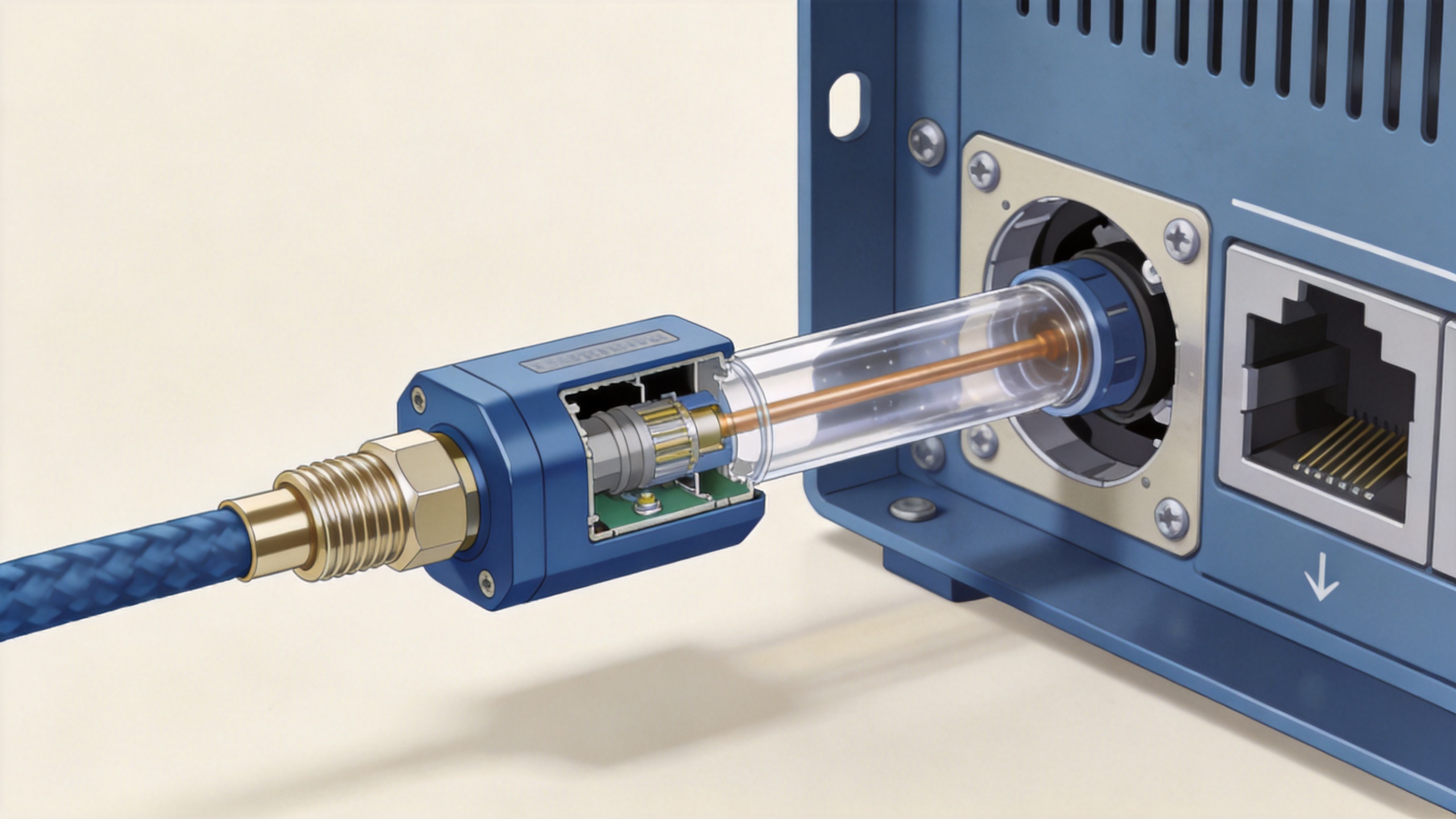
Where to place a GDT protector in a coaxial RF path
For GDT surge protection to work as intended, placement and grounding must be considered together rather than as separate installation tasks.
A common application is at the point where an outdoor antenna feedline enters a building, equipment shelter, cabinet, or protected zone. The goal is to give surge current a short route to the grounding system before it can travel farther down the coaxial path toward active equipment.
Placement should be considered as part of the complete RF protection layout. A long, sharply routed ground lead can add inductance and reduce the practical effectiveness of the diversion path during a fast transient. Keep the ground connection as short and direct as the installation design allows, follow applicable site grounding practices, and avoid treating the protector as a substitute for bonding, earthing, and lightning-protection planning.
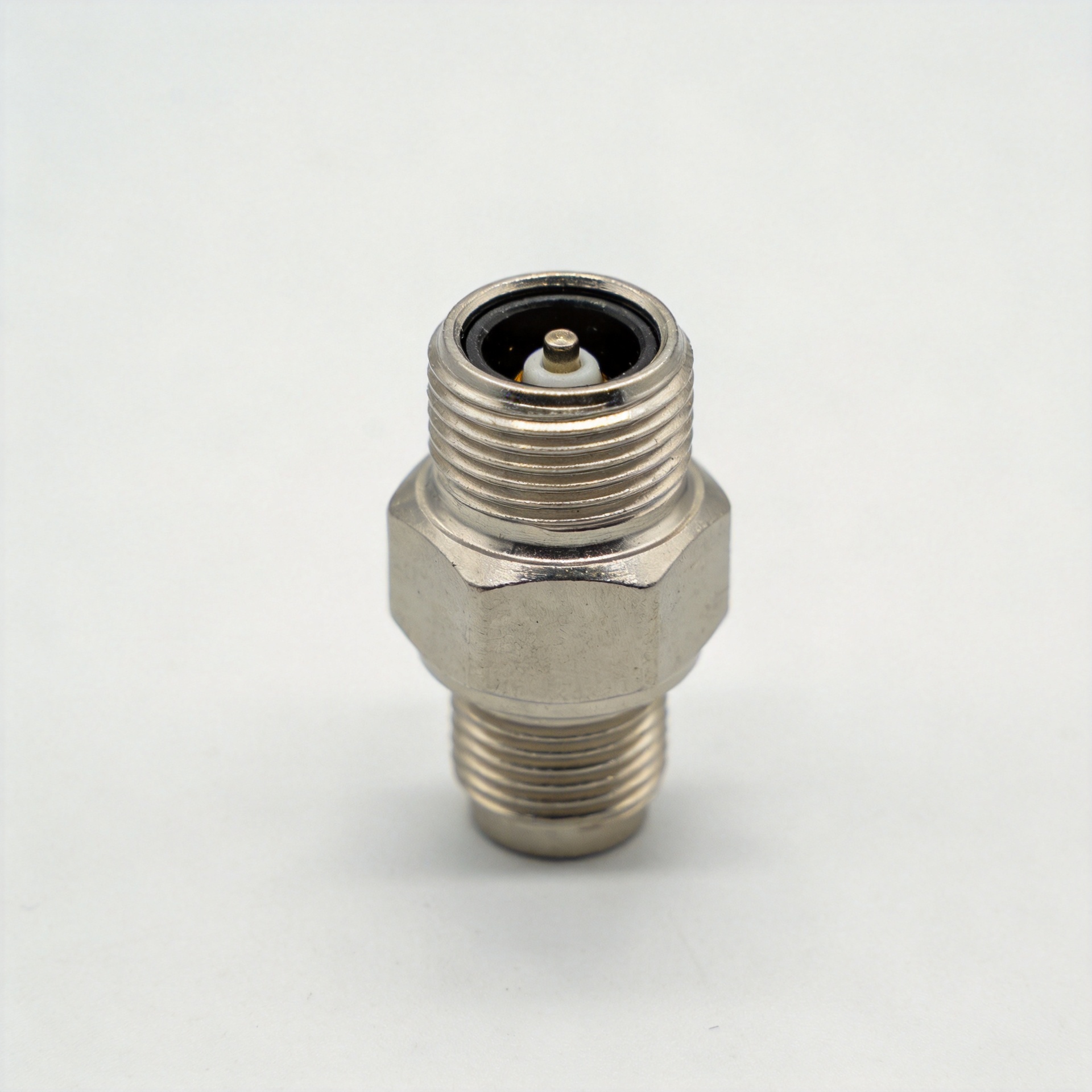
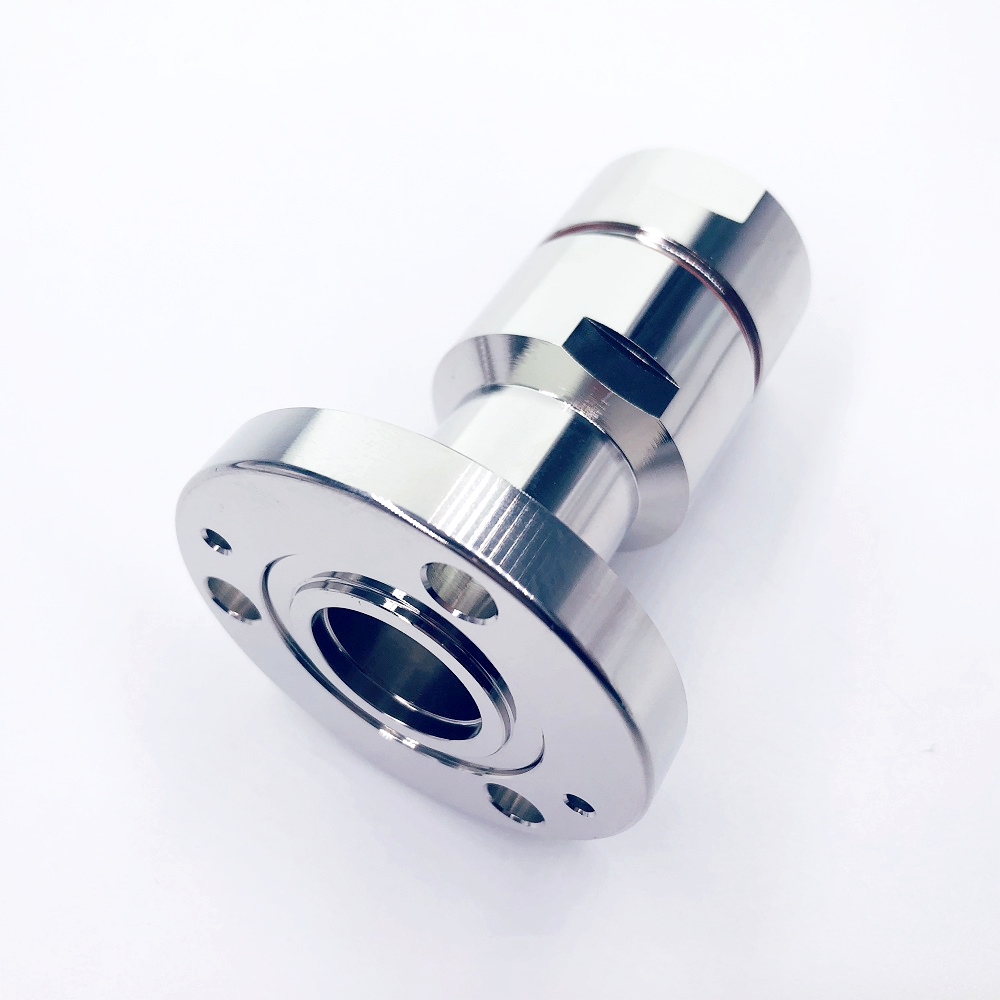
For example, a product such as the N-JKYP-6G DC-6GHz N-male to N-female gas discharge tube surge protector may be relevant where its confirmed connector format and stated frequency coverage align with the system. The final decision should still be based on the project's required frequency band, interface, grounding arrangement, and documentation review.
Key specifications to review before selecting one
When comparing GDT surge protection options, evaluate the RF and protection specifications as one coordinated set of requirements.
GDT surge protection should be evaluated as an RF component and a protection component at the same time. A useful review checklist includes:
- Operating frequency range: Verify that the protector covers the frequencies used by the antenna, radio, or test system.
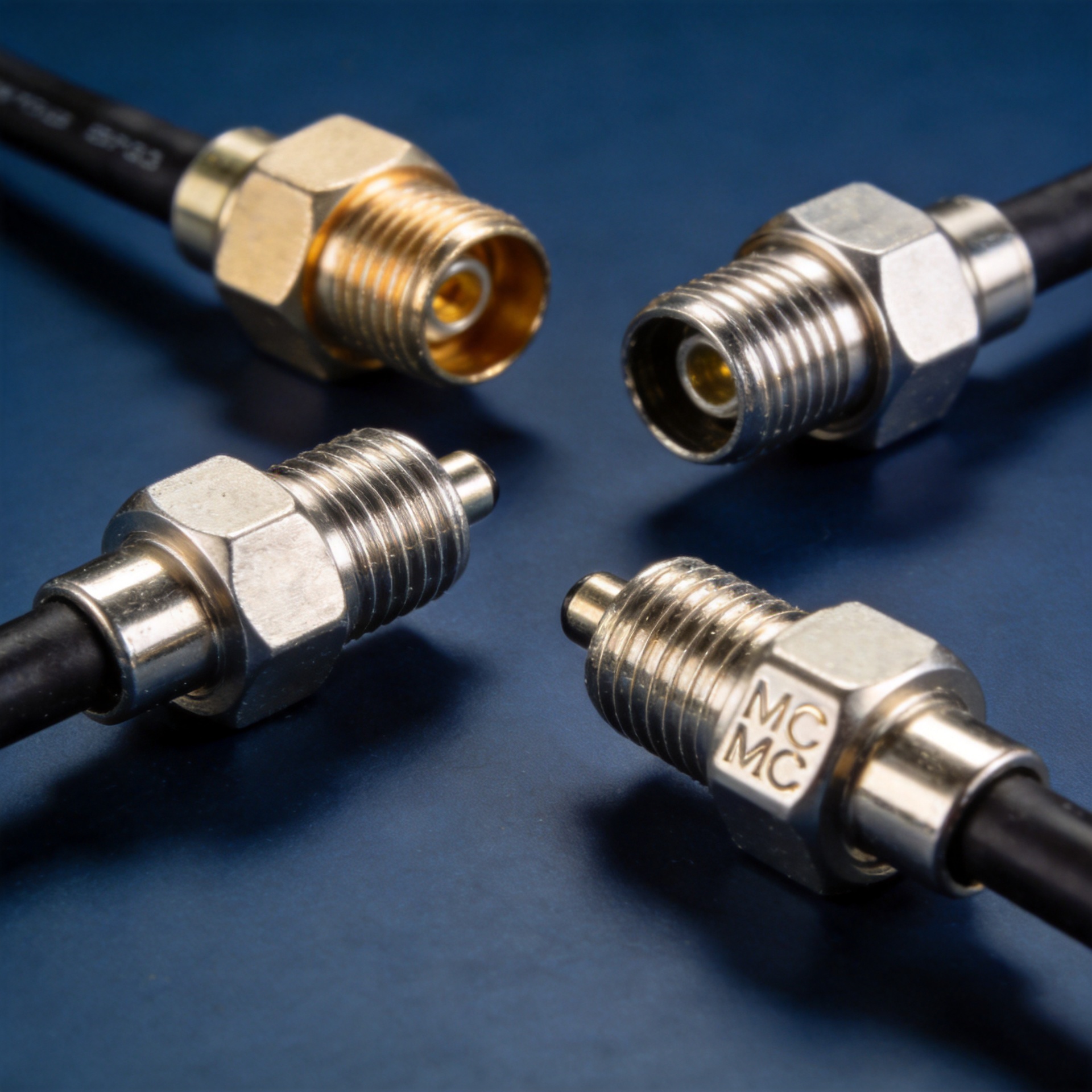
- Connector interface and gender: Confirm that it mates directly with the existing RF path so unnecessary adapters do not add interfaces or installation problems.
- RF performance: Review the supplier's insertion-loss and return-loss information at the frequencies that matter to your deployment.
- Surge and discharge ratings: Check the published ratings against the site risk assessment and the broader protection design rather than comparing one headline number alone.
- DC pass or DC block requirement: Decide whether the line carries DC, control signals, or remote powering in addition to RF.
- Grounding and enclosure conditions: Confirm the mounting method, bonding point, weather exposure, and maintenance access.
If you are deploying in a controlled indoor environment, the environmental requirement may be modest. But if the coaxial line reaches a rooftop, tower, remote radio location, or exposed cabinet, start with the outdoor installation conditions and grounding plan rather than price alone.
Common misconceptions about GDT protection
“Higher surge capability is the only specification that matters.”
It is not. High-energy handling is valuable, but the RF path must also work at the intended frequency and connector interface. A protector must fit the complete signal path, not just one surge-rating line in a datasheet.
“A coaxial protector works without a good ground.”
A GDT protector diverts energy; it does not make that energy disappear. Without a deliberate, low-impedance route into the site's grounding and bonding system, the protection concept is incomplete. Have the overall installation reviewed by qualified personnel when lightning exposure or critical equipment is involved.
“A GDT replaces all other protection.”
Not quite. Surges can enter through AC power, data, control, and other conductors. A resilient RF installation considers all relevant entry paths and coordinates protection methods across them.
A practical takeaway for RF teams
Effective GDT surge protection is a system decision: the device, the entry point, the grounding path, and the operating RF requirements all need to align.
GDT surge protection is valuable because it gives abnormal surge energy a controlled route away from an RF system while keeping normal signal loading low. For an awareness-stage design discussion, the right next step is not to choose the first available arrestor. Map the RF path, define the frequency and interface requirements, identify the building-entry or protected-zone boundary, and confirm how the protector will bond to the grounding system.
For telecom, broadcast, data-center, industrial wireless, and laboratory installations, this system view is usually more useful than evaluating a GDT in isolation. A suitable protector, correctly placed and grounded, can support a more robust RF signal chain; selection and installation details determine whether that potential is realized.