EN
EN

What Is a Cable Assembly? Definition, Types and Differences from Wire Harness
Having sourced RF interconnect components for large-scale telecom deployments, I have seen this happen more than once: a procurement team submits an RFQ using "cable harness assembly" and "wire harness assembly" interchangeably, and the factory quotes the wrong product entirely. The terms look similar on paper, but they describe fundamentally different constructs — which can mean a misquoted job, a delayed delivery, or a component that simply does not fit the application. Before you send your next specification to a factory, here is what you need to know.
What Is a Cable Assembly?
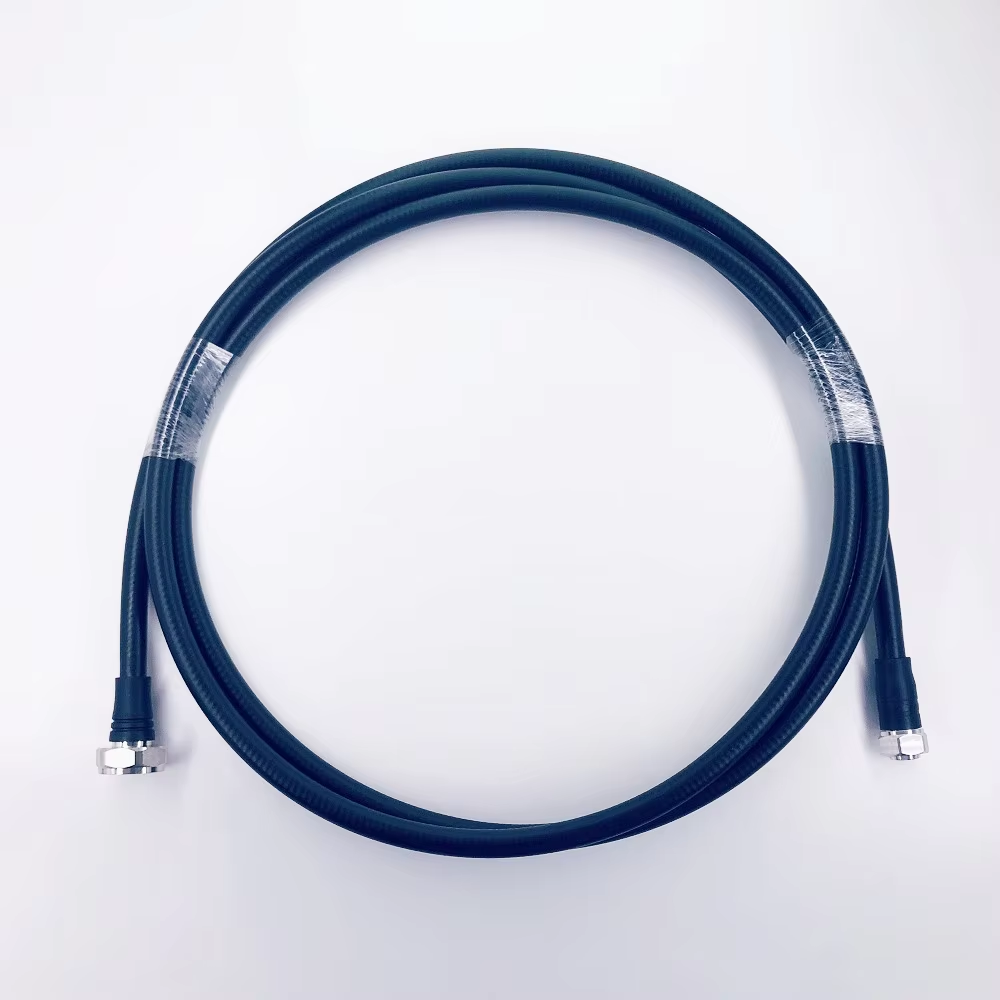
Think of a cable harness assembly as a complete, self-contained interconnect unit—similar to a garden hose that runs from one fitting to another, protected from end to end. A cable harness assembly (in the broad sense) is an organized grouping of one or more insulated conductors, terminated at both ends with connectors, and enclosed within a continuous outer jacket that runs the full length of the assembly.
The outer jacket is the defining feature. It provides environmental protection against moisture, abrasion, and UV exposure; bundles the conductors into a single manageable unit, and in RF and high-frequency applications, establishes a predictable impedance environment along the signal path. The structure is linear: conductors run point-to-point from one terminated end to the other, with no branching anywhere along the path.
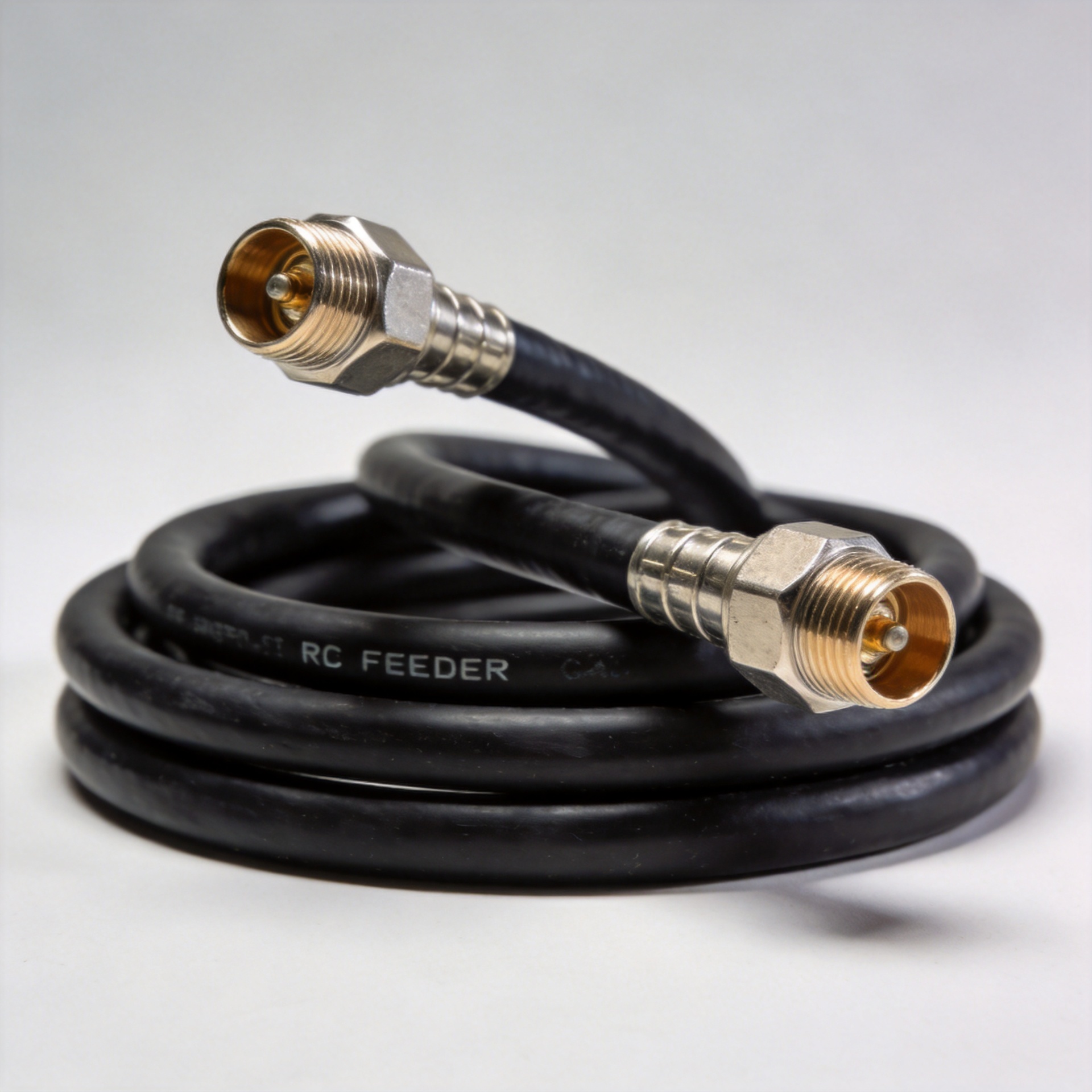
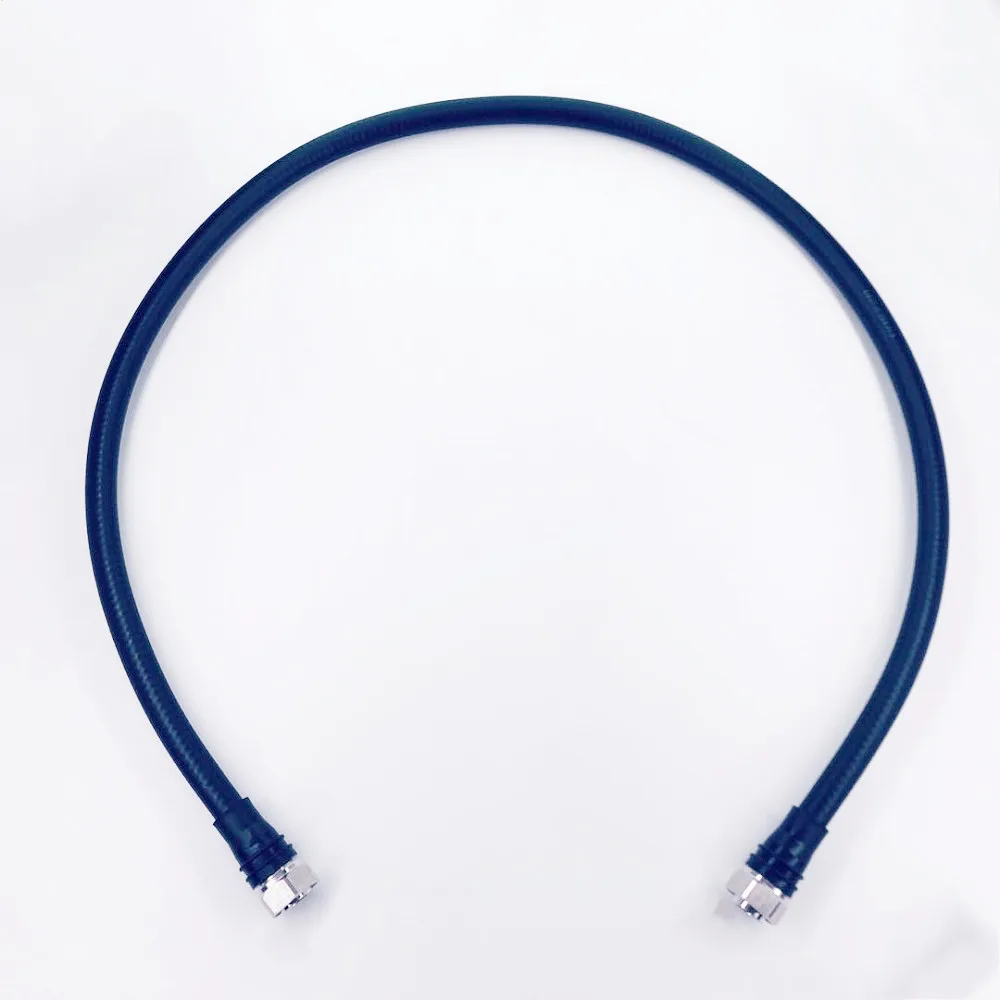
For RF and telecom applications, the abbreviated form cable assy—widely used in factory communications, purchase orders, and technical drawings—in the RF and telecom context, refers to a coaxial cable assembly: a center conductor surrounded by dielectric, a braided or foil outer shield, and an outer jacket, terminated with RF connectors at both ends.
Main Types of Cable Assemblies
The category of cable harness assembly you need depends on signal type, frequency range, and installation environment. In the RF and telecom space, three types appear most often:
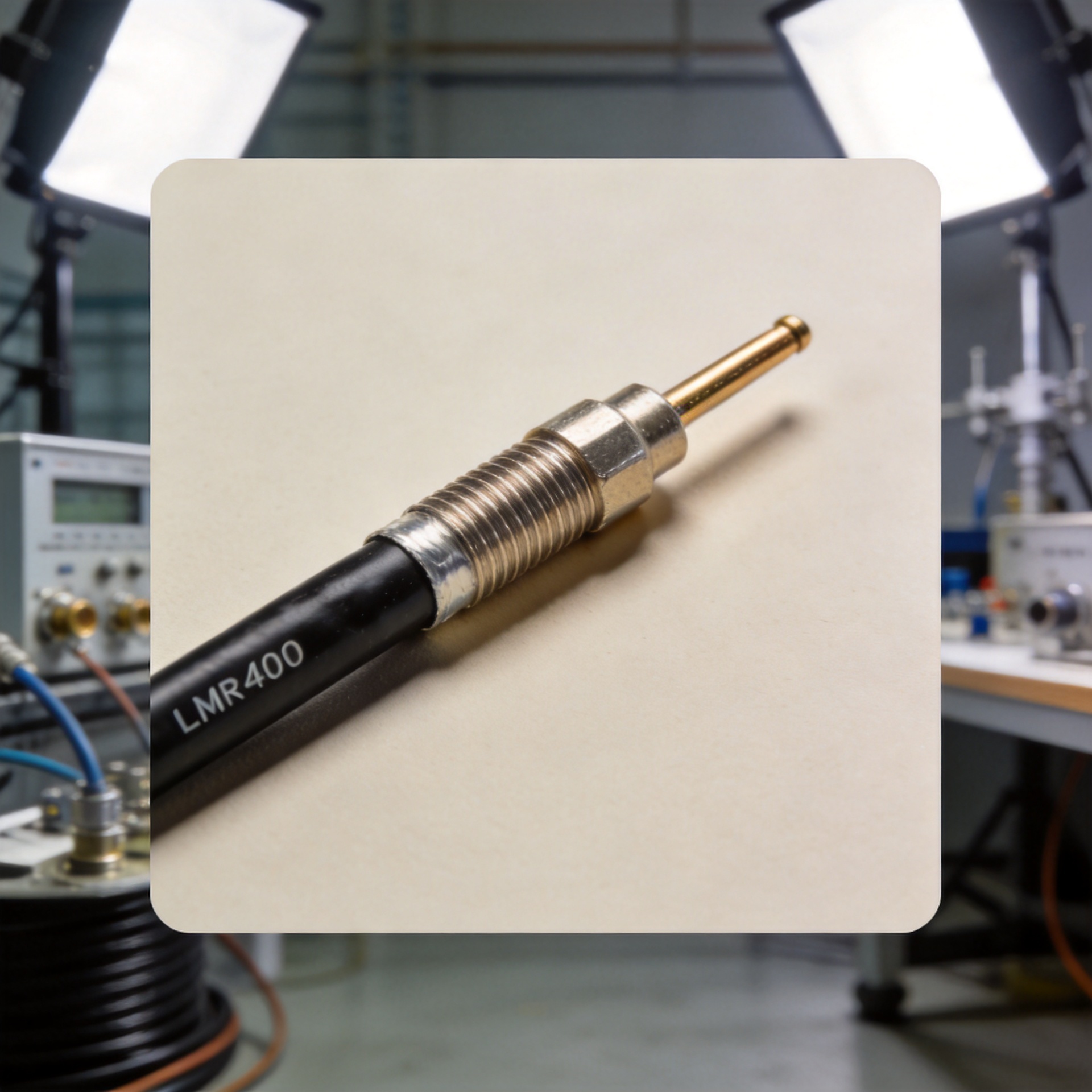
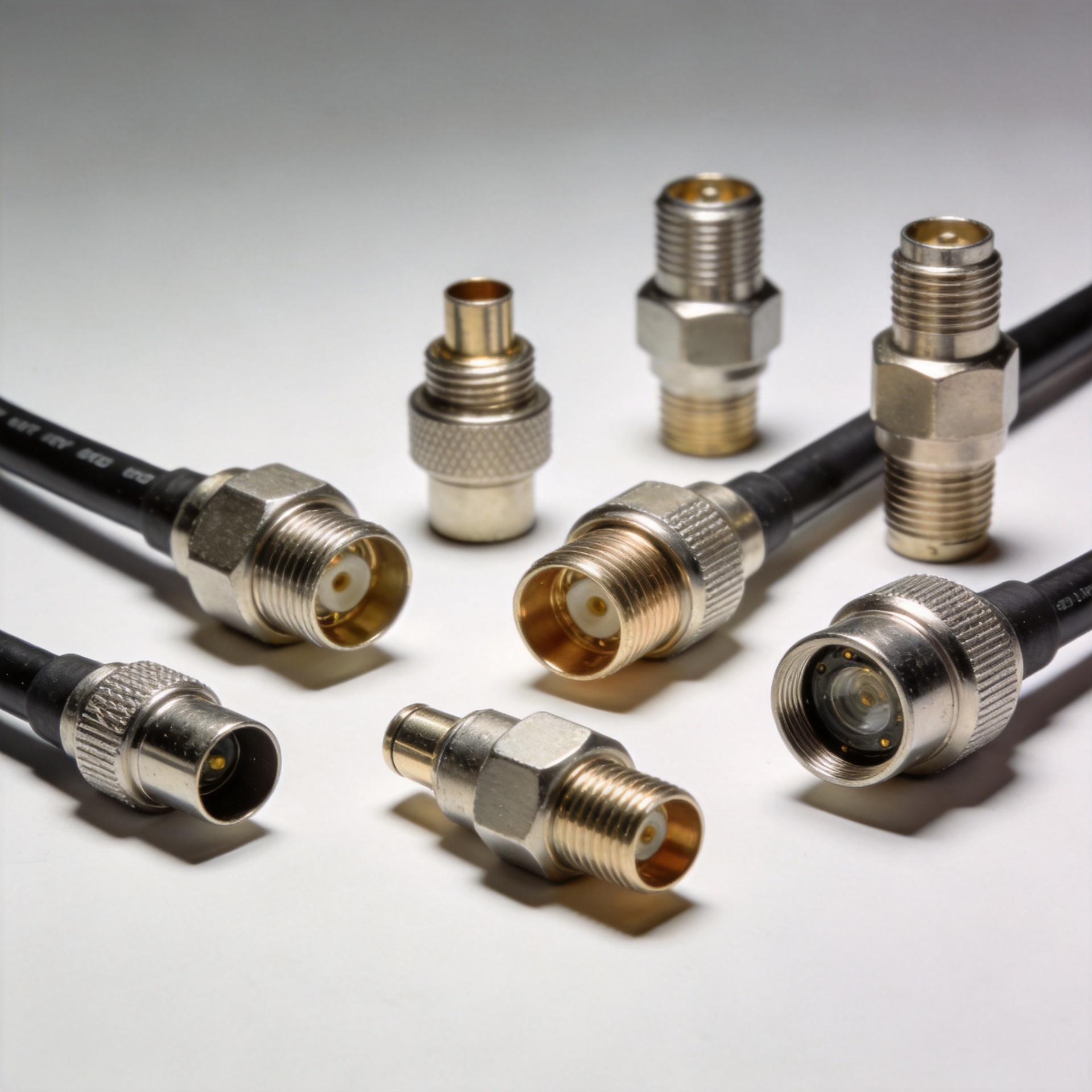
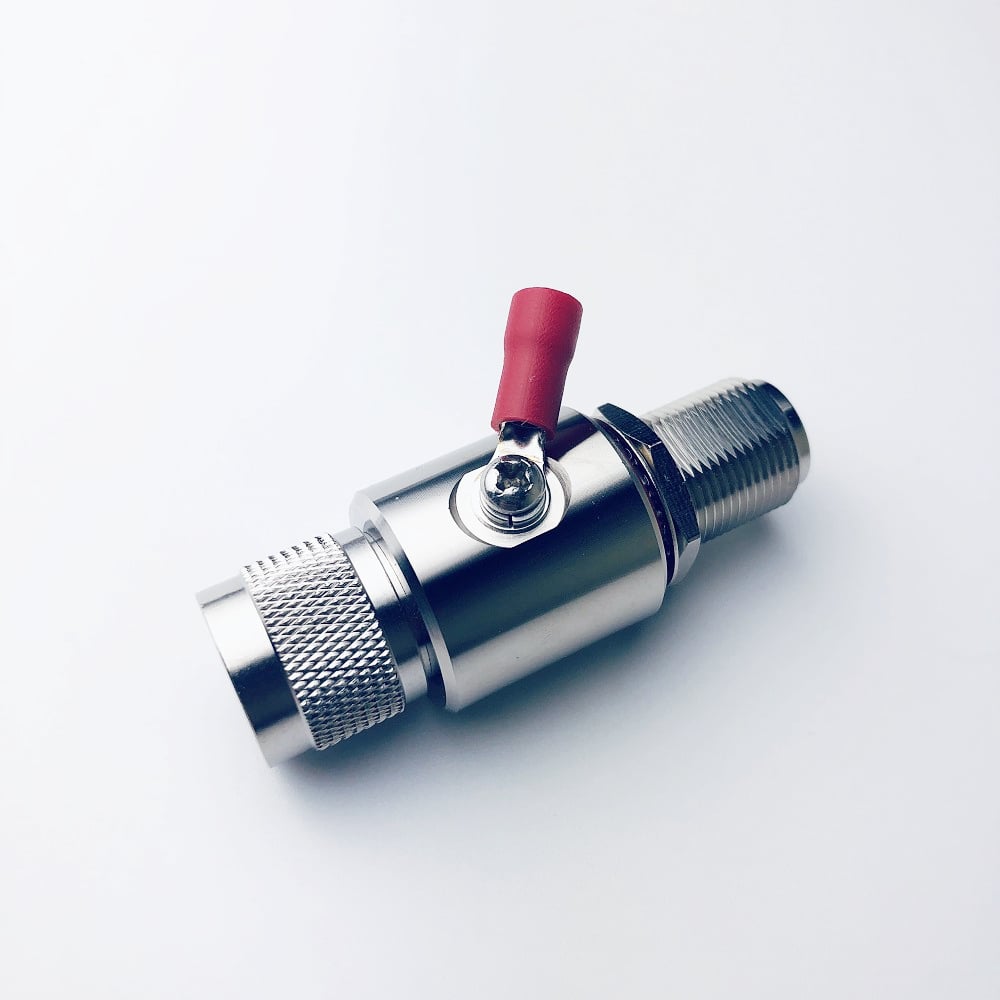
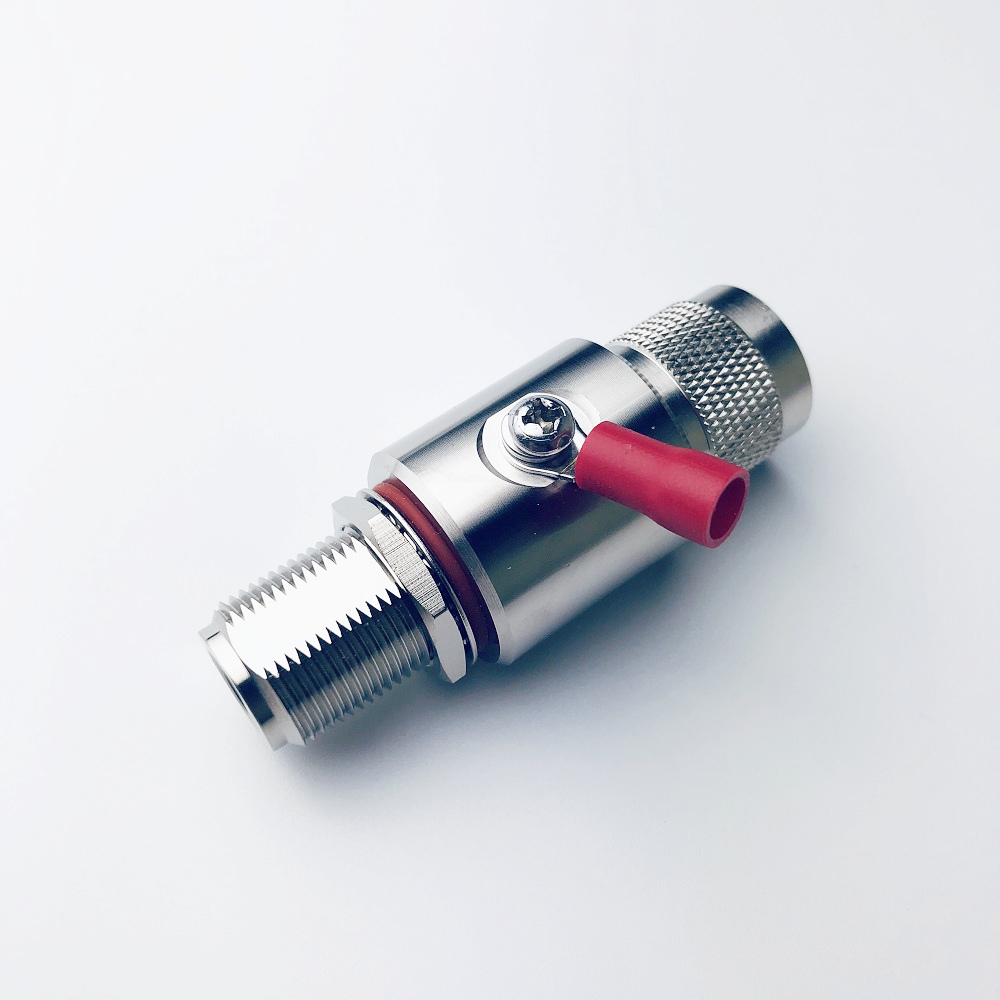
- RF coaxial cable assemblies (standard rigid): The backbone of wireless and broadcast infrastructure. These provide controlled 50-ohm impedance signal paths between antennas, base stations, tower-mounted amplifiers, and distribution equipment. Typical configurations include half-inch coaxial cable terminated with N-type connectors (rated DC to 11 GHz per IEC 60169-16) for longer antenna feedlines where low insertion loss per meter is the primary requirement. The 1/2 cable assembly with N male connector is a standard configuration used in antenna tower installations.
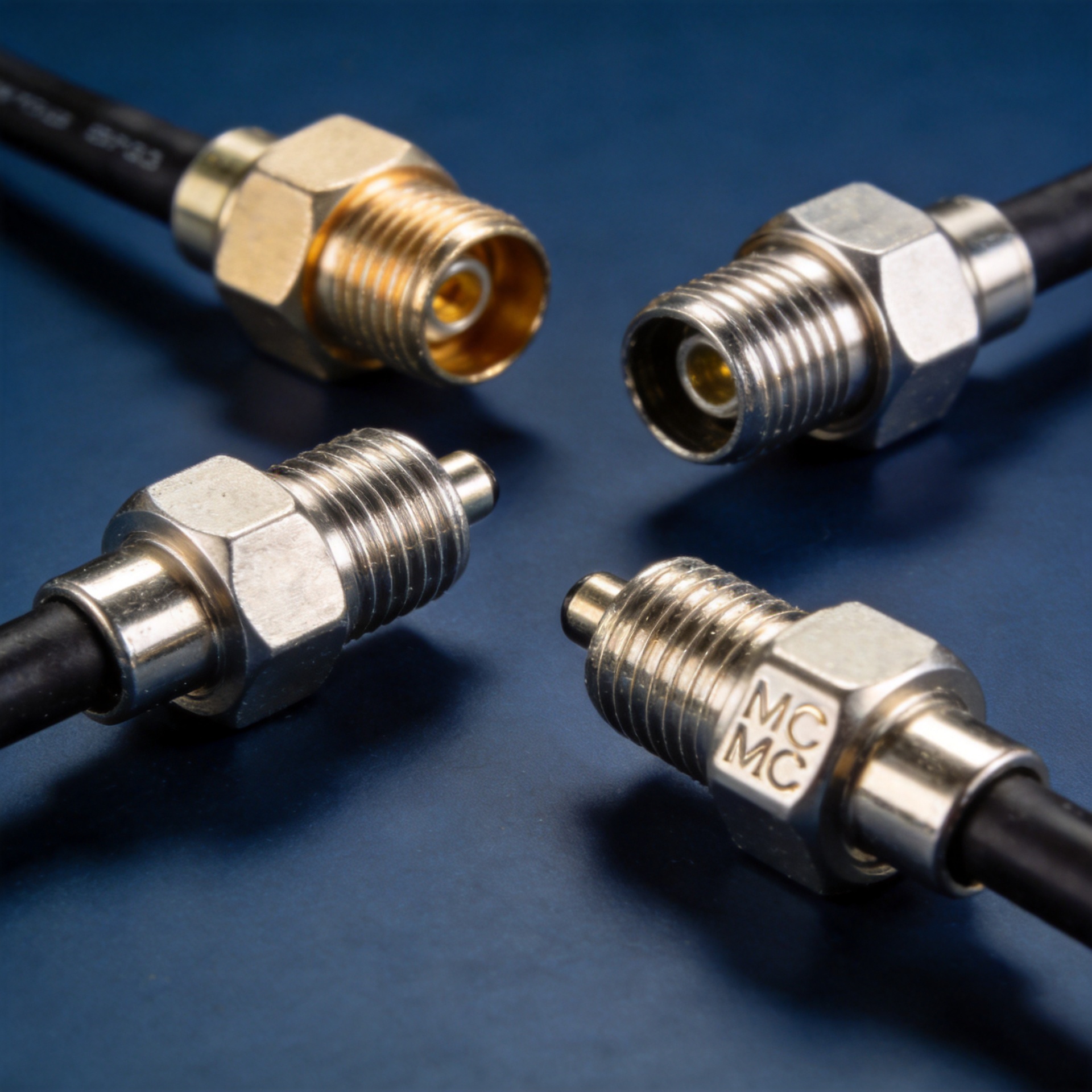
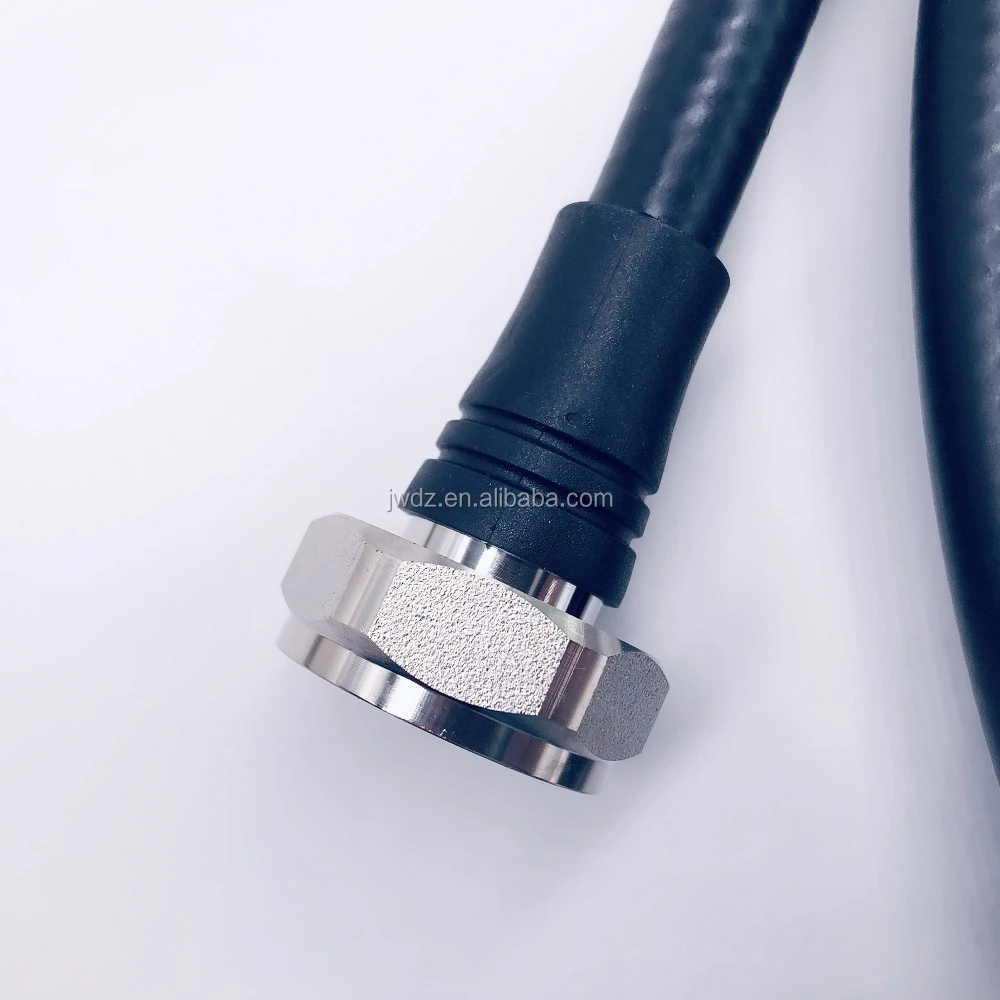
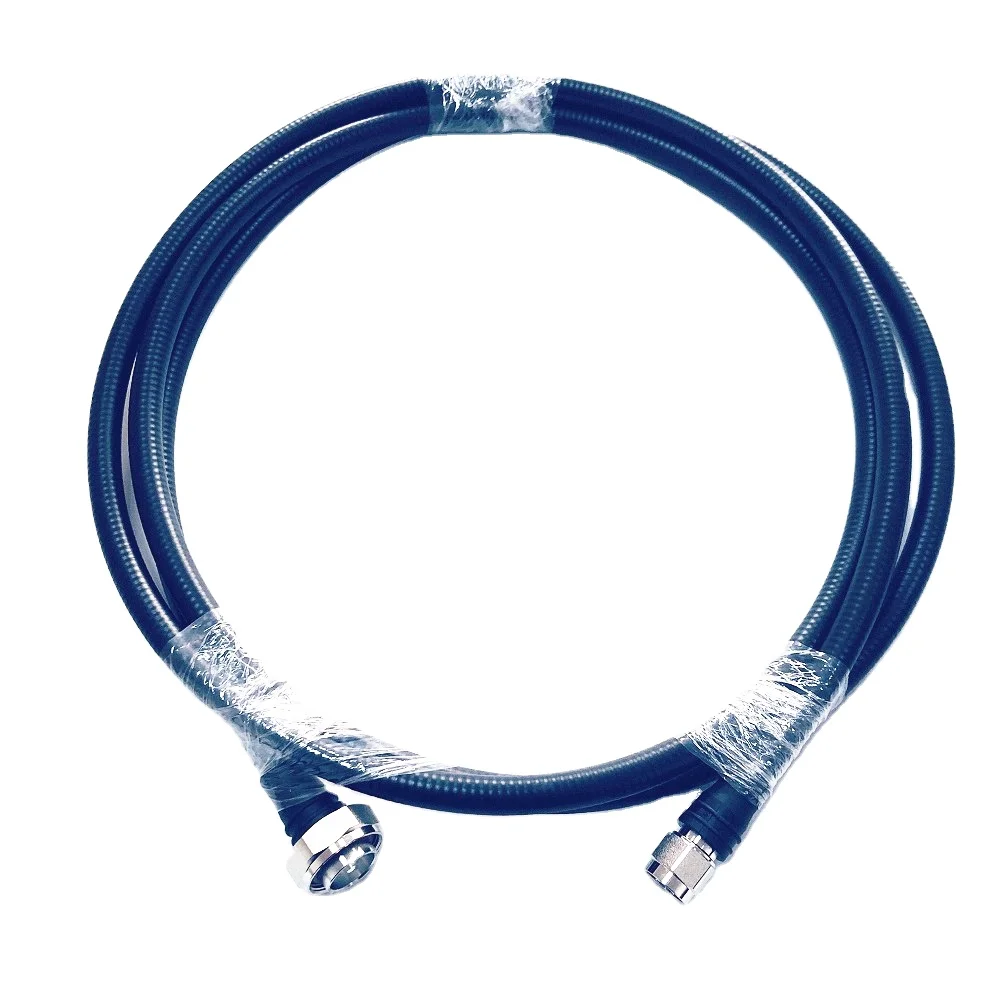
- Super-flexible RF jumpers: Common in modern distributed antenna systems (DAS) and 5G base station equipment rooms, these are used where space is limited and the cable needs to route around equipment enclosures without stressing the connectors. A 1/2-inch super-flexible cable assy with 4.3-10 male connectors at each end can replace stiffer rigid runs where routing geometry would otherwise cause mechanical stress at the termination point. The Factory Price 1/2 Super Flexible Cable Assembly 4.3-10 Male To 4.3-10 Male Jumper represents this category for congested equipment environments.
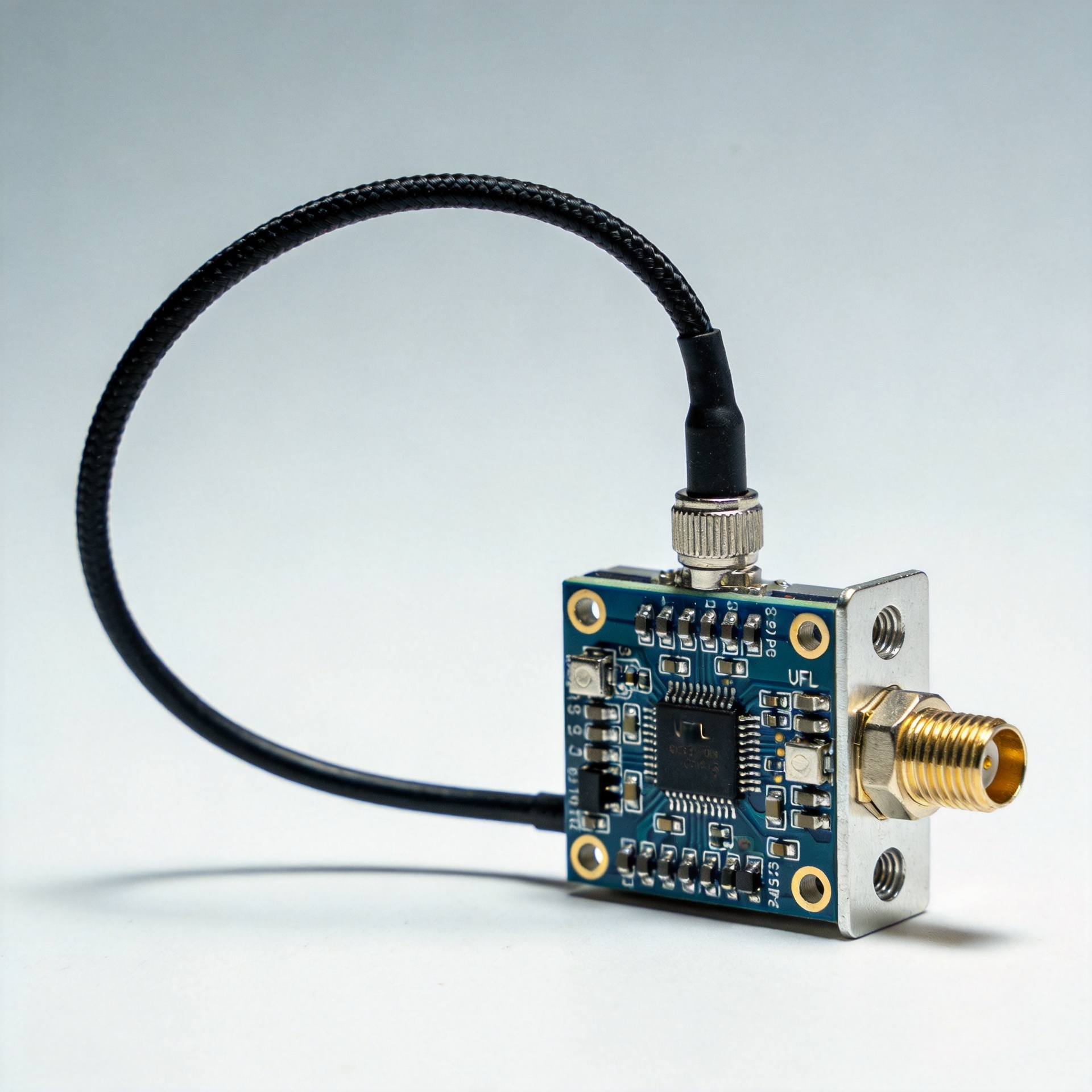
- SMA cable assemblies: Used for shorter-run, higher-frequency applications—test bench connections, small cell RF paths, and laboratory measurement setups. SMA connectors operate up to 18 GHz, making them the connector of choice when the frequency range extends beyond what N-type supports.
Outside of RF, the same construction logic—continuous outer jacket, linear topology, two terminated ends—applies to power cable harness assembly configurations, power assemblies, Ethernet patch assemblies, USB and HDMI cable assemblies, and other category-specific variants.
What Is a Wire Harness?
A wire harness—also called a cable harness or wiring harness—is a different kind of assembly entirely. Rather than a single continuous jacket running from one connector to another, a wire harness consists of individually insulated wires bundled together, with the protective covering (sleeving, conduit, tape, or tubing) applied during the assembly process itself. The protection does not come from the wire; it is added at the factory while the harness is being built.
More importantly, a wire harness has a branching topology: a main trunk from which sub-trunks and individual wires branch at defined breakout points, forming a tree-like structure. Unlike a cable assembly that connects two points, a wire harness connects many points simultaneously within a system.
Manufacturers produce wire harness assemblies on a formboard—a physical template that holds every wire in its exact branching geometry while it is taped or sleeved. This makes the harness more compact and organized for its specific routing path, but also means each wire harness assembly is designed for one application and one routing geometry. It cannot be easily repurposed elsewhere.
The wire harness assembly is the right choice when an application requires complex multi-circuit routing that would be impractical with a single-jacket cable. Automotive electrical systems, aerospace avionics bays, and industrial control panel wiring are the most common applications.
Key Differences Between Cable Assembly and Wire Harness
| Dimension | Cable Assembly | Wire Harness Assembly |
|---|---|---|
| Topology | Linear — point-to-point | Branching — trunk with breakout points |
| Outer protection | Continuous jacket from the cable itself | Sleeving, tape, or conduit added during assembly |
| Manufacturing process | Connector crimping or soldering; compatible with partial automation | Formboard routing required; labor-intensive at branch points |
| Durability | Higher — jacket provides consistent environmental protection | Depends on covering quality; less suited for outdoor environments |
| Customization | Versatile across applications; field-replaceable as a discrete unit | Designed for a specific routing geometry; not easily re-used |
| Typical applications | RF antenna feedlines, coaxial signal paths, sensor cables | Automotive wiring, aerospace, industrial control panels |
The practical cost of confusing these two terms: specifying a "cable harness assembly" when the factory's default interpretation is a branching wire harness can produce a component that meets none of the electrical or mechanical requirements of an RF signal path. A product can be right on paper and entirely wrong in function—the same problem that arises when a connector series passes every electrical spec but is physically incompatible with the mounting interface it was ordered for.
How to Specify the Right Product in Your RFQ
If you are ordering an RF or coaxial cable harness assembly, the minimum information your factory needs includes: connector type and series at each end (for example, N male, 4.3-10 male, or SMA male), cable type and outer diameter (such as 1/2-inch super-flexible coaxial), assembly length, characteristic impedance (50 ohm for standard RF), and if performance-critical, insertion loss or VSWR limit at the operating frequency.
If you are ordering a wire harness assembly, the documentation package is more complete: a wire schedule listing every wire's gauge, color, start connector and pin assignment, end connector and pin assignment; a schematic showing all electrical connections; and a formboard or harness configuration drawing showing physical routing, all branch lengths, and covering specifications. Do not rely solely on a distributor's spec sheet for a harness—verify that the document reflects the current production revision, not a previous model.
A simple rule to determine which term applies to your component: if the conductors run from one connector to another in a straight line with no branching, it is a cable assembly. If the wiring fans out to serve multiple connection points across a chassis or enclosure, it is a wire harness. For RF infrastructure—antenna feedlines, base station connections, DAS jumpers—the component is in nearly all cases a cable assembly, and the factory receiving your RFQ will appreciate the clarity.
Zhenjiang Jiewei Electronic Technology Co., Ltd has specialized in RF cable assemblies, feeder cables, and RF connectors for over 25 years, supporting telecom equipment manufacturers, data center operators, and broadcast facility integrators across Asia, Europe, and North America. For RF cable assembly specifications, our engineering team works directly from your connector type, cable type, length, and performance requirements to produce production-ready assemblies.